Best Balloon Whisks (2026): Sizes and Styles for Real Homes
Disclosure: We may earn a commission when you buy through links on this page, at no extra cost to you. As an Amazon Associate I earn from qualifying purchases. Learn more

Choosing the best balloon whisk for eggs, cream and batters? Compare sizes, materials and care so one whisk fits your bowls and drawer.
Saturday pancakes for four turn messy fast when the batter sits in lumps and the one whisk in the drawer is too small for the bowl. Choosing the best balloon whisk for your home comes down to your drawer space, how many people you cook for, and how often you bake or whisk eggs. This guide walks through sizes, materials, and care so you can match one whisk to your routine.
The product table below lists current options in the main sizes. If you are still sorting out whisk families in general, see our guide to the best whisk options before you narrow in on the balloon shape covered here.




Quick Answer: Balloon Whisk Styles in Brief
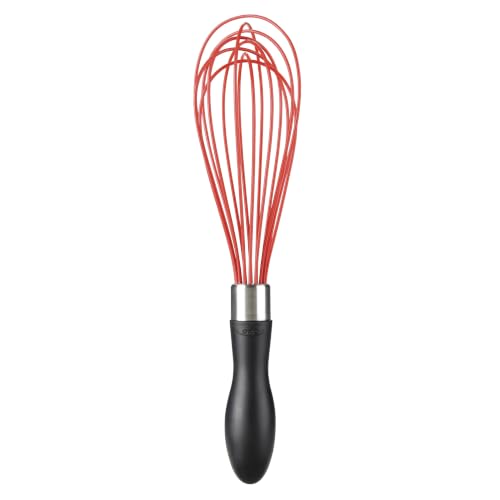
A balloon whisk has many thin wires that curve out into a wide rounded shape, a bit like a hot air balloon. That wide shape moves a lot of air and liquid with each stroke, which is why it suits eggs, cream, and thin batters so well. Most home cooks need only one size, the standard length below.
A compact style at about 8 to 10 inches suits single servings and shallow drawers. A standard style at about 10 to 12 inches covers most daily cooking for two to five people. A large style at about 12 to 14 inches earns its space only if you often mix big bowls of batter or whip cream for a crowd.
Before You Buy: A Quick Checklist for Choosing a Whisk
Start with your bowls, not with the product photo. Measure your widest mixing bowl and your deepest saucepan, then check your drawer length. A whisk that fits your bowls and stores without jamming the drawer will get used far more than a larger one in a back cupboard.
Which Type Fits Your Routine
Whisk types differ mainly in wire shape and stiffness. A balloon whisk has flexible wires and a wide belly, so it whips air into eggs and cream and reaches across a broad bowl. A French whisk is narrower and firmer, which suits sauces in a pan. A flat whisk lies low and scrapes the bottom of a shallow pan well, but it adds little air.
Coating changes the choice again. If your daily pans have a nonstick coating, look at the best silicone whisk styles, since silicone coated wires are gentler on that surface than bare metal. For stiff bread dough, a balloon whisk is the wrong tool, and the best danish dough whisk designs handle that heavy mixing far better. Thick dough can bend thin balloon wires out of shape in a single batch.
Power is the other fork in the road. Beating one or two eggs by hand takes under a minute, but whipping a large bowl of cream asks a lot of your wrist. In that case the best electric whisk models do the long work for you, while a manual balloon whisk still wins for quick jobs where washing extra parts feels like a chore.
Materials and Food Safety
Most balloon whisks use stainless steel wires, a stainless steel or plastic handle, or wires coated in silicone. Stainless steel resists rust and does not hold food odors, and many listings state the steel grade, such as 18/8 or 18/10. A higher second number points to more nickel in the alloy, which generally means better resistance to staining from acidic foods like tomato or lemon.
Handles matter for safety as much as comfort. Look for a handle that is sealed where the wires enter it, since an open gap traps water and food residue that are hard to rinse out. Silicone coated wires should show no cracks or peeling, because a split coating can hold moisture against the core.
Dishwasher Safe or Hand Wash
Many stainless steel whisks are sold as dishwasher safe, and for a busy household that can be the deciding factor. Still, check the care note for your exact style, since some handles and coatings are listed as hand wash only. A dishwasher cycle can dull some plastic handles and knock thin wires against racks. If easy cleanup ranks high, plain stainless steel with a sealed handle is usually the simplest route.
Hand washing takes less effort than it looks if you rinse the whisk right after use, before egg or batter dries between the wires. Dried batter left for hours is the main reason people find whisks annoying to clean.
Realistic Budget Ranges
Balloon whisks are low cost tools, and spending more mainly buys thicker wires, a sturdier handle joint, and a stated steel grade. At under $10 you can expect a serviceable whisk for light daily use, though wires may feel thin. At about $10 to $20 you usually get firmer wires, better balance, and clearer material details. Paying over $20 makes sense mainly for a large size.
For most homes, one standard whisk in the middle range covers years of eggs, batters, and sauces. A full set of sizes sounds tidy, but duplicate sizes often sit unused and crowd the drawer.
Balloon Whisk Sizes Compared for Different Homes
With the checklist in mind, the choice narrows to three broad sizes. These are types rather than named picks, because brand lineups change often, but the size and wire traits below apply to any listing you open.
Compact Style for Small Kitchens and Small Batches
A compact balloon whisk at about 8 to 10 inches suits studio kitchens and cooks who whisk one or two eggs or a small pan sauce. Its shorter wires fit shallow drawers and narrow bowls, and it rinses fast. The trade off is reach and volume. In a deep pot or a wide bowl of batter, a short whisk takes more strokes to move the same amount, so it is a poor pick as the only whisk for a family that bakes often.
Standard Style for Most Daily Cooking
The standard balloon whisk at about 10 to 12 inches is the size most homes should buy first, and it earns the label of best balloon whisk for everyday use in a typical kitchen. Its wires sweep a medium mixing bowl and whip cream for a family dessert, yet it still fits most drawers. Look for eight to twelve wires, since more wires move batter more evenly with each pass. A rounded handle fills the palm better than a thin wire handle during a long session.
Large Style for Big Batches and Family Baking
A large balloon whisk at about 12 to 14 inches suits big households, holiday baking, and anyone who doubles recipes as a habit. The longer wires push through a deep bowl of batter without your knuckles dipping in, and the wide head whips a full bowl of cream faster. Storage is the catch, since many drawers are too short. Buy this size only when your batch sizes, bowl sizes, and storage all line up.
Our Selection Process for Balloon Whisks
We judge balloon whisk styles on five plain criteria, ease of use, durability, cleaning, design, and value. Ease of use covers balance and handle comfort. Durability looks at wire thickness, the handle joint, and stated materials rather than brand claims. Cleaning weighs dishwasher notes and wire spacing, design asks whether the size fits real drawers and bowls, and value uses maker listings and verified buyer feedback.
What We Like and What We Do Not Like About Balloon Whisks
The strength of the balloon shape is air. The wide wire belly folds air into egg whites and cream quickly, blends thin batters smoothly, and covers a lot of bowl surface with each stroke. For the basic wrist motion and speed control, our notes on how to use a whisk pair well with this guide and cover grip and bowl angle in detail.
The limits are just as clear. Thin flexible wires struggle with stiff dough and heavy batters late in mixing, and forcing them can bend a wire for good. Bare metal wires can scratch nonstick coatings, and the many wires take longer to rinse than a flat whisk. A balloon whisk also does a poor job in the corners of a square pan, where a narrower French style reaches better.
Common Mistakes to Avoid
- Buying the largest size for a small kitchen, so the whisk jams the drawer and rarely gets used.
- Using bare metal wires on a nonstick pan, which can mark the coating and shorten the life of the pan.
- Forcing a balloon whisk through stiff dough, which bends the thin wires and ruins the shape.
- Letting egg or batter dry on the wires after cooking, which turns a quick rinse into a long scrub.
- Storing a wet whisk in a closed drawer, which invites rust spots at the handle joint over time.
- Paying for a full set of near identical sizes, when one well matched size covers nearly every task.
Cost of Ownership and Care
A balloon whisk has no running costs, no parts to replace, and no power use, so the real cost of ownership is how long it lasts before wires bend or the joint loosens. A mid range stainless steel style rinsed promptly and stored dry can serve a home for years. A bent wire can often be eased back by hand, but a whisk with several bent wires is ready to retire.
Store the whisk dry, in a drawer with room to lie flat or hanging from a hook by its handle loop if it has one. Crowding it under heavy utensils can flatten the wire belly over time. For step by step washing and drying advice, see how to clean a whisk. Avoid long soaks for a whisk with a glued or hollow handle, since trapped water inside is slow to dry and can cause odor.
FAQ
Are balloon whisks worth it for a home kitchen?
Yes, for most homes a balloon whisk is worth it because it covers eggs, cream, dressings, and thin batters with one low cost tool that needs no power and little storage room. It pays off fastest if you cook breakfast foods or bake a few times a month. If you mostly reheat food or stir soups, a spoon and a fork may cover your needs.
Can a balloon whisk be used in a nonstick pan?
Only if the wires are coated in silicone. Bare stainless steel wires dragged across a nonstick coating can leave marks and wear the surface down over repeated use. If you make pan sauces often, keep the metal whisk for bowls and use a silicone coated style at the stove. Check the coating for nicks before each use.
What size balloon whisk works best for whipping cream?
For a cup or two of cream, the standard 10 to 12 inch size gives the best mix of speed and control, and a chilled metal bowl helps the cream hold its peaks. For double batches at holidays, step up to the large size so each stroke moves more cream. A compact whisk can whip a small amount, but expect more strokes and a tired wrist.
How long does a balloon whisk last with daily use?
A stainless steel balloon whisk used daily can last for years, and the usual end points are bent wires, a loose handle joint, or rust where water sat trapped. You will often notice declining results before outright failure, such as batter that needs far more strokes to come together. Silicone coated styles retire sooner if the coating splits.
How do you store a balloon whisk in a small kitchen?
The neatest option is a shallow drawer divider that keeps the whisk lying flat and apart from heavy tools that could crush the wires. If drawer length falls short, hang it on a wall hook near the stove, since the slim handle takes almost no wall space. A tall crock also works, but stand the whisk wires up so the belly bears no weight.
Final Thoughts
For most households, one standard size stainless steel whisk in the middle budget range is the best balloon whisk choice you can make, with a compact or large style added only when your batch size truly calls for it. Match the size to your bowls and drawers, pick silicone coated wires if nonstick pans are your daily drivers, and rinse it right after use. Before you order, glance back at the product table above to confirm the size and material that fit your home.