Best Balloon Pumps 2026: A Complete Buying Guide
Disclosure: We may earn a commission when you buy through links on this page, at no extra cost to you. As an Amazon Associate I earn from qualifying purchases. Learn more

Choose balloon pumps for parties and events, from hand pumps to electric inflators, with guidance on speed, noise, control, and balloon safety.
The best balloon pumps seem simple, but the right pump saves hours at parties, events, and balloon displays. Hand pumps suit small batches, while electric inflators handle arches, garlands, and large celebrations with far less effort.
The comparison table below brings the main options together, so you can compare pump types, speed, and noise at a glance. This guide explains which pump suits your event size and which features prevent popped balloons and tired arms.
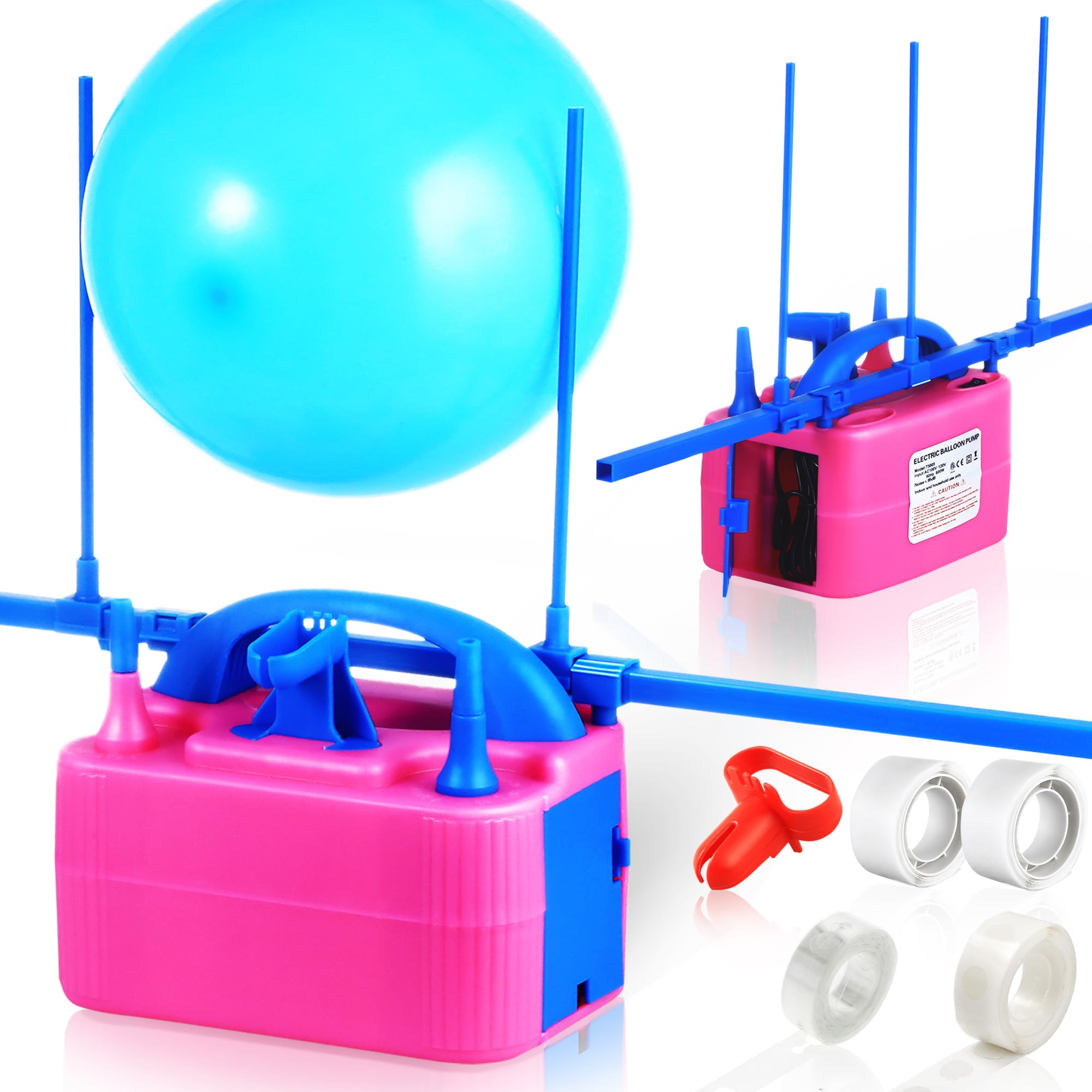
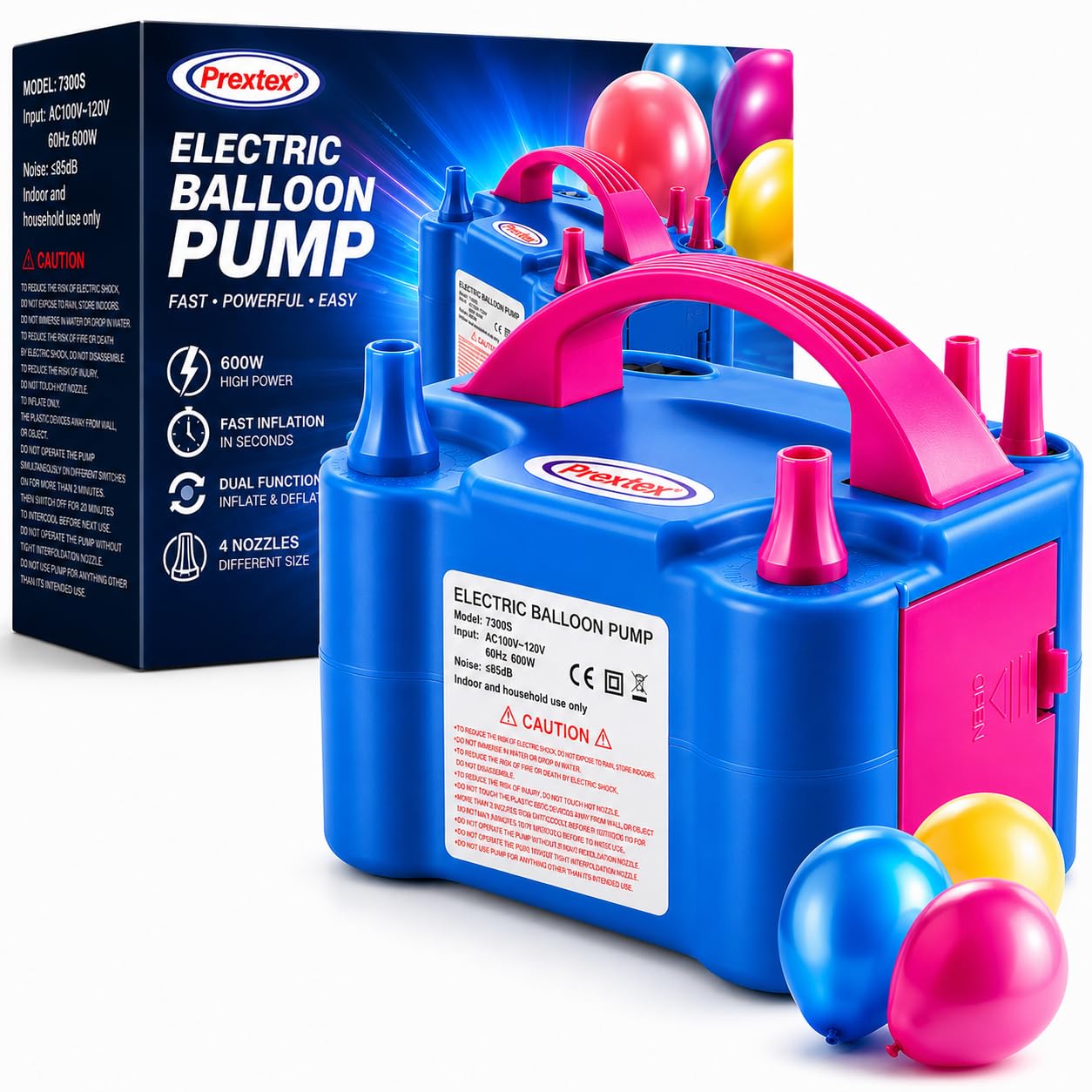


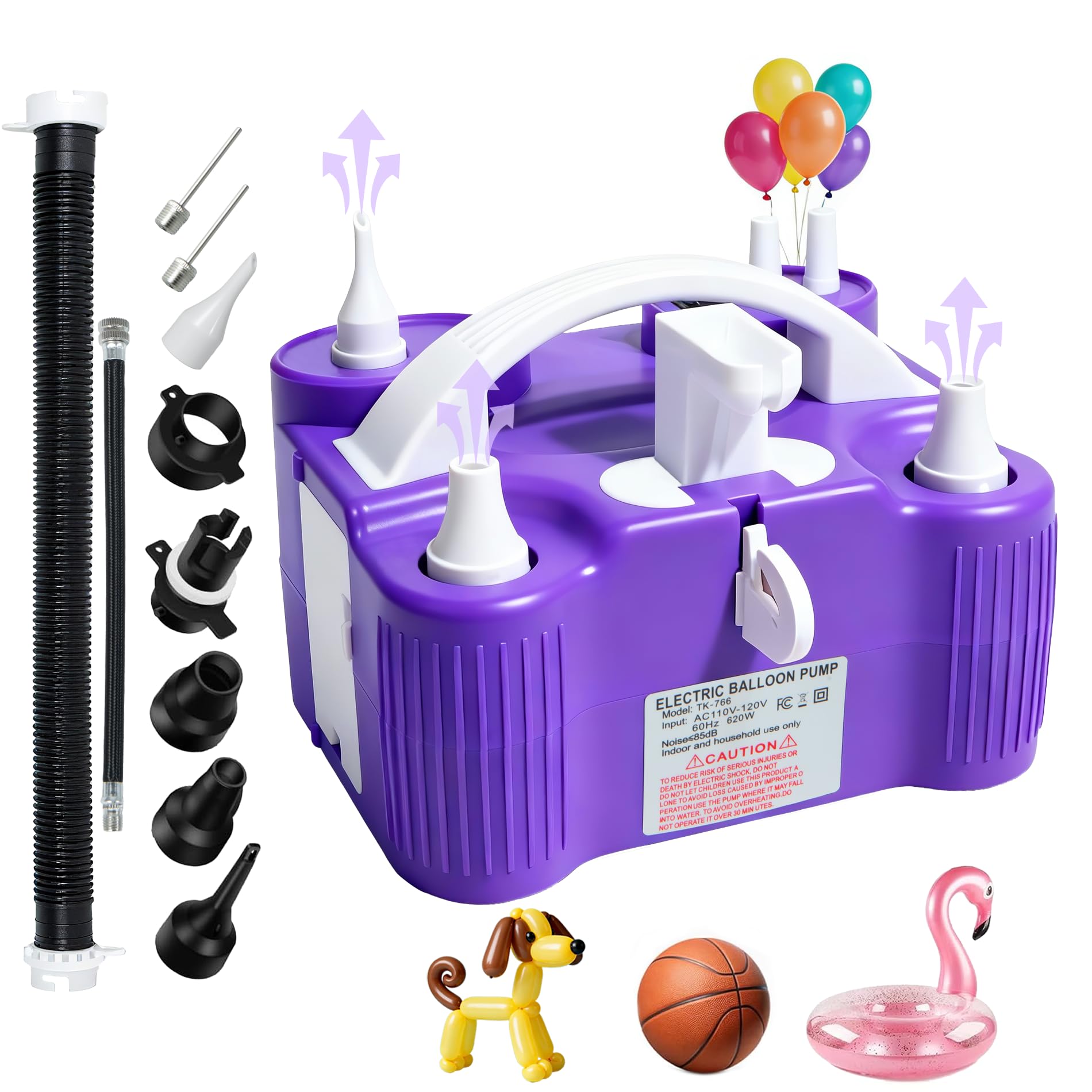


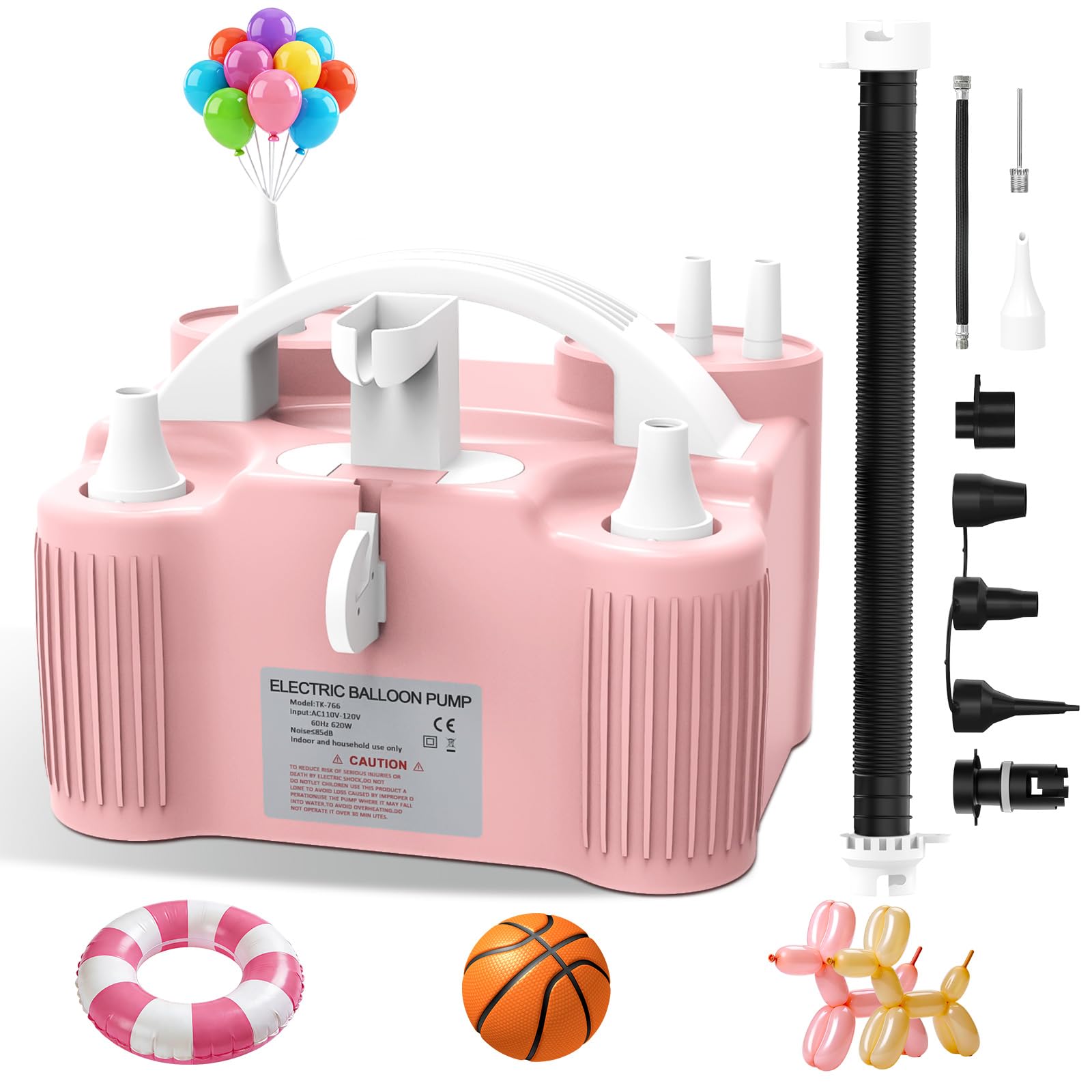


Balloon work varies. A birthday party may need twenty balloons, while a wedding or school event may need hundreds. Event size should drive the pump choice more than price alone.
Count balloons honestly before you shop, including arches, garlands, and spares for pops. A realistic count separates hand pump territory from electric inflator territory faster than any other factor.
Hand, Foot, and Electric Pump Types
Hand pumps are light, cheap, and portable, suiting small parties and travel kits. They work well for foil balloons and small latex batches, but they tire arms quickly during large inflations and struggle with high volume displays.
Foot pumps free your hands for tying and arranging, and they suit medium batches at home. They need floor space and steady footing, so they work less well on uneven ground or crowded event tables.
Electric inflators suit large events, balloon arches, and professional displays. Dual nozzle models inflate two balloons at once, while variable pressure controls help with delicate foil balloons. Check noise levels, since loud inflators can overwhelm small rooms.
Speed, Control, and Balloon Safety
Speed matters when you inflate hundreds of balloons, but control matters more for foil and shaped balloons. A pump with adjustable airflow or a manual nozzle lets you slow down for delicate balloons and speed up for plain latex.
Overinflation pops latex and stresses foil seams. Inflate to a round, firm shape without stretching the neck thin, and stop before the balloon feels hard. Keep a few spare balloons for pops, especially with children helping.
A guide to best quality pumps covers general pump quality across types, which helps you judge build and durability. Balloon pumps are a narrow category, so focus on nozzle fit, airflow control, and motor durability rather than brand prestige.
Safety basics include keeping electric pumps dry, away from water bowls and wet floors, and out of reach of small children during use. Unplug electric models when changing nozzles, and never aim high pressure air at faces or ears.
Choosing by Event Size
For under thirty balloons, a hand pump or a small electric inflator usually suffices. Pack spare nozzles and a hand pump as backup, since a single motor failure can stall a party setup.
For thirty to two hundred balloons, an electric inflator with dual nozzles saves serious time. Add a second person for tying, since tying often takes longer than inflation at this scale.
For large displays, arches, and professional work, choose a durable electric inflator with continuous duty ratings and spare parts. Test it with your actual balloon sizes before event day, since large foil shapes need different airflow from standard latex.
Budget, Value, and Mistakes to Avoid
Prices for balloon pumps range from about $5 for hand pumps to $30 to $80 for electric inflators. A midrange electric model often offers the best value for regular party hosts and event helpers.
A common mistake is buying the cheapest electric pump and finding it overheats during a large batch. Another is using a high pressure pump on foil balloons without control, which pops seams. Match pump power to balloon type and batch size.
Store pumps clean and dry, check cords and nozzles before events, and keep a hand pump in your kit as insurance. Simple preparation prevents most event day pump problems.
A Final Check Before You Order
Test nozzle fit with your actual balloon types before event day. Narrow foil necks and wide latex necks need different nozzles, and a poor fit wastes air and patience during setup.
Plan power access for electric inflators, including extension cords, outlet locations, and backup power. An electric pump without a reachable outlet helps little at outdoor venues or large halls.
Assign roles for large setups, with one person inflating and another tying and clustering. Tying often bottlenecks balloon work, so a second helper improves speed more than a faster pump alone.
Keep balloons away from heat, sharp edges, and direct sun during setup. Heat expands air and pops latex, while sharp table edges puncture foil. A calm, shaded workspace preserves balloons and tempers.
Store leftover balloons sealed and away from sunlight for future events. Proper storage extends latex life, while loose balloons in hot cars degrade quickly and pop more easily later.
Frequently Asked Questions
Are electric balloon pumps worth it?
Yes, if you inflate more than thirty balloons at a time or build arches and garlands. Electric pumps save time and arm strain, and dual nozzle models speed work further. For tiny parties, a hand pump is cheaper and perfectly adequate.
Can electric pumps pop foil balloons?
Yes, if airflow is too strong or the nozzle seals too tightly. Use lower airflow, a wider nozzle, or manual control for foil balloons, and stop before the balloon feels hard. Practice with a spare foil balloon before inflating display pieces.
How do I inflate balloons for an arch?
Inflate balloons to a consistent size using a sizing template or a measured box, then tie and cluster them evenly. Consistent size matters more than speed for arches, since uneven balloons make the arch look lopsided. Work in batches and store clusters safely.
Do balloon pumps work for all balloon sizes?
Most pumps handle standard latex and foil balloons, but very small or very large shapes may need special nozzles. Check nozzle fit before event day, and keep adapters for narrow necks. High volume pumps suit large latex, while gentle pumps suit small foil shapes.
How should I store a balloon pump?
Store it clean, dry, and unplugged, with nozzles protected from dust and damage. Check cords for wear before each event, and replace cracked nozzles promptly. A pump stored well lasts through many parties and events.
Can children help inflate balloons safely?
Children can help with tying and arranging under supervision, but electric pumps and high pressure air need adult control. Keep small children away from pump nozzles and uninflated balloons, which pose choking risks. Assign safe, fun tasks that match age and ability.
How long do inflated balloons last?
Air filled latex balloons typically look good for several days indoors when kept cool and away from sun, while helium balloons float for roughly half a day to a day depending on size and quality. Foil balloons last much longer, often a week or more. Temperature, sunlight, and handling affect lifespan greatly.
Final Thoughts
best balloon pumps should match your event size, your balloon types, and your tolerance for noise and effort. Hand pumps suit small parties, while electric inflators suit large displays.
Use the product table above to compare pump types, then test your pump with real balloons before event day. The right pump makes setup faster, calmer, and far more fun.
Pack a hand pump alongside any electric model for every event. Redundancy costs little and saves the day when motors overheat or outlets fail.