Best Ballet Shoes for Beginners 2026 Guide
Disclosure: We may earn a commission when you buy through links on this page, at no extra cost to you. As an Amazon Associate I earn from qualifying purchases. Learn more

Find beginner ballet shoes with the right fit, sole, and support. Learn about canvas, leather, sizing, and first class comfort before buying.
Choosing the best ballet shoes for beginners is mostly about fit, since a well fitting shoe lets you feel the floor and learn positions correctly. Beginner shoes should be soft, flexible, and snug without pinching, with a sole that grips studio floors without sticking. Getting fit right early helps technique and prevents blisters and frustration.
The comparison table below compares the main styles, and this guide explains materials, soles, sizing, and care. Read it before your first class, so your shoes support learning rather than distracting from it.



Canvas Versus Leather Shoes
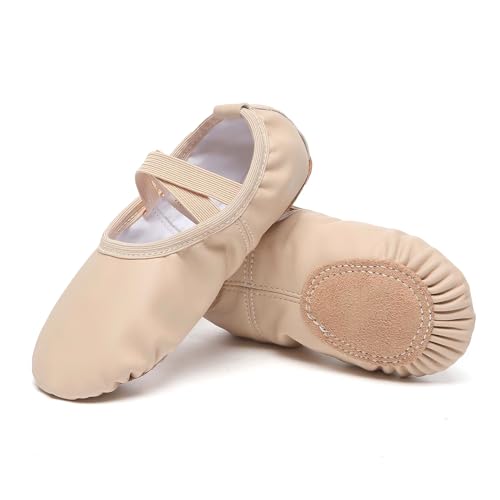
Canvas shoes are light, breathable, and mould to the foot quickly, which suits beginners and warm studios. They are usually cheaper and machine washable, but they wear faster and offer less durability for frequent classes. Leather shoes last longer and mould beautifully over time, but they need breaking in and cost more.
Many teachers recommend canvas for first shoes, since comfort arrives quickly and cost stays low while a student decides whether to continue. Leather suits committed students who attend several classes weekly. Ask your teacher for a preference, since some schools specify a shoe type or colour.
Full Sole Versus Split Sole
Full sole shoes have one continuous sole, which supports the foot and suits young beginners learning basic positions. Split sole shoes have separate pads under the ball and heel, allowing the foot to arch and point more freely. Split soles look elegant and suit advancing students, but they offer less support for beginners still building strength.
Most beginners start with full soles, then move to split soles as foot strength and technique develop. Your teacher can advise when to switch, based on your progress rather than fashion. A shoe that supports learning beats a shoe that looks advanced but weakens support.
Sizing and Fit for Growing Feet
Ballet shoes fit more snugly than street shoes, with toes flat and no excess material bunching at the heel. Leather stretches with wear, so leather shoes start snug, while canvas stretches less and should fit correctly from the start. Always try shoes with the tights or socks you wear in class.
For growing children, buy a fit that is snug now rather than a size up to grow into, since loose shoes slip and hinder technique. Check fit regularly, since children outgrow shoes quickly. Adults should also recheck fit if shoes stretch or the drawstring loosens, since a loose shoe changes how the foot works.
Drawstrings, Elastics, and Securing the Shoe
Drawstrings adjust fit around the foot, but they should be tied flat and tucked away, never left dangling. Pre sewn elastics keep the shoe secure without constant adjustment, and many beginners prefer them. Some shoes use a single drawstring, others use criss cross elastics for extra security.
Check that elastics sit flat and do not dig into the ankle or Achilles area. If elastics cause pain or red marks, adjust or replace them, and ask your teacher for help with fitting. A shoe that stays put lets you focus on steps rather than on footwear.
Care, Hygiene, and Replacement
Air ballet shoes after each class and never store them damp in a closed bag, since moisture breeds odour and weakens materials. Canvas shoes can usually be machine washed on a gentle cycle and air dried, while leather shoes need wiping and conditioning as the maker directs. Keep shoes in a breathable bag between classes.
Replace shoes when soles thin, holes appear, or the fit loosens so much that support disappears. Children may need several pairs a year as feet grow, while adults replace less often. Worn shoes change how the foot moves, so replacing on time supports technique and comfort.
A Final Check Before You Order
Before ordering, check your school dress code for colour and style, measure feet in class tights, and note whether your teacher prefers canvas or leather. Compare those details with the product table above, and prioritise snug fit over brand or looks. A shoe that fits well makes first classes far more enjoyable.
If possible, have shoes fitted in person or check the return policy for exchanges, since sizing varies by maker. Break new shoes in with a short practice at home before a full class. With the right fit, beginner ballet feels natural from the first plié.
For related ballet footwear, see our guides to best ballet shoes and best ballet pumps.
First Class Preparation
Before your first ballet class, check the dress code, prepare your shoes, and practise basic positions at home if your teacher provides guidance. Arrive early to change, warm up gently, and ask the teacher about shoe fit if anything feels uncomfortable. Teachers expect beginners to need fitting help, so asking early prevents blisters and bad habits.
Bring a small bag with water, a towel, and spare hair ties, since classes can be warm and active. Avoid eating a heavy meal immediately before class, and wear comfortable layers you can remove as you warm up. Preparation reduces first class nerves and lets you focus on learning rather than logistics.
After class, note any shoe discomfort, such as pinching, slipping, or rubbing, and raise it with your teacher or fitter before the next class. Small fit issues fixed early prevent blisters and frustration. Ballet rewards patience and attention to detail, starting with footwear that fits properly.
Progressing Beyond Beginner Shoes
As technique develops, teachers may suggest split sole shoes, different materials, or a closer fit that supports more advanced footwork. Progress at your own pace, following teacher guidance rather than peers, since feet and strength develop differently. A shoe change should follow a technical reason, not a fashion trend in class.
Keep beginner shoes as practice pairs even after upgrading, since they suit rehearsals, warm ups, and classes where support matters more than articulation. Rotating pairs also extends shoe life and gives feet variety. Many dancers keep several pairs for different class types and floor surfaces.
Record your size and model when you find a pair that fits well, since makers vary and a good fit is worth repeating. Note any adjustments, such as elastic changes, that improved comfort. This record saves time and guesswork when ordering replacements, especially for growing children.
Teacher recommendations on shoe brands and models are worth following closely, since teachers see how different shoes perform on their studio floor and with their class style. A shoe that works well on one floor may grip poorly on another, and teachers notice patterns across many students. If your teacher suggests a specific maker or model, try it first before experimenting, since their experience saves you from costly trial and error.
Frequently Asked Questions
Should ballet shoes be tight?
Ballet shoes should fit snugly, with toes flat and no bunching, but they should not pinch or cause pain. Leather stretches slightly with wear, so leather shoes start snug, while canvas should fit correctly immediately. Pain, numbness, or red marks signal a fit problem, not a shoe that needs breaking in.
Canvas or leather for a beginner?
Canvas suits most beginners because it is light, breathable, affordable, and comfortable immediately. Leather suits committed students who want durability and a shoe that moulds over time. Ask your teacher, since some schools specify a type, and choose canvas if you are trying ballet for the first time.
Full sole or split sole for beginners?
Full sole shoes suit beginners because they support the foot while learning basic positions and building strength. Split soles allow freer arching and pointing, which suits advancing students. Most teachers recommend starting full sole and switching to split sole when technique and strength allow.
How do I know when ballet shoes need replacing?
Replace shoes when soles thin or hole, the fit loosens significantly, or materials stretch so support disappears. Children outgrow shoes quickly and may need several pairs a year. Worn shoes affect technique and comfort, so replacing on time matters more than squeezing extra months from a pair.
Can I machine wash ballet shoes?
Canvas shoes can usually be machine washed on a gentle cycle and air dried, but check maker guidance first. Leather shoes should not be machine washed; wipe them clean and condition as directed. Always air dry ballet shoes away from direct heat, which can warp soles and damage materials.
Final Thoughts
The best ballet shoes for beginners fit snugly, flex naturally, and let you feel the studio floor. Use the product table above to compare canvas and leather options, and ask your teacher if you are unsure. A well fitting first pair makes learning ballet a pleasure.