Best Ball Whisk (2026): Length, Wires and Coatings
Disclosure: We may earn a commission when you buy through links on this page, at no extra cost to you. As an Amazon Associate I earn from qualifying purchases. Learn more

Best Ball Whisk guide: compare compact, standard and silicone coated whisks by length, wire strength and pan safety for sauces and batters.
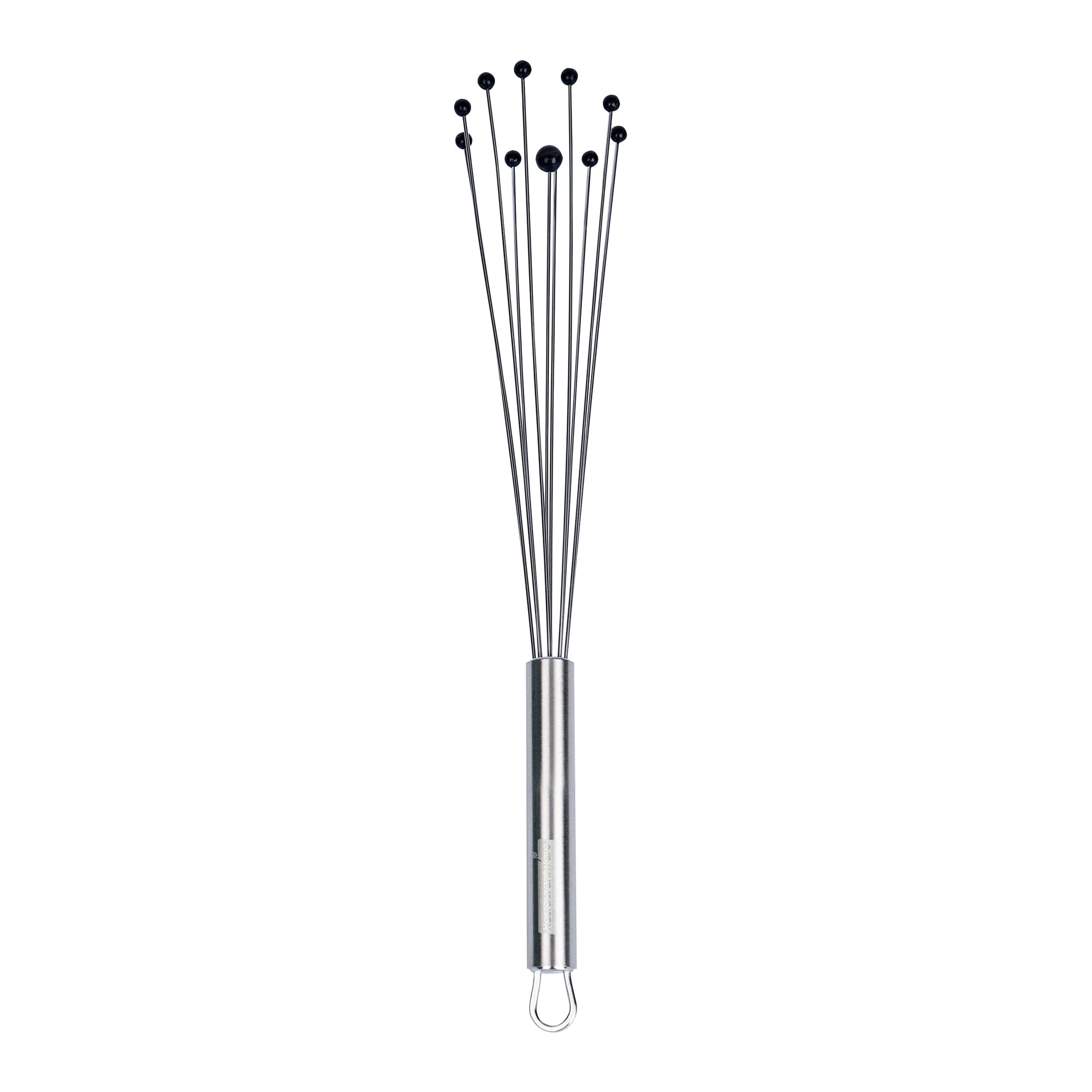
A ball whisk looks odd the first time you see one in a drawer, with loose wires ending in small metal balls instead of loops. Then you use it in a saucepan of gravy and the appeal clicks, because those balls reach into corners that looped wires skip. Finding the best ball whisk for your home comes down to your space, how many people you cook for, and what you stir most often.
This guide walks through the sizes, materials, and handle shapes that suit real kitchens, from small apartments to busy family homes. The product table below lists real whisks, so you can match a style to your routine before reading the detail.




Quick Answer: Three Ball Whisk Styles in 30 Seconds
Ball whisks come in three broad styles, and each one suits a different kind of home. A compact wire version fits small drawers and handles eggs, dressings, and single pan sauces with ease. A standard length version with a sturdy handle covers most daily cooking for families. A silicone coated version protects delicate pans and stays quiet against enamel and ceramic surfaces.
If you only buy one, the standard length style in stainless steel is the safest all round choice for most homes. Add the coated style later only if you cook often in pans that scratch easily. Size and coating matter more here than any extra feature.
Before You Buy: A Quick Checklist for Choosing a Whisk
A ball whisk is a simple tool, but a few details decide whether it earns a permanent spot in your drawer or gets pushed to the back. Work through the points below before you spend anything.
Which Type Fits Your Routine
Start with what you stir most. A balloon whisk traps air for whipped cream and egg whites, a flat whisk suits shallow pans, and a ball whisk shines in sauces, gravies, and batters because the separate wires move freely and reach pan corners. If you also work with stiff doughs, our guide to the best danish dough whisk covers that heavier job, and a roundup of the best whisk styles shows where each type fits. For hands free speed on large batches, the best electric whisk options do the work a hand tool cannot.
Materials and Food Safety
Most ball whisks use stainless steel wires, which resist rust, shrug off acidic foods like tomato sauce and lemon based dressings, and add no flavor of their own. The small balls at the wire ends should be firmly fixed, with no gaps where food can lodge and no coating that can flake into a sauce. If your pans have delicate surfaces, a best silicone whisk style coating over the wires gives you the same reaching motion with a softer touch. Handles come in steel, wood, or heat resistant plastic, and each should feel secure in a wet hand.
Dishwasher Safe or Hand Wash
Cleaning shapes how often you will reach for this tool on a busy weeknight. Steel versions usually tolerate the dishwasher well, though the moving wires can tangle with other utensils in a crowded rack. Wood handles need hand washing so the grain does not split or swell over time. Whatever the material, shake off water and dry the whisk before storing it, since moisture trapped between the wires and balls is where dull spots and rust specks begin.
Realistic Budget Ranges
Ball whisks are among the cheapest tools in the kitchen, and price gaps are small. Basic steel models cost under $10 and handle daily sauces and eggs perfectly well for a small household. Options at about $10 to $20 usually buy you a thicker handle, heavier wires, and a finish that survives years of drawer traffic. Spending more than that rarely changes how a sauce turns out, so put any leftover budget toward a second size instead of a fancier version of the same tool.
Three Ball Whisk Types Compared
With no moving parts beyond the wires themselves, the real differences between ball whisks are length, wire weight, and coating. Here is how the three main types stack up for home use.
Compact Wire Whisks for Small Kitchens
A short ball whisk, roughly 8 to 10 inches long, suits cooks who work in small bowls and single serving pans. It stores flat in a shallow drawer, rinses in seconds, and gives you close control when you whisk eggs for one or scramble a quick sauce for two. The trade off is reach, since a short handle keeps your hand close to steam and splashes in a deep pot. For a studio kitchen or a camper setup, though, the compact size is often the one that actually gets used daily.
Standard Steel Whisks for Most Homes
The standard type runs about 11 to 12 inches, with medium weight steel wires and a handle long enough to keep your knuckles clear of a hot saucepan rim. This is the size that handles a family batch of pancake batter, a pot of cheese sauce, and a bowl of salad dressing without feeling either cramped or clumsy. It also balances well, so your wrist does less work during a long stir. If your household cooks most nights and owns one all purpose saucepan, this type covers nearly every task you will ask of it.
Silicone Coated Whisks for Delicate Pans
A coated ball whisk wraps each wire in silicone, which quiets the clatter against enamel and protects ceramic and other delicate coatings from fine scratches. The balls still roll into pan corners, and the coating wipes clean with little soaking. Coated wires flex a touch more than bare steel, so they feel slightly softer when you scrape a thick batter from a bowl. Check the stated heat limit before using one over direct heat in a hot pan, and retire it if the coating ever splits or peels.
Our Selection Process for the Best Ball Whisks
We judge ball whisks on five plain criteria that match how homes actually use them. Ease of use comes first, meaning balance, grip, and how the wires move in a real pan. Durability covers wire strength, ball attachment, and resistance to rust. Cleaning looks at whether food releases quickly and whether the tool tolerates the dishwasher. Design covers length, storage, and pan safety, and value weighs all of that against the modest prices these tools carry. Manufacturer specifications and patterns in verified buyer feedback inform each judgment.
What We Like and What We Don't About the Ball vs Other Whisks
The ball design earns its place in a few clear ways. The free moving wires reach the curved corners of saucepans where looped wires leave a ring of unmixed sauce, and the balls add momentum that keeps a gravy moving with less wrist effort. The open structure also rinses clean fast, with no tight loops to trap dried batter.
The limits are just as clear. A ball whisk cannot trap air the way a balloon whisk does, so it is a poor choice for whipped cream or stiff egg whites. The loose wires can feel floppy in a very thick batter, and the balls can rattle noisily in a thin metal bowl. Think of it as a sauce and batter specialist that sits beside a balloon whisk, not a replacement for one. Good technique matters as much as the tool, and our notes on how to use a whisk explain the motion that gets the most from those rolling balls.
Common Buying Mistakes to Avoid
- Buying too long for your pans: an oversized whisk in a small saucepan splashes sauce over the rim and tires your wrist.
- Ignoring the coating on your pans: bare steel wires on a delicate surface can leave fine marks that build up over months of use.
- Paying for features you will not use: hanging loops and decorative handles add cost without changing how the whisk stirs.
- Storing it wet in a closed drawer: trapped moisture dulls steel and can start rust specks around the ball joints.
- Expecting it to whip cream: choosing a ball whisk for airy foams leads to thin results and a sore arm, since the design cannot hold air.
Cost of Ownership and Care
Ownership costs for a ball whisk are close to zero. There are no parts to replace, no filters or pads to buy, and no power costs at all. A sound steel whisk can serve for many years, so the main cost risk is buying a flimsy one twice instead of a sturdy one once. Care is simple: wash soon after use so acidic sauces do not sit on the steel, dry it fully, and store it where the wires will not bend under heavier tools. Our full routine in how to clean a whisk covers the soak and scrub steps for dried on batter.
Check the balls every few months by tugging each wire gently. A ball that shifts or a wire that bends out of line and stays there means the whisk is near the end of its useful life, and a loose ball in food is a hazard you do not want. Retire the tool at that point rather than trying to bend everything back into shape.
Your Questions, Answered
Are ball whisks good for scrambled eggs in a skillet?
Yes, and the rolling balls suit a skillet well because they sweep the flat base and push curds from the edges toward the center as they set. Use a coated version in a delicate pan and a steel version in cast iron or stainless steel. Keep the motion gentle and steady rather than fast, since eggs need folding more than beating, and pull the pan off the heat while the eggs still look slightly soft.
Can a ball whisk replace a fork for small jobs?
For many small jobs, yes. A compact ball whisk beats a fork for blending a single egg with milk, mixing a mug of cocoa, or stirring a small amount of cornstarch into cold water without lumps. A fork still wins for mashing soft foods and for tasks inside very narrow glasses where wires cannot spread. Keeping both costs little drawer space, and each tool ends up doing the jobs it handles best.
Why do the balls on a ball whisk matter?
The balls add weight at the end of each wire, and that weight keeps the wires pressed lightly against the pan surface as you stir. They also let each wire move on its own path, so the set covers more of the pan in a single pass than fixed loops can. One quieter benefit is cleanup, since the smooth round ends have no sharp folds where sauce can dry and hide between uses.
How long does a ball whisk last in a home kitchen?
A well made steel ball whisk often lasts a decade or more of regular home use, since there are no hinges, springs, or seams under strain. Coated versions tend to give out sooner, usually when the coating wears thin at the balls after years of contact with pan surfaces. Storage habits matter most: a whisk kept dry and unbent will outlast a costlier one left soaking in a sink overnight on a regular basis.
Is a ball whisk safe for hot oil or frying tasks?
No, a ball whisk is not a frying tool, and you should keep it out of hot oil. The thin wires cannot lift food, splashing oil can climb the handle toward your hand, and coated versions may have heat limits well below frying temperatures. Use it for sauces, batters, and dressings at the stove or counter, and reach for tongs or a slotted spoon when oil is involved.
The Bottom Line
For most homes, a standard length steel ball whisk is the one to buy first, with a coated version added only if your pans need the protection. Keep the budget modest, check that the balls feel firmly fixed, and match the length to the pans you use most. Chosen that way, the best ball whisk becomes a quiet daily workhorse, and the product table above can help you confirm the size and style before you order.