
Best Ball Game Chairs for 2026: A Complete Buying Guide
Disclosure: We may earn a commission when you buy through links on this page, at no extra cost to you. As an Amazon Associate I earn from qualifying purchases. Learn more
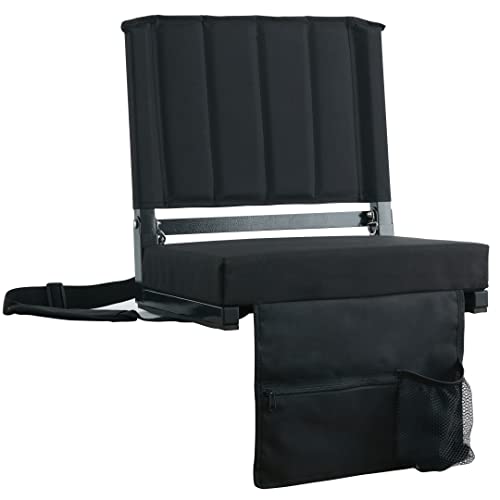
Compare ball game chairs for bleachers and grass sidelines, with guidance on folded size, seat height, padding, frame strength and carry weight.
Watching from the sideline sounds easy until the bench is hard metal, the grass is soft, or the game runs long. The best ball game chairs solve the place where you actually sit, on a bleacher row or on open ground. Use the comparison table below to match seat style, size and carry weight to your usual field or court.
Start by picturing your last game. Note how you arrived, where you sat, and what bothered you first, sore legs, a cold hard bench, or a long walk with full hands. Those answers point to the right sections below.



Who Should Buy Which Style of Chair for a Ball Game?
Ball games place you in two very different spots, and the right chair for one can fail in the other. Grass sidelines call for legs and stability on uneven ground. Bleacher rows call for a seat with no legs that locks onto a narrow bench.
Parents Spending Long Afternoons on Grass Sidelines
You walk from a parking lot with bags, water and a child in tow, and you may move fields between games. Pick a folding chair with legs, a shoulder strap and a weight you can carry in one trip. Solid arms and a cup holder help during long waits. If your sport is baseball, see our guide to the best chairs for baseball games for diamond specific notes.
Fans Who Sit on Hard Metal Bleachers
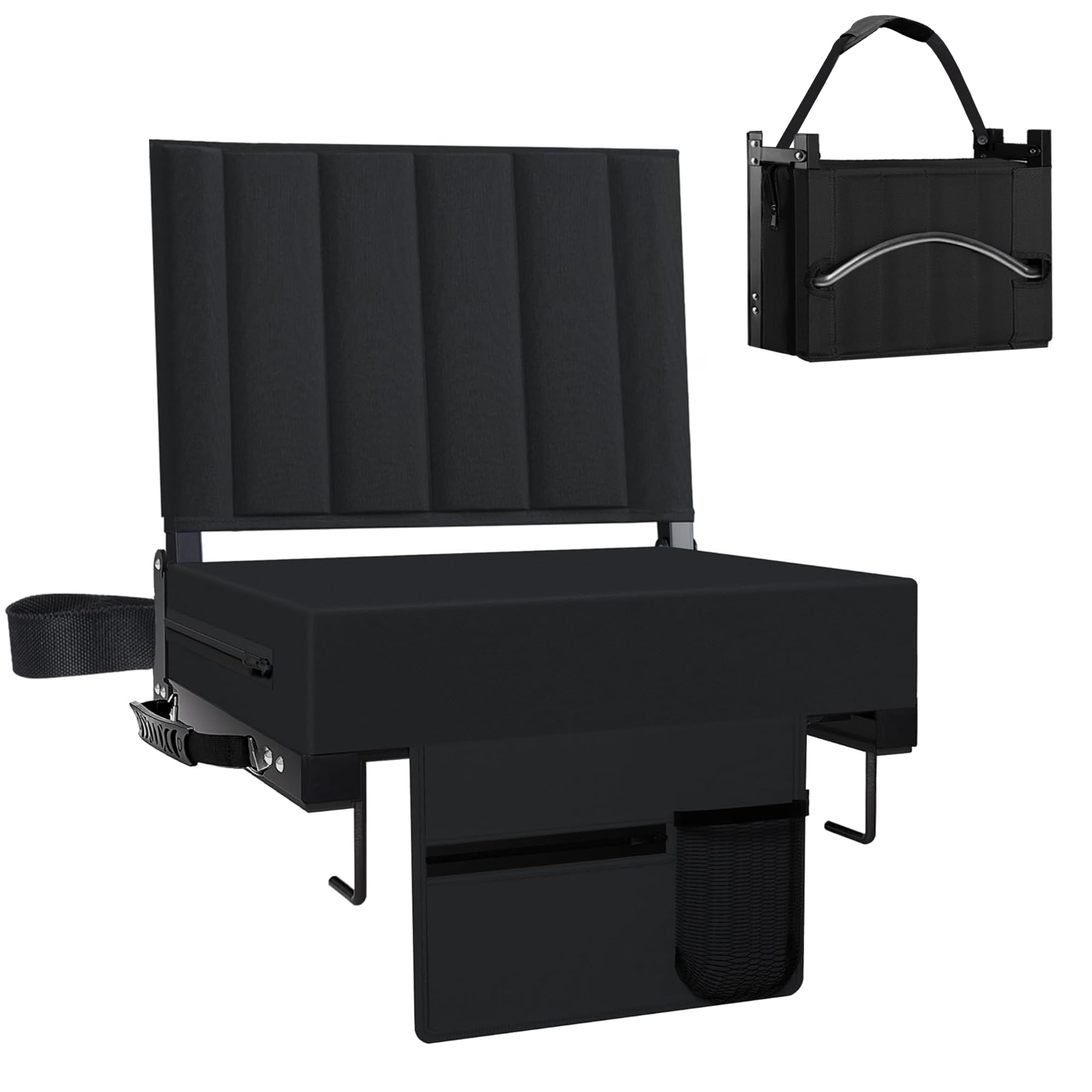
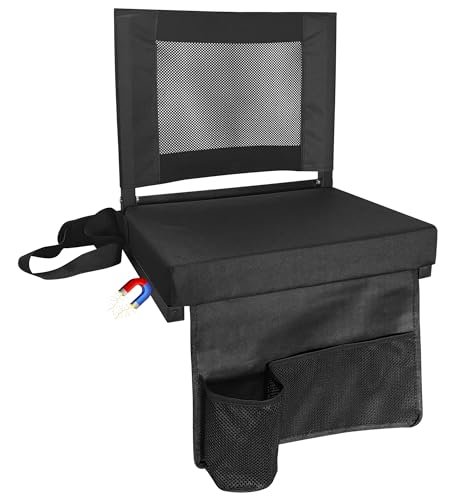
You need padding between you and a cold bench, plus a back that stays upright without legs. Pick a bleacher seat that folds flat, weighs about 3 to 6 pounds and attaches with hooks, straps or a clamp under the bench. A flat base matters more than height here, since a legged chair cannot stand safely on a narrow row.
Coaches, Scorekeepers and Fans Who Carry Gear
You sit, stand and turn often, and you keep a scorebook, pens, a phone and water within reach. Pick a chair with firm arms you can push on, a side pocket that holds a book flat and a frame that does not twist when you lean. Soccer families facing open fields should also see our guide to the best chairs for soccer games.
Key Features to Compare
When you compare best ball game chairs side by side, work through the same five checks in order. Ground fit comes first, then size for your body, then comfort and carry, since a chair that suits the wrong surface will disappoint no matter how thick its padding feels in a store.
Portability, Folded Size and How You Carry the Chair
Portability decides whether the chair comes with you at all. Folding sideline chairs usually weigh about 7 to 12 pounds and fold to about 32 to 38 inches long, while bleacher seats weigh about 3 to 6 pounds and fold nearly flat. A shoulder strap suits short walks, and backpack straps keep both hands free for gates and children. Measure your trunk before you buy, and check that the folded chair passes through the opening, not only that it fits the floor.
Frame Strength, Weight Capacity and Stability on the Ground
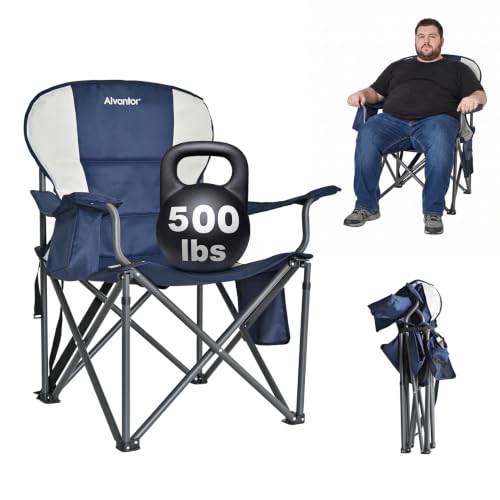
Most portable chairs are rated for about 250 to 300 pounds, and reinforced frames may be rated up to about 350 pounds. Count everything the frame carries, including a child on your lap and gear hung on an arm. Steel frames feel solid and cost less, while aluminum frames weigh less and resist rust better after wet games. On grass, wide feet or bar style feet spread the load and sink less into soft soil. Sit down slowly the first time, and move the chair if one foot finds a dip.
Seat Width, Seat Depth and Height for Bleachers and Grass
A standard sideline seat is about 20 to 22 inches wide and sits about 16 to 18 inches above the ground, while wide models offer about 24 to 26 inches of width. Your feet should rest flat, and the front edge should not press hard behind your thighs. For bleachers, measure the depth of the bench row, often about 10 to 12 inches, and confirm the seat base fits within it. A base that hangs over the front edge can tip when you lean forward.
Back Support and Padding for a Full Game
A game can keep you seated for two hours or more, so support matters more than a soft first impression. Look for a back that reaches at least to your shoulder blades and holds its shape when you lean, plus padding thick enough that you cannot feel the frame bars beneath it. Mesh back panels let air move on hot days and dry faster after a shower, while solid fabric with foam feels warmer on cool evenings. Choose an upright back over a deep recline, since slouching loads your lower back over time.
Fabric, Weather Resistance and Useful Storage
Most seats use polyester fabric because it is strong for its weight and dries faster than cotton. A water resistant coating sheds light rain, and darker colors hide grass stains, while light colors stay cooler in direct sun. Check that cup holders grip a bottle when the chair shifts. Storage should serve the game, a flat pocket for a scorebook or program and a small pocket for keys and a phone.
Types of Portable Chairs for Watching Ball Games
The three types below cover nearly every field, diamond and gym. They differ mainly in how they meet the ground, so let your usual venue decide which type you shortlist first.
Folding Sideline Chairs With Legs and Arms
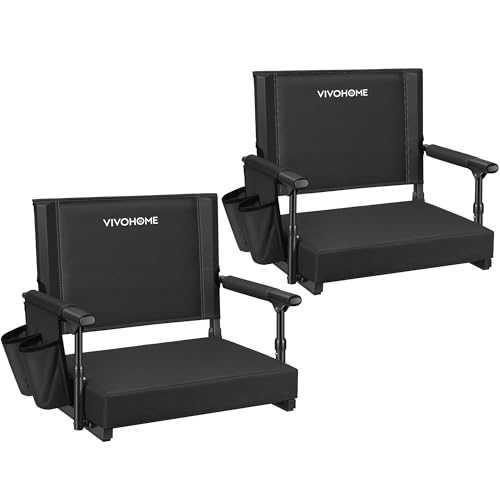
This is the classic camp style chair adapted for sports, with four legs, fabric arms and often a cup holder. It suits grass and dirt sidelines where you can choose your own spot. It folds into a bag for storage, but its legs make it unsafe on bleacher rows.
Bleacher Seats That Clamp or Strap to a Bench
This type has a padded seat and back with no legs, and it secures to a bench with a hook, strap or clamp. It suits school gyms and stadiums where every seat is a hard bench. It is the lightest type to carry up steps, but it gives you no arms to push on.
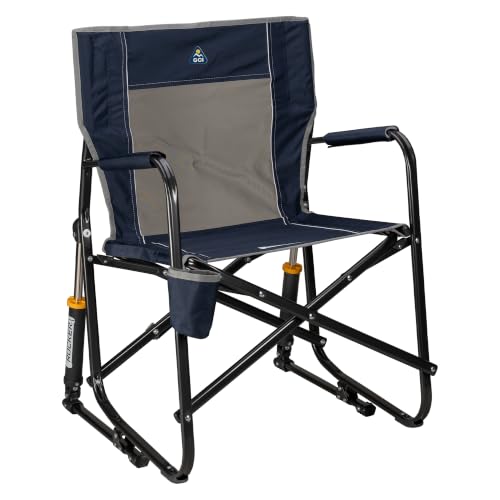
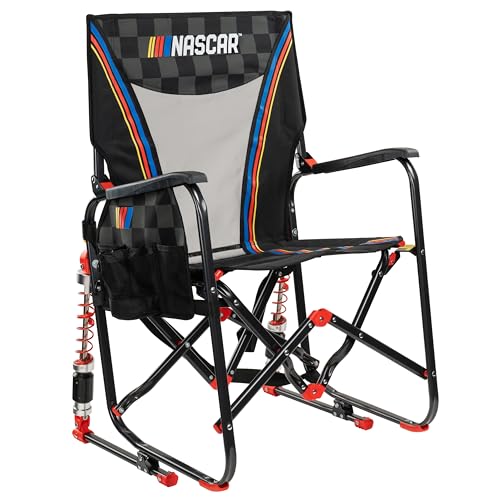
Wide Frame and Rocker Style Chairs for Open Ground
Wide frame chairs add seat room and firmer arms, and some add a gentle rocking base built for flat ground. They suit fans who stay in one spot all afternoon and value room over low weight. They weigh more, often about 11 to 15 pounds, so measure your walk honestly first. Indoor exercise seating is a different product, so if you need desk seating instead, see our guide to the best ball chairs.
Common Mistakes to Avoid
Most regrets with these chairs come from the venue, not the chair itself.
- Taking a legged chair onto bleachers leaves it unstable on a narrow bench and can scratch the bench for everyone else.
- Ignoring the bench depth on a bleacher seat lets the base overhang the row and tip when you lean forward.
- Choosing the lightest chair for soft wet grass lets narrow feet sink and tilt the seat during the game.
- Buying a wide heavy chair for a long walk from the car means it stays home on the days you need it most.
- Storing a damp chair inside its bag invites a musty smell and weakens the fabric before the next season.
- Overloading one arm with heavy bottles strains the fabric joint and can pull the chair off balance.
Care and Maintenance for Portable Game Chairs
After a wet or muddy game, open the chair fully at home and let every panel dry in shade before it goes back into its bag. Shake out grass and dirt, turn pockets outward, and give padded sections extra time, since foam holds moisture longer than thin fabric.
Wipe frames with a damp cloth and dry them at once, paying attention to joints and feet where mud collects. Check hooks, straps and clamps for bends or fraying, tighten loose bolts on folding frames, and stop using a chair with a cracked joint. Store it indoors out of direct sun.
FAQ
How long should a good chair for ball games last?
A good portable chair should last about three to five seasons of regular weekend use. Life depends most on how it is stored, since sun and damp age fabric faster than sitting does. A chair kept dry indoors will usually outlast a stronger chair left in a hot trunk all summer.
How do I choose the right size chair for bleachers and sidelines?
Choose the size from the smaller of your two limits, your body and the bench or space you sit in. Sit in the chair before a game if you can, and confirm you can stand using the arms without the frame rocking. Also check the space between rows, since a deep seat can crowd the fan behind you.
Is a higher priced ball game chair worth it for a youth sports season?
A higher price is worth it when it buys a stronger frame, firmer arms or straps that hold a bleacher seat steady. It is harder to justify when it only adds extras you will not use each week. Count your games per season first, since a family attending thirty games gains far more from comfort upgrades than a guest attending two.
What features matter most for sitting through extra innings or overtime?
An upright back and a seat edge that does not press behind your thighs matter most when a game runs long. A small point many fans miss is seat angle, since a seat that tilts you backward shifts weight onto your tailbone over time. Stand and walk for a minute between innings whenever play allows.
Final Thoughts
Decide your venue first, bleacher or grass, then match seat size to your body and carry weight to your walk. Those three checks remove most bad options before price enters the picture, and the product table above lets you confirm the details.
When you judge best ball game chairs by ground fit, support and honest carry weight, the right choice is usually obvious. Pick the simplest chair that fits your game days.


