Best Bagless Cordless Vacuum (2026): Bin Size, Filters and Battery
Disclosure: We may earn a commission when you buy through links on this page, at no extra cost to you. As an Amazon Associate I earn from qualifying purchases. Learn more

Best Bagless Cordless Vacuum guide: compare stick and convertible models by bin size, filtration, battery life and weight.
A bagless cordless vacuum removes two common annoyances at once: there is no cord tying you to one room, and there are no replacement bags to buy, store, or run out of at the worst moment. Every bit of dirt lands in a clear dust cup that you empty over a trash can and rinse when needed. If you are hunting for the best bagless cordless vacuum for your home, the real choice comes down to bin size, filtration, battery life, and how the bin empties.
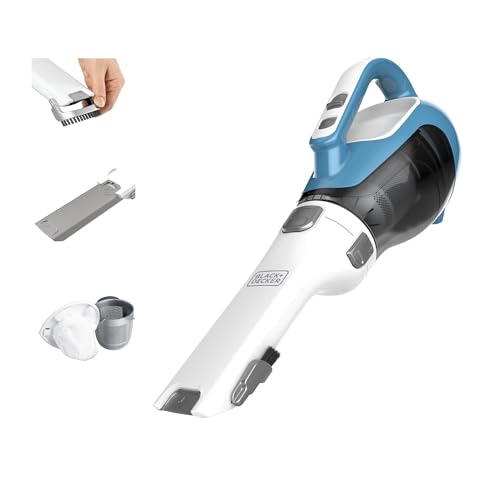
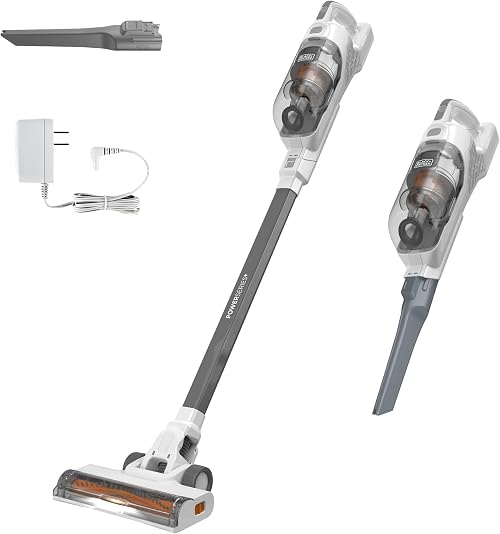
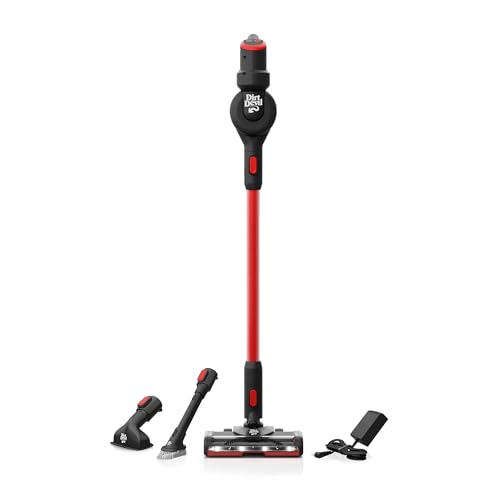
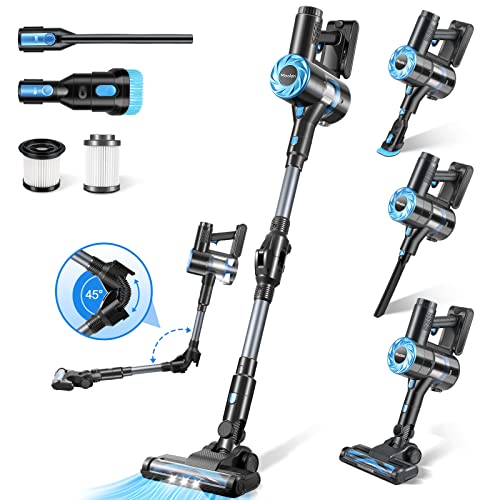
This guide walks through the types you will see for sale, the features that separate a pleasant tool from a frustrating one, and the upkeep that keeps suction strong. The product table below lists real models so you can spot the format that fits your floors before you read the details.





Who Should Buy a Bagless Cordless Vacuum?
Homes That Want to Skip Ongoing Bag Costs
If you vacuum often and dislike buying consumables, a bagless model suits you well. There is nothing to reorder, and the clear bin shows you exactly when a cleaning session is due. The trade is your time: you will empty the cup often and wash filters on a schedule. Readers still weighing the wider category can start with our guide to the best cordless vacuum to see how bagless models sit within the full range.
Pet Owners Who Empty the Bin Constantly
Hair fills a dust cup fast, and with a bagless design you can dump it daily without feeling that you are wasting a partly used bag. That makes frequent short sessions painless, which matters when fur builds up on rugs and furniture. Look for a bin that opens from the bottom so hair slides out instead of sticking. For homes where hair is the main battle, our roundup of the best cordless vacuum for pet hair covers brush designs built for that job.
Small Homes and Apartment Dwellers
In a compact space, one cordless stick stored in a corner can cover every room, and a bagless bin removes the need to store spare bags in a drawer you do not have. Because the floors are close together, a lighter model that you grab for two minute tidy ups often beats a heavy machine with a huge bin.
Bagless Cordless Vacuum Types Compared
Stick Models for Whole Home Cleaning
The stick format is the most common bagless cordless design. A slim body, a long wand, and a floor head let you cover large areas standing up, and most convert to a short handheld unit when you detach the wand. If this shape appeals to you, our guide to the best stick cordless vacuum compares the main variations. Stick bins tend to be mid sized, so plan on emptying once or twice during a deep clean of a larger home.
Convertible Models With a Handheld Mode
Many bagless cordless vacuums lift away from the wand to become a handheld tool for stairs, car seats, and shelves. This saves you from owning a second machine for small messes. Check how the change works: a single button release is far nicer than a design that makes you swap tubes and tools by hand. Shoppers who mainly need the small format can browse our picks for the best handheld cordless vacuum instead.
Models With a Self Emptying Base
A few bagless cordless models dock on a base that pulls dirt out of the bin after each session, cutting down on dust contact and on how often you handle the cup. Read the fine details before paying extra, though. Some bases collect the dirt in a bag inside the dock, which quietly brings back the consumable cost that bagless buyers wanted to avoid. A truly bagless base holds dirt in a larger washable container.
Key Features to Compare
Dust Cup Capacity and Emptying Design
Capacity decides how often you stop mid job to empty the bin, and makers measure it in liters or quarts. A small cup around 0.3 to 0.5 liters suits apartments, while homes with pets often prefer 0.7 liters or more. The emptying method matters as much as the size. Bottom opening bins drop dirt straight down with one press, while slide out designs can scrape compacted dust loose. Also look for a max fill line, since a cup packed past that line chokes airflow and weakens pickup.
Filtration and Washable Filters
Bagless machines rely on cyclones and filters instead of a bag to trap fine dust, so filter quality shapes both suction and the air coming back out. Sealed systems with a HEPA rated final filter keep far more fine particles inside, which matters if dust bothers you. Most bagless models use washable foam or felt filters, and that is a real saving over sealed disposable cartridges. Confirm how many filters the machine has, where each one sits, and whether replacements stay easy to find, since a clogged filter is the most common cause of weak suction.
Battery Life and Swappable Packs
Run time claims usually describe the lowest power setting with a soft tool attached, so expect less on high power with a spinning brush. For most homes, about 30 to 40 minutes of real cleaning per charge covers a full floor. A removable battery adds flexibility: you can swap in a spare and keep going, and you can replace a worn pack years later instead of replacing the whole vacuum. Charging time also counts, since a pack that needs five hours to refill can leave the machine dead when a mess happens.
Suction Modes and Brush Roll Design
Most bagless cordless models offer two or three power levels, and the middle setting does the bulk of daily work on hard floors and low pile rugs. High power is best saved for short bursts on embedded grit. Brush rolls come in soft roller form for hard floors, bristled form for carpet, and comb designs that cut down on hair wrap. Hair wrap matters more in a bagless home than raw power does, because a roll strangled with hair stops agitating the carpet and leaves dirt behind for the airflow to miss.
Weight, Balance, and Storage
On a cordless stick, most of the weight sits in your hand at the top of the wand, so two models with the same total weight can feel very different after ten minutes. Lighter machines around 5 to 6 pounds are easier on stairs and above floor work. Check whether the vacuum stands on its own or must lean against a wall or hang on a dock, since a model that cannot stand alone will get laid on the floor between rooms and can end up underfoot.
Bagless vs Bagged Cordless Vacuums
The bagless design wins on running costs and visibility. You never pay for bags, and the clear cup tells you at a glance when to empty it and whether you sucked up a small lost item worth rescuing. It also avoids the waste of discarded bags.
Bagged models win on clean emptying and filter effort. A sealed bag lifts out with the dust contained, while a bagless cup can puff fine dust back into the air if you empty it carelessly. Bags also act as part of the filtration, so bagged machines often need filter attention less often. If you are still deciding whether cordless itself fits your home before you settle the bag question, our explainer on whether is a cordless vacuum worth it walks through the trade offs of cutting the cord.
Common Mistakes to Avoid
- Choosing the smallest bin to save money, then emptying it three times per room until you stop vacuuming as often.
- Trusting the headline run time, which is measured on low power, and finding high power lasts only a few minutes on thick carpet.
- Ignoring the filter wash schedule, so suction fades slowly and you blame the motor for a maintenance issue.
- Buying a self emptying base without checking whether the base itself needs bags, which defeats the point of going bagless.
- Skipping the weight check, then dreading above floor cleaning because the machine feels heavy at the end of the wand.
- Assuming every bagless model has sealed HEPA filtration, when many budget models vent fine dust back into the room.
How to Care for a Bagless Cordless Vacuum
Empty the dust cup after every full home session, or sooner if dirt reaches the max fill line, and wipe the inside of the cup with a dry cloth when dust starts to cling. Wash rinseable filters about once a month with water only, then let them dry fully for a full day before reinstalling, since a damp filter blocks airflow and can grow a musty smell.
Clear hair and thread from the brush roll every few weeks, and check the wand and floor head passages for clogs whenever pickup dips. Store the battery partly charged if the vacuum will sit unused for weeks, and keep the machine indoors away from heat vents. Done on schedule, this simple routine is the main reason one owner gets many years of service while another replaces a machine early, a pattern we also describe in our article on how long does a cordless vacuum last.
FAQ
Are bagless cordless vacuums good for allergy sensitive homes?
They can be, provided the model has a fully sealed system and a HEPA rated filter, because unsealed bagless models can release fine dust at the exhaust and again at emptying time. If allergies drive your purchase, empty the bin outdoors or into a bag lined trash can, and rinse the cup only after the loose dust is out. Shoppers with severe allergies sometimes still prefer sealed bag designs, since the bag itself adds one more barrier between the dust and the room air.
Do bagless cordless vacuums lose suction as the bin fills?
Yes, gradually, and the effect starts sooner than most people expect. Cyclones need open space inside the cup to spin air properly, so once debris passes the halfway point, fine dust reaches the filter faster and airflow drops. Emptying at the fill line rather than packing the cup to the top keeps performance steady, and it also protects the motor from the extra strain of pulling air through a loaded filter.
How do you empty a bagless dust cup without a dust cloud?
Hold the cup low inside a tall trash bag or a deep bin before you release the lid, so the falling dirt has no room to billow outward. Open the bottom slowly instead of snapping it, and let the contents settle for a few seconds before lifting the cup away. A quick tap on the side of the cup frees compacted dust that would otherwise drop later onto your floor.
Can a bagless cordless vacuum handle both carpet and hardwood?
Most can, but the floor head decides how well. A soft roller head glides on hardwood without scattering crumbs and will not scratch delicate finishes, while a bristled brush digs into carpet pile. Models with one dual purpose head work fine on low pile rugs and hard floors in the same pass. Homes with thick plush carpet should check that the head has height adjustment or strong gate openings, because a sealed down head can push the machine like a snowplow and strain your arm.
How often should you replace the battery in a bagless cordless vacuum?
Most lithium packs hold useful capacity for several years of weekly cleaning before run time shortens enough to notice. You will know replacement time is near when a charge that once covered your whole home now dies one room earlier, even with clean filters. Choosing a model with a removable pack from the start makes this fix cheap and simple. Storing the vacuum on its charger is fine for most modern packs, but unplug it during long vacations to reduce idle heat.
Final Thoughts
The right choice balances bin size, filtration, battery design, and weight against the way your household actually cleans. Pet homes should favor a larger cup and a hair resistant brush, small homes can trade capacity for light handling, and allergy sensitive shoppers should insist on sealed HEPA filtration. Use the product table above to compare formats side by side, and let those criteria guide you to the best bagless cordless vacuum for your floors rather than chasing the biggest numbers on the box.