
Best Bag for Mountain Bike in 2026: Which Type Is Right for You?
Disclosure: We may earn a commission when you buy through links on this page, at no extra cost to you. As an Amazon Associate I earn from qualifying purchases. Learn more

Compare mountain bike bag types by capacity, frame fit, mounting, access, and water protection to match your ride.
Frame bag, seat bag, hip pack, or backpack. Each carries your tools, food, and spare tube in a different place, and the wrong spot can mean sway, leg rub, or a blocked dropper post. Choosing the best bag for mountain bike rides starts with where you want the weight and how much you need to carry.
This guide compares the main types and the fit checks that matter. Use the comparison table below first to match a type to your ride.


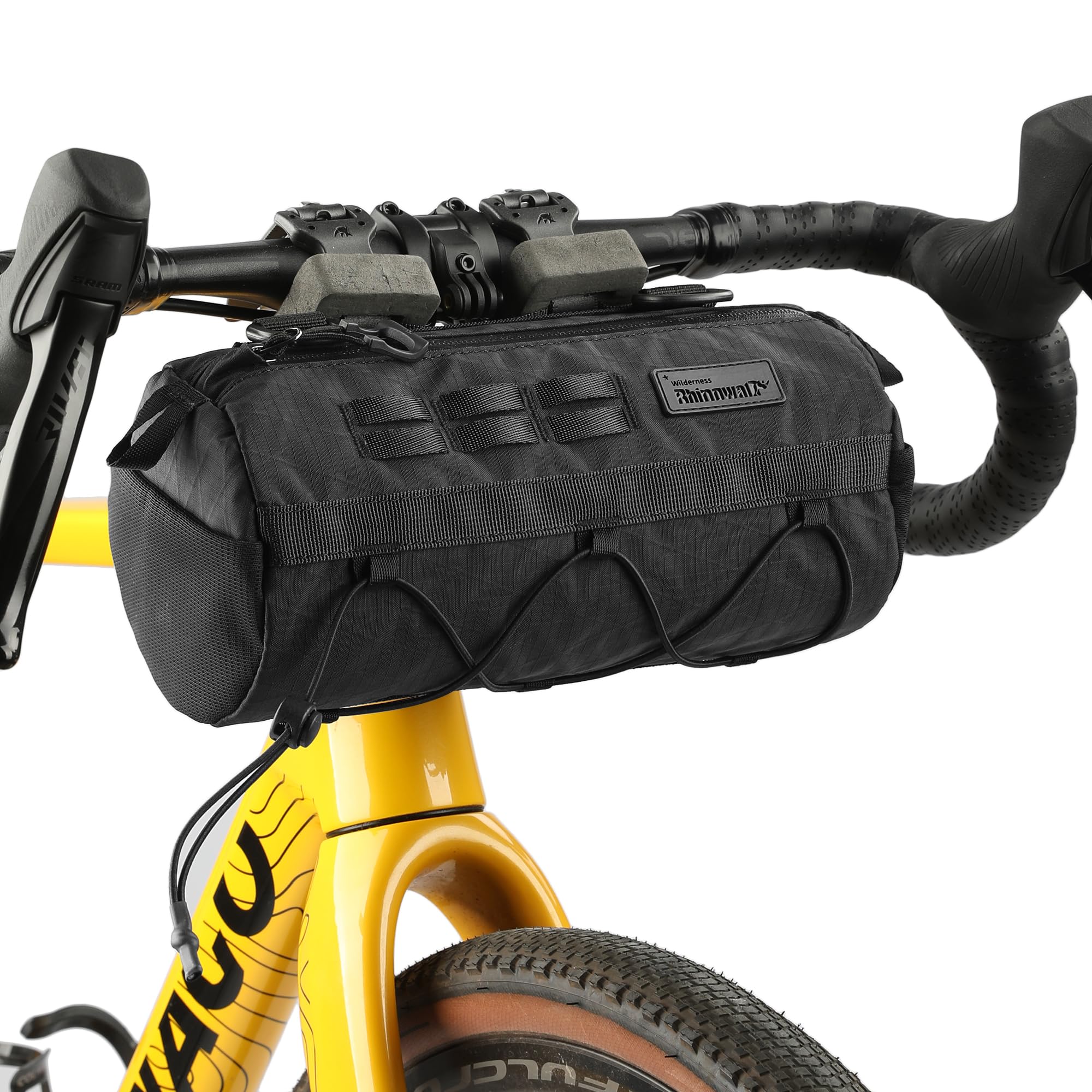
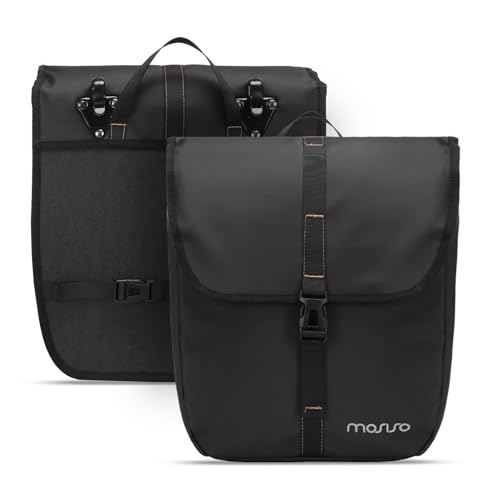
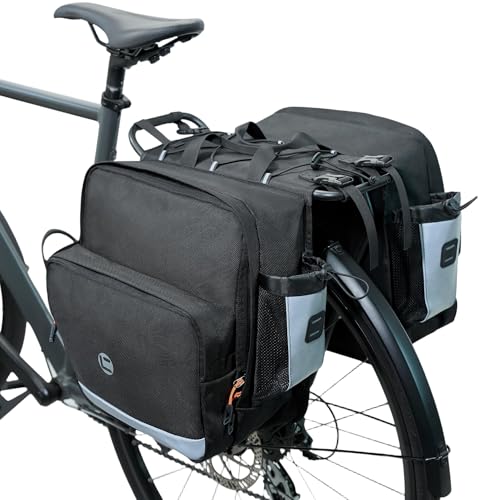
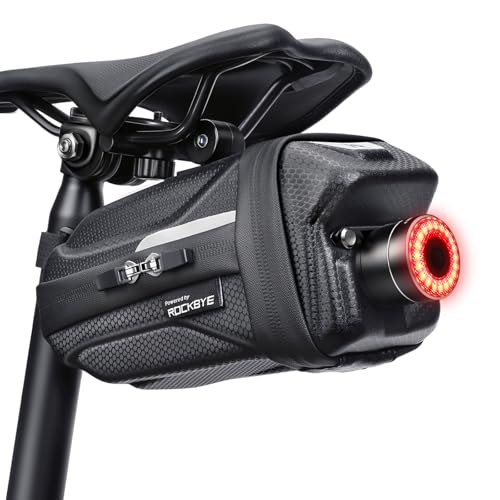
Who Should Buy Which Mountain Bike Bag?
Trail Riders Who Carry Tools and a Spare Tube
If your rides last one to three hours, a compact seat bag or small top tube bag usually covers a tube, tire levers, a multitool, and a mini pump, keeping weight off your back. If you want that compact option, see our guide to the best seat bag for mountain bike for sizes that clear a dropper post. Choose this route when you rarely carry extra clothing.
Riders Planning Long Days in Remote Terrain
Longer rides add food, a light jacket, and more water, and a single small bag runs out of room fast. A frame bag paired with a hip pack spreads that load between bike and waist. If a waist carry sounds right, see our guide to the best mountain bike bum bag for capacity options. This pairing suits riders who need snacks within easy reach.
Bikepackers and Riders Carrying Gear Between Stops
Overnight trips call for the largest on bike capacity, usually a full frame bag, a large seat bag, and a handlebar roll together. For carrying kit to the trailhead, see our guide to the best mountain bike gear bag. Choose this setup when rides last more than a day and resupply is scarce.
Types of Bags Compared for Mountain Bike Rides
Frame Bags and Top Tube Bags
Frame bags sit inside the front triangle and carry heavier items low and central, which keeps handling calm on climbs and descents. Sizes range from partial bags that leave room for two bottles to full bags that hold food and tools. Top tube bags sit behind the stem and suit snacks and a phone. Frame bags cost about $40 to $120, and top tube bags cost about $20 to $50.
Seat Bags and Saddle Bags for Mountain Bikes
Seat bags strap under the saddle and behind the seat post, where the load rarely bothers your legs. Small versions hold repair essentials, while large bikepacking versions carry clothing and sleep items. Check saddle to tire space at full compression first. To compare under saddle options, see our guide to the best mountain bike saddle bag.
Handlebar Bags, Backpacks, and Hip Packs
Handlebar bags and rolls suit light, bulky items such as a jacket, but too much weight there can dull steering. Backpacks carry the most and move with your body over jumps and drops, though they can feel warm on climbs. Hip packs sit lower, hold one or two bottles plus tools and food, and keep your back cooler. Hip packs cost about $30 to $90.
Key Features to Compare
Capacity and What Fits Inside
Capacity is listed in liters, and a packing test tells you more than the number alone. Lay out everything you carry on a normal ride, then add what a colder day would require. A repair kit often fits in about 0.5 to 1.5 liters, while a day kit with food and a jacket needs about 3 to 6 liters across bags. Buy for your regular load plus a little spare room.
Frame Fit, Suspension Clearance, and Dropper Post Space
Fit decides whether a bag works on your bike. Measure the inside length and height of your front triangle before ordering a frame bag, and note bottle cage bolts, cable ports, and shock position. Full suspension frames often have small triangles that rule out a full bag, while hardtail frames accept larger ones. For seat bags, confirm the strap will not clamp the moving part of a dropper post and that the bag clears the rear tire.
Mounting Straps, Bolt Mounts, and Stability on Rough Trails
Most bags attach with hook and loop or buckle straps, and some top tube bags also bolt to frame mounts. Straps should pull the bag snug without twisting, and wide straps spread pressure better than narrow cords. On rough descents a loose bag swings and chafes the frame finish. Look for padding where the bag meets paint, and trim straps so ends cannot flap.
Water Protection, Zippers, and Tough Fabrics
Fabrics range from coated light nylon to fully waterproof laminated materials with sealed seams and roll top closures. Coated fabrics shrug off spray and brief showers, while waterproof builds suit all day rain. Zippers are the weak point, so water resistant zips and storm flaps help. For tools and a phone, a dry pouch inside a resistant bag adds a sensible second layer.
Access While Riding and Pocket Layout
Good access means food is reachable without stopping and tools are findable without emptying the bag. Top tube bags open upward for snacks and a phone, frame bags with two sided pockets split food from tools, and hip packs place bottles at your waist. Small dividers stop a multitool from wearing a hole beside a soft tube. On cold rides, test zipper pulls and buckles with gloves on.
Matching a Bag to Your Ride and Your Frame
Start with your longest regular ride, not your biggest planned adventure, and choose the smallest setup that covers it well. That is the natural way to judge the best bag for mountain bike options against your own riding. Then check the fit points below on your own frame.
- Measure the front triangle and note shock and cable positions.
- Check saddle to tire space with the dropper post down.
- Load the bag at home and move the suspension through travel.
- Ride a short loop and confirm nothing rubs your legs or tires.
Best Bag for a Mountain Bike: Which Type Works Best
Choosing the best bag for a mountain bike setup comes down to three checks. First, the bag must clear your shock, tires, and dropper post through full travel. Second, its capacity should match one clear job, such as repairs only or a full day of food. Third, you should be able to open it with one hand or a quick stop.
Common Mistakes to Avoid
- Buying the largest bag first, because excess space invites extra weight and lets loose items bounce and chafe.
- Clamping a seat bag strap around the moving shaft of a dropper post, because grit under the strap can score the surface.
- Ignoring rear tire clearance at full compression, because a large seat bag can buzz the tire and wear through quickly.
- Overloading a handlebar bag with heavy tools, because weight high at the bar makes steering feel slow on descents.
- Leaving straps untrimmed and loose, because flapping ends can catch on the saddle, your shorts, or brush.
- Packing sharp tools loose beside a spare tube, because vibration rubs pinholes into it.
Care and Maintenance for Mountain Bike Bags
Empty every pocket after muddy rides, since damp grit inside grinds at seams and zippers. Brush dried mud off, then wash by hand in cool water with mild soap. Open all zippers and pockets and let the bag air dry fully out of direct sun. Clear grit from sticky zipper teeth with an old toothbrush rather than forcing the pull.
Inspect straps, buckles, and stitching monthly during heavy use, and check panels that touch the frame for thinning. Store bags unstuffed in a dry place, and refresh a water resistant coating when water stops beading.
Frequently Asked Questions About Mountain Bike Bags
What features matter most in bags for mountain bike trail rides?
Secure mounting, correct frame fit, and honest capacity matter most in bags for mountain bike trail rides. A bag that stays still protects the frame, and a shape matched to your triangle avoids tire and shock contact. One point many buyers miss is strap placement near your knees, since a wide frame bag can brush your legs on every pedal stroke.
How big should a mountain bike bag be for a day ride?
A mountain bike bag setup for a day ride usually needs about 3 to 6 liters in total, split across one or two bags. That covers a repair kit, food, a phone, and a packable jacket for most riders. If your route is remote, reserve space for a compact emergency layer too.
Can a frame bag fit a full suspension mountain bike?
Yes, a frame bag can fit many full suspension mountain bikes, but usually only in a partial size. The rear shock and linkage take up triangle space, so measure the open area rather than relying on frame size alone. Many riders pair a small frame bag with a hip pack to recover lost volume. Also keep straps off the shock body and hoses, since movement can wear both.
Will a seat bag work with a dropper post on a mountain bike?
Yes, a seat bag can work with a dropper post if it attaches at the saddle rails and clears the post collar. Choose a design made for dropper use, keep straps off the moving shaft, and test the full drop before riding. Also bounce the rear wheel at home, since tire movement can close a safe looking gap.
How do I stop a mountain bike bag from swaying on descents?
You stop sway by packing heavy items low and close to the frame, tightening straps evenly, and filling empty space so contents cannot shift. A half empty bag swings more than a full one. If sway persists, move the heaviest item into the frame bag. Recheck strap tension after the first rough section, since new webbing settles.
Final Thoughts
Match the type to your ride length, confirm clearance for your shock, tires, and dropper post, and pick capacity for the load you carry most weeks. Short rides thrive on a small seat bag, while long days suit a frame bag plus hip pack. The best bag for mountain bike choice is the one that stays still and disappears from your mind on the trail. Compare the finalists in the product table above before you order.


