
Best Baffin Boots for Snowmobiling in 2026: The Buyer Checklist
Disclosure: We may earn a commission when you buy through links on this page, at no extra cost to you. As an Amazon Associate I earn from qualifying purchases. Learn more

Compare the best baffin boots for snowmobiling by insulation, liner warmth, waterproof shell, fit with thick socks, traction and cuff height.
Cold feet end a ride faster than almost anything else. A Baffin boot can keep you warm in deep snow and during long stops, but only if insulation, shell, and fit match your conditions. This checklist explains how to judge the best baffin boots for snowmobiling without relying on a temperature number alone, so you can use the comparison table below with clear priorities.
Start with how cold it gets where you ride, how long you stay out, and how much you stand off the sled. Those answers point you toward the right liner thickness, cuff height, and sole stiffness.

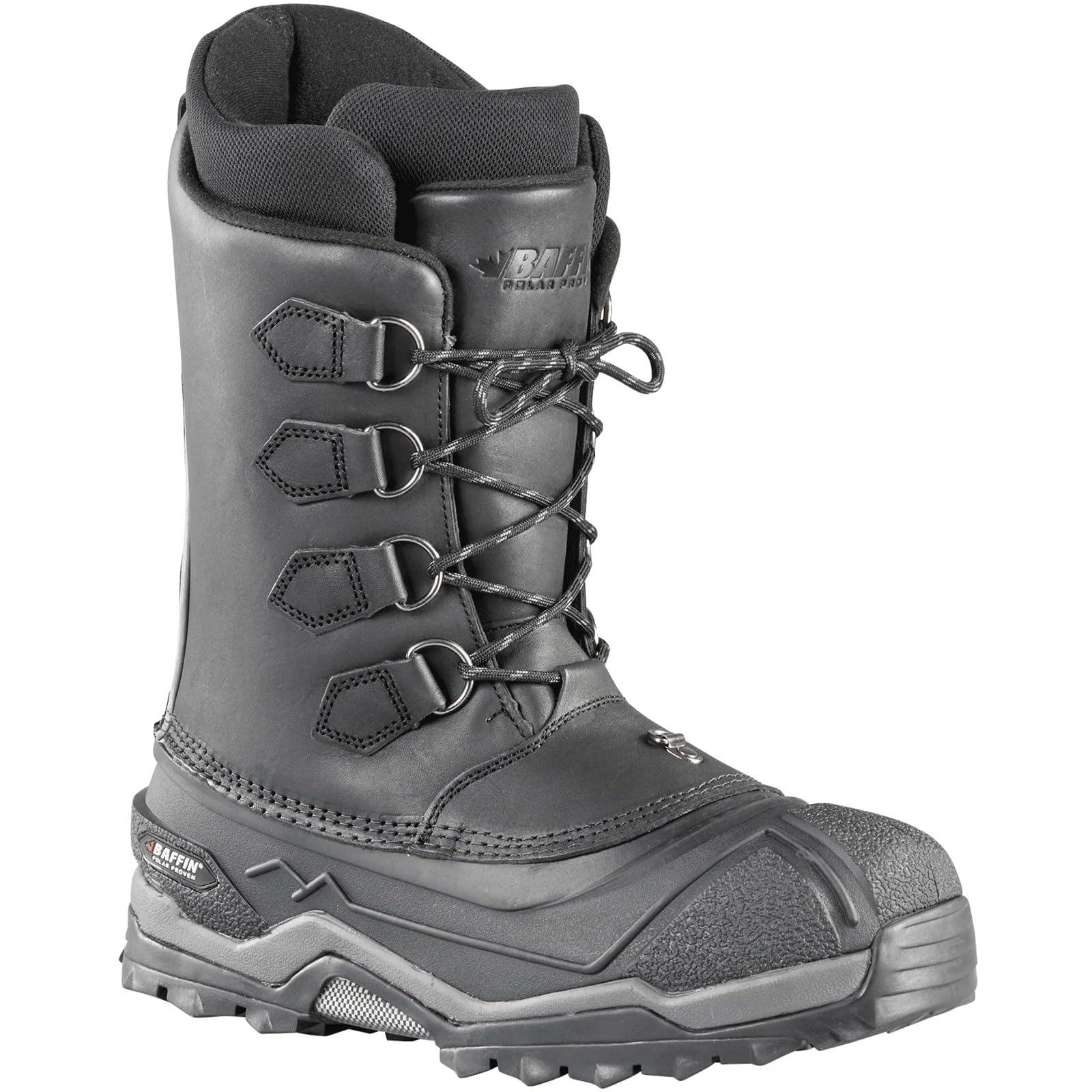


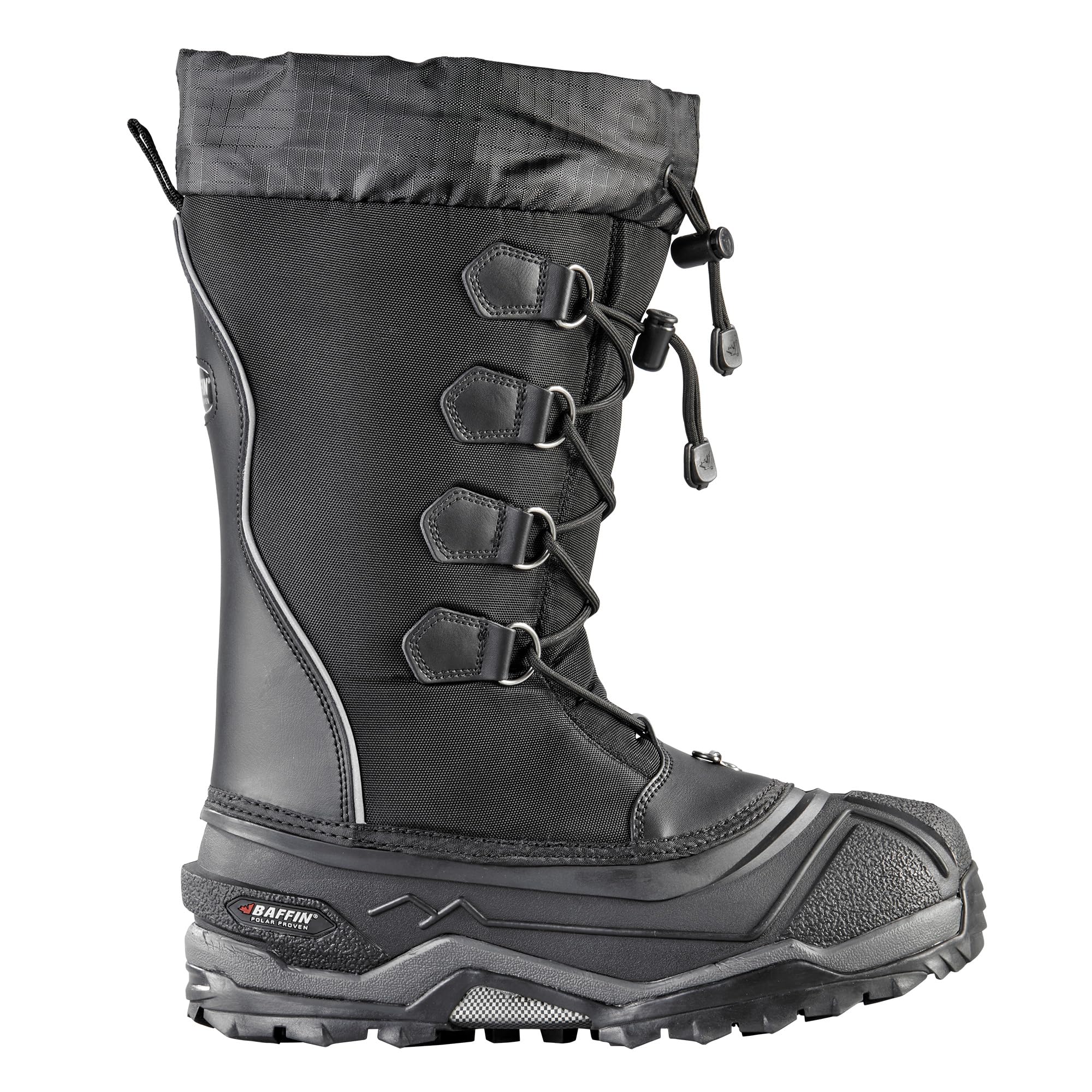

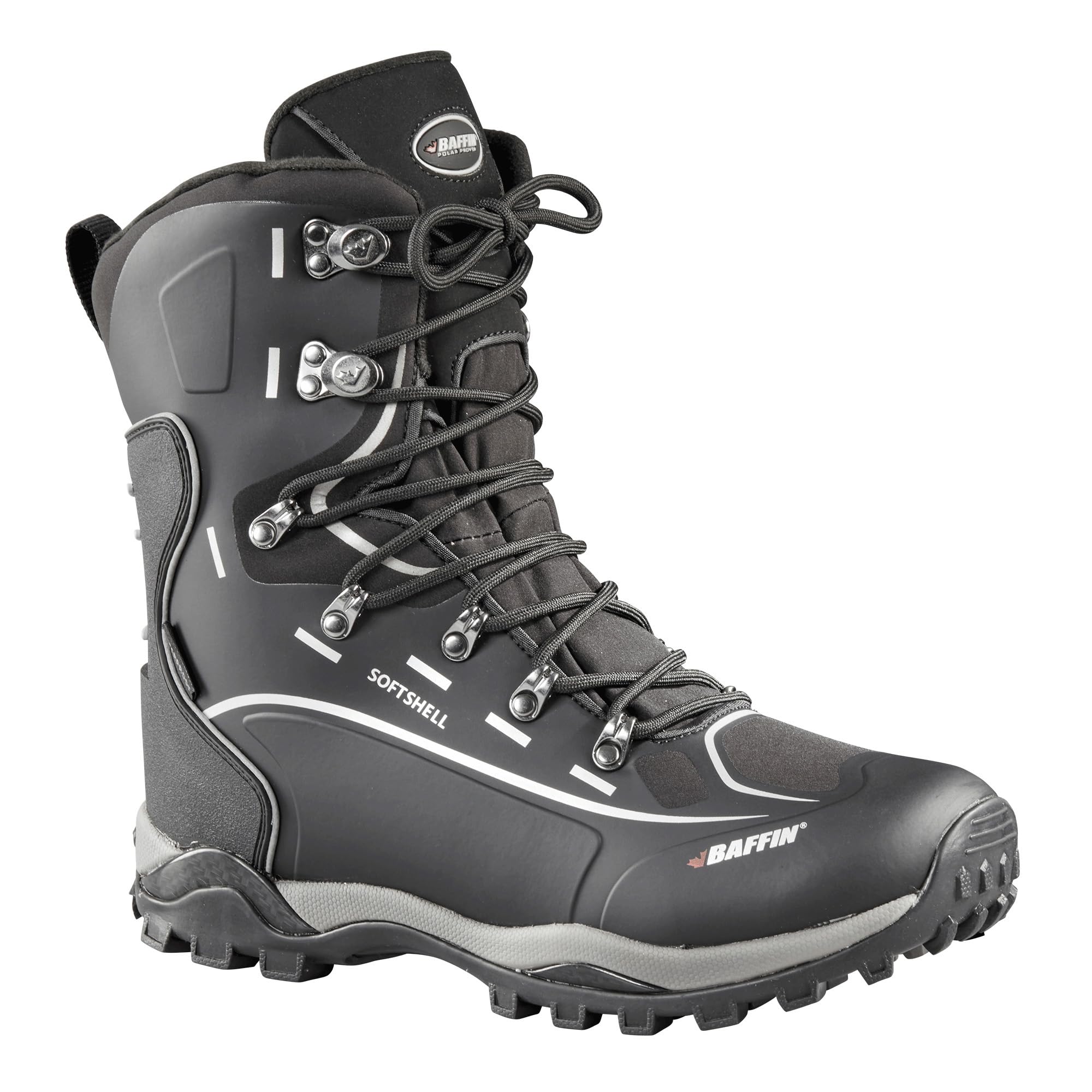


Who Should Buy Which Baffin Boots for Snowmobiling?
Pick by your coldest normal ride, not your mildest one. A boot that feels fine near town may fall short on a dark trail far from a cabin.
Trail Riders Out for Several Hours
You ride steady miles and stop for fuel and food. Choose a mid height boot with strong insulation, a waterproof lower shell, and a sole that flexes enough for short walks. You need warmth while sitting still, because wind at speed cools your feet even when you feel active.
Backcountry and Deep Snow Riders
You step off the sled often, walk around a stuck machine, and push through snow that can reach your shins. Choose a taller cuff, a secure top closure, and a stiff sole with deep lugs. A roomy fit matters here, because tight toes lose warmth fast when you work hard and then stand still.
Guides, Workers, and Riders Out All Day
You may be outside from morning to dark, mixing riding, loading, and standing on packed snow. Choose the warmest liner you can wear without squeezing your feet. If your work keeps you off the sled a lot, compare our guide to the best winter boots for snowmobiling for broader cold weather options.
Key Features to Compare
Compare these factors in order, because warmth fails if any one is wrong. Choosing best baffin boots for snowmobiling means matching insulation to fit, shell, and traction, not chasing the lowest rating on the box.
Insulation and Temperature Rating
Temperature ratings give a starting point, not a promise. Your warmth also depends on blood flow, socks, activity, and how long you sit still. A thicker liner usually helps during long, still rides, while a lighter liner can feel better if you move a lot and sweat. If your feet feel cold at rest, choose more insulation rather than a tighter boot.
Removable Liner and Moisture Control
Many Baffin snowmobile boots use a removable multi layer liner that traps warm air and can be taken out to dry. That matters because sweat from a hard pull can chill your feet later. A liner should feel snug without pressing your toes flat. Pulling it out at night speeds drying. If it packs down after a season, warmth drops even if the shell looks sound.
Waterproof Shell and Snow Protection
Look at the lower boot first. A molded waterproof shell sheds slush and keeps melt water out at fuel stops, while stitched fabric uppers need more care. Sealed seams and a tall cuff with a drawcord or strap help keep loose snow out at the top. A membrane name alone tells you little, so judge the full build and waterproof height.
Fit, Sizing, and Toe Box Room
Try boots late in the day, when your feet are at their largest, wearing the thick socks you will ride in. Your toes should wiggle and lie flat, with no hard pressure at the front when you press down as if on a footboard. Many riders go up a size from street shoes to leave air around the toes, because that air helps insulation work. If your heel lifts a lot or your toes jam forward, try another size.
Traction and Sole Stiffness on Footboards
Deep lugs and a firm edge help you grip ice, packed trails, and sled footboards, while some flex makes walking less tiring. A very soft sole can feel vague when you stand and shift weight, and a smooth sole can slip on ice. Look for clear tread edges and space between lugs, so snow clears instead of packing flat.
Weight, Height, and Ease of Putting On
Warmer boots tend to be taller and heavier, and that bulk affects how easily you move on the sled. Check that the shaft fits with your riding pants, and that straps or laces can be handled with gloves on. A boot you can close securely in cold wind is safer than one with small parts you must work bare handed. For groomed trails, a lighter boot may suit you better.
Baffin Boot Types Compared for Snowmobiling
Baffin boots for snowmobiling fall into three broad types. Tall extreme cold boots offer the most insulation and snow coverage for still rides in severe cold, but they feel bulky for frequent walking. Mid height insulated boots balance warmth, weight, and walking comfort for most trail riders. Shorter pac style boots feel easier around town, yet they let deep snow in more easily and usually carry less insulation. Choose by your deepest snow and longest stop, not by looks.
Women who need a narrower fit should also see our guide to the best women's boots for snowmobiling, because a scaled down mens boot does not always match heel width or calf shape. Riders comparing other tall snow styles can also see our guide to the best snow boots for snowmobiling.
Quick Buyer Checklist for Baffin Snowmobile Boots
Before you order, answer each question for your coldest ride.
- Can you wiggle your toes freely while wearing your thickest riding socks?
- Does the waterproof shell rise above the deepest slush you step through?
- Can you remove the liner fully so it can dry overnight?
- Does the top closure seal well enough to keep loose snow out?
- Do the lugs feel firm and edged for ice, packed snow, and footboards?
- Can you open and close every strap, buckle, or lace while wearing gloves?
- Does the shaft height match the snow depth where you most often stop?
Common Mistakes to Avoid
These errors can leave you cold or unstable.
- Buying your street shoe size with thick socks leaves no air around your toes and makes your feet feel colder.
- Trusting a temperature rating alone ignores wind, sweat, and long still periods, so the boot may fall short in real use.
- Choosing a low cuff for deep snow lets snow slide in at the top and melt against your socks.
- Wearing cotton socks holds sweat against your skin and leaves your feet damp and cold on the ride home.
- Picking a smooth fashion sole gives you poor grip on ice and on metal footboards when you stand to shift weight.
- Drying boots beside a hot stove or heater can crack the shell and warp the liner, shortening the life of the boot.
How to Make Your Baffin Boots Last Longer
After each ride, pull the liners out and let liners and shells air dry at room temperature, away from direct heat. Brush off salt and grit once dry, because grit wears parts down. If the shells are muddy, wipe them with a damp cloth, then dry them fully.
Store the boots upright in a cool, dry place with liners loosely inside, so air can move. Check laces, straps, buckles, and the sole edge before the season and again mid season. Replace a liner that has packed flat, because thin insulation cannot protect you even when the outer boot looks fine. If your toes stay numb, or skin stays pale or painful after warming up indoors, seek medical care promptly and talk with a clinician about cold injury before riding again.
FAQ
How should Baffin boots for snowmobiling fit with thick socks?
Baffin boots for snowmobiling should fit snug at the heel with clear space around the toes in thick riding socks. Stand and press your weight forward, as you would on a footboard. Your toes should not strike the front. As an extra check, remove the liner and stand on it. Your foot should stay inside its outline with a small margin at the toes.
How long is the break in period for Baffin snowmobile boots?
Most Baffin snowmobile boots feel close to their final fit within a few short wears, because the soft liner molds more than a stiff leather upper does. Wear a new pair indoors and on a short ride first. If a pressure spot grows worse after two or three outings, the size or shape is likely wrong rather than a matter of patience.
Can I wear Baffin boots for snowmobiling all day?
Yes, you can wear Baffin boots for snowmobiling all day if the fit leaves toe room and you manage moisture during stops. Open the top closure indoors so damp air can escape, and change into dry socks at a long lunch stop if your feet feel damp. That reset often matters more than adding a second sock layer, which can squeeze your toes.
Are expensive Baffin boots for snowmobiling worth the extra cost?
Expensive Baffin boots for snowmobiling are worth it when the cost buys a warmer removable liner, a taller waterproof shell, and a sole you trust on ice. They are harder to justify for short, mild rides near home, where a mid range insulated boot may stay comfortable. Compare cost against how often you ride in severe cold.
Do I need waterproof Baffin boots for snowmobiling on groomed trails?
Yes, waterproof lower shells still help on groomed trails, because you step in slush at fuel stops, crossings, and parking areas even when the trail looks dry. A groomed route can also turn wet on a warm afternoon. If you only ride in very cold, dry snow, upper water resistance matters less, but the sealed lower section remains a sensible safeguard.
Wrapping Up
Put fit and liner warmth first, then check shell height, cuff sealing, and grip on ice and footboards. Use the product table above to compare those points before you look at price, which often runs about $150 to $300 depending on insulation and height.
When those basics are right, best baffin boots for snowmobiling become a practical choice for your coldest ride. Pick the boot that keeps your toes free, dry, and warm at your longest stop.


