
Best Backpacking Saws 2026: Lightweight Trail Buying Guide
Disclosure: We may earn a commission when you buy through links on this page, at no extra cost to you. As an Amazon Associate I earn from qualifying purchases. Learn more

Pick a backpacking saw that earns its pack weight: folding design and locking, blade length, tooth style, trail safety, and care tips explained for hikers.
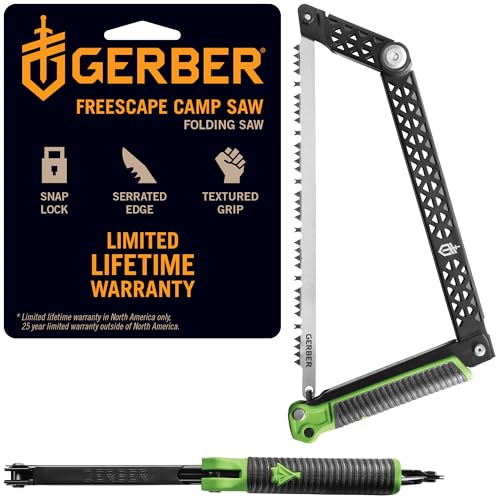
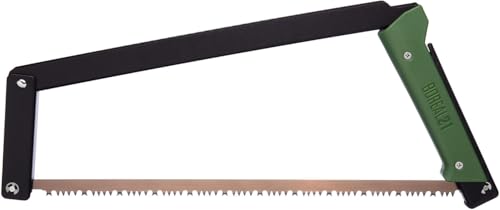
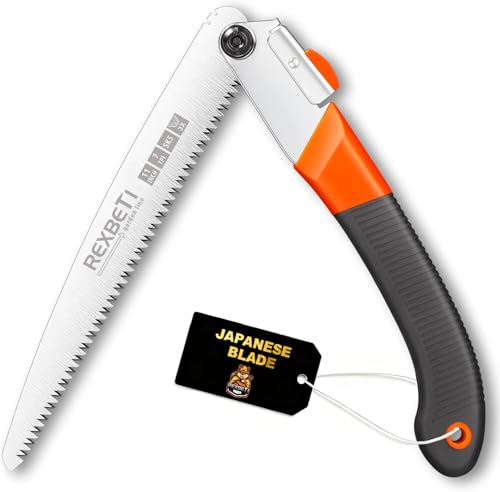
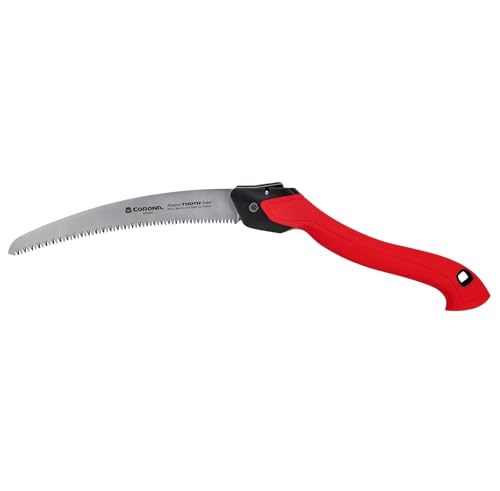
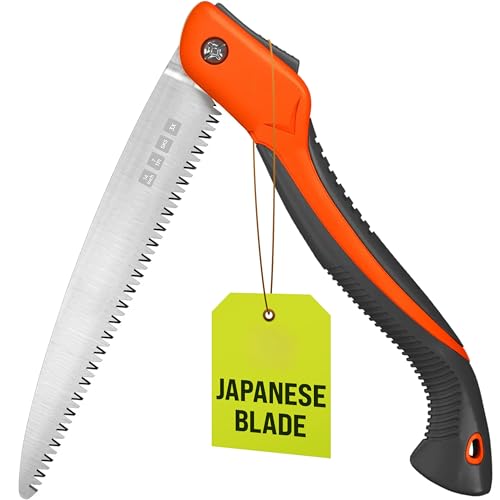
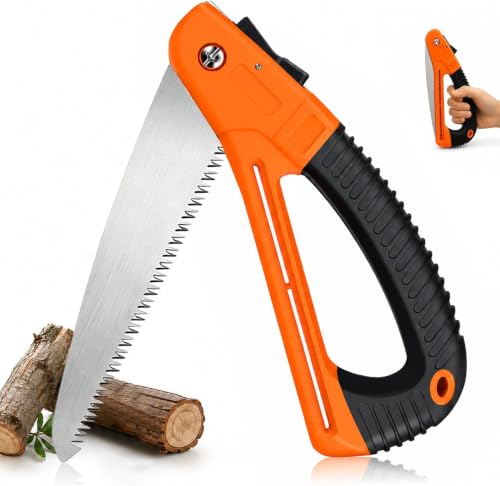
When every gram counts, best backpacking saws earn their place by cutting firewood and clearing trail obstacles with little weight or bulk. The table of picks below sets out the main designs, and this guide explains how blade length, tooth pattern, and locking design affect real trail work.
A backpacking saw is not a workshop saw shrunk down. It must fold safely, survive dust and rain in a pack, and cut efficiently when you are tired and cold. Judge each design by those trail demands, not by workshop power, and you will choose a tool that actually gets used.





Who Should Carry a Trail Saw
A trail saw suits hikers, campers, and bushcrafters who process firewood or clear small fallen branches. It cuts faster and more safely than a large knife for wood over wrist thickness, and it weighs far less than an axe for the same work. It also suits trail volunteers who clear light blowdown without carrying heavy tools.
It is less suited to car campers with no weight limit, who can carry a larger bow saw or axe, or to ultralight hikers who never make fires. If your trips never need wood processing, a saw is dead weight. Carry one only when firewood, shelter building, or trail clearing is a real part of your trips.
- Backpackers who cook over a fire and process wrist thick wood
- Campers building simple shelters and camp furniture
- Trail volunteers clearing light branches on foot
Key Features That Matter on the Trail
Folding Design and Locking
A folding saw protects the blade in your pack and protects your hands and gear from teeth. The lock must hold firmly during cutting and release only with a deliberate action, since a collapsing blade mid stroke is dangerous. Test the lock feel if you can, and favour a simple mechanism that works with cold or gloved hands.
Handle shape matters as much as the lock. A handle that fills the hand without hot spots lets you cut longer without blisters, while a slim handle suits small hands and light packs. Look for a grip that stays secure when wet, since rain and sweat are normal on trail work.
Blade Length and Tooth Pattern
Blade length decides what wood you can cut comfortably. A blade around 150 to 200 millimetres handles most camp firewood, while a longer blade cuts thicker logs but adds weight and pack length. Match blade length to the largest wood you normally process, not the largest log you can imagine.
Tooth pattern decides cutting speed and finish. Coarse teeth cut green wood quickly, while finer teeth give cleaner cuts in dry wood. Many trail saws use aggressive teeth that clear chips well, which helps when cutting damp wood. A blade that clogs in green wood will frustrate you far more than a slightly slower blade.
Weight, Packability, and Durability
Weigh the saw with its sheath or case, since that is what you carry. A saw that saves 50 grams but needs a separate sheath may weigh the same in practice. Pack length matters too: a saw must fit inside your pack or strap securely outside without snagging branches.
Blade steel should hold an edge through a trip and resist rust after rain. Stainless or coated blades suit wet climates, while carbon blades may cut well but need drying and oiling. Check whether replacement blades are available, since a saw with no spares becomes waste after one damaged blade.
Types Compared
Trail saws come in folding, bow, and wire forms, and each suits different pack styles. The table below compares them for backpackers.
| Type | Suits | Watch Out For |
| Folding saw | Regular camp firewood | Heavier than wire saws |
| Bow saw | Larger logs at base camp | Awkward to pack |
| Wire saw | Emergency kit backup | Slow, can snap under load |
Folding saws are the most popular because they pack safely and cut well. Bow saws cut larger wood but pack awkwardly. Wire saws are tiny and light but cut slowly and can break under hard use, so they suit emergency kits more than regular firewood work.
Using a Trail Saw Safely
Cut with the wood supported and your body clear of the blade path. Brace the log against a stump or rock, and keep your free hand well away from the cut. Short, steady strokes with light pressure cut faster than forcing the blade, which only dulls teeth and risks slipping.
Wear gloves if you have them, and keep the work area clear of tripping hazards. Never cut above shoulder height or cut wood under tension without care, since a released branch can spring. When you finish, clean the blade, dry it, and fold it locked before it goes back in the pack.
Care and Common Mistakes
Clean sap and dirt from teeth after use, since buildup slows cutting and traps moisture that rusts the blade. Dry the saw before packing, and oil the blade lightly if the maker suggests it. Store the saw locked and away from tent fabric, since exposed teeth can cut gear even through a pack pocket.
A common mistake is buying the longest blade for bragging rights, then leaving the saw behind because it packs badly. Another mistake is using a trail saw for jobs it cannot do, such as cutting thick hardwood logs that need a larger tool. Match the saw to real camp work, and it will stay in your pack trip after trip.
Frequently Asked Questions
What size backpacking saw should I carry?
A blade around 150 to 200 millimetres suits most camp firewood and packs well, while longer blades suit larger logs but add weight. Choose by the thickest wood you normally cut, not by the largest log you might meet once. A saw that packs easily is one you will actually carry, which matters more than extra cutting capacity.
Are folding saws safe in a backpack?
Yes, when the blade locks closed and the saw sits away from tent fabric and food bags. A locked folding saw covers its teeth, which protects both gear and hands when reaching into the pack. Check the lock before packing and after rough travel, since a loose lock can let teeth contact gear.
Can a backpacking saw replace an axe?
For firewood up to wrist thickness, a saw is often faster and safer than an axe, and it weighs less for the same work. An axe still wins for splitting large logs and for heavy shelter work. Many backpackers carry a saw alone for firewood, and add an axe only when splitting or larger construction is planned.
How do I keep a trail saw sharp?
Trail saws usually use impulse hardened teeth that cannot be sharpened easily, so care means cleaning teeth and replacing the blade when it dulls. Avoid cutting dirty wood, rocks, and soil, since grit dulls teeth quickly. Carry a spare blade on long trips if replacement blades are available for your model.
Do I need a saw for a short overnight hike?
Only if you plan a fire or shelter work that needs cut wood, since a saw adds weight that a short trip may not justify. For a simple overnight with a stove, leave the saw behind and save pack space. Bring it when firewood processing or trail clearing is part of the plan, not as a default item.
Should I carry a saw sheath as well as a folding saw?
A folding saw usually needs no separate sheath, since the closed blade is protected by the handle itself. A sheath helps only for non folding saws or for saws whose locks feel insecure. Keep the folding mechanism clean and check the lock before packing, and the saw will travel safely without extra bulk.
Final Thoughts
The best trail saw is the one you carry, use, and maintain without fuss. Compare the picks in the table above against your pack size and your normal firewood, and favour a secure lock and a blade length you will actually use.
Choose for real trips, not imagined ones, and the saw will earn its weight. Careful best backpacking saws research usually ends with a compact folder that still feels sharp after many nights out.


