Best Backpacking Boots Men's: A First Time Buyer's Guide for 2026
Disclosure: We may earn a commission when you buy through links on this page, at no extra cost to you. As an Amazon Associate I earn from qualifying purchases. Learn more

Shopping for the best backpacking boots men's for the first time? Learn the terms, compare options, and avoid rookie mistakes with this easy guide.
Buying your first pair of backpacking boots can feel confusing, because every product page throws around terms like toe box, outsole, and heel to toe drop. Finding the best backpacking boots men's for your feet gets much easier once you know what those terms mean and which numbers suit a new hiker.
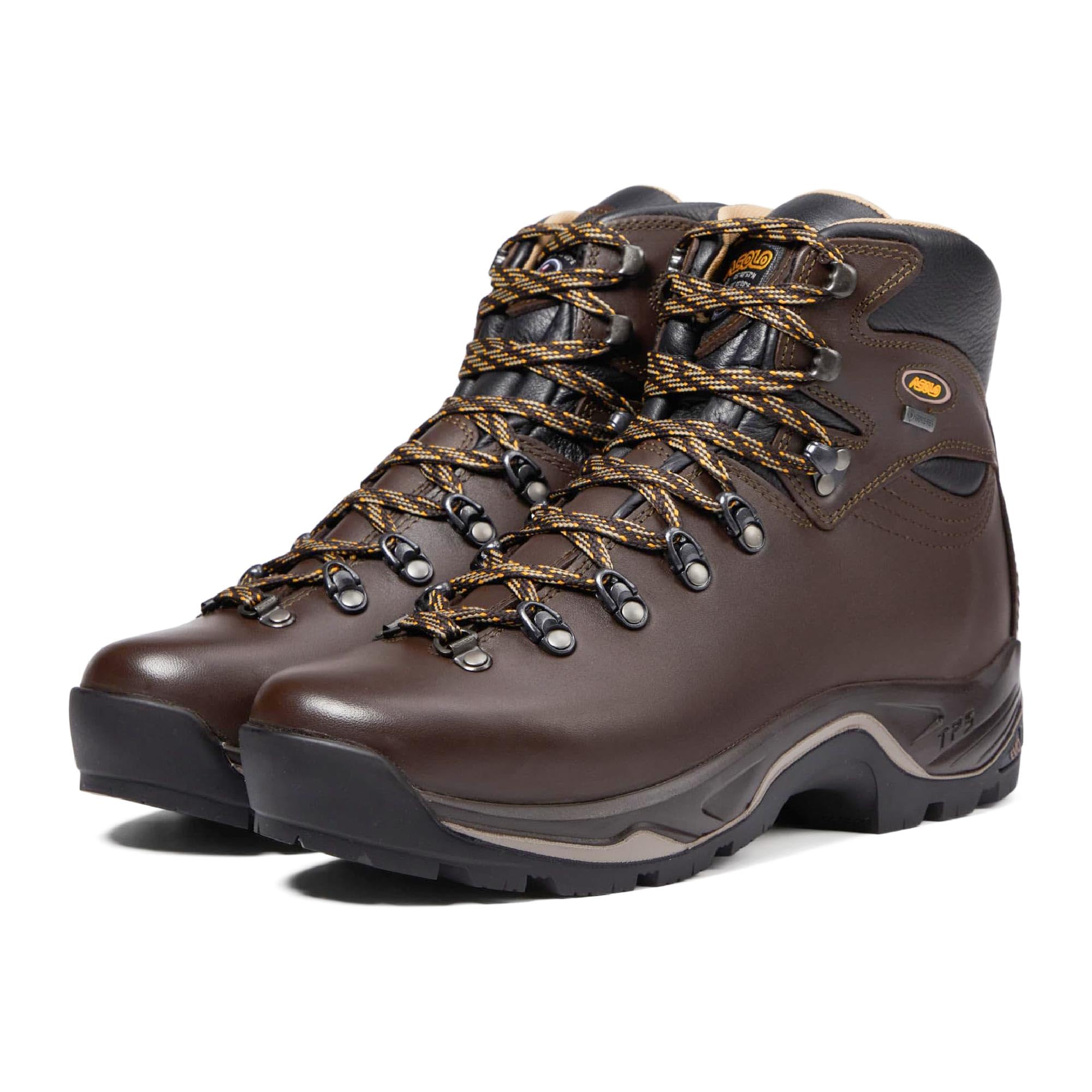
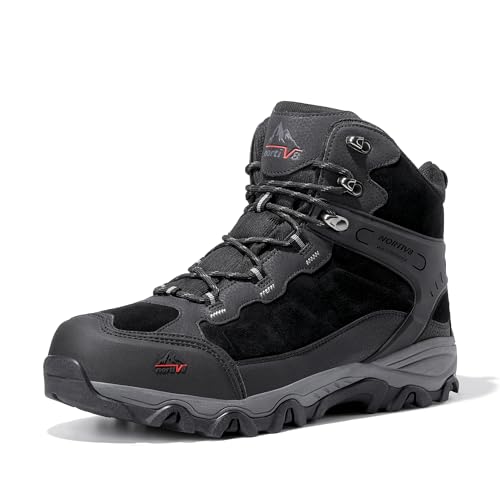
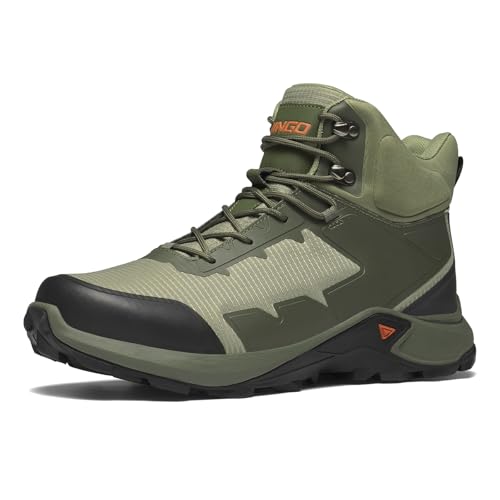
This guide starts with the basics, then explains each key spec in plain English, then shows you the mistakes to avoid. The comparison table below gives you a quick overview, and the sections after it help you judge fit and value with confidence.




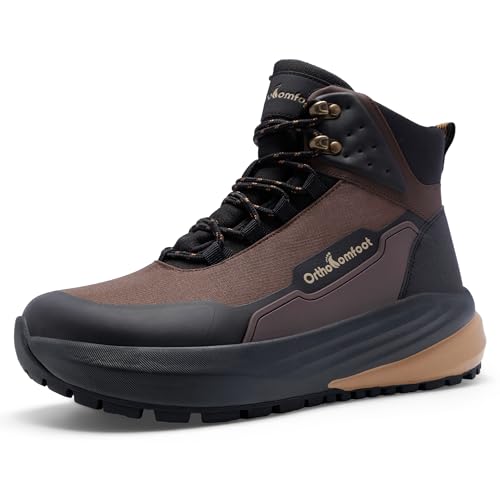
Backpacking Boots 101: The Basics
A backpacking boot is a sturdy shoe built to carry you and a loaded pack over rough ground for several days. It rises higher around the ankle than a hiking shoe, uses a stiffer sole, and grips wet rock and mud with deep lugs. That structure protects your ankles on uneven trails and spreads the pressure of a heavy pack across your whole foot.
Three terms cover most of what you will read. The upper is everything above the sole, usually leather, mesh, or a mix of both. The midsole is the cushioning layer that softens each step, and the outsole is the rubber bottom that provides grip. Cushioning and stability work together: cushioning absorbs impact, while a stable build keeps your foot from rolling when the trail tilts.
Backpacking boots differ from day hiking shoes in one key way: they assume extra weight on your back. If your pack weighs more than about 20 lb, the added support stops being a luxury and starts preventing sore arches and tired knees at the end of a long day.
Key Specs Explained in Plain English
What Men Should Look For
Men tend to carry heavier packs and have wider heels and longer feet on average, so fit and support matter more than style. Prioritize a boot that locks your heel in place while leaving room at the toes, because heel slip causes blisters and toe crowding causes black toenails on descents. Weight matters too: a pair around 2.5 to 3.5 lb suits most three season trips. If you hike in cold or very wet country, step up to a heavier insulated or fully leather option and accept the extra weight as the price of warmth and durability.
Fit, Sizing, and Toe Box
Try boots late in the afternoon, when your feet are slightly swollen from the day, and wear the socks you will hike in. Your toes should wiggle freely, and you want about a thumb width of space in front of your longest toe. Kick a wall or walk down a slope in the store: your toes should not slam the front of the boot. The toe box is the room around your toes, and a wider box suits men with broad feet or anyone who hikes long descents. If one foot is larger, fit that foot and use a thicker sock or an insole on the smaller one.
Break In Period and Comfort Out of the Box
Most modern backpacking boots need a short break in period, not the months of pain older leather boots demanded. Wear new boots around the house for a few evenings, then on short walks, then on a day hike before any overnight trip. Aim for about 10 to 20 miles of gradual use. Small hot spots are normal early on, but sharp pain, numbness, or heel blisters that return every walk mean the fit is wrong, not that you need more patience. A boot that feels good in the store and stays comfortable across those first walks is usually the right shape for your foot.
Upper Materials and Breathability
Full grain leather uppers last the longest and resist scrapes from rock, but they weigh more and dry slowly. Split leather mixed with mesh or other synthetic panels cuts weight and improves airflow, which keeps feet cooler in summer. A breathable upper matters because sweat soaked feet blister more easily and feel colder at camp. Think about your climate first: hot and dry trails favor mesh panels, while cool and rocky routes favor more leather. Knit style uppers appear on lighter boots, but for true backpacking loads a structured upper holds the foot far better over long miles.
Waterproofing (Gore Tex and Membranes)
A waterproof membrane such as Gore Tex keeps rain and puddle water out, which helps in spring mud, snowmelt crossings, and wet grass. The trade off is airflow: waterproof boots run warmer and dry much more slowly once water gets in over the top. In hot and dry regions, many experienced hikers choose a non waterproof boot that dries overnight instead. If you expect stream crossings above the ankle, no low membrane will save you, so plan gaiters or accept wet feet and carry dry camp socks. For most first time buyers in mixed climates, a waterproof boot is still the safer default.
For a broader look at trail footwear categories, see our guide to the best backpacking boots, which covers how boot height and stiffness change with trip length.
Rookie Mistakes to Avoid
- Buying your street shoe size without checking. Feet swell on long hikes, so size for the end of the day, not the start.
- Skipping the break in period. A brand new boot on a 15 mile day is the fastest route to blisters.
- Choosing by looks alone. A boot that matches your style but pinches your toes will ruin a trip by day two. Shoppers tempted by appearance first may also enjoy our guide to the best quality men's boots for build quality checks that apply on and off the trail.
- Ignoring your pack weight. Light boots feel great with a daypack and punish your feet under a full backpacking load.
- Wearing thin cotton socks. Cotton holds sweat against the skin. Wool or synthetic hiking socks manage moisture far better.
Getting Started: Setup and First Use
Start by lacing with a heel lock technique: use the top extra eyelet to form a small loop on each side, pass the laces through, and pull down rather than up. This holds your heel in the pocket of the boot and reduces toe bang on descents. Wear the boots indoors first to confirm there are no pressure points, then build distance gradually as described above.
After each trip, pull out the insoles and air dry wet boots away from direct heat, which can crack leather and melt glue. Stuffing them loosely with newspaper speeds drying on multi day trips at home. Brush off dried mud before storage so grit does not grind into seams. With simple care like this, the outsole and upper stay in good shape for years, and you replace boots based on worn tread and tired cushioning rather than damage.
If your trips are mostly short and on smooth paths, you may not need a full boot at all. Our guide to the best men's walking boots explains where lighter footwear takes over.
Backpacking Boots: Your Questions Answered
What makes backpacking boots for men different?
Backpacking boots for men use lasts shaped for longer and often wider feet, with stiffer soles built for heavier pack loads. The ankle collar sits higher for support on uneven ground, and the fit allows thicker hiking socks. Compared with women specific models, the heel is usually a little wider and the overall volume greater, which is why trying your usual size in person matters.
How should backpacking boots fit?
They should feel snug at the heel and midfoot, with clear space at the toes. Your heel should not lift more than a small amount when you walk, and your toes should never press the front on a downhill slope. Fit them in the afternoon with hiking socks on. If you are between sizes, most men do better going up half a size for backpacking, because swollen feet need the extra room late in a long day.
Are expensive backpacking boots worth it?
They can be, mainly through better materials and longer life rather than extra comfort on day one. Boots around $180 to $280 often use tougher leather, grippier outsoles, and construction that a cobbler can repair. Budget pairs around $100 to $160 suit occasional trips well. Pay for durability if you hike often; save the money if you go twice a year, and put the difference toward good socks and a proper pack fitting.
Can I wear them all day?
Yes, once they are broken in, backpacking boots are built for all day wear on the trail. Around town they can feel stiff and warm, which is normal for a supportive boot. If your feet ache badly after a few hours even on flat ground, the shape or size is likely wrong. Rotate to lighter shoes on rest days at home so your feet get varied movement and the boots get time to dry fully between outings.
How often should I replace my backpacking boots?
Replace them when the tread lugs are worn smooth, the midsole feels flat and harsh, or the upper cracks at the flex points. For many hikers that arrives after about 500 to 800 miles, though rocky terrain shortens the life of the outsole. A useful field check is pressing your thumb into the midsole: if it feels hard with no give, the cushioning is done even if the boot still looks fine from the outside.
Do I need waterproof shoes?
You need waterproof boots if you hike in rain, mud, or snowmelt for much of the year. In dry summer conditions, a breathable non waterproof boot often feels better and dries faster after a stream crossing. Think about your wettest expected trip, not your average one. One more practical point: waterproof membranes slowly lose performance as dirt builds up, so cleaning the upper and renewing its water repellent finish each season keeps the system working as intended.
Our Verdict
Fit comes first, support for your pack weight comes second, and waterproofing comes third. Try boots late in the day, break them in gradually, and match stiffness to the loads you actually carry. With those basics right, the best backpacking boots men's choice for you becomes a short list rather than a gamble. Scan the product table above again with your size, sock, and trip notes in hand, and you will spot the right profile quickly.