
Best Backpacking Blankets 2026: A Practical Guide
Disclosure: We may earn a commission when you buy through links on this page, at no extra cost to you. As an Amazon Associate I earn from qualifying purchases. Learn more

Choose the best backpacking blankets by insulation, packed weight, size and shell fabric, with tips for using one at camp, in a hammock or over a sleeping bag.
A backpacking blanket is a packable layer for camp: you can wrap it around your shoulders at dinner, spread it over a sleeping bag for extra warmth or lay it across a hammock or the ground. The best backpacking blankets pack small, give real warmth for their weight and shrug off damp ground and light rain. This guide explains insulation, size, shell fabric and packing so you can pick one that earns its place in your pack.
Think about when you will use it. A camp blanket that handles chilly evenings is a different tool from one meant to extend a summer sleeping bag, and the choices below sort out the difference.

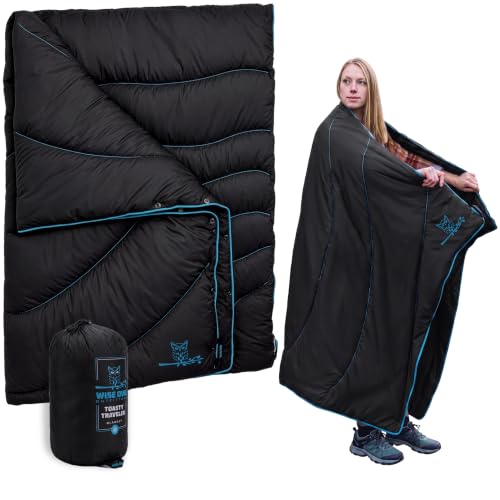

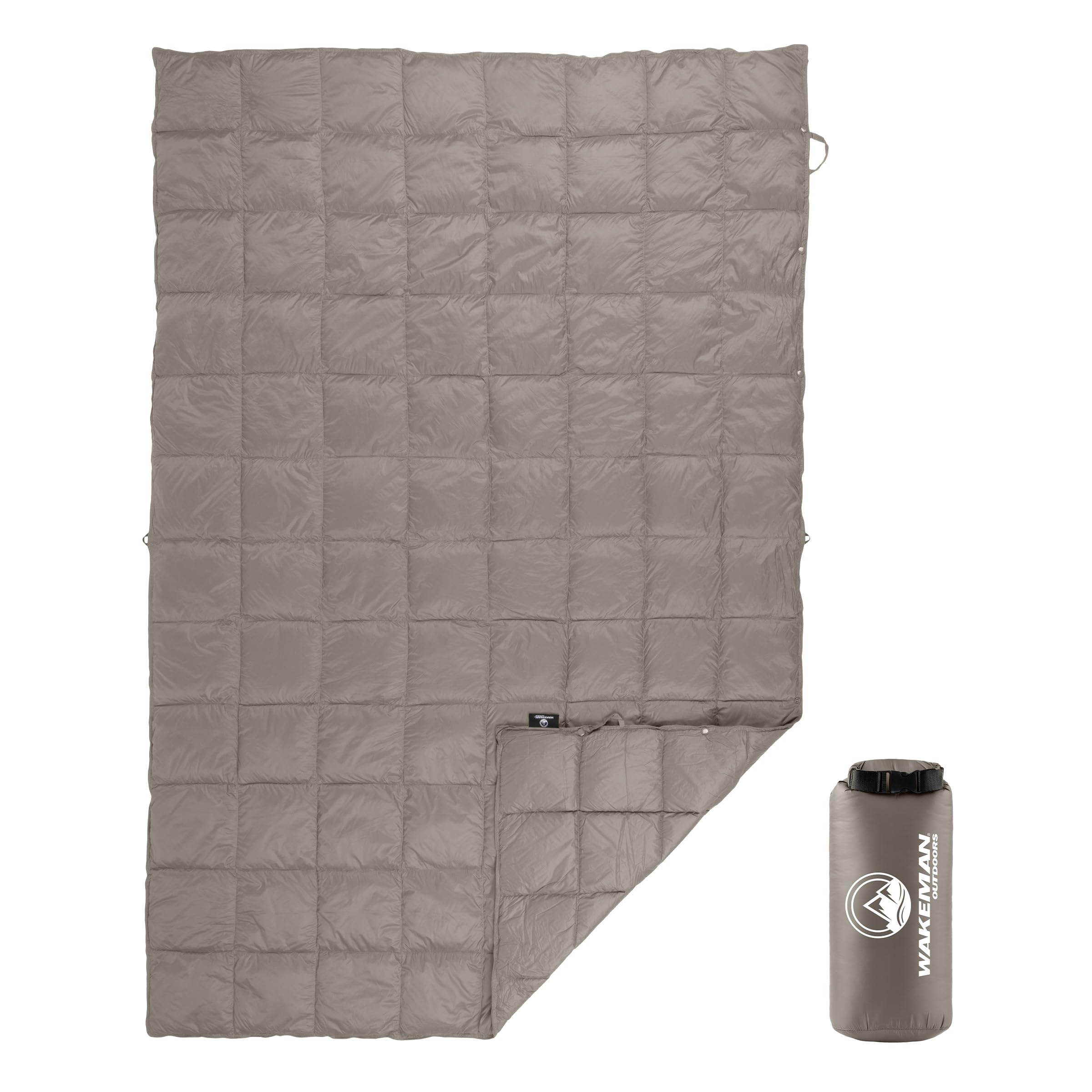

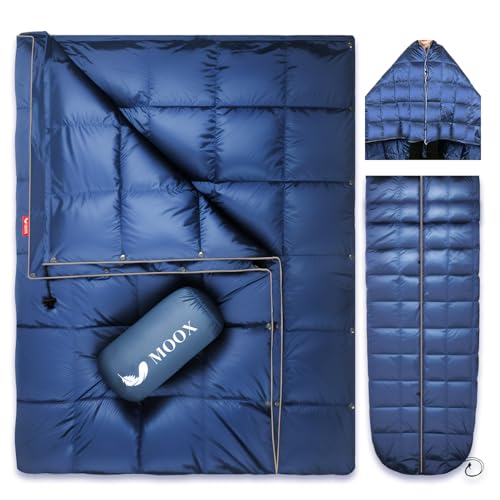

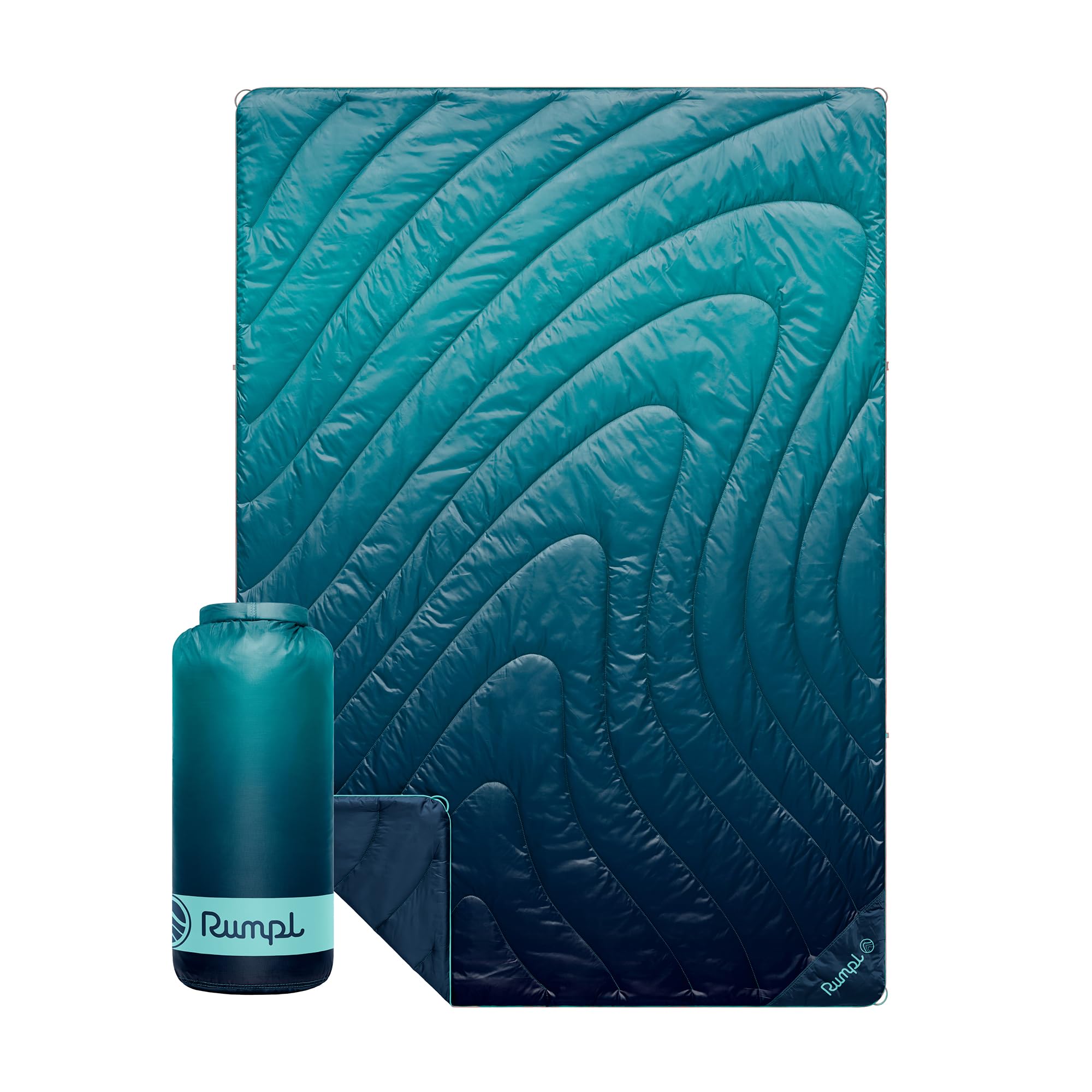


Warmth for the Weight You Carry
Insulation type and fill amount decide warmth. Down gives the most warmth for the least weight and packs very small, with fill power around 650 to 850 showing how well it lofts. Synthetic insulation is a little heavier and bulkier but keeps most of its warmth when damp and dries fast, which makes it forgiving on wet trips. Pick down for dry, cold weather where every ounce counts, and synthetic for wet climates, shared use and rough handling.
Packed Size and Trail Weight
Most backpacking blankets weigh about 1 to 2 pounds and compress into a stuff sack the size of a water bottle or a little larger. Weigh your whole kit and check the remaining space in your pack after food, shelter and water. A blanket that squeezes in at home can still crowd a full trail pack, and a slightly smaller blanket you actually carry is more useful than a warmer one left behind.
Size and Coverage
A solo blanket around 50 by 70 inches covers one adult from shoulders to feet. Wider blankets near 55 to 80 inches suit restless sleepers, hammock campers and people who want to wrap up in camp, but they add weight. Lie down with the blanket if you can, not just drape it over a chair. Coverage from shoulders to feet plus a little spare width decides whether you sleep warm or spend the night pulling fabric back into place.
Shell Fabric and Weather Handling
Look for a ripstop nylon or polyester shell with a durable water repellent finish. It sheds dew, frost and light rain, and it resists snags from twigs and gear. Many camp blankets have a waterproof or water resistant side that doubles as a ground layer. No blanket is fully waterproof in a downpour, so keep it under a tarp or inside your shelter when it rains hard.
Features That Add Versatility
Loops, Snaps and Footboxes
Corner snaps and loops let you fasten the blanket into a poncho style wrap or a quilt with a closed foot end, which adds warmth without a separate sleeping bag. A footbox keeps feet warm on cold nights, while a flat design is easier to use as a ground sheet or shared throw.
Hammock and Sleeping Bag Use
A blanket works well as a top quilt in a hammock and as an extra layer over a sleeping bag in cold weather. Check that the length reaches your feet and the width covers your sides when you roll over. Pair it with a sleeping pad, because cold ground steals more heat than cold air.
Blanket or Sleeping Bag
A blanket can work as the main cover in mild weather with layers, but it lacks a hood, a draft collar and a snug fit, so it leaks warmth faster than a mummy bag. Treat it as a camp layer or a supplement unless you are confident about the forecast. In cold conditions, a proper sleeping bag rated for the lowest expected temperature is the safer choice.
Care on a Long Trip
Shake the blanket out each morning and let it air in the sun when you can, which clears moisture and keeps insulation lofty. Spot clean with mild soap, and wash down or synthetic fill according to the label, using a gentle cycle and a low heat dry. Store it loosely in a large bag at home rather than compressed for months, because long compression flattens the fill.
Common Mistakes to Avoid
- Buying on weight alone, which can leave you with a blanket too small to cover your shoulders and feet.
- Choosing down for a wet climate without a water resistant shell, which lets damp ruin its warmth.
- Skipping a sleeping pad, because the ground draws heat away faster than any blanket can replace.
- Compressing the blanket tight for months, which breaks down the fill and reduces loft.
- Forgetting to check packed size against your pack, which leaves it behind at the trailhead.
Frequently Asked Questions
How warm should a backpacking blanket be?
Match warmth to the coldest night you expect. A light blanket handles cool summer evenings, while a thicker down or synthetic blanket is better for shoulder season camps. If the forecast is uncertain, layer clothes and carry a proper sleeping bag.
Down or synthetic for a backpacking blanket?
Down packs smaller and weighs less, which suits dry, cold trips. Synthetic handles damp better and costs less, which suits wet weather and rough use. Your climate and budget should decide.
What size backpacking blanket do I need?
It should cover you from shoulders to feet when you lie down. A solo size near 50 by 70 inches fits most adults, and a wider blanket helps if you toss and turn or share it as a camp wrap.
Can a blanket replace a sleeping bag?
In mild weather with layers it can, but it does not seal around you like a bag. For cold or windy nights, use a sleeping bag and treat the blanket as extra warmth.
How do I pack a backpacking blanket?
Stuff it into a compression sack and place it in the lower part of your pack, where it also cushions the load. Pack it last each morning, once it is dry, so you do not trap moisture inside the fill.
Final Thoughts
Choose insulation for your climate, check size against your body and your pack, and look for a shell that sheds light rain. The best backpacking blankets are the ones you actually carry and use, adding warmth at camp without crowding the rest of your kit. Use the product table above to compare current options.


