
Best Backpack with Water Bottle Holder Made Simple: A Clear Buying Guide for 2026
Disclosure: We may earn a commission when you buy through links on this page, at no extra cost to you. As an Amazon Associate I earn from qualifying purchases. Learn more
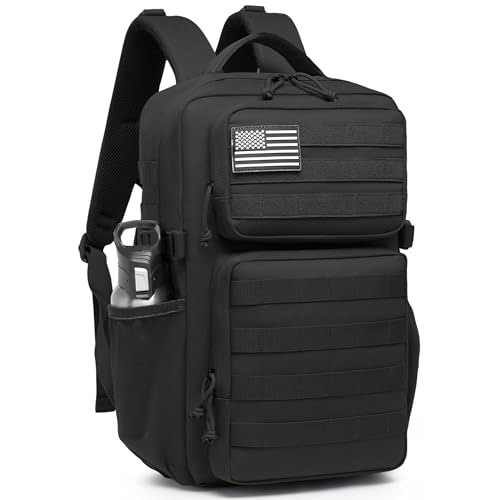
Choose the best backpack with water bottle holder by checking bottle fit, capacity, comfort, and organization before you buy.
Shopping for the best backpack with water bottle holder for the first time is easier when you know which details actually matter. A side pocket may look useful in a photo, yet it can still drop a tall bottle, squeeze a wide bottle, or swing awkwardly when you walk. This guide explains holder fit, capacity, comfort, and organization in plain terms, so you can use the comparison table below with confidence.
A good pack keeps your bottle within reach, keeps the weight close to your back, and keeps your other gear organized without a tangle of straps and pockets. The sections below start with the basics, then explain each spec in simple language, so you can judge a pack by how it will feel on a real day rather than by its looks alone.
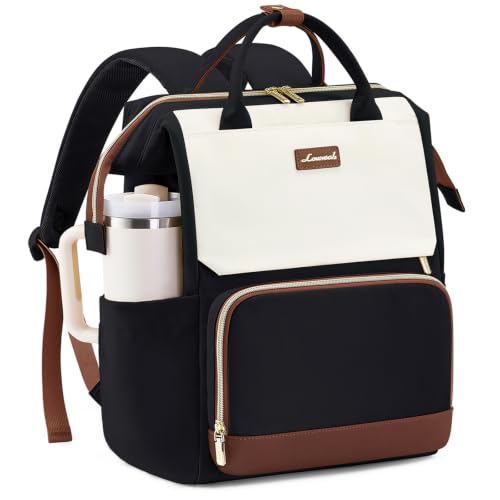

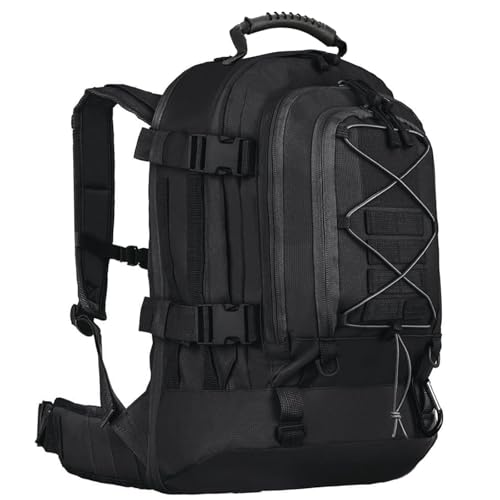


Best Backpack With Water Bottle Holder: The Basics
A backpack is a bag with two shoulder straps that spreads weight across your back and shoulders. The main compartment holds larger items, while smaller pockets hold items you need often, such as keys, a phone, and a water bottle. A pack with a water bottle holder usually has a side pocket, a stretch mesh pocket, or a zip pocket on one or both sides.
Two terms come up often when you compare packs. Capacity, measured in liters, tells you how much the pack can hold, while torso length tells you how well the pack frame and straps fit your back. A pack that fits your torso will feel more comfortable than a larger pack that hangs too low, even if the larger pack holds more gear.
Key Specs Explained in Plain English
The specs below are the ones that change daily comfort the most. Read each one with your own routine in mind, since a commuter, a student, and a day hiker need different strengths from the same kind of pack.
Why Choose a Backpack With Water Bottle Holder
A side holder keeps water within easy reach, so you can drink without stopping and opening the main compartment. That matters on a commute, a campus walk, and a trail, where stopping often breaks your rhythm. The trade off is that a full bottle adds weight to one side, so a pack with holders on both sides, or a compression strap near the pocket, helps keep the load balanced.
Not every buyer needs a dedicated holder. If you carry a small bottle inside the main compartment, or you prefer a hydration reservoir, a side pocket may matter less. Still, most first time buyers find a holder useful, because it keeps a wet bottle away from books, a laptop, and other gear.
Capacity in Liters
Capacity tells you how much a pack can hold, and the right size depends on what you carry each day. A pack of about 20 to 30 liters suits a daypack for school, work, or a short hike, with room for a jacket, lunch, and a few extras. A pack near 40 liters suits a carry on for a short trip, while a pack above 50 liters suits multi day travel with more clothing and gear. For longer trips, see our guide to best backpacks for travel.
Do not buy a larger pack just because it holds more. An oversized pack tempts you to carry extra weight, and a half empty tall pack can feel awkward on your back. Choose the smallest capacity that fits your usual load plus a little room for a jacket or a snack.
Laptop Sleeve and Organization
A laptop sleeve is a padded pocket that holds a laptop close to your back, where the weight is easiest to carry. Check the sleeve size against your laptop, and look for a sleeve that suspends the laptop slightly above the bottom of the pack, so a small drop does not hit the device directly. A sleeve that is too tight makes the laptop hard to remove, while a loose sleeve lets it shift as you walk. If a laptop is your main load, our best laptop backpack guide goes deeper.
Organization pockets matter almost as much as the sleeve. A small top pocket suits keys and a phone, a flat pocket suits documents, and an internal mesh pocket suits cables and small items. Too many tiny pockets can slow you down, so look for a layout you can learn quickly and use without thinking.
Security Features
Security features help keep valuables out of easy reach in crowded places, but they should not make the pack hard to use. A hidden pocket against your back suits a passport or a wallet, while a lockable zip pull can slow a quick grab in a busy station. Some packs add a radio blocking pocket for cards, which may suit buyers who want that extra layer.
Think about where you will use the pack most. A commuter in a busy city may value a hidden pocket and lockable zips, while a hiker on a quiet trail may value quick access more. Choose security features that match your routine, and check the zips before you rely on them every day.
Weight of the Empty Pack
The weight of an empty pack matters because every extra ounce adds to the load you carry all day. A light pack feels better on a long walk, while a heavier pack may offer more padding, stronger fabric, and more structure. The right balance depends on your load, since a heavy laptop and books already add a lot of weight before you add water.
Compare empty weights only between packs of similar size and purpose. A large travel pack will naturally weigh more than a small daypack, so the comparison is only useful within the same category. If two packs suit your needs equally, the lighter one is usually the more comfortable daily choice.
Rookie Mistakes to Avoid
- Buying by looks alone, without checking bottle fit, torso fit, and laptop sleeve size.
- Choosing a side pocket that is too shallow or too loose, so a tall bottle slips out when you bend over.
- Picking a pack that is far larger than your daily load, which adds weight and feels awkward when half empty.
- Ignoring strap and back panel comfort, since thin straps dig in once the pack is fully loaded.
- Forgetting to check zips and pockets with your own gear before a trip, when a small fit problem becomes a daily annoyance.
Getting Started: Setup and First Use
When your pack arrives, start by checking the holder fit with the bottle you actually use. Slip the bottle in, tighten any compression strap near the pocket, and walk around the house with the pack loaded. This quick check shows whether the bottle stays put, whether the weight feels balanced, and whether any strap needs adjusting.
Next, load the pack the way you will use it each day. Pack heavy items close to your back, adjust shoulder straps and hip belt until the load feels even, and place small items in the pockets you can reach without removing the pack. For bottle choices that suit active days, see our guide to best water bottle for athletes, and for a holder that fits a bike frame instead of a pack, see our guide to best water bottle holder for mountain bike. Keep small parts and loose straps away from children, and follow the maker care guidance for cleaning.
Backpacks: Your Questions Answered
How do I measure my torso length for a backpack?
Measure from the bony bump at the base of your neck down to the top of your hip bones, following the curve of your back. Ask someone to help, since measuring your own back often gives a shorter reading than the true length. Compare that number with the size range in the maker guidance, and choose the size that places the hip belt on your hip bones rather than on your waist or thighs. A pack that matches your torso length will carry weight more evenly and feel more stable on a long walk.
What size backpack do I need for daily use?
Most daily users do well with a pack of about 20 to 30 liters, which holds a laptop, a jacket, lunch, and a water bottle without feeling bulky. Students and commuters with more books or gear may prefer the upper end of that range, while light packers can stay near the lower end. Lay out your usual gear before you buy, and check that it fits with a little room to spare. A pack that fits your real load is more comfortable than a larger pack bought just in case.
Will a backpack with a water bottle holder fit under an airplane seat?
Many daypacks fit under an airplane seat, but it depends on the pack size, how full it is, and the airline seat space. A soft pack of about 20 to 25 liters, packed without bulky items, usually fits more easily than a rigid pack near 40 liters. Remove a tall bottle from the side pocket before you slide the pack under the seat, since the bottle adds width and can catch on the seat frame. Check the airline size guidance before a flight, and keep valuables in a pocket you can reach during the trip.
Is a waterproof backpack necessary for daily use?
A fully waterproof pack is rarely necessary for daily use, but some water resistance is useful in rain. Most commuter packs use water resistant fabric that handles a light shower, while a rain cover adds protection in heavy rain. A pack with sealed seams and waterproof zips costs more, so it suits buyers who walk or cycle in rain often. For most users, a water resistant pack plus a rain cover offers a good balance of cost and comfort, and for keeping a bottle clean on the go, see our guide to best water bottle cleaner brush.
Final Thoughts
The best backpack with water bottle holder is the one that fits your bottle, your torso, and your daily load without extra bulk. Check holder depth and grip, choose a capacity near your real needs, and check strap comfort with a full load before you commit. Look at the product table above once more, compare the packs on those three points first, and the right choice will usually stand out clearly.


