
Best Backpack Hunting Boots for 2026: Which One Fits the Way You Use It?
Disclosure: We may earn a commission when you buy through links on this page, at no extra cost to you. As an Amazon Associate I earn from qualifying purchases. Learn more

Discover the best backpack hunting boots for your needs. We match features to real use cases so you avoid overpaying and get the right fit the first time.
A boot that feels fine on a short scout can turn punishing on day three of a loaded hunt, miles from the trailhead with camp and meat on your back. The best backpack hunting boots for you depend on how much weight you carry, how steep and wet the country is, and how many days you stay out. There is no single winner for every hunter, only a boot that matches your load, your terrain, and your season.
This guide sorts boots by the job they have to do, from fast early season miles to heavy pack outs in snow. It covers stability under a pack, fit with thick socks, waterproofing tradeoffs, and traction, so you can use the comparison table below to shortlist pairs that suit your hunt.
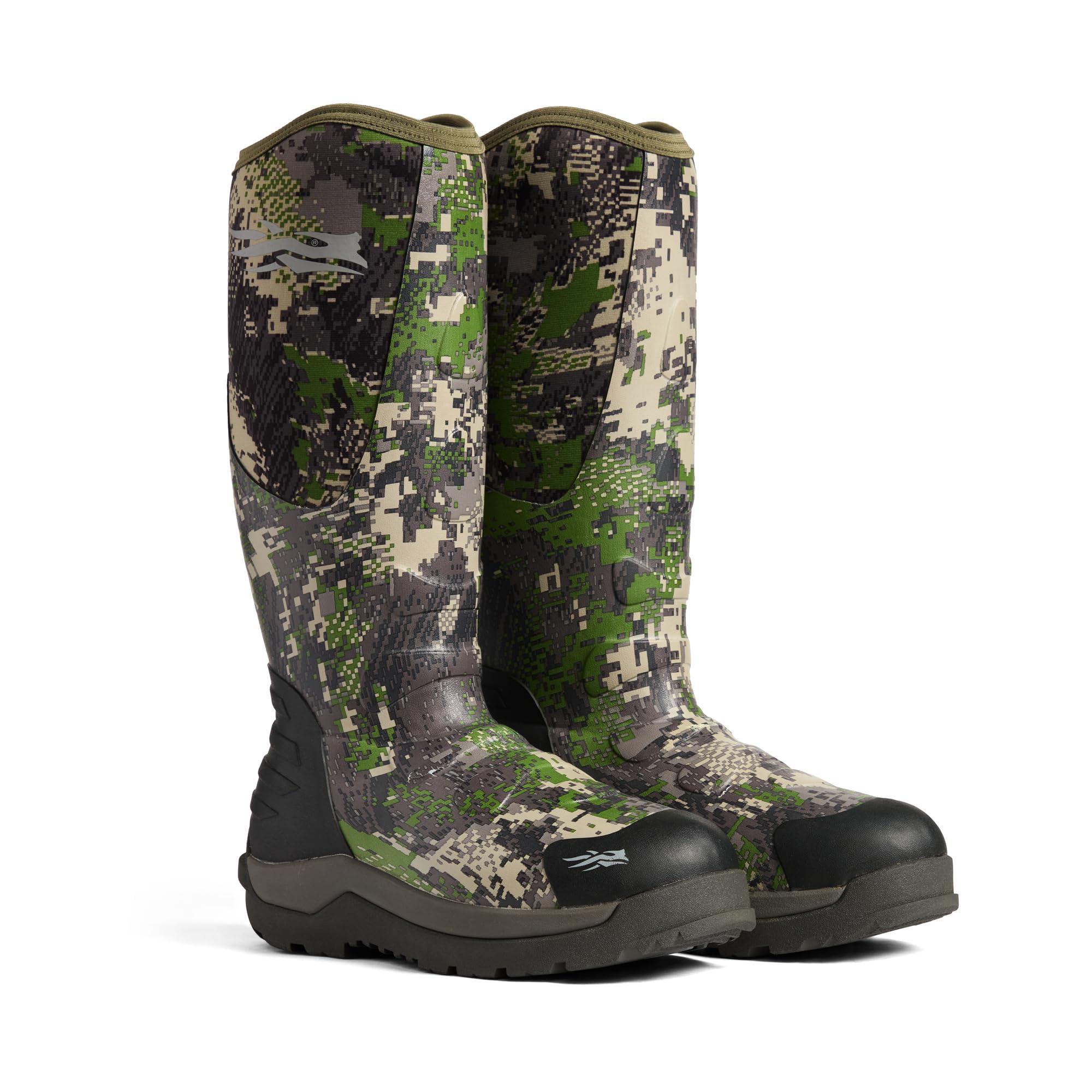
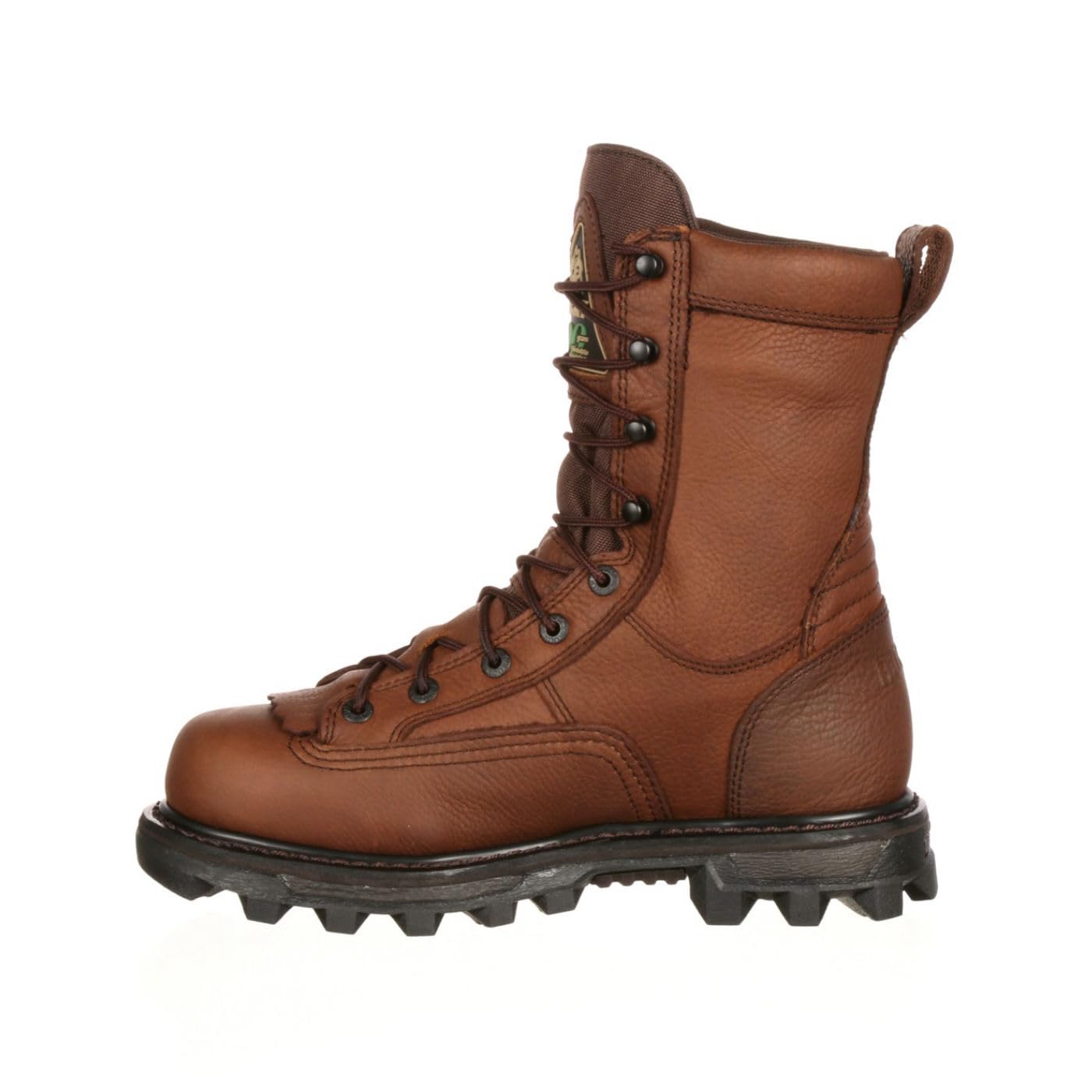


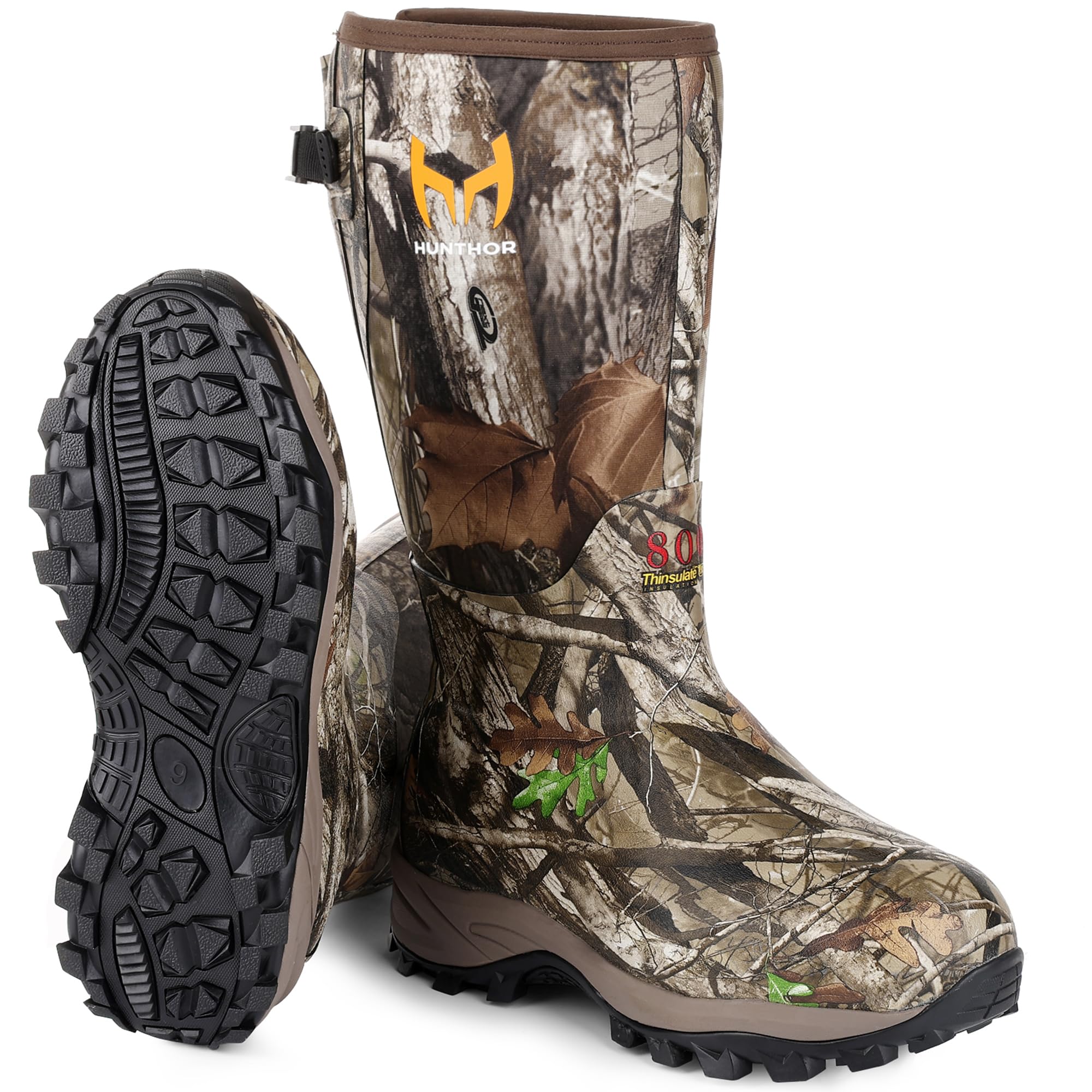
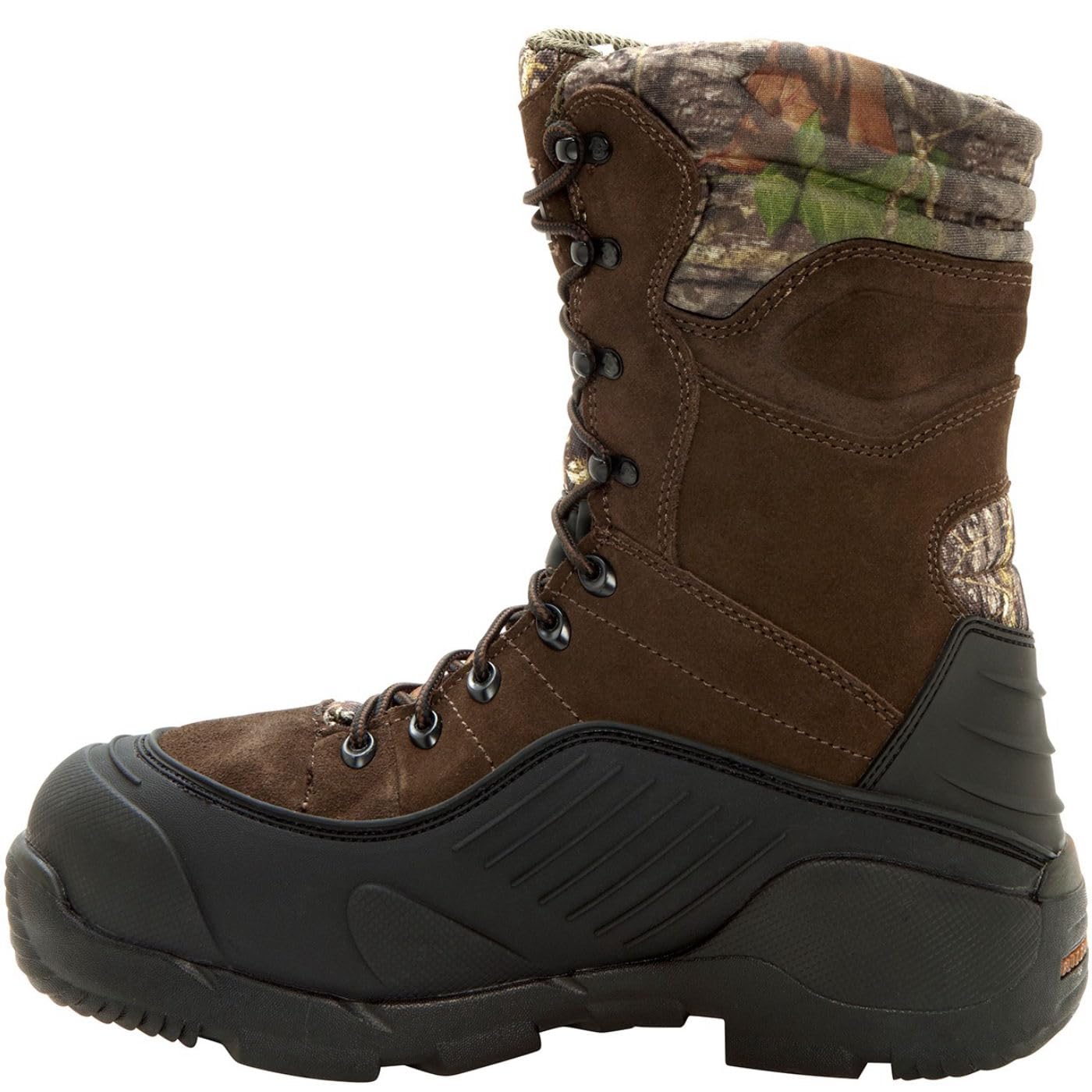

Who Should Buy Which Backpack Hunting Boots?
Start with the hunt you actually plan, not the hardest hunt you can imagine. Your pack weight, daily mileage, and season decide how stiff, tall, and warm your boots need to be.
Backcountry Hunters Hauling Camp and Meat on Their Backs
If you hike in with camp on your back and hope to hike out far heavier, you need a tall, stiff boot that keeps your ankles steady under shifting loads. Look for strong arch support, a firm midsole, and a deep lugged outsole, and accept extra boot weight as the price of control. A flexible light boot may feel pleasant on the way in, then fold and roll once a quartered animal joins the load.
Early Season Hunters Moving Fast in Warm Dry Country
For September elk or mule deer in dry basins, a lighter and more breathable boot keeps feet cooler and dries fast after dew or a shallow crossing. Choose moderate stiffness, generous cushioning, and a roomy toe box for long spot and stalk days. Full waterproof boots can feel like ovens here, so many mobile hunters pick a breathable non waterproof pair and let airflow do the work.
Late Season and Mountain Hunters in Snow and Steep Rock
When your hunt means side hilling above timberline, crossing scree, or standing in snow, you need insulation, a waterproof membrane, and an aggressive outsole. A stiffer shank protects your arches on rock and helps edges hold on steep traverses. If your hunts stay close to the truck on flat ground instead, see our guide to the best hunting boots for a broader range of lighter duty options.
Key Features to Compare
When you compare the best backpack hunting boots side by side, judge each feature against your heaviest expected load, because a pack changes how every part of the boot works.
Break In Period and Comfort Out of the Box
Stiff backpack hunting boots rarely feel perfect on the first wear, and that is normal. Full leather uppers and firm midsoles soften and mold over about 20 to 40 miles of walking. Plan your purchase at least a month before the hunt, wear the boots on training walks with a loaded pack, and treat any hot spot as a warning. A boot that still pinches after steady break in time is the wrong size or shape, not a boot that needs more miles.
Fit, Sizing, and Toe Box
Fit decides more hunts than any other factor. Measure and try boots in the afternoon, when feet are slightly swollen, wearing the thick socks you hunt in. You want a snug heel with no lift, a midfoot that feels held, and a toe box wide enough to wiggle your toes. Feet swell over long loaded days, so a thumb width of space ahead of your longest toe protects toenails on descents.
Arch Support and Foot Type
Under a 40 pound pack, your arches carry far more load than on a normal hike, and weak support shows up as sore feet by evening. Flat feet and overpronation call for a firmer midsole and structured insole that limit inward rolling, while high arches need more cushioning to spread pressure. Note the heel to toe drop as well, since a lower drop stretches calves and Achilles tendons on climbs.
Staying Dry Through Creek Crossings and Wet Snow
A waterproof membrane keeps creek water and wet snow out, which matters on multi day hunts where boots never fully dry at camp. The tradeoff is airflow, because sealed boots breathe less and can feel clammy in warm weather. Choose waterproof boots for late season, marshy basins, and hunts with daily crossings, and consider a breathable non waterproof pair for hot dry country.
Outsole Traction and Terrain
The outsole is your only contact with mud, wet rock, and loose scree, so match lug pattern to your ground. Deep, widely spaced lugs around 5 mm shed mud and grip soft trails, while tighter lugs and sticky rubber feel steadier on slick rock slabs. A pronounced heel brake helps on steep descents with a heavy pack, where a slide can turn dangerous.
Match Boot Build to Pack Weight and Trip Length
Think of boot stiffness as a scale that should rise with your load. For day hunts and packs under about 25 pounds, a flexible mid height boot keeps walking natural and light. For two to four days with about 30 to 45 pounds, a mid stiff tall boot gives the stability most backpack hunters need. For week long trips or pack outs past 50 pounds, a stiff boot protects ankles and arches when you are tired.
Total pack weight also decides what else earns space on your back, so weigh your full kit before you pick a boot.
Common Mistakes to Avoid When Buying Backpack Hunting Boots
- Buying boots the week before the hunt leaves no time for break in, so blisters and sore spots can end a trip early.
- Choosing by price alone often means a flexible sole under a heavy pack, and your ankles and arches pay for the savings.
- Sizing up too far lets the foot slide on descents, which causes black toenails and heel blisters.
- Testing fit with thin everyday socks gives a false snug feel, because thick hunting socks change the fit completely.
- Ignoring the return policy risks being stuck with a boot that fails on your first loaded training hike.
Cleaning and Drying Boots After a Backcountry Trip
After each hunt, knock off mud, rinse boots with clean water, and pull the insoles out so the inside dries fully. Air dry wet boots at room temperature away from direct heat, since a camp stove or hot vent can crack leather and weaken glues.
Once leather uppers look dry and pale, work in a conditioner made for hunting boots to keep the material supple and water resistant. Check laces for fraying, clean grit from the outsole lugs, and store boots upright in a dry place out of sunlight.
FAQs
Can I wear backpack hunting boots all day under a loaded pack?
Yes, a well fitted pair is built for dawn to dark wear, but plan a short stop at midday to air your feet and swap into dry socks. That habit cools hot spots before they blister and lets damp socks dry on your pack. It matters more on loaded hunts, because pack weight raises foot pressure and sweat with every mile.
Do I need waterproof backpack hunting boots for creek crossings?
Not always, because water that tops the shaft will soak any boot, membrane or not. For repeated shallow crossings, a waterproof pair plus gaiters keeps most splashes out and shortens drying time at camp. On hunts with one deep crossing a day, some hunters prefer a fast draining non waterproof boot and dry socks for camp.
How long is the break in period for backpack hunting boots?
Most pairs need about two to four weeks of regular wear before a serious hunt. Go beyond flat walks and add stairs, hills, and a loaded pack, since stiffness that feels fine on pavement can bite on a climb. If the same place hurts on three straight outings, get the fit checked instead of hoping the boot will change.
How should backpack hunting boots fit with thick hunting socks?
Backpack hunting boots should feel snug through the heel and midfoot, with clear space ahead of your toes, when worn with your thickest hunting socks. Fit to your larger foot if one measures bigger, because feet rarely match exactly. Try a heel lock lacing pattern on your test walk, since the extra loop at the top eyelet can stop heel lift without crushing the front of your foot or cutting off circulation.
Are expensive backpack hunting boots worth the extra cost?
They can be, if you hunt many days each year and the higher price buys a resoleable build and stronger leather. A premium pair that lasts five seasons often costs less per season than a cheap pair replaced every other year. Hunters who spend three days a season on mild ground rarely gain enough to justify it.
How often should I replace my backpack hunting boots?
Replace backpack hunting boots when the midsole feels packed out and your feet ache on walks that once felt easy, often after about 500 to 800 miles of loaded use. Worn smooth lugs, cracked leather at the flex point, and a heel counter that folds under thumb pressure are clear end of life signs.
Wrapping Up
Pick by load first, then fit, then weather. A boot stiff enough for your heaviest pack out, fitted in the afternoon with your hunting socks, and broken in weeks before the season will serve you better than any feature list. Narrow your choices with the product table above, train in the pair you pick, and the best backpack hunting boots for your country and season will feel obvious on the first climb.


