
Best Back Support Pillows for Recliners by Budget: A Buying Guide for 2026
Disclosure: We may earn a commission when you buy through links on this page, at no extra cost to you. As an Amazon Associate I earn from qualifying purchases. Learn more

Compare types of back support pillows for recliners by budget, firmness, strap fit and washable covers to find steady lumbar comfort for long sitting.
A recliner often feels plush for ten minutes and then leaves a hollow behind your lower back once you settle in. The best back support pillows for recliners fill that hollow, keep your spine closer to neutral, and stay in place as the chair tilts. A higher price only helps when it buys a better shape, denser fill, or a strap system that actually fits your chair.
This guide sorts the options by budget so you can see what each tier delivers and what it leaves out. It covers contour, firmness, sizing, straps, and washable covers, plus mistakes that make a good pillow feel wrong. Use the comparison table below to match a pillow type to your chair.
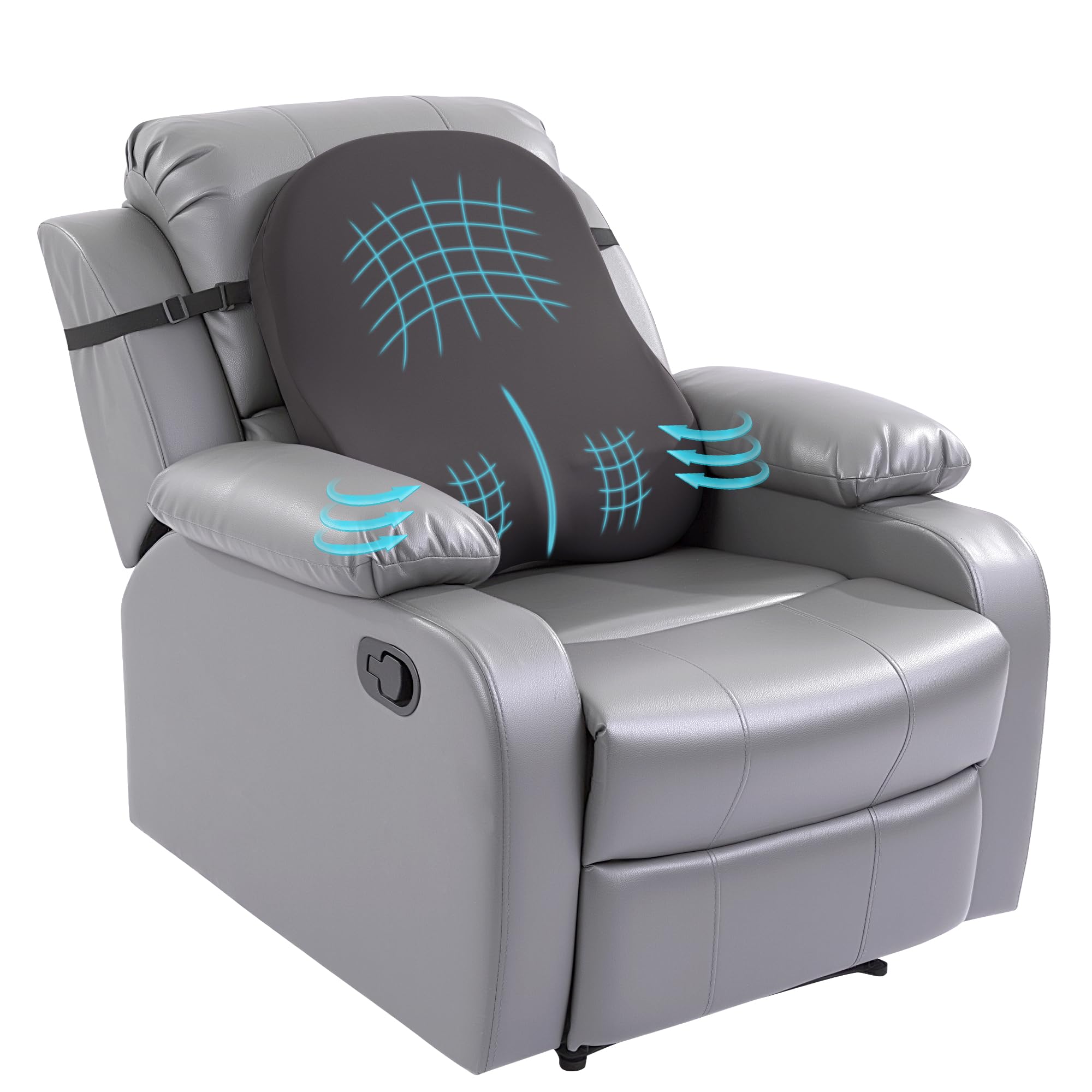
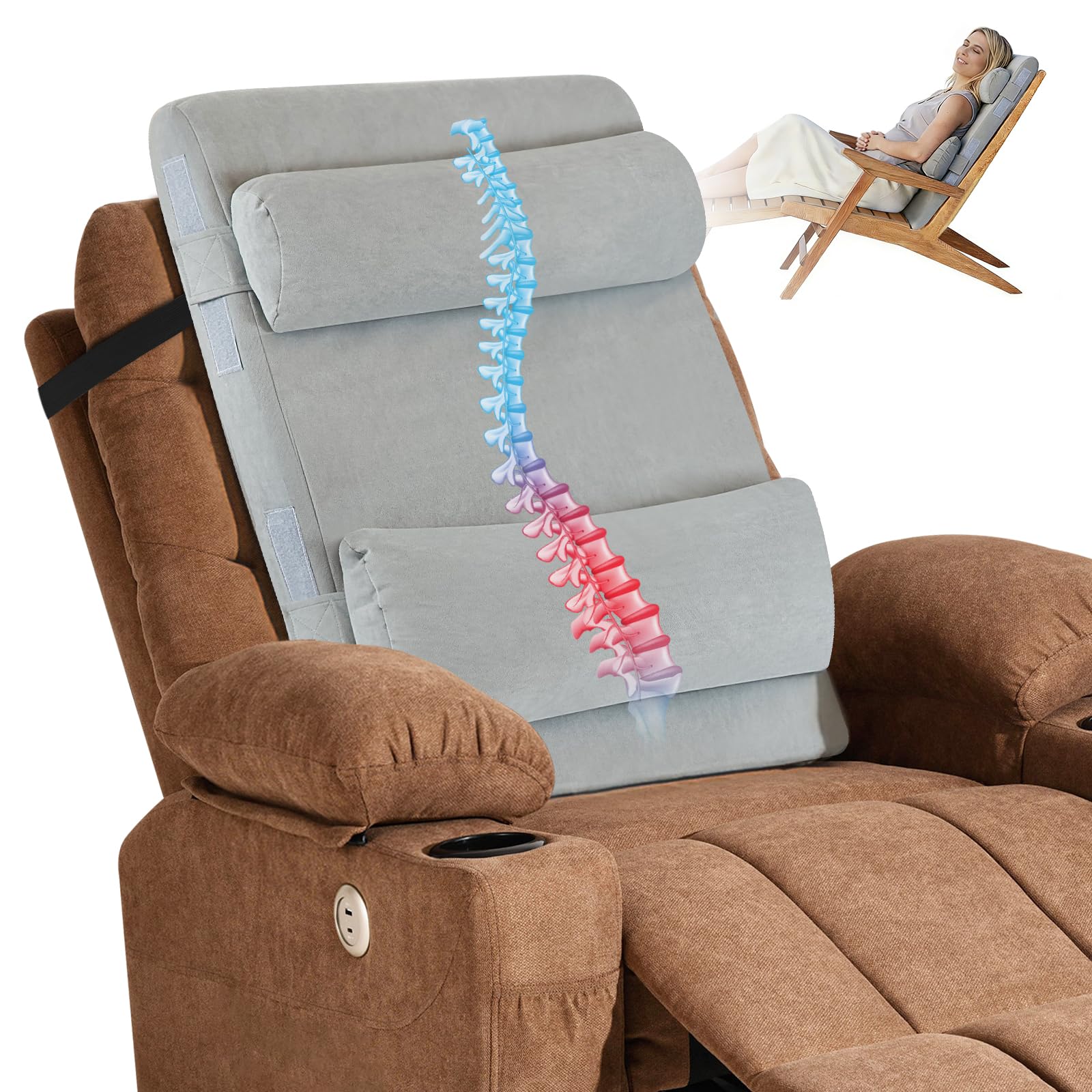
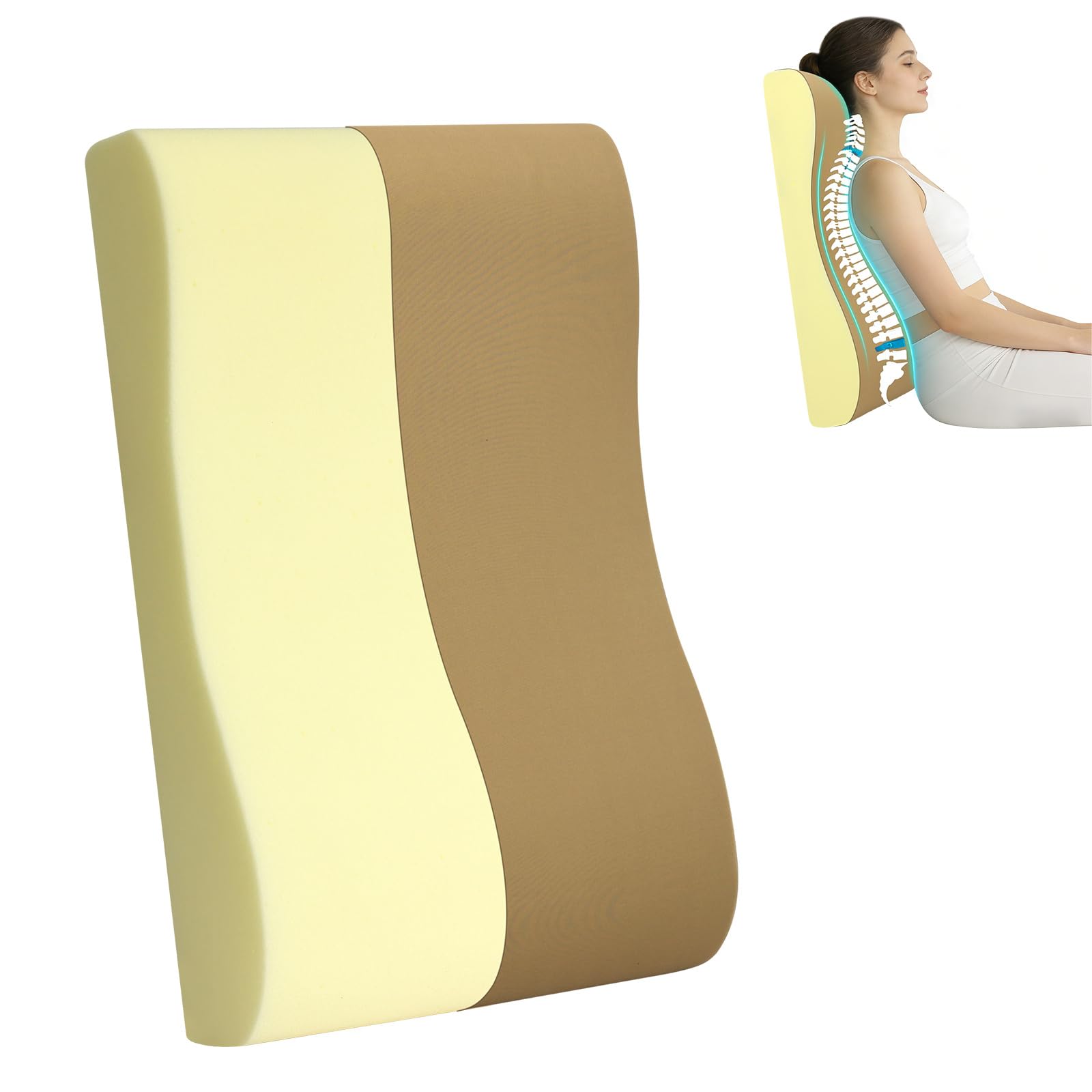
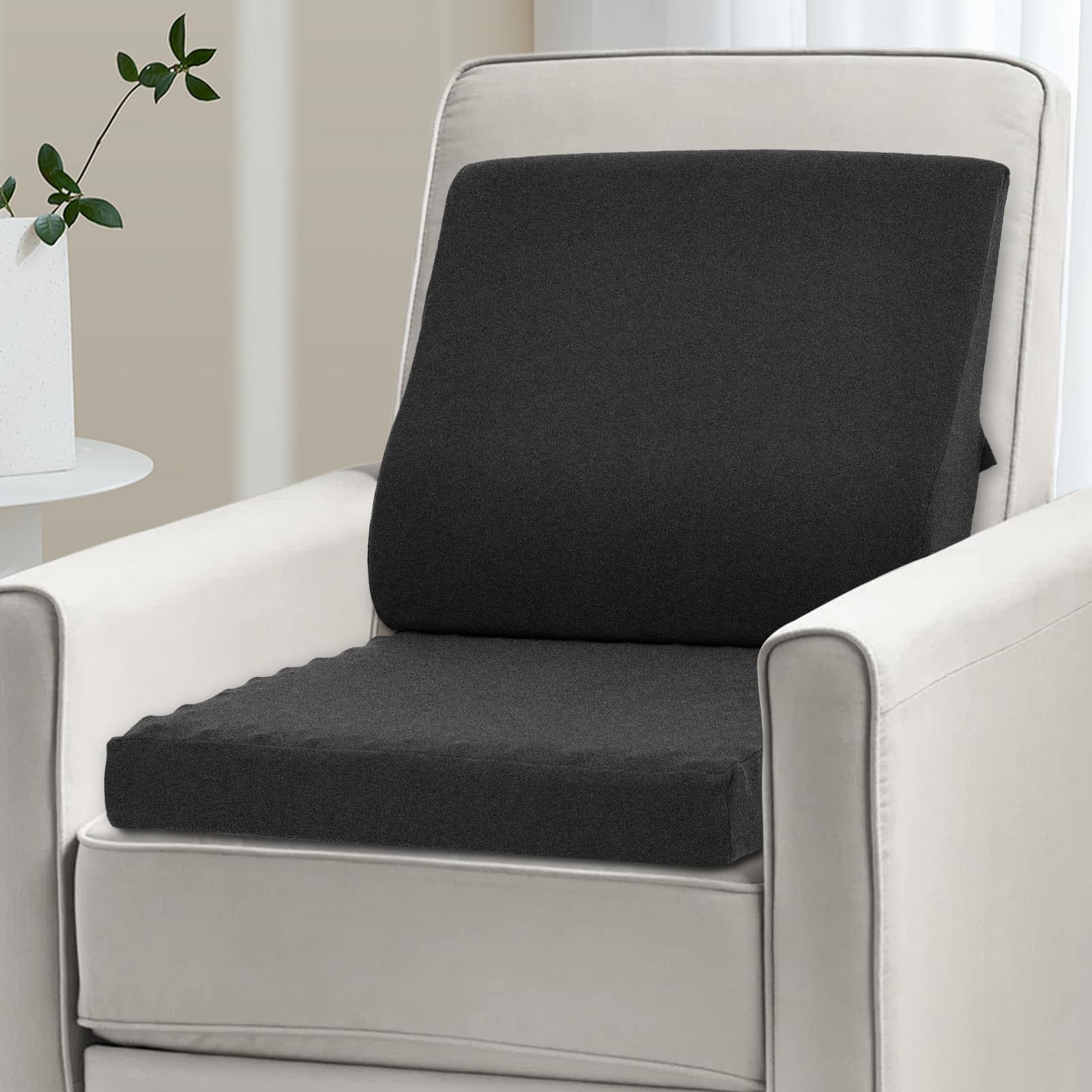


Who Should Buy a Back Support Pillow for a Recliner?
Evening Sitters Who Slouch Once the Chair Reclines
If you watch television for an hour or more, your pelvis can slide forward as the backrest tilts, leaving your lower back rounded and unsupported. A contoured lumbar pillow with a gentle forward curve fills the space that slide creates. Choose a moderate thickness, about 3 to 4 inches at the deepest point, so it supports you without pushing you toward the seat edge.
Readers and Laptop Users Who Sit More Upright
Reading and laptop work keep a recliner closer to upright, and your back meets the chair along its full length. A taller pillow that extends toward the shoulder blades can help on a soft or uneven backrest. If discomfort reaches your upper back and neck as well, see our guide to the best pillows for neck and back support for shapes that cover both zones.
Sitters With Lower Back Ache From a Deep, Soft Seat
A deep seat lets shorter legs dangle and pulls the lower back into a slump, and a firm lumbar pillow can restore contact where the cushion gives way. Start with firmer support and a strap, then judge comfort over several evenings. Pain that spreads down a leg, numbness or weakness, loss of bladder or bowel control, pain after a fall, or fever with back pain needs prompt medical care, so talk with your clinician about personal needs rather than relying on a pillow alone.
Key Features to Compare
Contour Shape and Thickness That Fill the Recliner Gap
Shape matters more than softness. A rounded lumbar curve with thinner wings follows the natural inward curve of your lower back, while a flat cushion compresses unevenly and can feel like a lump. Thickness decides how far forward the pillow pushes you, so measure the hollow between your back and the chair while reclined. A shallow gap suits a slim profile near 2 to 3 inches, while a pronounced dip needs a deeper contour near 4 inches.
Firmness and Fill That Hold Their Shape
Memory foam softens with body heat and molds closely, which suits sitters who stay in one position. Firmer molded foam keeps a set curve and resists bottoming out, which heavier sitters and daily users usually prefer. Press any pillow firmly for a minute before judging it, and check that it rebounds instead of staying packed down.
Size and Fit Against Seat Width and Back Height
Measure your recliner before you order: the width between the armrests, the backrest height, and where your belt line sits when you are seated. Most lumbar pillows run about 12 to 15 inches wide and 12 to 14 inches tall, and one wider than the space between the arms will bunch and tilt. On a narrow chair choose a compact shape, and on a wide chair choose a broader pillow that stops your back rolling off the support when you shift sideways.
Straps and Grip Backing That Stop Sliding
A recliner backrest moves, so a loose pillow migrates downward whenever you lean back or stand up. An adjustable strap that wraps around the backrest solves this, provided it is long enough for thick padded chairs. Elastic straps stretch over time, so a woven strap with an adjuster holds position better. Textured grip backing works on fabric upholstery but slides on smooth leather, so owners of leather chairs should put strap fit at the top of the checklist.
Cover Fabric, Breathability, and Washability
Your back rests against the cover for hours, and dense foam traps warmth, so fabric choice matters. Mesh and open weave covers move air and suit warm rooms, while smooth microfiber feels softer and slides less against clothing. A removable cover with a zipper you can wash is worth prioritizing, because a foam core usually cannot go in the wash. Check that the cover comes off without forcing the zipper around tight corners, since a torn zipper ends the life of a sound pillow.
Recliner Pillow Prices From Simple Shapes to Dense Contoured Fill
That wide spread is why comparing best back support pillows for recliners by tier helps more than sorting by price alone. Prices run from around $20 to around $90, and each step up should buy a specific improvement you can name.
Around $20 to $40: Simple Shapes for Light Use
At this level you get a basic foam or fiber pillow, often with a single strap and a thin removable cover. Support is fine for occasional use, a guest chair, or testing whether lumbar support helps before spending more. Expect the fill to soften within a year of daily sitting and the strap elastic to loosen, so treat this tier as a trial purchase rather than a lasting one.
Around $40 to $65: Contoured Foam and a Secure Fit
This tier usually adds a molded contour, denser memory foam, a longer adjustable strap, and a thicker washable cover. For most daily sitters, this is where spending starts buying durability instead of extras. You can also compare shapes in our guide to the best back pillows if you want a cushion that moves between a recliner and a desk chair.
Around $65 to $90: Dense Fill and Longer Warranties
Premium models tend to combine high density foam or foam and gel layering with breathable covers, reinforced stitching, and warranties of two years or more. Support feels firmer and more even, and covers resist pilling against upholstery. Pay this much if you are a heavier sitter, use the chair all day, or past pillows flattened quickly. If your discomfort is not tied to one chair, see our guide to the best pillows for back support for options that travel between rooms.
Common Mistakes to Avoid
- Buying the thickest pillow available, which pushes you forward and shortens the usable seat depth.
- Skipping the strap on a leather recliner, which lets the pillow slide down within minutes.
- Choosing a pillow wider than the armrest gap, which makes it fold and tilt sideways.
- Judging firmness in five minutes, which hides how foam softens over a full evening.
- Expecting a pillow to fix a sagging seat cushion, which leaves the real source of slumping untouched.
- Washing the foam core in a machine, which breaks the foam down and leaves it lumpy.
Care and Maintenance for Recliner Back Support Pillows
Remove and wash the cover every few weeks if you sit daily, following the label, and dry it fully before refitting so moisture does not reach the foam. Keep the foam core out of direct sunlight and away from radiators, because heat and ultraviolet light make foam brittle. Air the uncovered pillow in a ventilated room each month to clear trapped odors.
Vacuum the cover between washes and spot clean spills quickly so they do not soak through to the core. Check the strap and buckle every couple of months, and replace a stretched strap before the pillow starts migrating. If the seat itself sags badly and no pillow sits level, see our guide to the best recliner chairs for back support before spending more on cushions. Replace a foam pillow when it stays compressed after a night of rest, often after about 18 to 24 months of daily use.
Frequently Asked Questions
How thick should a lumbar pillow be for a recliner chair?
Most recliner sitters do well with about 3 to 4 inches at the thickest point. Try a home test first: sit reclined, slide a folded towel behind your lower back, and note when the hollow feels filled without your hips sliding forward. One folded layer suggests a slim pillow, while two layers point to a deeper contour.
How do I wash a back support pillow for a recliner safely?
Wash only the removable cover unless the label says the whole pillow is washable. Use a gentle cycle with cold water, close the zipper first so it does not snag other laundry, and air dry to protect the fabric and elastic. Spot clean the foam core with a barely damp cloth and dry it fully in open air, since soaking foam invites mildew and crumbling.
Are cooling covers worth it for long evenings in a recliner?
They can be, if you regularly feel warm where your back meets the chair. Mesh and gel infused covers reduce that trapped heat during the first hours of sitting, when most people notice it most. The effect is modest, so treat cooling as a comfort bonus after contour and fit are right. In a cool room, a plain breathable cover usually performs just as well.
What firmness helps lower back comfort while sitting in a recliner?
A medium firm to firm pillow suits most recliner sitters, because soft fills collapse under steady body weight and stop supporting the lumbar curve. Press your thumb into the pillow before buying if you can: it should sink slowly and push back rather than folding flat. If you have a diagnosed back condition, ask your clinician which firmness range fits your treatment plan before you order.
The Bottom Line
Start with fit: measure the gap behind your lower back, confirm the pillow width against your armrests, and insist on a strap that reaches around your backrest. Then match firmness to how long you sit, and let your tier decide cover quality and warranty length. Chosen that way, the best back support pillows for recliners turn a sagging chair into steady support, so check the product table above and pick the tier that matches your evenings.


