
The Best Back Door Rugs: Buying Guide and Top Picks for 2026
Disclosure: We may earn a commission when you buy through links on this page, at no extra cost to you. As an Amazon Associate I earn from qualifying purchases. Learn more
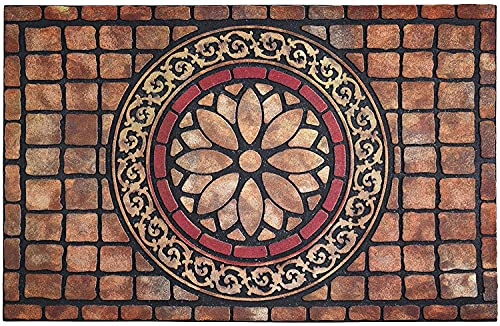
Use this guide to the best back door rugs to compare materials, sizes, backing, and care, then choose a rug that traps dirt and fits your doorway well.
Your back door takes a beating. It is where muddy shoes, wet paws, garden soil, and grocery bags all cross the same few feet of floor, often several times a day. A good rug at that door quietly does three jobs at once: it scrapes grit off soles, soaks up water before it reaches your flooring, and gives you a stable place to stand while you juggle keys and bags.
The best back door rugs share a few traits, and this guide walks you through them one by one. You will learn how materials behave in wet weather, how to size a rug for your doorway, and what the comparison table below can tell you at a glance. By the end, you will know exactly which features matter for your household and which ones you can safely ignore.

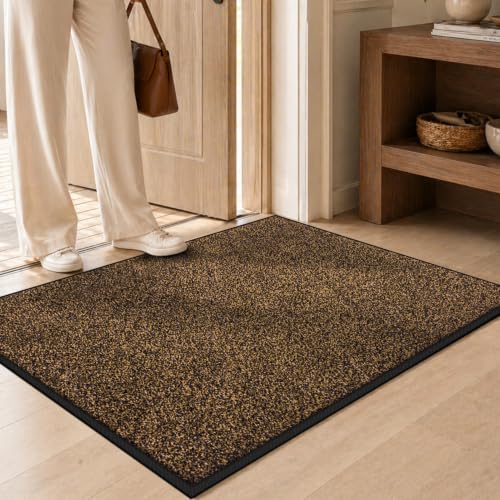


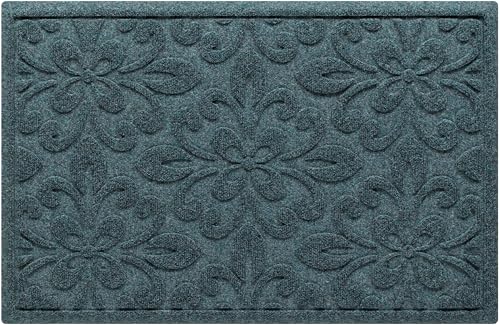


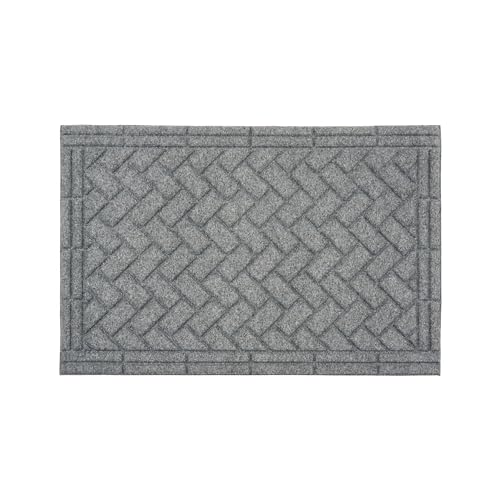
What Each Price Tier Generally Delivers
Price alone does not tell you how a rug will perform, but the tiers do follow a pattern. Use the ranges below to set expectations, then check the product table above for current options in each band.
Budget Tier, Under About $25
Budget rugs are usually thin synthetic mats or simple cotton runners with a basic rubber backing. They trap surface dust and light moisture well enough for a low traffic door, such as a side door used once or twice a day. Expect a shorter working life, often one to two seasons of heavy use, and colors that fade faster in sun. They are a sensible first purchase if you are still learning what size and material suit your entry, because replacing one is painless.
Midrange Tier, About $25 to $60
This is where most households should shop. Midrange rugs add a deeper textured surface that scrapes soles properly, a heavier rubber backing that stays put, and fibers that hold more water without feeling soggy. Many are machine washable or easy to hose down, which matters when mud season arrives. If your back door is your main family entrance, this tier usually gives the best balance of grip, absorbency, and durability for the money.
Premium Tier, Over About $60
Premium rugs earn their price through materials and construction rather than decoration. Thick coir with a solid rubber base, dense woven synthetics, and larger sizes that cover a full mudroom zone all live here. These rugs resist flattening under daily traffic, keep their edges flat, and often carry longer warranties. They make sense for homes with dogs, kids, and a garden, where the door sees constant wet and dirty use all year.
How to Choose the Best Back Door Rugs: Buying Guide
Material and Dirt Trapping Ability
Material decides how much grit and water a rug can hold. Coir, made from coconut husk fiber, has stiff bristles that scrape mud and gravel from soles better than almost anything else, which is why it suits covered outdoor spots and porches. Synthetic fibers such as polypropylene trap finer dirt and dry faster, so they work well just inside the door where rain blows in. Cotton absorbs water generously but dries slowly and can feel damp in a busy entry. Many households pair an outdoor scraper rug with an absorbent indoor one, and reading about the best door rugs in general can help you plan that two rug system.
Backing and Grip
A rug that slides is a hazard, especially on tile, laminate, or polished wood where wet soles already reduce traction. Look for a full rubber backing rather than a sprayed coating, because solid rubber grips the floor, keeps edges from curling, and stops water from seeping through to the boards beneath. On carpeted entries, a thinner backing is fine because the pile itself resists movement. Whatever you choose, lift the rug monthly and check that the backing has not cracked, since cracked rubber is the first sign a rug is near the end of its life.
Thickness and Door Clearance
Measure before you buy. Open your back door and note the gap between the door bottom and the floor, then choose a rug thinner than that gap so the door swings freely. Most low pile rugs sit under about half an inch, while thick coir can reach an inch or more and may catch on inward swinging doors. If your door has a brush strip or a low threshold, an ultra thin washable rug is often the only style that fits. A rug the door drags across will bunch, wear unevenly, and quickly become a tripping edge.
Size and Coverage
A back door rug should be at least as wide as the door itself, and a few inches wider is better because people rarely step dead center. For a standard single door, a rug around 24 by 36 inches gives room for two feet and a bag set down beside them. Double doors and busy mudroom entries benefit from a runner or a larger mat around 36 by 60 inches, which catches the second and third steps where most remaining dirt falls off. If you are comparing layouts, our guide to the best entry door rugs explains how coverage changes with traffic patterns.
Absorbency and Drying Speed
In rainy climates, absorbency matters as much as scraping. A rug that holds water but never dries will smell musty and can damage the floor under it. Dense looped fibers wick water down and away from the surface, while raised patterns with channels give water somewhere to sit until it evaporates. Place indoor rugs where air moves, and flip or drape them over a rail weekly in wet months so the underside dries fully. Homes in dry regions can prioritize scraping texture over absorbency and choose thinner, faster drying mats.
Durability and Care
The best back door rugs survive weekly shaking, monthly washing, and daily scraping without shedding or losing shape. Check the care label before buying: some rugs are machine washable, some only tolerate a hose and air drying, and coir should never be soaked or machine washed. Households with pets should favor rugs that release hair under a vacuum and tolerate frequent washing, and if muddy paws are your main problem, see our notes on the best door rugs for dogs for paw friendly textures. A rug you can clean in ten minutes is a rug you will actually clean.
Types of Back Door Rugs
Coir Rugs
Coir is the classic scraper. Its stiff natural bristles dig into tread and pull off mud, sand, and small stones before they enter the house. It belongs outdoors or in a covered porch, lasts well in sun, and needs only a firm shake or a brush to clean. Its weaknesses are shedding when new and poor absorbency, so pair it with an indoor mat in wet weather.
Rubber and Recycled Rubber Rugs
Solid rubber mats with patterned surfaces trap dirt in their grooves and shrug off standing water, snow, and road salt. They are heavy enough to stay in place without extra backing and can be hosed clean in seconds. They suit garages, utility doors, and uncovered steps. The trade off is looks: most read as purely functional, and cheaper versions can carry a strong rubber smell for the first week.
Low Pile Synthetic Rugs
These are the indoor workhorses. Polypropylene and polyester low pile rugs trap fine dirt, absorb moderate water, and fit under almost any door. Many are machine washable, and printed patterns hide the inevitable gray of entry dirt between washes. They are the easiest type to live with for a main family door, though very thin versions need a good rubber backing to avoid creeping on hard floors.
Washable Cotton Rugs
Cotton rugs feel soft under bare feet and absorb water well, which makes them popular inside kitchen doors. They wash easily and come in friendly colors that suit a lived in home. Their limits are slow drying and less scraping power, so they work best as the second rug in a pair, catching moisture after an outdoor scraper has handled the mud. Similar placement logic applies at the front of the house, as covered in our guide to the best rugs for inside front door placement.
Care and Maintenance Tips
- Shake it out weekly. Take the rug outside and shake or beat it firmly. Most trapped grit sits loose in the pile, and removing it weekly keeps the fibers scraping effectively instead of grinding dirt deeper.
- Vacuum both sides monthly. Dirt migrates through thin rugs. Vacuuming the underside and the floor beneath protects your flooring from abrasive grit that would otherwise sit trapped and scratch the surface.
- Wash according to the label. Machine wash washable rugs on a gentle cold cycle and air dry them flat. Heat from a dryer can crack rubber backing, which shortens the life of an otherwise sound rug.
- Dry fully after wet spells. Drape the rug over a rail or chair after heavy rain so air reaches both faces. A rug left damp for days develops odor and can mark pale floors.
- Rotate if you have two doors. Swapping the front and back door rugs each season spreads wear evenly, a trick many readers combine with advice from our guide to the best front door rugs.
Back Door Rugs: Your Questions Answered
How often should I replace my back door rug?
Most back door rugs last about one to three years depending on traffic and material. Replace yours when the surface looks flat and shiny, the backing cracks, or dirt starts passing straight through onto the floor. A simple test: pour a small cup of water on the rug. If it pools on top instead of soaking in, the fibers have stopped doing their job and a replacement will protect your floor better.
What size rug is best for a back door?
Choose a rug at least as wide as the door, ideally a few inches wider on each side. For most single doors, 24 by 36 inches works well. Busy family entries and double doors do better with a runner or a mat near 36 by 60 inches, because the second step carries nearly as much dirt as the first. Also confirm the door can swing over the rug without dragging before you settle on a thick style.
How do I wash a back door rug safely?
Start by shaking and vacuuming loose dirt away, since washing a rug full of grit just grinds it in. Washable synthetic and cotton rugs go in the machine on a gentle cold cycle and should air dry flat. Coir and heavy rubber rugs should only be hosed, brushed, and dried in open air. Never fold a rubber backed rug into a hot dryer, because heat cracks the backing and ruins the grip.
Should a back door rug go inside or outside the door?
Both positions do different work, and the strongest setup uses each. An outside rug, ideally a stiff scraper like coir, removes mud and stones. An inside rug catches the fine dust and moisture that remain. If you can only buy one, put it inside where it is sheltered, because a protected rug lasts longer and an absorbent indoor mat guards your flooring from the water that does the most damage.
Can a back door rug protect hardwood floors?
Yes, provided the backing is non staining rubber and the rug is lifted regularly. Grit trapped under a rug acts like sandpaper, so weekly shaking matters more than the rug material itself. Avoid cheap vinyl backings on pale wood, since some can yellow the finish over time. Felt and rubber combinations are the safest pairing, and always let the floor dry fully after mopping before putting the rug back.
The Bottom Line
Start with placement and material: a stiff scraper outside and an absorbent, low pile rug inside covers nearly every household. Then confirm door clearance and size, because the most capable rug is useless if the door drags on it. The best back door rugs for your home are the ones whose backing grips your floor, whose fibers match your weather, and whose care routine you will actually keep. Check the product table above to compare current options against these criteria, and your entry will stay cleaner with far less effort.


