Best Aviation Watches 2026: A Complete Buying Guide
Disclosure: We may earn a commission when you buy through links on this page, at no extra cost to you. As an Amazon Associate I earn from qualifying purchases. Learn more

Compare the best aviation watches by legibility, durability, comfort and movement type, from slide rule bezels to everyday pilot style wear.
The best aviation watches blend pilot heritage with practical tools for time, navigation, and flight planning. Modern aviation watches range from faithful slide rule designs to smart models with flight apps, and the right choice depends on whether you fly, collect, or simply love the style.
The comparison table below brings the main options together, so you can compare size, legibility, and features at a glance. This guide explains aviation complications, readability, and durability in plain language.


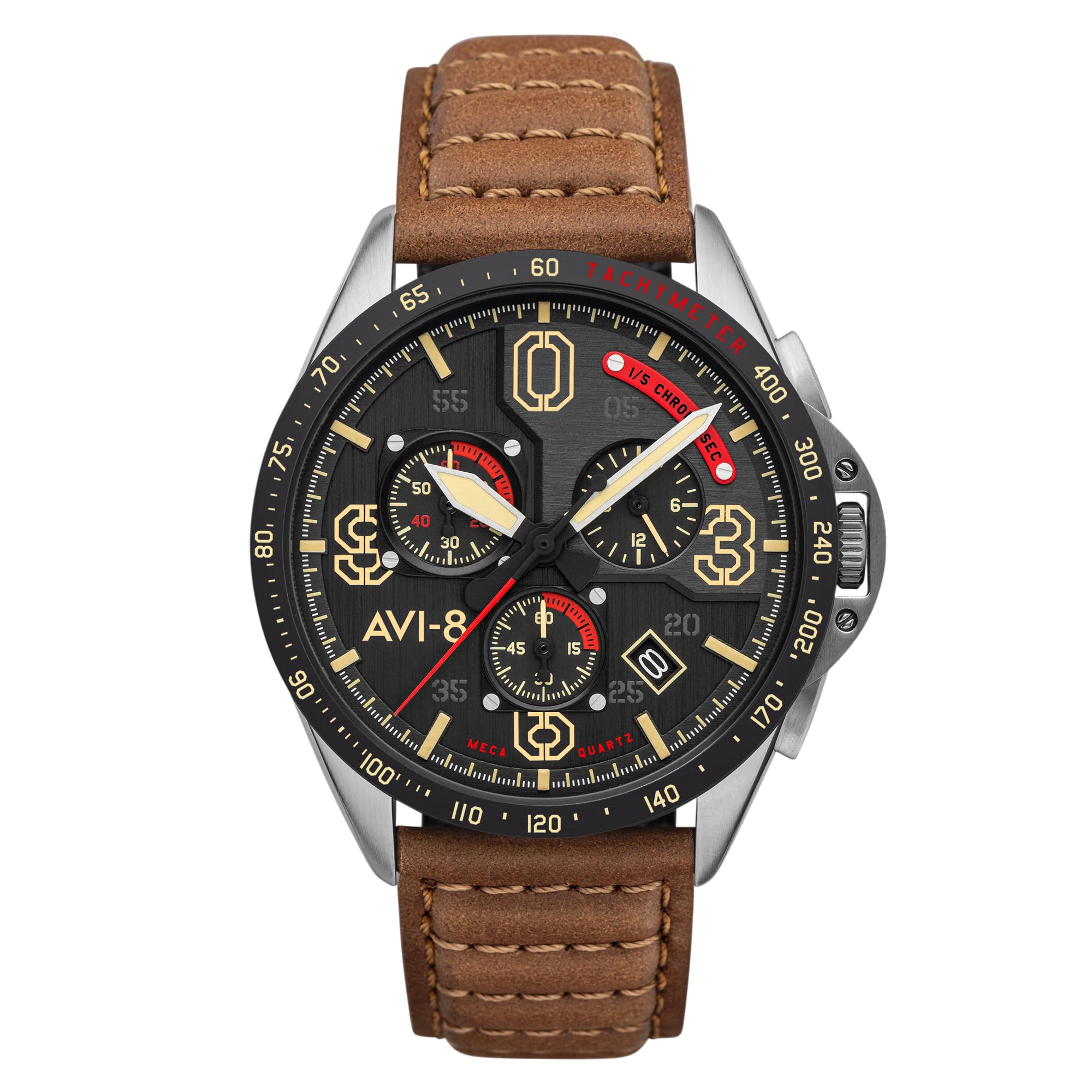


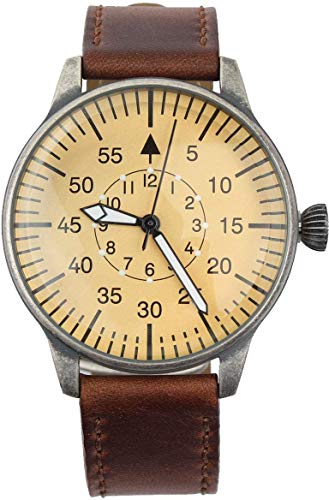
Pilots need quick, reliable time reading in varied light, while enthusiasts may prioritize heritage design and daily comfort. Both buyers benefit from clear dials, solid straps, and honest water resistance.
Consider how you will actually wear an aviation watch before you shop. Daily office wear, weekend flying, and collecting each reward different sizes, straps, and movements, so use case should lead the choice.
Aviation Features Explained
Slide rule bezels let pilots estimate fuel burn, time, distance, and unit conversions without electronics. They reward practice, but they are not a substitute for certified flight instruments or electronic flight bags. Treat them as backup tools and learning aids.
Chronographs time flight legs, holds, and ground stops with subdials for minutes and hours. Clear pushers and a readable seconds hand matter more than extra scales you will never use. Check pusher feel if possible, since stiff pushers frustrate timed tasks.
GMT and dual time functions help pilots and travelers track home time and destination time at once. A clear 24 hour hand or subdial avoids confusion during night flights and long trips across time zones.
Legibility, Size, and Comfort
Legibility is the core aviation virtue. High contrast dials, luminous hands and markers, anti reflective crystals, and uncluttered layouts help you read time at a glance in cockpits, dim cabins, and bright sunlight.
Case size should suit your wrist and your sleeve. Large pilot watches look authentic, but a case that slides under a cuff poorly or dominates a small wrist becomes tiring. Try sizes in person when possible, and check lug to lug length as well as diameter.
Straps affect comfort and safety. Leather suits heritage style, while nylon and rubber handle sweat, rain, and long flights better. A secure strap with a reliable buckle or clasp matters more than strap fashion during active use.
A guide to best aviation smart watches covers connected pilot tools, while best affordable aviation watches focuses on value. For general quality, best quality watches compares build standards, and best aviation watches under 1000 narrows the field by budget. For training use, best workout watches covers sport focused models.
Movements, Durability, and Care
Mechanical movements appeal to collectors for craft and heritage, while quartz movements offer accuracy and low maintenance. Smart aviation watches add flight apps and notifications but need charging and software support. Choose the movement that fits your patience for maintenance.
Durability includes shock resistance, crystal hardness, and water resistance. Sapphire crystals resist scratches, while mineral crystals cost less to replace. Check water ratings honestly, since pilot watches are not dive watches unless rated for diving.
Service intervals matter for mechanical watches. Budget for periodic servicing, keep the watch away from strong magnets when possible, and store it in a dry place. Regular care preserves accuracy and value over decades.
Budget, Value, and Mistakes to Avoid
Prices for aviation watches range from about $100 for quartz field models to $1,000 or more for mechanical pilot watches. Midrange models often offer excellent legibility and build without luxury pricing.
A common mistake is buying the largest, most complicated watch and finding it unreadable or uncomfortable. Another is assuming a pilot style watch replaces flight instruments. Buy for legibility and comfort first, and treat aviation scales as useful extras.
If you fly, confirm that any watch features you plan to use comply with your training and operational rules. Electronic flight bags and certified instruments remain the primary tools, while a watch serves as a reliable backup and time reference.
Frequently Asked Questions
Do pilots still use aviation watches?
Yes, many pilots wear them as reliable backups and quick time references, even though electronic flight bags handle most planning. A watch works without batteries in the case of mechanical models, and it stays readable when screens dim or fail. It complements, but does not replace, certified instruments.
What is a slide rule bezel used for?
A slide rule bezel performs multiplication, division, and unit conversions for fuel, time, speed, and distance estimates. It requires practice to use quickly and accurately, so pilots should learn it on the ground before relying on it in flight. Modern apps handle most calculations faster.
Are aviation watches good everyday watches?
Yes, when size and legibility suit your wrist and style. Clear dials read well in daily life, and durable cases handle travel and outdoor use. Very large pilot watches may feel bulky under cuffs, so check case size against your wardrobe and wrist.
Should I choose mechanical or quartz?
Mechanical watches appeal to collectors and enthusiasts who enjoy craft and heritage, while quartz watches offer better accuracy and lower maintenance. Smart watches add flight apps but need charging. Choose based on how much maintenance and charging you accept.
How do I care for an aviation watch?
Keep it clean and dry, avoid strong shocks and magnets, and service mechanical models on schedule. Check strap condition regularly, since a worn strap risks loss. Store the watch away from direct sunlight and extreme heat when not in use.
Are pilot watches suitable for non pilots?
Yes, since clear dials, durable cases, and classic styling suit everyday wear well. Non pilots should simply ignore slide rule scales they never use and focus on legibility, comfort, and size. A pilot watch need not fly to earn its place on a wrist.
Are aviation watches water resistant enough for daily life?
Most aviation watches handle rain, hand washing, and splashes comfortably when rated accordingly, but they are not dive watches. Avoid swimming, showering, and hot tubs unless the rating explicitly covers those uses. Seal checks after service and impacts preserve water resistance over years of daily wear.
Final Thoughts
The best aviation watches reward legibility, comfort, and honest durability over complication counts. A clear dial you can read at a glance serves pilots and enthusiasts better than a crowded dial you struggle to use.
Use the product table above to compare size and features, then choose the watch that fits your wrist and your flying or daily routine. The right aviation watch becomes a trusted companion for years.
Choose the aviation watch you reach for most mornings, not the one with the longest feature list. Daily wear reveals true value faster than any specification table.