Best Aviation Headsets for Student Pilots of 2026: Complete Buying Guide
Disclosure: We may earn a commission when you buy through links on this page, at no extra cost to you. As an Amazon Associate I earn from qualifying purchases. Learn more

Student pilots: compare the best aviation headsets for student pilots by noise reduction, mic clarity, comfort, plugs, and budget.
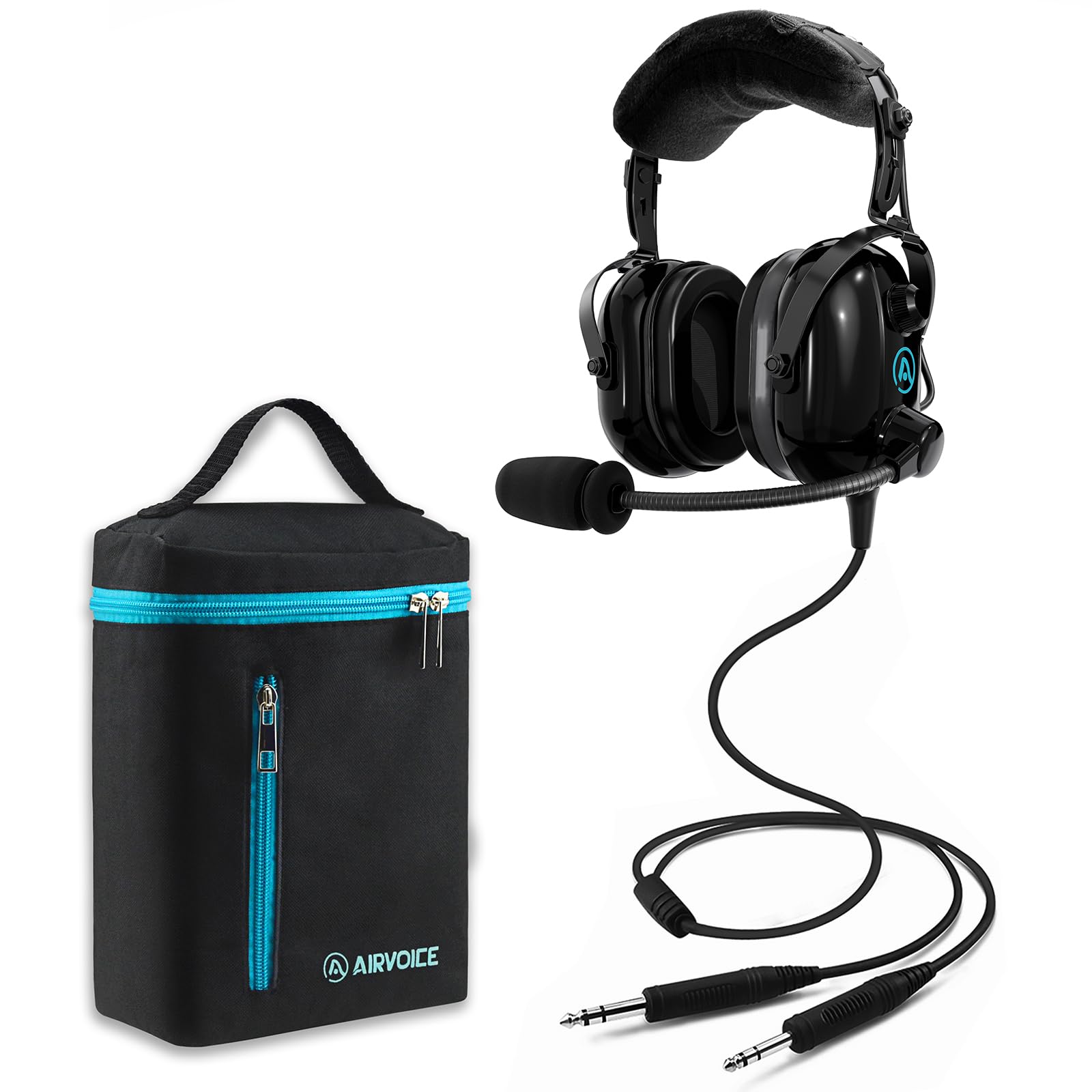
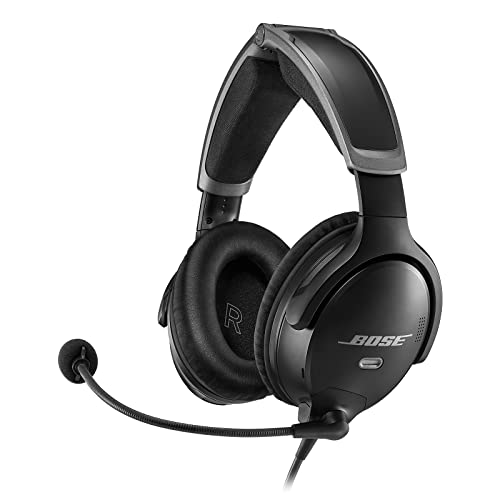
Training flights are loud, busy, and full of new radio calls, so clear hearing matters from the first lesson. The right headset helps you hear your instructor and air traffic control without shouting over engine noise. This guide explains best aviation headsets for student pilots by comparing the features that matter during training, and the product table gives a quick view of the picks.
Student pilots do not need the most expensive headset, but they do need one that fits well, stays comfortable for a full lesson, and works with the training aircraft they fly most often. A poor fit can distract you, a weak microphone can garble your calls, and the wrong plug can leave you unable to connect at all. Use the sections below to match your budget and comfort needs before you buy.




Spending Levels That Make Sense During Training
At a lower level, about $100 to $300, you can expect a solid passive headset with good ear seals, a clear microphone, and a durable headband. This is a sensible start if you fly only a few times each month or are still deciding whether flying will become a long term pursuit. These headsets tend to be heavier than premium options, but many students complete primary training with this type.
In the middle range, about $300 to $600, you will often find lighter designs, better ear cushions, and powered noise reduction that lowers steady engine drone. This range suits students who fly several times each week or who struggle to hear radio calls in louder aircraft. Check battery life, replacement cushion availability, and warranty terms, because these running costs matter as much as the purchase price.
Above that range, about $600 to $1,300, headsets usually offer the lightest build, the most refined noise reduction, and the most comfortable fit for long flights. That level is harder to justify for a student who has only just started, unless you fly very often or already know you will fly for many years. Whatever level you choose, comfort and plug compatibility should come before extra features that add little value in a training cockpit.
How to Choose an Aviation Headset
Features That Matter Most for Student Pilots
Student pilots face a distinct mix of needs. You need to hear an instructor beside you, hear radio calls through the intercom, and speak in short, clear phrases while the aircraft is noisy. A headset that only sounds good in a quiet room can fail in that setting. Prioritize microphone clarity, steady noise reduction, and a secure fit that does not slip during maneuvers.
Sound Quality and Noise Reduction
Passive noise reduction comes from ear cups, seals, and clamping force that block sound before it reaches your ears. Active noise reduction uses powered electronics to lower steady, low frequency engine noise, which can make radio calls easier to follow. Active systems need batteries, so check battery life, whether the headset still works in passive mode when power runs out, and how easy batteries are to change between flights.
Microphone Quality and Placement
A good aviation microphone picks up your voice clearly while rejecting much of the cockpit noise around it. Look for a flexible boom that stays where you place it, and a microphone that sits close to the corner of your mouth without touching your lips. Keep volume at a moderate level during long sessions, and take short breaks between flights.
Comfort, Fit, and Weight
Comfort is not a luxury during training. A headset that presses too hard can cause a headache before a lesson ends, while a loose headset can shift during a steep turn and break the ear seal. Check headband padding, ear cushion material, and overall weight, and consider how the headset feels with sunglasses if you normally wear them. Try the headset for at least 30 minutes when possible.
Connectivity, Plugs, and Panel Compatibility
Most training aircraft use a standard general aviation plug set, with separate plugs for the microphone and the headphones, but some aircraft use different panel jacks, so confirm what your school fleet uses before ordering. A headset with the wrong plug will not connect without an adapter, and adapters can add bulk and another point of failure. Treat wireless audio as a secondary feature, because plug type and radio performance come first.
Battery Life, Durability, and Support
For a passive headset, durability depends mainly on the headband, hinges, cables, and ear seals. For a powered headset, battery life and battery access matter just as much. Look for a cable thick enough to resist kinking, strain relief where the cable meets the ear cup, and ear cushions you can replace without tools. Ask about warranty length and repair options, because a headset that can be repaired is often better value than a cheaper headset that must be replaced.
Types of Aviation Headsets
Use this table to compare the main types before reading the detail in each section.
| Type | Best for | Main tradeoff |
|---|---|---|
| Passive | New students on a tight budget | Heavier and less noise reduction |
| Active noise reduction | Frequent flyers and louder aircraft | Needs batteries and costs more |
| Bluetooth capable | Ground use and phone calls | Extra controls to manage in flight |
| Wired only | Simple and reliable training use | No wireless audio option |
Passive Headsets
Passive headsets use only ear cups and seals to reduce noise, so they need no batteries and have fewer parts that can fail. They are usually the most affordable option and a good choice for quieter training aircraft. The tradeoff is weight and clamping force, because the seal must do all the work, and that pressure can become tiring over a long lesson.
Active Noise Reduction Headsets
Active noise reduction headsets add powered electronics that reduce steady engine noise, which can make long flights less tiring and radio calls easier to understand. They suit students who fly several times each week and pilots who plan to keep one headset for years. Always confirm that the headset still passes sound in passive mode if the battery dies, so a flat battery does not end your lesson early.
Bluetooth Capable Headsets
Bluetooth capable headsets can connect to a phone for calls or audio on the ground, and some can mix that audio with intercom sound in flight. This can be useful for briefing or training audio before a flight. During flight, however, extra audio can distract you from radio calls, so use it sparingly and keep the volume moderate.
Wired Only Headsets
Wired only headsets connect directly to the aircraft panel and need no pairing, charging, or wireless setup. That simplicity is a real advantage for students, because there is less to troubleshoot before a lesson. The cable can snag if it is very long, so route it carefully and keep excess cable out of the way of controls.
How to Make Your Aviation Headset Last Longer
- Store the headset in a case to protect the headband, ear cups, and cable from crushing and dust.
- Clean ear cushions and microphone windscreens regularly with a soft, dry cloth, and replace worn cushions before the seal starts to leak sound.
- Avoid max volume for long sessions, and keep listening levels moderate to reduce fatigue.
- Check the cable for kinks, cuts, and loose plugs before each flight, and replace a damaged cable promptly rather than waiting for it to fail in the air.
- Remove batteries from a powered headset if you will not fly for several weeks, and store spare batteries away from heat.
- Keep firmware and any companion app updated only when you have time on the ground to check the headset again before your next lesson.
For study use, see our guide to best headsets for student pilots. For a broader view, see our guide to best aviation headsets and our guide to best pilot headsets. For general study sessions, compare best headsets for students, and for larger general aviation aircraft, read best general aviation headsets.
Aviation Headsets: Your Questions Answered
What features matter most in aviation headsets for student pilots?
Microphone clarity, comfortable fit, reliable noise reduction, and correct plug compatibility matter most for student pilots. These features affect every lesson, from hearing your instructor clearly to making radio calls without repeating yourself. A headset that fits poorly or uses the wrong plug will distract you even if it has impressive extra features. Start with those four basics, then consider battery life, weight, and warranty as secondary factors that affect long term value.
What should student pilots know about hearing protection in the cockpit?
Student pilots should treat hearing protection as an important part of every flight, not as an optional comfort feature. Cockpit noise is loud and constant, and long exposure can cause fatigue over time. A good ear seal, moderate volume levels, and breaks between flights all help, but they do not replace proper fit and consistent use. If you notice ringing in your ears after flights, or if radio calls seem harder to hear over time, ask your doctor or a hearing professional, and follow the manufacturer's instructions for fit.
Do student pilots need active noise reduction?
Student pilots do not need active noise reduction to learn to fly, but many find it helpful in louder aircraft or on longer lessons. Passive headsets work well for primary training, especially in quieter aircraft and for students who fly only a few times each month. Active noise reduction becomes more valuable when you fly often, when lessons last more than an hour, or when engine noise makes radio calls hard to follow. Try both types if your school has loan headsets, and weigh battery cost against the comfort gain.
Is a Bluetooth connection worth the extra cost for a student pilot?
A Bluetooth connection is worth the extra cost only if you will actually use it on the ground for calls, briefing audio, or training material. In flight, Bluetooth audio can distract you from radio calls, so most students should keep it muted or off while airborne. If you mainly need a reliable training headset, spend the difference on better ear cushions, a lighter design, or a longer warranty instead. Bluetooth is a convenience feature, not a training requirement.
Wired or wireless: which sounds better for training flights?
Wired headsets usually sound more consistent for training flights because they connect directly to the intercom without pairing or battery concerns. Wireless audio can sound good on the ground, but it adds setup steps, battery management, and a possible point of failure before a lesson. For primary training, a wired connection keeps your focus on flying and radio work rather than on device settings. Choose wireless only if you have a clear ground use for it.
Final Thoughts
The best choice for a student pilot is the headset you will actually wear for every lesson, with a fit that stays comfortable, a microphone that keeps your calls clear, and plugs that match your training aircraft. Spending more can buy lighter weight and better noise reduction, but it cannot fix a poor fit or the wrong plug. Compare spending levels honestly, and check parts and warranty terms before you buy.
Before you order, confirm your school fleet plug type, and try the headset for a full lesson if you can. With the right fit and clear radio sound, best aviation headsets for student pilots become a training tool that helps you learn faster and fly with less fatigue, as the picks in the product table show.