Best Aviation Headsets for Every Need: How to Pick the Right One in 2026
Disclosure: We may earn a commission when you buy through links on this page, at no extra cost to you. As an Amazon Associate I earn from qualifying purchases. Learn more

Match best aviation headsets to your flying: noise class, microphone clarity, plugs, comfort and budget, with the cockpit checks to run before you buy.
There is no single headset that suits every cockpit, because the flying itself changes what matters. A student grinding out pattern work in a loud trainer needs something different from a private pilot flying three hour legs or an instructor who wears a headset all working day. The way to find the best aviation headsets for you is to name your need first, then match noise class, microphone clarity and fit to that need, and only then look at price.
The product table below collects the current field so you can see how the classes spread out before you read on. Keep your own flying in mind as the filter: hours per month, typical leg length, and the noise level of the aircraft you fly most.


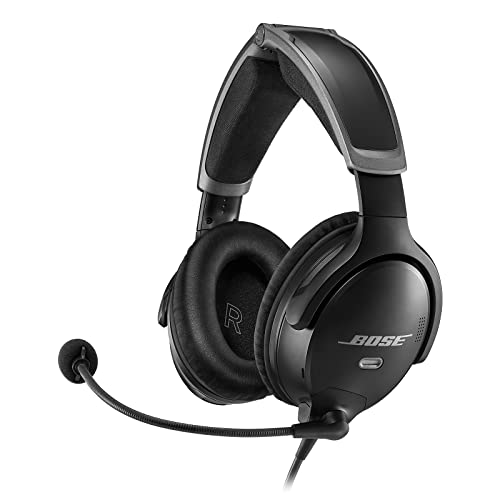


Start With the Cockpit: Noise Class and Flight Length
The first checks are about your aircraft, not about headsets. Piston trainers are loud in a way that punishes thin ear seals, while a well insulated cabin cruiser is a gentler environment where a lighter headset can do fine. Be honest about which cockpit you actually sit in most weeks, because a headset bought for the aircraft you wish you flew will disappoint you in the one you do fly.
Flight length is the second check. A headset that feels fine for forty minutes can become a clamp you resent at hour three, and battery powered noise reduction that is a luxury on short hops becomes a real quality of life feature on long legs. Renters and club flyers should add a third check: you move between aircraft, so plug compatibility and a headset that tolerates being carried in a flight bag matter more than shaving off a few grams.
One comparison helps frame the classes. Shoppers who know consumer best noise cancelling headsets from air travel should note that aviation sets add two things those lack: a microphone built to be understood over engine noise, and plugs and wiring made for aircraft panels. The noise reduction thinking transfers; the communication side is its own discipline, and it is the side that matters most.
Who Should Buy Which Aviation Headsets?
Student Pilots in Loud Trainers
Students need clarity and durability before anything else. Training aircraft are noisy, lessons are short and intense, and the headset will be knocked around in bags and briefers. A sturdy passive headset, or an entry active one, with a clear microphone and replaceable ear seals suits this stage well. Money is usually better spent on lessons than on premium features, provided the basics of fit and intelligibility are solid.
Fit deserves special care for students, because a distracting headset steals attention from flying at exactly the stage when attention is scarce. If you wear glasses, read the glasses section below before buying, since temple arms breaking the ear seal is the most common student complaint after raw noise.
Private Pilots on Longer Flights
Once your typical leg stretches past an hour or two, comfort and noise fatigue move to the top of the list. Active noise reduction earns its keep here: it lowers the steady engine and airflow roar that wears you down, so you step out of the aircraft less tired. Lighter clamping force, soft seals and a headband that spreads pressure all matter more than small differences in electronic specification.
This group also benefits from thinking ahead about power. A headset that can run from panel power, or that sips batteries slowly, suits pilots who fly often enough that battery swaps become a chore. Consider how the headset will live between flights too: a good case is part of the purchase, not an afterthought.
Instructors and High Hour Flyers
Instructors wear a headset the way other people wear shoes at work, so durability and serviceability lead their list. Look for designs with replaceable ear seals, cables and microphone windscreens, because those are the parts that wear, and a headset you can refresh cheaply beats a costly one you must replace whole. A clear, consistent microphone matters doubly when your voice is the teaching tool and your students are straining to understand you through the intercom.
Approval can also enter the picture at this level. Some schools, clubs and operators specify equipment classes for the flying they oversee, so check any house rules before buying rather than after. The operator rules govern your purchase, and the time to learn them is before money changes hands.
Passengers and Occasional Flyers
Passengers need something simpler: a comfortable passive headset that lets them hear the intercom, join the conversation and follow along without a headache. Owners who carry passengers often keep one or two affordable passive sets in the aircraft for exactly this role, and that is a sensible pattern to copy. Prioritise easy volume control and a microphone that can be swung away, plus seals that fit a range of head sizes without fuss.
If you fly only a few times a year as a guest, borrowing or using the aircraft's own spare set is entirely reasonable. Buy your own when you start flying monthly, or when sharing headsets stops feeling hygienic, whichever arrives first.
Choosing the Best Aviation Headsets for Your Situation
Best Aviation Headsets under 500
The under 500 band is where the market gets genuinely good. Around this level you can choose between a well built passive headset with money left over, or an active noise reduction model from the established aviation classes. The deciding criteria are your cockpit noise and your leg length: loud aircraft and long flights argue for active reduction, while quieter cabins and short hops let a strong passive set do the job for less.
Watch the running costs inside this band. Active models consume batteries or need panel power leads, and replacement seals and windscreens are consumables over the years. A slightly cheaper headset with affordable spares can cost less to own than a dearer one with costly parts, so price the whole ownership, not just the box.
Best Affordable Aviation Headsets
Affordable in aviation terms means honest basics done properly: a sealed ear cup that fits, a microphone people can understand, and construction that survives a flight bag. The best affordable aviation headsets protect those three things and economise elsewhere, on carry cases, finishes and extra electronics. That is the right order of priorities, and it is why an affordable aviation set can serve a student or a passenger for years.
The trap at this end is false economy on the microphone. A muffled or crackly transmission makes you repeat calls, which is annoying in the pattern and genuinely unhelpful when a controller is busy. If you must choose where the limited budget goes, put clarity first, then seal fit, then everything else.
Best Aviation Headsets for Glasses
Glasses wearers lose noise reduction at the point where the temple arm crosses the ear seal, and they gain a pressure point at the same spot. Headsets that serve glasses wearers well answer with softer, more compliant seals that mould around the arms, and with gentler clamping force spread over a wider cushion. Some pilots also do well with seals that have a small channel or a thinner section where the arm passes.
Two practical habits help as much as the hardware. Put your glasses on after the headset, resting the arms on top of the seal rather than spearing through it, and consider thinner temple arms on the glasses you fly with. Judge any headset for this need over a full hour of wearing, because the pressure point that ruins the flight rarely announces itself in the first five minutes.
Best Inexpensive Aviation Headsets: What to Prioritize
At the lowest prices, prioritise in this order: microphone clarity, ear seal integrity, then comfort, then features. The best inexpensive aviation headsets are simple passive designs that do those fundamentals without pretending to be quiet cockpits in a box. Expect heavier weight, basic headbands and few creature comforts, and accept them happily if the fundamentals hold.
What to skip at this level is any powered feature that looks too cheap to be true. Poorly done active reduction can hiss, pump and distract, which is worse than honest passive quiet. A plain passive set from a maker with available spare parts will outserve a feature heavy bargain almost every time.
Best Pilot Aviation Headsets: What to Prioritize
Working pilots prioritise reliability and communication above novelty. The best pilot aviation headsets for daily use pair a microphone that stays consistent across intercom systems with construction that tolerates constant handling, plus noise reduction matched to the fleet noise. Bluetooth links to a phone, music inputs and similar extras are pleasant, but they rank below being understood the first time, every time.
Professional buyers should also weigh the support behind the headset: spare part availability, turnaround on repairs, and a warranty that reflects commercial use. A headset is a tool of the trade at this level, and downtime has a real cost in cancelled lessons and rebooked flights.
Key Features to Compare
Noise Reduction: Passive and Active Classes
Passive reduction is the older and simpler class: ear cups and seals block sound physically, and the quality of the seal decides the result. It needs no power, never runs flat, and works across the whole flight. Its limit is the low frequency roar of an engine, which physical blocking reduces least, and that roar is exactly what tires pilots on long legs.
Active reduction adds electronics that sample the noise and cancel much of that low roar before it reaches your ear. It works on top of the passive seal, not instead of it, so a poor seal undermines both. Two honest cautions apply to both classes: a headset lowers the noise at your ears without guaranteeing anything about your hearing, which also depends on total exposure and habits across your flying life, and maker noise figures are measured in controlled conditions, so treat them as class indicators rather than promises about your cockpit.
Microphone Clarity: The Feature That Matters Most
If one feature deserves your budget, it is the microphone. Radio work is a safety relevant activity: a call that is misheard or must be repeated costs attention at busy moments, and a transmission nobody can copy is worse than none because it creates false confidence. Look for a noise cancelling microphone boom that holds its position close to your lips, and for consistent performance across the intercoms in the aircraft you fly.
Details that matter in practice include how the microphone handles wind and breath noise, whether the boom stays where you set it when you look around the cockpit, and how your voice sounds at low volume when the cabin is quiet. When you compare candidates in the product table above, give the microphone sections of each listing more weight than the entertainment features.
Plugs, Panels, and Compatibility
Most light aircraft use the twin plug arrangement, one for the headphones and one for the microphone, while some panels offer powered sockets that can also feed an active headset. Helicopters and some other fleets use different plugs again. None of this is glamorous, and all of it decides whether your new headset works on your first flight with it, so confirm the plug standard of every aircraft you fly before ordering.
This is also the natural home of the wider fleet question: the range covered by best general aviation headsets assumes the same twin plug world, and adapters exist for many mismatches. Adapters are a workable bridge for occasional flying in an odd panel, but a headset that plugs in directly is the better daily answer for the aircraft you fly most.
Comfort, Clamp, and Weight on Long Flights
Comfort is a system of small things: total weight, where the headband puts its pressure, how hard the ear cups clamp, and how hot the seals get. Light headsets reduce neck fatigue, but a slightly heavier set with well spread pressure can feel better at hour three than a featherweight with one hard contact point. Gel seals feel plush and seal well around glasses, while foam seals are lighter and cheaper to replace.
Judge comfort over time, not in a shop minute. Borrow a set for a lesson if you can, or buy from a seller whose return terms let you fly with the headset before committing. Your head shape is the final specification, and no review or table can substitute for it.
Power, Batteries, and Backup
Active headsets need power, and power management is part of ownership. Battery powered control boxes are simple and portable between aircraft, while panel powered versions end battery anxiety for owners of a single aircraft but tie the headset to that panel. Know what your headset does when power fades: most keep working as passive headsets, which is the right failure mode, but check whether the microphone path depends on the control box in your chosen design.
Build a habit either way: spare batteries in the flight bag, a preflight glance at the indicator, and seals and windscreens replaced on schedule rather than on failure. Small disciplines like these are what separate a headset that serves for a decade from one that annoys you within a year.
Approval and Operator Rules Come First
Before falling for any feature list, check the rules that govern your flying. Some operators, schools and commercial settings require headsets from approved equipment classes, and some roles specify communication equipment standards outright. Those rules are not fine print to discover later; they decide what you are allowed to plug in, and the operator word governs the purchase.
Private owners flying their own aircraft have the widest freedom, and even they answer to the practical check of the panel and the intercom fitted. When you judge build quality for this kind of long service, the broader market surveyed under best quality headsets shows the same pattern as aviation: honest materials, replaceable wear parts and real warranty support separate the durable classes from the disposable ones. Buy once, buy serviceable, and keep the receipts with your aircraft paperwork.
Common Mistakes to Avoid When Buying Aviation Headsets
- Buying for the aircraft you hope to fly instead of the one you actually fly most, which mismatches both noise class and plugs.
- Judging a headset in a quiet shop and never checking the ear seal with your own glasses and hairstyle in place.
- Spending the whole budget on noise reduction while ignoring the microphone, when clarity is the feature other people depend on.
- Forgetting the running costs: batteries, ear seals, windscreens and cables are part of the price of an active headset.
- Skipping the operator or school rules until after purchase, then discovering your chosen class is not approved for your flying.
Care and Habits That Keep a Headset Working
Store the headset in its case rather than loose in the flight bag, because crushed seals and bent booms are the most common avoidable damage. Wipe the ear seals after flights in hot weather, and replace seals and microphone windscreens on a schedule: they are inexpensive, they restore both comfort and noise performance, and waiting for them to crumble costs you seal quality for months before they finally fail.
Check cables at their strain points, keep plugs clean and dry, and run a ground check of the headset whenever something changes: a new aircraft, a new intercom, a fresh set of batteries. Small checks on the ground are free; discovering a dead microphone while taxiing out is not. Treat the headset as flight equipment, because that is what it is.
Aviation Headsets: Questions Answered
Can one aviation headset work in every aircraft?
Not always, because plug standards differ between fleets. The twin plug arrangement covers most light aeroplanes, but helicopters and some panels use other sockets, and panel powered headsets need a matching powered socket. Adapters bridge many of these gaps and are fine for occasional use. If you fly several aircraft regularly, list their sockets before you buy and choose the headset, plus any one adapter, that covers your real week rather than an imagined one.
Does an active aviation headset still work when its battery dies?
Yes, in most designs the headset keeps working as a passive headset when the power runs out, so you lose the extra quiet rather than your ability to hear the intercom. The detail worth checking is the microphone: in some control box designs the microphone path assumes power, so confirm the fail safe behaviour of the exact class you are considering. Carrying spare batteries in the flight bag turns the whole question into a minor event instead of a spoiled flight.
How long do aviation headset ear seals last?
Expect roughly one to two years of regular use from a set of ear seals, less in hot climates and in aircraft that live outside. Seals harden and crack with age and sun, and the noise performance fades gradually, so many pilots never notice how much quiet they have lost until new seals go on. Replacing them is one of the cheapest upgrades in aviation: the headset feels new, the seal improves, and passive and active reduction both work better on a fresh seal.
Can passengers use inexpensive headsets on the same intercom as the pilot?
Yes, and it is a common, sensible arrangement. The intercom does not care that the headsets differ in class, though you may notice small differences in microphone volume and tone between seats, which the intercom volume controls can usually balance. Give the pilot seat the clearest microphone in the aircraft, since that is the voice the controllers hear. Passengers mainly need comfort and intelligibility, and a modest passive set delivers both without competing for the purchase budget.
Are aviation headsets worth it for flight training?
Yes, owning your headset during training is worth it for most students. You get a consistent fit and microphone from lesson to lesson, better hygiene than shared school sets, and one less variable while you are learning radio work under pressure. The sensible spend is on a solid passive or entry active set rather than a flagship: training aeroplanes are loud, lessons are short, and the money saved buys flying hours, which is where progress actually comes from.
Final Thoughts
Buy in this order: your cockpit noise and flight length first, then approval and plug checks, then microphone clarity, then comfort over real hours, and only then the extras. That order keeps the safety relevant things at the top, where they belong, and it explains why two pilots can correctly choose completely different headsets for the same money.
Chosen that way, the best aviation headsets for you are simply the ones matched to your flying rather than to a ranking. Set your shortlist against the product table above, confirm the plugs and the rules that govern your flying, and then commit to the set you will still be happy to wear on a hot afternoon three years from now.