Best Automatic Pasta Maker: Types and Buying Tips (2026)
Disclosure: We may earn a commission when you buy through links on this page, at no extra cost to you. As an Amazon Associate I earn from qualifying purchases. Learn more

Compare compact, family size and multi die extruders to find the best automatic pasta maker for your batch size and counter space.
Picture a Tuesday night when dinner needs to happen fast, the counter is already crowded, and nobody wants another pot of dried pasta from a box. That is when an automatic extruder earns its place, since it mixes, kneads, and pushes out fresh noodles while you handle the sauce. Finding the best automatic pasta maker for your home comes down to batch size, storage space, and how often you will truly use it, and the comparison table below lays those tradeoffs side by side.
This guide stays focused on real homes rather than professional kitchens. You will see which type suits a couple, which suits a family that cooks pasta weekly, and what each budget level buys. If you are still weighing every style at once, start with our broader guide to the best pasta maker and then come back here for the automatic details.

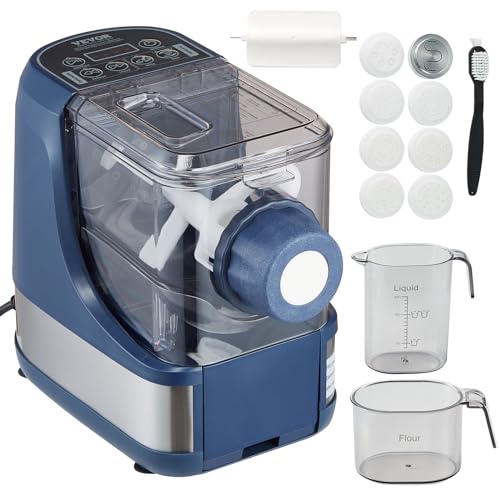


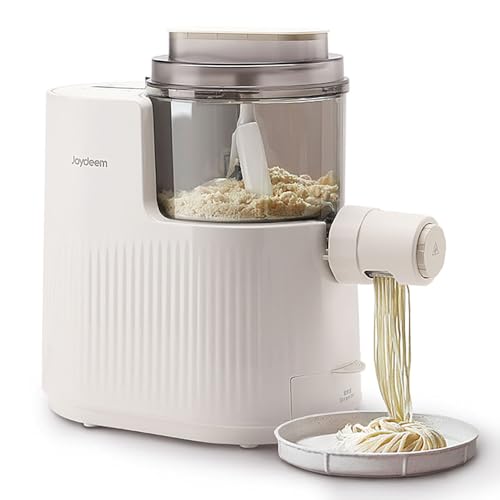
Quick Answer: Three Types in 30 Seconds
Automatic pasta makers all extrude dough through shaped dies, but they split into three useful groups. Match the group to your household first, and the rest of the choice gets simpler.
- Compact extruders: batches of about a pound, few dies, easy storage, best for one or two people.
- Family size extruders: batches closer to two pounds, stronger motors, best for weekly pasta nights.
- Full featured extruders: many dies, sometimes a built in scale, best for cooks who want varied shapes.
Before You Buy: A Quick Checklist for Choosing a Pasta Maker
Run through these six checks before you compare models. Once the machine arrives, our walkthrough of how to use a pasta maker will help your first batches go smoothly, but the checks below decide whether you bought the right machine.
Which Type Fits Your Routine
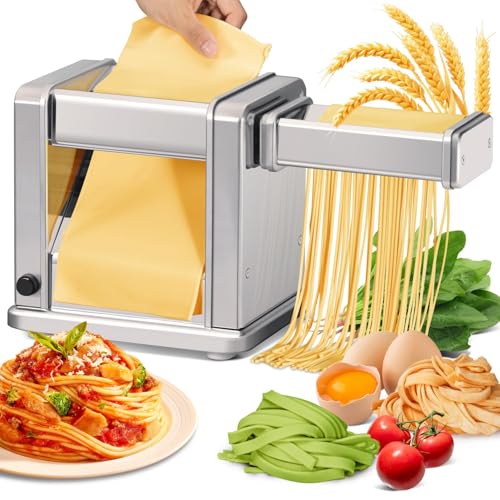
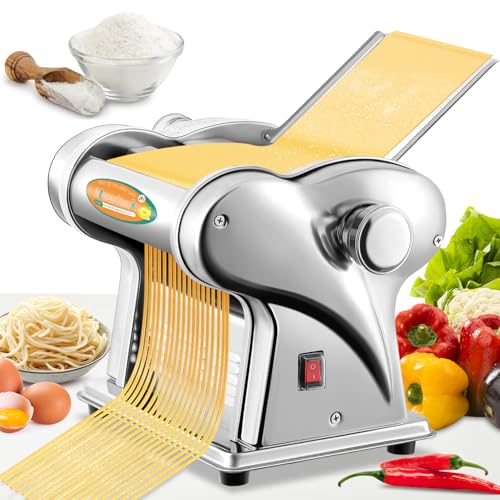
Automatic in this category means an extruder that mixes and kneads inside a chamber, then forces dough through a die to form spaghetti, penne, fettuccine, and similar shapes. A roller machine instead flattens dough into sheets for cutting or lasagna. If sheets matter more than tubes and strands, look at the best electric pasta maker options built around rollers instead. Choose an extruder when you want shaped pasta with little hands on work once ingredients go in.
Features Worth Paying For and Ones to Skip
Pay for dies you will actually cook with, a chamber that locks firmly, and parts that come out without a fight, since cleanup decides whether the machine gets used weekly or gathers dust. A built in scale that weighs flour and prompts the right liquid amount helps new users get dough texture right. Skip giant die bundles if half the shapes duplicate what you already get, and skip a cutter attachment unless you dislike guiding strands by hand, because a simple bench scraper does the same job.
Wattage, Power and Energy Use
Most home extruders draw about 150 to 300 watts, and what matters more than the number is extrusion pressure, felt as steady output without the motor straining or dough stalling. A stronger motor helps with firm semolina doughs, which need more force than soft all purpose flour doughs. Energy cost per batch stays tiny because a batch finishes in about 15 to 20 minutes.
Safety Features and Certifications
Look for a UL or ETL listing, which means the electrical design passed independent safety testing for home use in the United States. A lid interlock that stops the motor when you open the chamber matters in busy kitchens, since curious hands stay clear of the moving paddle and extrusion screw. Stable feet and an automatic stop when the motor overheats round out the features worth checking before you order.
Counter Space and Dimensions
Measure the spot where the machine will live, including clearance in front, because extruded strands need room to fall and be cut without hitting a cabinet door or the sink edge. Compact models often occupy about the footprint of a large loaf pan, while family size models can take twice that area. If storage is a closet or deep drawer, weigh the machine as well, since a heavy unit that annoys you to lift tends to stay unused.
Realistic Budget Ranges
Spending under $50 buys manual rollers and simple tools rather than a true automatic extruder, so treat any listing that promises full automation at that price with care. Staying under $100 covers basic entry level extruders with a few dies and mostly plastic housings, fine for trying the habit. Most homes land at about $100 to $200, with stronger motors, better dies, and easier cleaning. Paying about $200 to $300 adds larger capacity, metal reinforced parts, more shapes, and quieter running for weekly use.
Types Compared: How Automatic Models Differ
Here is how the three types feel in daily use.
Compact Models for One or Two People
A compact extruder makes about a pound of pasta per batch, enough for two generous servings with a little left over. The smaller chamber mixes small amounts of flour evenly, which big machines struggle with when filled too low. Storage is the real win, since these models fit in a cabinet easily. The tradeoff is back to back batches for guests, so hosts who cook for six or more will find the size limiting.
Larger Models for Family Batches
Family size extruders handle closer to two pounds per batch, so one run covers dinner for four to six people without a second mixing cycle. Motors on these models sustain pressure through the whole batch, keeping strand thickness even from first noodle to last. Many include dies for both strands and tubes, covering most weeknight recipes. They do ask for permanent counter space or a low shelf, and the larger chamber takes a few extra minutes to wash, so the size only pays off when batches are genuinely large.
Models With Many Dies and Attachments
Some extruders ship with eight or more dies covering shapes like shells, rigatoni, and thick udon style noodles, plus add on dies sold later. This range suits cooks who treat pasta night as a project and want a new shape each week. A ravioli attachment belongs to roller machines rather than extruders, so do not pay extra expecting an extruder to fill and seal ravioli. Judge these models on die quality and part storage, since a box of loose dies quickly becomes a box nobody opens.
Our Selection Process for Automatic Pasta Makers
We weighed capacity against household size, extrusion steadiness, how fully the chamber and dies come apart for washing, noise during mixing, safety listings, and warranty length. We also read verified owner reviews for patterns, such as repeated notes about dough sticking or dies cracking. Cost of extra dies and parts counted as well, since a low purchase price matters less when a single spare die costs a large share of the machine.
What We Like and What We Do Not Like About Automatic Models
The biggest strength is effort. You add flour and liquid, and the machine handles mixing, kneading, and shaping while you cook everything else. Texture stays consistent across the batch, and cleanup centers on one chamber and a few dies. Compared with the best manual pasta maker styles built on rollers, an extruder gives you tubes and shells that a roller cannot form, and dinner moves faster on a weeknight.
The tradeoffs are real. Extruders cost more, make some noise, and produce strands with a slightly rougher surface than rolled sheets, which some cooks love for sauce grip and others notice in delicate dishes. Sheets for lasagna still need a roller, and anyone who enjoys cranking dough by hand may prefer the best hand crank pasta maker route for its quiet build and lower price. Automatic wins on speed and shapes, not on every front.
Common Buying Mistakes to Avoid
- Buying the largest capacity for a two person home, which wastes counter space and makes small batches mix poorly.
- Ignoring die storage, so loose parts get lost and shapes you paid for never get used.
- Judging by die count alone, when five shapes you love beat fifteen you will never cook.
- Skipping the footprint check, then finding the machine blocks a cabinet door every time it runs.
- Expecting an extruder to make lasagna sheets or filled ravioli, jobs for roller machines.
- Forgetting spare part prices, which can turn a cheap machine into a poor deal when a die cracks.
Cost of Ownership and Care
Running costs stay low. Electricity for a batch costs very little, flour and eggs are the main expense, and the parts you replace over time are dies, mixing paddles, and occasionally a chamber lid. Store dies dry and together in one container, and never force dough that looks too dry, since strained parts wear fastest. For the full routine, our guide to how to clean a pasta maker covers the details that keep flour from hardening inside the chamber.
Your Questions, Answered
What is the most reliable pasta maker brand?
Reliability tracks design and support more than the badge on the front. Machines last longest when the motor is sized generously for the chamber, spare dies and paddles stay in stock, and the warranty runs at least a year. Before choosing, search the brand name with the words replacement parts and read recent owner notes about service. A maker that sells parts openly for older models signals a confidence that a famous name alone cannot guarantee.
How do you clean a pasta maker?
Let leftover dough inside the dies dry for a few hours, then push it out with the cleaning tool or a toothpick, since dry dough crumbles free while wet dough smears and clogs the holes. Brush flour from the chamber, wipe parts with a barely damp cloth, and wash only the pieces the manual allows in water. Never soak the motor base, and let parts air dry fully before reassembly, because trapped moisture turns stray flour into a hard paste.
Is a pasta maker worth it?
It is worth it when fresh pasta already appears on your table at least twice a month, either bought from a store at a premium or made by hand with effort you would happily hand off. Households that cook pasta a few times a year rarely recover the cost or the storage space. One useful check: if you can name the exact spot the machine will live before ordering, you are far more likely to use it enough to justify the purchase.
How long does a pasta maker last?
A well kept home extruder often serves for years of weekly use, and the earliest wear usually shows in small parts rather than the motor. Watch for dies that extrude uneven strands, a paddle that flexes under normal dough, or a motor sound that turns strained halfway through a batch. Those signs point to a worn part worth replacing early. Replacing a single die or paddle costs far less than a new machine, which is why parts availability matters at purchase time.
Are automatic pasta makers worth it?
They are worth it when your barrier is time and effort rather than money. A roller setup demands mixing, resting, rolling, and cutting as separate active steps, while an automatic machine folds most of that into one short cycle you can run while a sauce simmers. Buy one for the tubes, shells, and weeknight speed, and the upgrade tends to justify itself.
What is the best automatic pasta maker?
The right answer is the model whose batch size matches your table, whose footprint fits the spot you measured, and whose dies cover the shapes you cook most. Start with the product table above, narrow to one type, then use the return window wisely by running a simple semolina dough in your first week. That first batch tells you more about fit, noise, and cleanup in your kitchen than any rating can, and swapping early beats forcing a poor match.
Final Thoughts
An automatic extruder turns fresh pasta into a weeknight habit instead of a weekend project, as long as the size, dies, and footprint match your home. Small households do best with compact models, families gain most from larger chambers, and shape collectors should pay for die quality over die count. Whichever type you choose, the best automatic pasta maker is the one you will pull out gladly every week, so let your routine, your storage, and the product table above guide the final call.