
Best Auto Changeover Thermostat 2026 Guide
Disclosure: We may earn a commission when you buy through links on this page, at no extra cost to you. As an Amazon Associate I earn from qualifying purchases. Learn more

Learn how auto changeover thermostats switch between heating and cooling. Compare features, wiring, and compatibility before you buy one. Shop smart.
Choosing the best auto changeover thermostat takes the guesswork out of spring and fall, when mornings need heat and afternoons need cooling. Instead of switching modes by hand, the thermostat changes automatically between heating and cooling to hold your chosen temperature. That convenience matters most in homes with variable weather and in rooms that swing between warm and cool during the day.
The comparison table below summarizes the main options, and this guide explains changeover logic, compatibility, and installation. Read it before buying, so the thermostat suits your heating and cooling system rather than fighting it.
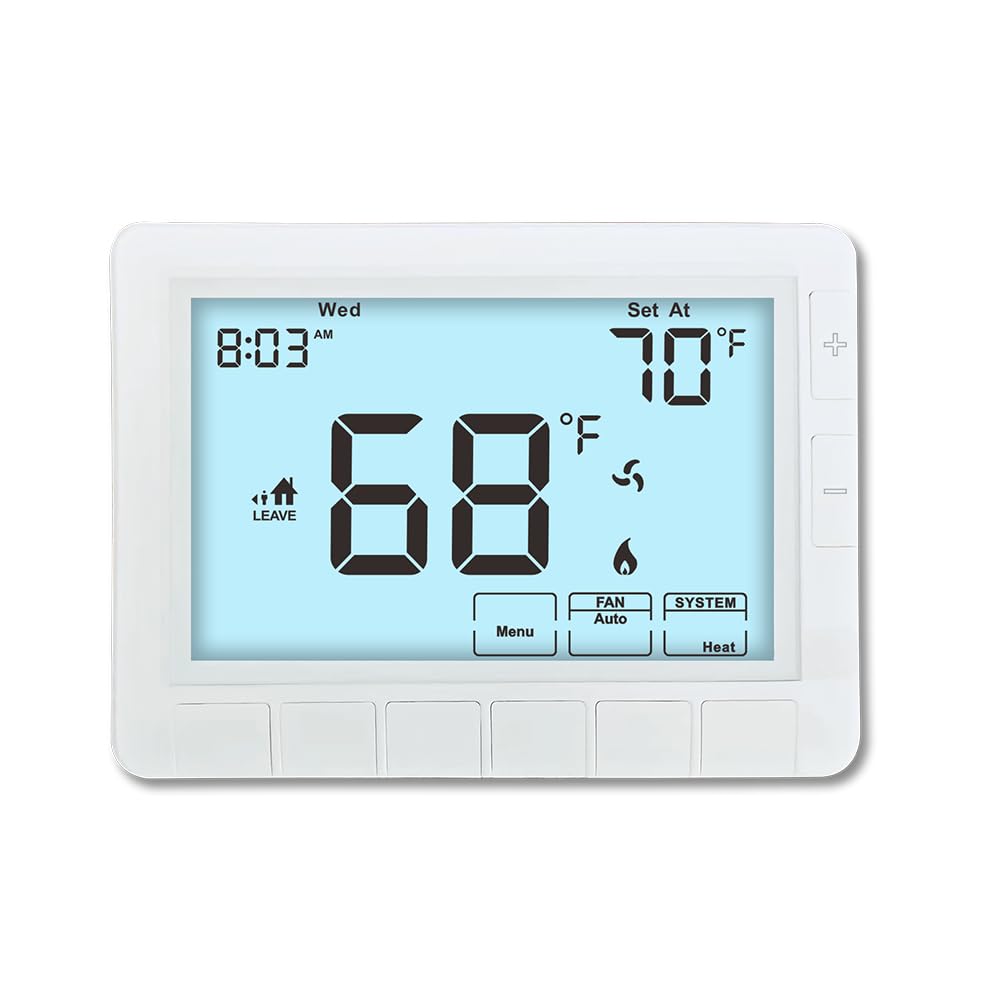
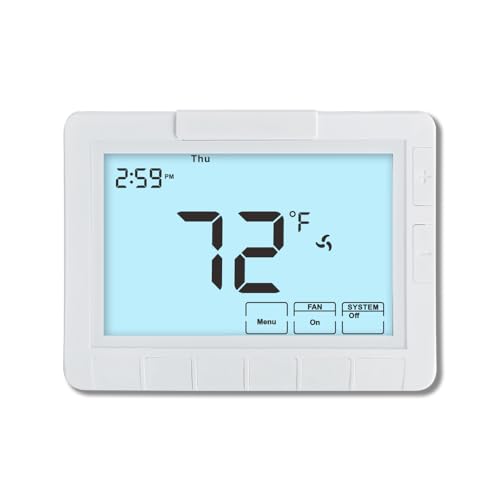

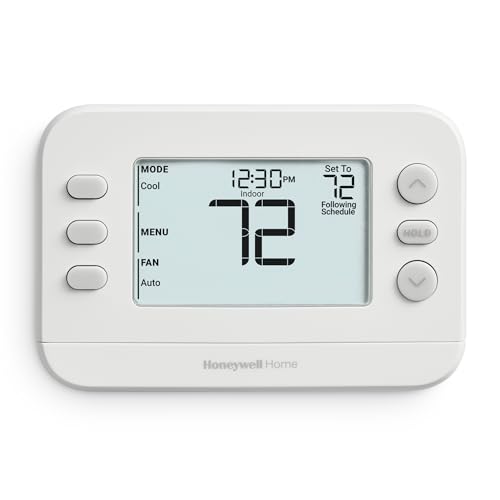

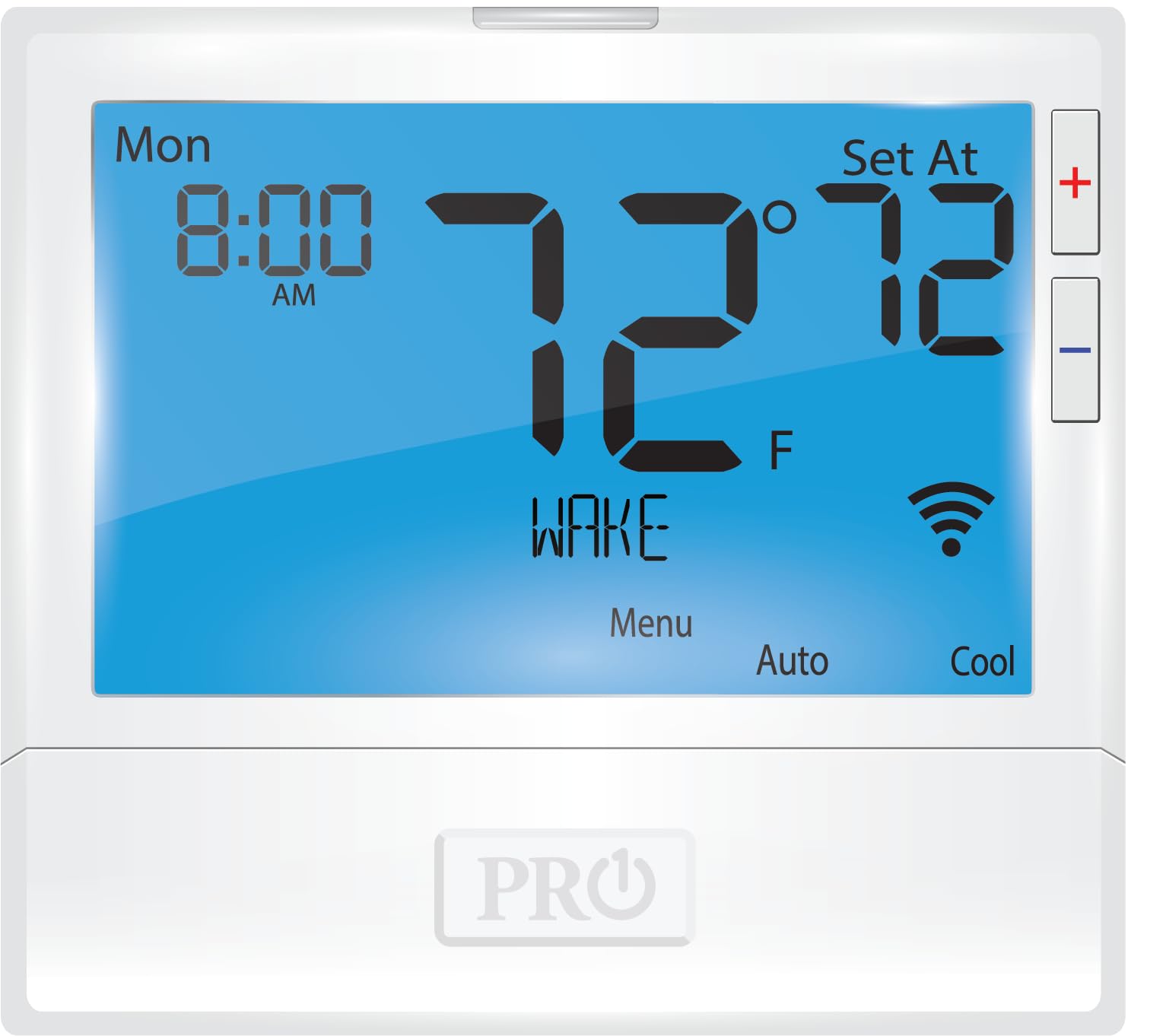

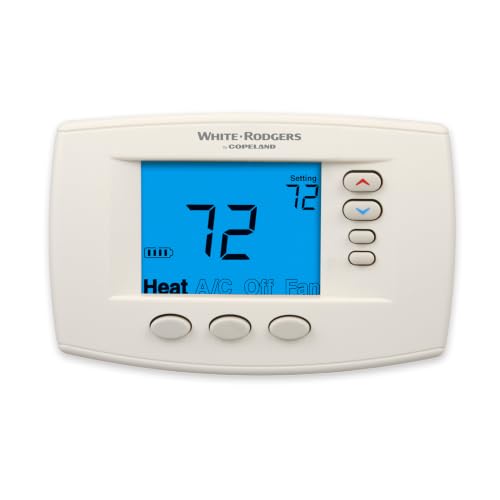
How Auto Changeover Works
Auto changeover uses two set points: one for heating and one for cooling, with a deadband gap between them. When the room falls below the heating set point, the heater runs; when it rises above the cooling set point, cooling runs. The deadband prevents the system from switching rapidly back and forth, which wastes energy and wears equipment.
You set the gap, often a few degrees, to suit your comfort and your system. A wider gap saves energy but allows larger temperature swings, while a narrower gap holds temperature tighter. Some thermostats also add a delay between mode changes, giving the system time to settle before switching again.
System Compatibility Checks
Before buying, confirm your system type: forced air, heat pump, boiler, or dual fuel. Each type wires differently, and not every thermostat supports every system. Heat pumps need special handling for reversing valves and auxiliary heat, so check that the thermostat lists your heat pump type explicitly.
Count your wires and note their labels before ordering. A common wire, often called C wire, powers many smart thermostats; without it, you may need an adapter or professional wiring. Take a photo of your current wiring before removing anything, since that photo saves time if you need help later.
Features Worth Paying For
Remote sensors help when one room runs hotter or colder than the thermostat location. Scheduling lets you lower heating at night and raise cooling only when rooms are occupied. Geofencing can adjust temperature when the house empties, but it needs a reliable phone signal to work well.
Energy reports show how often heating and cooling run, which helps you spot waste. Voice control and app control add convenience, but they matter less than accurate temperature sensing. A thermostat that reads temperature poorly will waste energy no matter how smart its app looks.
Installation and Electrical Safety
Switch off power to the heating and cooling system at the breaker before touching any wiring. Never work on live thermostat wires, and if wiring labels are unclear or missing, call a qualified technician. Incorrect wiring can damage the system or the thermostat, and repairs cost more than a professional visit.
Mount the thermostat on an interior wall away from drafts, direct sunlight, and heat sources such as lamps or TVs. A poorly placed sensor reads the wrong temperature and causes constant cycling. After installation, test both heating and cooling modes before relying on automatic changeover.
Saving Energy With Changeover
Auto changeover saves energy mainly by avoiding manual mode mistakes, such as leaving cooling on during a cold snap. Set the heating and cooling set points a few degrees apart and let the deadband do its work. Avoid setting extreme temperatures, since each extra degree costs energy without adding much comfort.
Regular filter changes and system servicing keep both heating and cooling efficient. A clogged filter forces the system to work harder in either mode. Pair the thermostat with good insulation and sealed drafts, and the savings grow larger than any single thermostat feature.
A Final Check Before You Order
Before ordering, list your system type, wire count, and whether you have a C wire. Compare those details with the product table above, and confirm the thermostat supports auto changeover for your exact system. A thermostat that lacks your system type is not a bargain at any price.
If anything about wiring or compatibility is unclear, get a professional opinion before buying. The right thermostat should switch modes quietly in the background, holding comfort without constant attention. That quiet reliability is the real benefit of auto changeover.
For related thermostat options, see our guides to best auto thermostat, best thermostat brand auto, best smart thermostat and best intelligent thermostat, covering automatic models, brands, and smart controls.
Changeover in Different Climates
In mild climates, changeover may only matter for a few weeks in spring and fall, when nights are cool and days warm. A simple thermostat with a sensible deadband handles these swings easily, and the main benefit is avoiding manual mode changes during unpredictable weeks. Set the gap wide enough to prevent cycling, and let the system rest between modes.
In climates with hot days and cold nights year round, such as desert or mountain regions, changeover works harder and more often. Here, a longer delay between mode switches protects equipment, and good insulation reduces how often the system must switch at all. Check that your system is rated for frequent cycling, since some older units wear faster under constant mode changes.
In humid climates, cooling also dehumidifies, so a thermostat that runs cooling briefly may leave humidity high. Some systems offer a dehumidification mode or a fan setting that helps, but thermostat choice alone cannot fix humidity. Pair changeover control with proper system sizing and ventilation for comfort in both temperature and moisture.
Troubleshooting Common Changeover Issues
If your system switches modes too often, widen the deadband or increase the switching delay in settings. Rapid cycling wastes energy and wears parts, and it usually signals a gap set too narrow for your home. Also check thermostat placement, since a sensor near a draft or sunny window misreads temperature and triggers unnecessary switches.
If heating or cooling never runs in auto mode, check wiring, system type settings, and whether the thermostat is set to auto rather than heat or cool only. A thermostat configured for the wrong system type may ignore one mode entirely. Photograph wiring before changing settings, and call a technician if wiring or configuration remains unclear.
If rooms feel uneven despite changeover working, the issue may be duct balance, insulation, or sensor location rather than the thermostat. Remote sensors, duct adjustments, or insulation improvements often help more than thermostat replacement. Diagnose the real cause before spending on new hardware, since a new thermostat cannot fix uneven ducts.
Changeover thermostats also help in homes with zoned systems, where different rooms need heating or cooling at different times. A bedroom facing morning sun may need cooling while a shaded living room still needs heat, and auto changeover in each zone handles that without manual switching. Zoned changeover requires compatible zone controls, so confirm zoning support before buying if your home uses dampers or multiple thermostats.
Frequently Asked Questions
What is the deadband on a changeover thermostat?
The deadband is the temperature gap between the heating set point and the cooling set point. It stops the system switching rapidly between modes, which would waste energy and wear parts. A typical gap is a few degrees, and you can usually adjust it to balance tight temperature control against energy saving.
Do I need a C wire for an auto changeover thermostat?
Many smart thermostats need a C wire for constant power, while simpler models may run on batteries. Check the product requirements against your wiring before buying. If you lack a C wire, an adapter kit or a professional wiring change can solve it, but never improvise wiring without switching power off.
Will auto changeover work with a heat pump?
Yes, if the thermostat explicitly supports your heat pump type, including its reversing valve and auxiliary heat. Heat pump wiring differs from conventional systems, so confirm compatibility rather than assuming it. A thermostat without proper heat pump support may run auxiliary heat too often and waste energy. A gap of a few degrees usually prevents wasteful rapid switching.
Where should I mount the thermostat?
Mount it on an interior wall, about chest height, away from drafts, sunlight, lamps, and exterior doors. Poor placement makes the sensor read the wrong temperature, causing overheating or overcooling. If one room differs greatly from the rest, a remote sensor can help the thermostat respond to the room that matters most.
Can auto changeover damage my system?
No, when set up correctly, auto changeover protects the system with a deadband and a switching delay. Damage risk comes from incorrect wiring or a deadband set too narrow, which causes rapid cycling. Follow the manual, test both modes after installation, and call a technician if the system switches unusually often.
Final Thoughts
The best auto changeover thermostat for your home is one that matches your system, wires safely, and switches modes without fuss. Use the product table above to compare compatibility and features, and get professional help if wiring is unclear. Comfort that manages itself is worth choosing carefully.


