
Best Automatic Field Watches of 2026: Complete Buying Guide
Disclosure: We may earn a commission when you buy through links on this page, at no extra cost to you. As an Amazon Associate I earn from qualifying purchases. Learn more

Choose an automatic field watch with confidence: case size and wrist fit, water resistance, dial legibility, lume quality, and movement care explained plainly.
Shopping for best automatic field watches means balancing a tough outdoor look with a mechanical movement that needs no battery. The comparison table below shows the main choices side by side, and this guide explains how case size, water resistance, and lume affect real days outdoors rather than just numbers on a listing.
Field watches began as practical tools for soldiers and explorers, and the best modern versions keep that spirit: clear dials, sturdy cases, and straps that stay comfortable for long wear. Use this guide to judge which of those qualities matters most for your wrist, your work, and your weekends.




Who Should Buy a Field Watch
A field watch suits people who want one watch for daily wear, travel, and outdoor time. The simple dial reads at a glance, the case handles knocks, and the automatic movement keeps running as long as you wear it. It also suits buyers who enjoy mechanical watches but want something less dressy and less fragile than a slim dress watch.
It is less suited to divers who need deep water ratings, or to athletes who need timers, heart data, and light weight tracking. Those buyers should look at purpose built tools instead. A field watch is a generalist, and its strength is doing everyday and outdoor jobs well rather than excelling at one extreme task.
- Daily wearers who want a watch that suits work and weekends
- Walkers, campers, and travellers who value legibility and toughness
- Mechanical watch fans buying a first automatic watch
Key Features to Compare
Case Size and Wearability
Case diameter gets the attention, but lug to lug length and case thickness matter just as much for comfort. A watch with long lugs can overhang a small wrist even if the diameter looks modest. Try to compare lug to lug length with your wrist width, and favour slimmer cases if you wear long sleeves or a jacket cuff every day.
Stainless steel is the common choice because it resists scratches reasonably well and suits most settings. Coated cases look rugged but can show wear at edges over time, so think about whether you prefer a watch that ages visibly or one that stays close to new with careful wear.
Dial Legibility and Lume
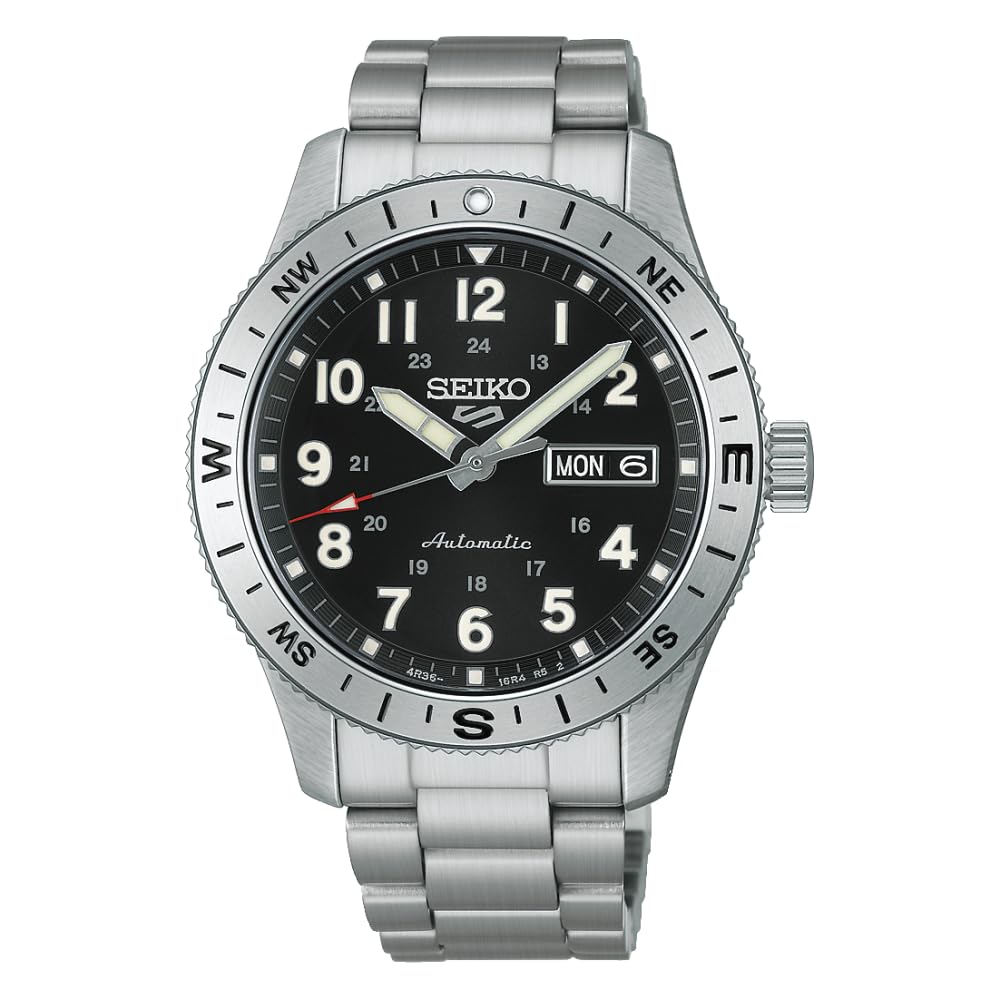
A field dial should read in seconds, in daylight and at night. Large numerals, strong contrast, and clear hands matter more than decorative detail. Check that the minute hand stands out from the hour hand, since that difference is what lets you read time quickly on a walk or in a vehicle.
Lume quality matters if you camp or work at night. Some watches glow brightly for a short time, while others glow more softly for longer. Neither is wrong, but a watch you plan to read at 3 in the morning should hold a useful glow for hours, not minutes.
Movement and Power Reserve
An automatic movement winds from wrist motion, so it suits daily wear and stops if left unworn for days. Power reserve tells you how long it runs after you take it off, and a reserve of about a day and a half covers a weekend off the wrist. A longer reserve helps if you rotate watches, but it matters less if one watch stays on your wrist.
Accuracy varies, and most mechanical watches gain or lose seconds per day. That is normal, and a watch that runs a few seconds fast or slow can be regulated by a watchmaker. Judge a movement by steady running and easy servicing, not by chasing perfect timekeeping that mechanical watches are not built to promise.
Types Compared
Field watches vary mainly by case finish, crystal, and strap, and each choice changes daily wear. The table below sets out the common variants so you can match one to your routine.
| Type | Suits | Watch Out For |
| Steel on fabric strap | Daily wear, hiking, travel | Strap needs washing after sweat |
| Steel on bracelet | Work and smart casual wear | Heavier, links may need sizing |
| Coated case | Rugged outdoor use | Coating can wear at edges |
A steel case on a fabric strap feels light and casual, while the same case on a steel bracelet feels sturdier and more formal. Sapphire crystal resists scratches better than mineral glass, which matters if your watch meets rocks, tools, or door frames. Choose the combination that fits the roughest day you expect, not the calmest.
Readers comparing nearby options often find related guides useful. See best field watches, best automatic watches, and best automatic field watches under 500 for closer looks at those related choices.
Getting the Fit Right
Fit decides whether a field watch becomes a daily companion or a drawer watch. The case should sit centred on the wrist without sliding to the side, and the strap should allow one finger of slack when fastened. Too tight causes discomfort on warm days, while too loose lets the watch bang against objects.
If you buy online, measure your wrist with a tape and compare it with the case measurements in the listing. Wrist shape matters too: a flat wrist carries a larger case more easily than a round wrist of the same size. When in doubt, favour the smaller case, since a field watch should feel like a tool you forget, not a weight you notice.
If your shortlist is still wide, these related guides can narrow it. See best automatic field watches under 1000 and best affordable automatic watches for closer looks at those related choices.
Care and Common Mistakes
Automatic watches need little daily care, but they benefit from regular servicing every few years. A service cleans, oils, and checks seals, and skipping it can let wear build up inside the movement. Keep the watch away from strong magnets such as phone mounts and tool holders, since magnetism can disturb timekeeping until a watchmaker demagnetises it.
A common mistake is judging water resistance by the number alone. A rating for splashes does not mean the watch suits swimming, and crowns and gaskets age over time. Rinse after salt water, avoid pressing buttons underwater unless the watch is built for it, and have seals checked if you swim with it often.
What Your Money Gets at Each Price Level
Price tiers for a field watch reflect materials, build quality, and features rather than a single best choice, so use the table below as a guide to where extra spending actually helps. A budget option often covers the core job well, while higher tiers add durability, comfort, or convenience that frequent users will notice most.
| Tier | Typical Price | What You Get |
| Entry level | about $100 to $300 | Reliable movements, mineral glass, and fabric straps. |
| Mid range | about $300 to $800 | Sapphire crystal, better lume, and finer case finishing. |
| Higher end | about $800 to $2,000 | In house movements, premium straps, and refined details. |
Start at the lowest tier that meets your real use, then step up only for a weakness that would bother you daily. A casual user rarely benefits from premium durability, while a daily user feels cheap materials quickly. That simple rule keeps spending sensible without sacrificing the features that matter for your routine.
Also consider running costs and lifespan alongside the purchase price. A slightly pricier option with replaceable parts, washable covers, or widely available spares can cost less over years than a cheap option that needs early replacement. Compare total ownership, not just the price on the listing, before you decide.
Frequently Asked Questions
Do automatic field watches need batteries?
No, an automatic watch winds itself from the motion of your wrist, so it needs no battery while you wear it regularly. If you leave it unworn past its power reserve, it will stop and will need winding and time setting again. A watch winder can keep it running if you rotate watches, but daily wear is the simplest solution.
How accurate is an automatic field watch?
Most automatic watches gain or lose a few seconds per day, which is normal for a mechanical movement and adds up to a minute or two over a month. You can reset the time weekly to stay close, and a watchmaker can regulate a watch that runs consistently fast or slow. Temperature, position, and activity all affect daily rate, so small changes are expected.
Can I swim with a field watch?
It depends on the water resistance rating and the condition of the seals, so check the rating before swimming rather than assuming any field watch suits water. A rating of 100 metres or more generally suits swimming, while lower ratings suit splashes only. Have seals checked regularly if you swim often, and rinse the watch in fresh water afterwards.
What strap is best for outdoor wear?
Fabric and rubber straps handle sweat and water better than leather, which can stain and stiffen after repeated wetting. A fabric strap dries quickly and adjusts easily over a jacket sleeve, while rubber suits muddy work and rinses clean. Keep a leather strap for smart wear and swap to fabric or rubber for outdoor days.
How often should an automatic watch be serviced?
Most makers suggest a service every three to five years, though a watch that runs well and keeps steady time can wait a little longer. A service includes cleaning, oiling, and seal checks, and it protects the movement from wear that is costly to repair later. If the watch starts losing power or running unevenly, book a service sooner.
Is a field watch suitable as an everyday watch?
Yes, field watches suit everyday wear well because their clear dials, sturdy cases, and comfortable straps work for work, travel, and weekends alike. They are less formal than dress watches but smarter than many sports watches, which makes them easy daily companions. Choose a case size that fits your wrist and a strap that suits your routine.
Final Thoughts
A good field watch earns its place by being readable, comfortable, and tough enough for your roughest normal day. Compare the product table above against your wrist size and your outdoor habits, and let fit and legibility decide before style details.
When the shortlist feels close, choose the watch you would reach for on a wet walk as well as at work. That is the real test, and best automatic field watches research done with daily wear in mind usually ends with a watch that stays on the wrist for years.


