
Best Automatic Field Watches under 500: Our 2026 Checklist
Disclosure: We may earn a commission when you buy through links on this page, at no extra cost to you. As an Amazon Associate I earn from qualifying purchases. Learn more

Use this checklist to judge the best automatic field watches under 500, with plain thresholds for movement, crystal, water resistance, straps, and wrist fit.
Under $500, automatic field watches range from genuinely excellent to merely styled to look tough. A short checklist separates the two before you spend anything. This guide gives you clear pass and fail thresholds for each spec, so you can judge the best automatic field watches under 500 the same way an experienced buyer would.
The comparison table below lists current options in this range. Run each one through the criteria that follow, and weak entries will rule themselves out within a minute or two.


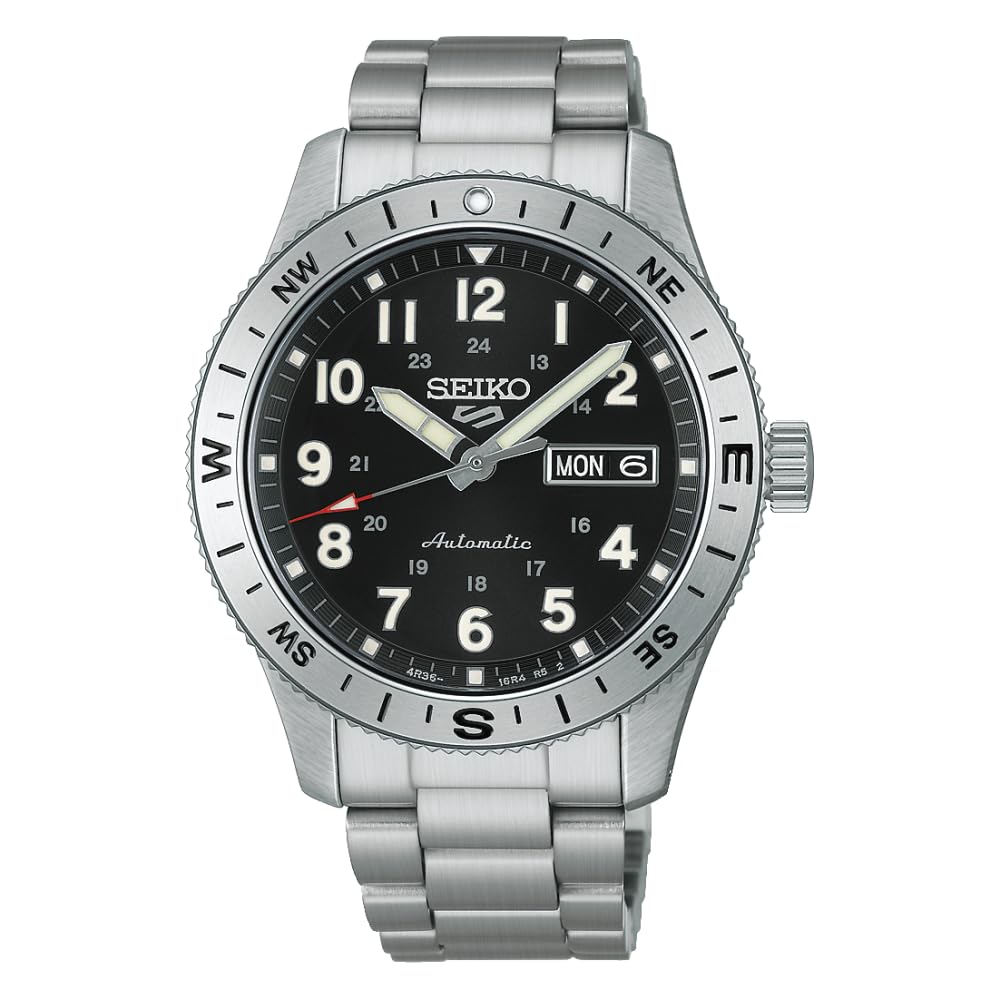


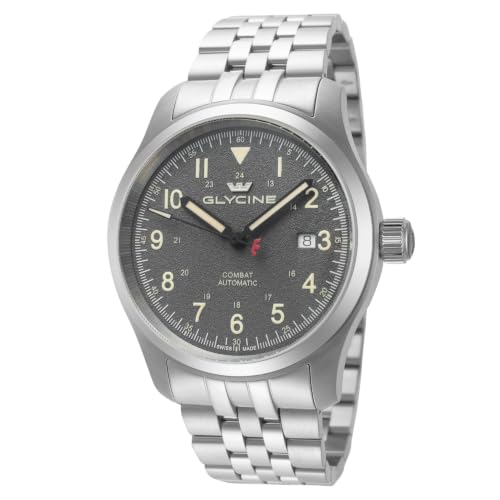
How We Evaluate Automatic Field Watches
What You Can Realistically Get Under $500
At around $200 to $500, a passing watch offers a named automatic movement, a steel case, water resistance of at least 100 meters, and lume that stays readable all night. Sapphire crystal appears on strong entries near the top of the range, while good mineral glass is acceptable near about $200. What gets cut at this budget is bracelet luxury and dial decoration. What must never be cut is the movement name, the crown quality, and honest water resistance, because those decide how long the watch serves you.
Movement Type: Quartz, Automatic, Solar, and Smart
The movement is the first checklist item. A pass means a named automatic caliber with a stated power reserve of about 38 hours or more, and hacking seconds on better examples. Quartz movements beat it on accuracy and price but miss the point of this category. Solar removes battery changes yet reads more modern than classic. Smart features do not belong here. Fail any listing that hides behind phrases like premium Japanese movement without naming the caliber, because honest makers always name it.
Brand Reputation, Warranty, and Value
Require a warranty of at least two years and a brand with service support in the United States. Under $500, long term value comes from parts availability, since a $250 watch you can service beats a $400 watch you cannot. Established makers in this range hold modest resale value and publish service pricing, both signs of a healthy support system. A flashy new brand with no service page and a one year warranty fails this test no matter how good the photos look.
Crystal and Case Materials
Grade the crystal by price. Near about $500, expect sapphire and fail mineral glass unless everything else is exceptional. Near about $200, mineral glass is a fair trade, and acrylic suits only vintage styled pieces. Cases should be 316L stainless steel with a brushed finish that hides scratches. Check the case back too, since a display back is a pleasant bonus at this price. Fail cases with vague labels like alloy or metal, which usually mean plated base metal that wears through.
Water Resistance Rating
For a field watch, 100 meters is the working minimum and 200 meters is excellent at this price. A 30 meter rating means the watch only survives splashes, which fails the field test outright, whatever the dial styling suggests. A screw down crown adds real security and shows up on many models around $300 and up. Remember the rating assumes healthy gaskets, so a pressure check every few years keeps an older watch honest before swim season.
Strap and Bracelet Options
The included strap is often the weakest part under $500, so judge it as a replaceable item. Look for standard lug widths of 20 or 22 mm and quick release spring bars, which let you swap straps with your fingers in seconds. Canvas and nylon straps suit the style and cost little to replace, leather dresses the watch up, and a steel bracelet adds value if its links feel solid. If you plan to shop straps later, our guide to the best field watches under 500 shows which strap styles pair with common case sizes.
Case Size and Wrist Fit
Most buyers pass with 38 to 40 mm cases, the classic field watch span. Check the lug to lug length and keep it within the flat of your wrist, roughly 46 to 50 mm for average wrists. Thickness of 11 to 13 mm keeps the watch comfortable under a jacket. Fail anything over 44 mm unless your wrist is genuinely large, because oversized field watches wear heavy and the style was never meant to look bulky.
Three Budget Levels That Pass Our Checklist
Use these three levels to read the product table above. Each one describes the buyer it fits and the checklist items it typically passes.
Top Level: Around $400 to $500
Near the top of the budget, a passing watch should clear nearly every item: sapphire crystal, a hacking movement with about 40 hours of reserve, 100 to 200 meters of resistance, and strong lume. This level suits a buyer who wants one field watch for daily wear, travel, and weekends outdoors for many years. The remaining compromise is brand prestige and movement decoration, which affect pride of ownership more than daily function. If you can stretch here, the gains in glass and sealing are the ones you feel longest.
Value Level: Around $250 to $400
The value level keeps the named movement, steel case, and 100 meter rating, and may trade sapphire for mineral glass or a simpler stock strap. It suits buyers who will wear the watch hard and would rather pocket the savings for a spare strap and future service. Judge listings in this band strictly on the movement name and water resistance, because those two items predict lifespan. Shoppers comparing this band with the whole automatic market can also scan our guide to the best automatic watches under 500 dollars.
Compact Level: Around $200 to $350
Compact field watches in 36 to 38 mm cases are easy to overlook and often the most comfortable choice for smaller wrists. At this level, expect honest specs at smaller scale: the same movements as larger siblings, slightly less lume area, and straps sized for slimmer wrists. This level suits smaller wrists and anyone who finds 42 mm cases tiring by evening. The main caution is legibility at a distance, so favor bold numerals and strong hand contrast.
Quick Buyer Checklist
- Is the automatic movement named, with its power reserve stated?
- Is the water resistance at least 100 meters?
- Is the crystal sapphire, or mineral only at a truly low price?
- Is the case real stainless steel with a brushed finish?
- Does the lug to lug length fit the flat of your wrist?
- Is the warranty at least two years with service in your country?
- Are the lug widths standard, with quick release bars for strap swaps?
- Does the lume cover the numerals or markers and both main hands?
Red Flags to Watch For
Fail a listing that prints a big depth number but never mentions gaskets or a screw down crown. Fail vague movement claims, cases described only as alloy, and warranties under one year. Be suspicious of review counts that jump by hundreds in days for an unknown brand, and of prices slashed from fantasy anchors like about $900 down to about $150, a pattern that signals marketing over substance. Finally, GPS or step tracking promised on an automatic watch is impossible for a mechanical movement and marks the whole listing as careless.
Before you buy, cross check your finalist against our guide to the best watches under 500 automatic for the wider automatic field at this price, and if the gift is for someone else, the best men's automatic watches under 500 guide adds gift sizing advice. Readers who later raise their budget will find the natural next step in our guide to the best automatic field watches under 1000.
Tips to Get the Most From Your Automatic Field Watch
Service the movement every 5 to 7 years and ask for fresh gaskets and a pressure test at the same visit. Rinse the watch in fresh water after saltwater exposure, including a gentle turn of the bezel if it has one, and dry the strap fully before storage. Store the watch away from magnets such as speakers and magnetic clasps, which can make a movement run fast. Rotate two affordable straps and the watch will feel new again each season for very little money.
Automatic Field Watches: Your Questions Answered
Can you get a good automatic field watch under $500?
Yes, this budget buys a named movement, a steel case, real water resistance, and lume that lasts the night. The smartest spend sits around $300 to $450, where sapphire glass starts to appear. Below about $200, expect mineral glass and simpler straps. What you give up versus pricier watches is mostly finishing and brand prestige, not everyday toughness.
Is a smartwatch worth it over a classic field watch?
Only if you truly use its GPS, training load, and notifications every week. A smartwatch needs charging, dates quickly, and can fail a checklist item this guide treats as basic: it will not run for decades. A classic automatic asks almost nothing and keeps classic looks. Many owners keep a smartwatch for workouts and the field watch for everything else, which is a fair split.
How long does a watch battery last?
An automatic field watch has no battery to last or replace. Its mainspring stores roughly 38 to 45 hours of power at this price and refills as you wear the watch. For comparison, quartz batteries run about 2 to 3 years. If your automatic stops after a quiet weekend, wind it about 30 turns and set it again; that pause is normal, not damage.
Quartz or automatic: which is better under $500?
Automatic is better if you want the mechanical feel, the sweeping seconds hand, and a watch with no battery deadline. Quartz is better if pure accuracy and the lowest price matter most, since quartz field watches under $500 leave money spare. At this budget the automatic premium is modest, so most readers of this guide will be happier long term with the automatic they came looking for.
What case size fits my wrist?
Start with 38 to 40 mm for wrists from about 6.5 to 7.5 inches, 36 to 38 mm below that, and 40 to 42 mm above it. Then check lug to lug, which decides whether the watch sits on your wrist or overhangs it. A useful trick is to cut a paper strip to the lug to lug length and lay it across your wrist; if the ends curl down past the flat top, size down.
How water resistant should a field watch be?
Choose 100 meters as your floor for swimming and rough weather, and 200 meters if you dive or spend long days in the water. A 50 meter watch is fine for rain and hand washing only. One point spec sheets skip: crowns and pushers should never be operated while the watch is wet, since that is when water most easily passes the seals even on a well rated watch.
Wrapping Up
Run the checklist in order: named movement, honest water resistance, then crystal and fit. Watches that pass those four will serve you well at any point under $500. Compare your finalists in the product table above, and you will see why the best automatic field watches under 500 earn loyal owners: they spend money on the parts that decide how long a watch lasts.


