
Best Automatic Field Watches under 1000 Made Simple: A Clear Buying Guide for 2026
Disclosure: We may earn a commission when you buy through links on this page, at no extra cost to you. As an Amazon Associate I earn from qualifying purchases. Learn more

Shopping for the best automatic field watches under 1000 for the first time? Learn the terms, compare the specs that matter, and avoid common rookie mistakes.
If this is your first mechanical watch, the listings can feel like a foreign language of calibers, jewels, and lug widths. Take a breath, because the basics are simpler than the marketing suggests. This guide explains the best automatic field watches under 1000 from the ground up, in plain English, so you can shop with calm confidence.
We will cover what a field watch is, the six specs that matter, the mistakes new buyers make, and what to do when the box arrives. The comparison table below shows current options, and each section after it teaches you how to judge what you see there.


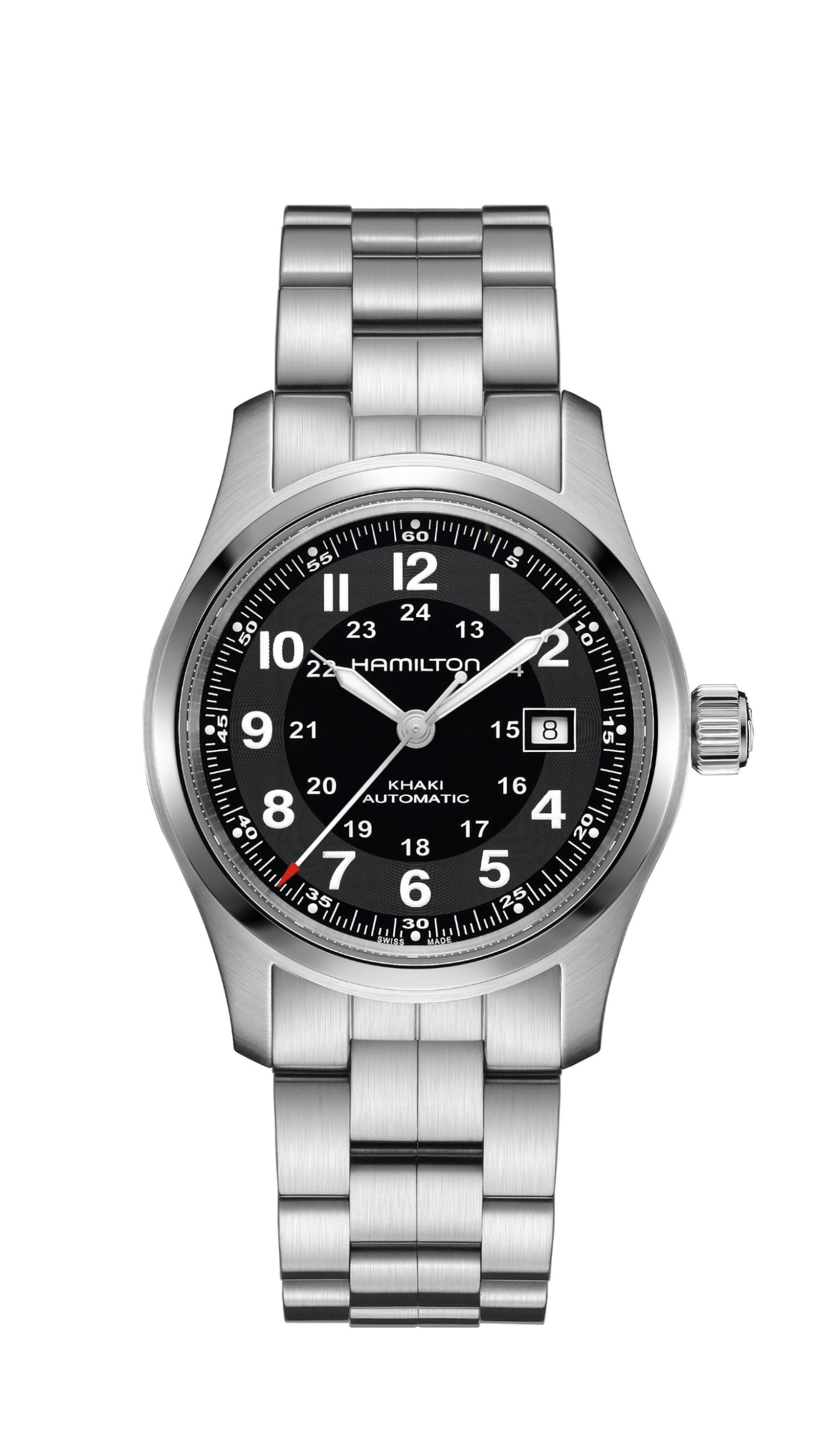


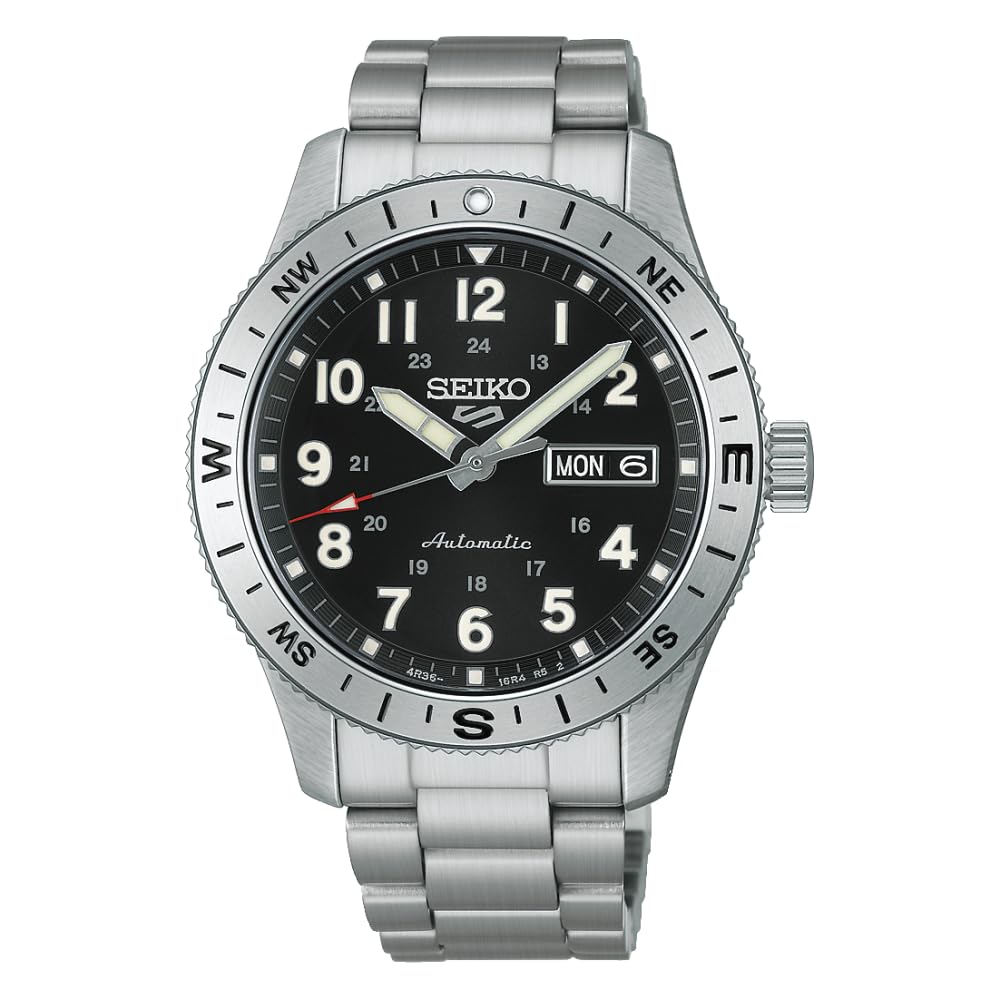


Automatic Field Watches 101: The Basics
A field watch is a tough, simple watch born from military use. Its recipe is a clear dial with Arabic numerals, strong lume for reading time in the dark, a case that shrugs off bumps, and a strap that survives mud and rain. The automatic part means a mechanical movement inside winds itself from the motion of your wrist. A rotor spins as you move, tightens a mainspring, and that spring powers the hands for roughly 38 to 80 hours after you take the watch off.
There is no battery and no charging cable. Wear the watch daily and it keeps running. Leave it still for two days and it may stop, which is normal. A few turns of the crown or a gentle shake restarts it. Field watches under $1000 sit in a sweet zone, because this budget buys real mechanical movements, sapphire glass, and steel cases that can last for decades with simple care.
Key Specs Explained in Plain English
What You Can Realistically Get Under $1000
At around $300 to $1000, expect a named automatic movement, a stainless steel case, sapphire crystal on most models above about $400, and water resistance of 100 to 200 meters. Lume should be strong, straps should use real leather, canvas, or solid steel, and the warranty should run at least two years. What gets cut at this price is decoration, meaning plainer movement finishing and simpler dial textures. What should never be cut is sealing, crown quality, and lume, so spend on those.
Movement Type: Quartz, Automatic, Solar, and Smart
The movement is the engine. Automatic movements are mechanical, need no battery, and sweep the seconds hand in small steps. They run a few seconds fast or slow each day, which is normal. Quartz movements use a battery, tick once per second, and keep near perfect time for less money. Solar movements charge from light and skip battery changes. Smart movements add screens and apps but need charging every day or two. For this category, automatic is the goal, so check the power reserve and whether the movement hacks, meaning the seconds hand stops when you set the time.
Crystal and Case Materials
The crystal is the clear cover over the dial. Sapphire is the top choice because it resists scratches from keys, doors, and grit. Mineral glass is the budget option and will mark over time. Acrylic looks warm and vintage but scratches easiest, though marks can be polished out. Cases are usually 316L stainless steel, which is strong and easy to refinish. Titanium weighs about half as much and feels warm on the skin, a real plus on long hikes. Brushed finishes hide scratches better than polished ones, which suits field use.
Smart and Fitness Features
A traditional field watch has none, and most owners prefer it that way. If you want GPS routes or heart rate zones, a smartwatch does that job, but it also brings charging, notifications, and a screen that will look dated in five years. Some buyers pair both, training with the smartwatch and wearing the field watch everywhere else. Do not pay extra for step counting on a mechanical watch listing, because a true automatic movement cannot offer it, and the claim itself is a warning sign.
Brand Reputation, Warranty, and Value
Buy from a maker with a service network in the United States and a clear warranty of two years or more. Mechanical watches need service every 5 to 7 years, and a brand that sells parts and publishes service prices saves you stress later. Known makers also hold resale value better, which matters if you upgrade. If a listing hides the movement name or the warranty terms, treat that silence as your answer and keep looking at better documented options.
Case Size and Wrist Fit
Field watches run from about 36 to 44 mm across. Most wrists suit 38 to 40 mm best, since the style reads large thanks to its open dial. Check the lug to lug length, the full span that sits on your wrist, and keep it within the flat top of your wrist, about 46 to 50 mm for most people. Thickness around 11 to 13 mm slides under a jacket cuff and stays comfortable on a hike. A quick release strap system lets you swap straps with your fingers, which new owners love.
Once the basics make sense, compare your shortlist with our wider guide to the best automatic watches under 1000 for other styles at the same budget, or narrow to field models only with the best field watches under 1000 guide.
Rookie Mistakes to Avoid
- Buying diameter only. A 42 mm watch with short lugs can fit better than a 40 mm watch with long lugs, so always check lug to lug.
- Ignoring water resistance. A 30 meter watch is splash proof only. For a field watch you may swim with, insist on 100 meters or more and a screw down crown.
- Expecting quartz accuracy. An automatic gaining 10 seconds a day is healthy, not broken. Judge it over a week, not an hour.
- Skipping the strap budget. The included strap is often the weak point. Set aside about $30 to $60 for a better canvas or leather strap.
- Forgetting service cost. Plan about $150 to $300 every 5 to 7 years, and the watch will reward you for decades.
Getting Started: Setup and First Use
When the watch arrives, wind the crown about 30 turns before wearing it, even though it winds itself later. Set the date in the morning, not near midnight, because the date mechanism engages in the late evening and forcing it then can damage the movement on some calibers. Set the time, screw the crown fully down if your model has that style, and wear the watch for a full day to build its reserve. Rinse it in fresh water after saltwater exposure, dry the strap, and store the watch away from magnets such as phone speakers and bag clasps.
Shoppers curious about Swiss options at this ceiling can read our guide to the best swiss automatic watches under 1000, while those who split time between land and water may compare the best automatic dive watches under 1000. If you are buying as a gift, the best men's automatic watches under 1000 guide adds sizing help for common wrist sizes.
FAQs
Can you get a good automatic field watch under $1000?
Yes, and this is one of the best budgets in the whole watch market. Around $400 to $800 buys sapphire glass, a proven movement, 100 to 200 meters of water resistance, and lume that lasts the night. Below about $300 you give up sapphire or bracelet quality. Above $1000 gains turn mostly to finishing and brand prestige rather than durability you can feel outdoors.
How water resistant should a field watch be?
Aim for 100 meters if you will swim, and 200 meters with a screw down crown if you will dive or spend long days in rivers. A 50 meter watch handles rain and hand washing. One tip most listings skip: have the gaskets checked every few years, because seals age even on a watch that rarely gets wet, and a pressure test costs far less than water damage repair.
Quartz or automatic: which is better for a first field watch?
Choose automatic if the mechanical craft is part of the appeal and you will wear the watch most days, since wrist motion keeps it running. Choose quartz if you rotate many watches or want set and forget accuracy for months. Many first time buyers start automatic and later add a quartz beater for rough work trips, which is a sensible and common path.
What case size fits my wrist?
Measure your wrist with a soft tape. Under 6.5 inches, try 36 to 38 mm. Between 6.5 and 7.5 inches, 38 to 40 mm is the classic field size. Over 7.5 inches, 40 to 42 mm looks balanced. Then confirm the lug to lug span fits the flat of your wrist without the lugs hanging over the edges, which is the detail that decides comfort.
How long does a watch battery last?
There is no battery in an automatic watch, so nothing needs replacing on that schedule. Its mainspring stores about 38 to 80 hours of power, refilled by your movement each day. For comparison, a quartz field watch battery lasts about 2 to 3 years, and a solar model can run for a decade before its rechargeable cell tires. The automatic trade off is simple care instead of battery swaps.
The Bottom Line
For a first mechanical watch, put your money into sapphire glass, a named movement, and a case that truly fits your wrist. Do that and the best automatic field watches under 1000 stop being a confusing category and become an easy choice. Compare your finalists in the product table above, check the lug to lug one last time, and enjoy a watch that asks only for your wrist motion in return.


