Best Automatic Dive Watches under 1500: What Actually Matters Before You Buy for 2026
Disclosure: We may earn a commission when you buy through links on this page, at no extra cost to you. As an Amazon Associate I earn from qualifying purchases. Learn more

A buying guide and checklist for the best automatic dive watches under 1500, covering movement, water resistance, crystal, fit, and value before you buy.
A budget near fifteen hundred dollars puts you in a strong position, but only if you spend it on the parts of a dive watch that actually protect the watch and serve you in the water. This guide gives you a clear checklist for judging the best automatic dive watches under 1500 on movement quality, sealing, legibility, and fit. Use it alongside the comparison table below, and you will know exactly which specification deserves your money and which one is mostly decoration.
One safety note belongs up front. A dive watch is a backup timing tool, not a substitute for dive training or a dive computer, and it never replaces your own judgment about depth, air, and conditions.




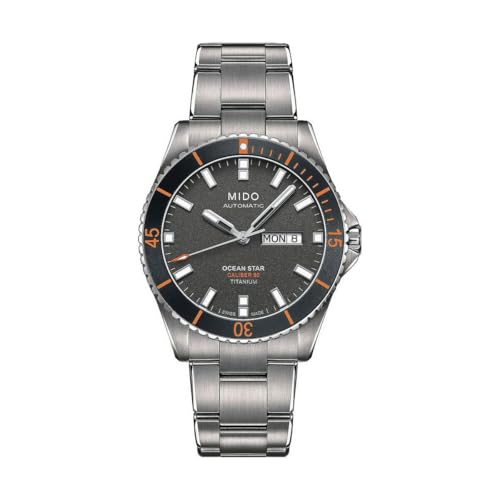


How We Evaluate Automatic Dive Watches
Think of the sections below as a scoring system you can apply to any watch in the product table above. Give the most weight to water resistance, movement reliability, and legibility, because those three decide whether the watch does its core job. Treat style and strap variety as tie breakers between watches that already pass on the essentials.
What You Can Realistically Get Under $1500
At around $800 to $1500 you can reasonably expect a proven automatic movement, a sapphire crystal, solid end links on a bracelet, and a true 200 meter rating with a screw down crown. You may also get a ceramic bezel insert and respectable lume that lasts through a full dive. What you usually give up compared with far pricier watches is hand finishing, in house movements with long power reserves, and exotic case materials. Do not accept compromises on sealing or crown action at this price, because those are exactly what the budget should buy.
Movement Type (Quartz, Automatic, Solar, Smart)
An automatic movement winds itself from the motion of your wrist and typically runs for about 38 to 70 hours once fully wound, depending on the caliber. Accuracy commonly falls within about minus 20 to plus 20 seconds per day, which is normal for mechanical watches at this level. Quartz watches are more accurate and cheaper to own, solar models remove battery changes, and smart models add screens and sensors. For this category, though, the automatic movement is the point, so check that it offers hacking, which stops the second hand when you set the time, and hand winding for days when you barely wear it.
Brand Reputation, Warranty, and Value
A maker with a long record in dive watches usually means better parts availability and more watchmakers willing to service the movement. Look for a warranty of at least two years, and read what it covers, since water damage from a crown left unscrewed is almost never included. Value here is not about resale speculation. It is about cost per year of use, so a watch that needs only routine service every five to seven years and keeps its seals with simple gasket changes will cost you less over a decade than a cheaper watch that needs repeated repairs.
Strap and Bracelet Options
A steel bracelet suits daily wear and holds its value with the watch, while a rubber strap is lighter in the water and will not show scratches. Fabric straps dry slowly after swimming, and leather has no place on a watch you plan to submerge. Quick release spring bars let you swap straps without tools, which helps when you want the bracelet for work and rubber for the weekend. Check lug width before you buy extra straps, since common sizes are 20 mm and 22 mm and they are not interchangeable. If you wear the watch over a wetsuit, confirm the bracelet has a divers extension or choose a longer strap.
If your budget later shifts downward, our guide to the best automatic dive watches under 500 explains which of these expectations you should lower first and which ones to keep.
Smart and Fitness Features
A classic automatic dive watch has no GPS, no heart rate sensor, and no notifications, and that simplicity is part of its appeal and its battery free reliability. If you want route tracking or training data, you will wear a separate device, because no mechanical watch records a dive profile for you. Some divers pair a simple watch with a wrist computer and use the watch only as a backup timer. Decide honestly which role you need filled. Buying a mechanical watch and then missing smart features you use daily leads to a watch that sits in a drawer.
Crystal and Case Materials
Sapphire crystal is the standard to expect under $1500 because it resists scratches from sand, gear, and daily knocks far better than mineral glass. An anti reflective coating on the underside improves legibility in bright surface light without adding glare. Most cases use 316L stainless steel, which balances corrosion resistance, weight, and cost, while titanium cuts weight noticeably and suits people who find steel heavy on long days. Check case diameter and lug to lug length together, since a 41 mm case with short lugs can wear smaller than a 40 mm case with long straight lugs.
Price Tiers That Pass Our Checklist
Instead of chasing a single winner, sort the watches in the comparison table above into three tiers and ask what each tier must deliver to earn its price. A watch that fails its own tier on sealing or crystal quality is a poor buy at any discount.
The Balanced Tier, Around $1000 to $1500
This tier should give you the complete package with no excuses: sapphire crystal, ceramic or sapphire bezel insert, 200 meter rating, a movement with hacking and hand winding, and a bracelet with solid links and a milled clasp. Lume should stay readable for hours, and the bezel action should feel firm with no back play. Choose from this tier if you dive regularly or want one watch for many years. If a watch here lacks sapphire or uses a pressed clasp, it belongs in a lower tier regardless of its asking price.
The Value Tier, Around $600 to $1000
Value tier watches keep the essentials and trim the decoration. Expect sapphire on many models, aluminium bezel inserts on some, and movements that are proven but plainly finished. Power reserve may sit near the lower end of the range, and bracelets can feel lighter. This tier suits newer divers and anyone who would rather spend the savings on training, travel, or a proper dive computer. Compare options here against the best dive watches under 1500 as a group, including quartz models, to see how much of the price is the automatic movement itself.
The Stretch Tier, Just Under $1500 on Sale
Some watches list above this budget and drop under it during sales, bringing better movements, longer power reserves, or titanium cases into reach. The checklist still applies, and a discount never fixes a poor fit or weak lume. Confirm the seller is authorized so the warranty stays valid, and check the return window in case the size wears larger than expected. If you are comparing this ceiling with a wider automatic shortlist, the best automatic watches under 1500 guide shows how dive models trade slimness and dress manners for sealing and bezel function.
Quick Buyer Checklist
Run through these questions before you pay. Every no answer deserves a pause and a second look at the specifications.
- Does the watch carry a genuine 200 meter rating with a screw down crown?
- Is the crystal sapphire rather than mineral glass?
- Does the movement offer hacking and hand winding?
- Is the bezel unidirectional with clear clicks and no loose play?
- Will the case diameter and lug to lug length suit your wrist?
- Does the lume cover the hands, hour markers, and a bezel marker at twelve?
- Is the warranty at least two years from an authorized seller?
- Can you service the movement locally or by mail at a fair cost?
Red Flags to Watch For
Walk away from vague water resistance claims that use words like splash proof beside a dive style dial, because styling is not sealing. Be wary of listings that hide the movement caliber behind a house name with no published accuracy or power reserve figures. A warranty of only a few months on a watch at this price signals low confidence from the seller. Also distrust prices far below every other seller, which can mean gray market stock with no valid warranty. Finally, treat a bezel that turns both ways as a disqualifier for diving, since a knock could move it and shorten your apparent elapsed time. If your ceiling drops further, the checklist in our guide to the best automatic dive watches under 1000 shows which of these red flags become more common and how to spot them.
Setup and Care Tips
Before your first swim, learn the crown positions and always confirm the crown is fully screwed down before the watch touches water. Rinse the watch in fresh water after every saltwater exposure, turning the bezel under the tap to clear grit from beneath it. Have the seals checked about every two years and plan on a full movement service every five to seven years. Store the watch away from strong magnets such as bag clasps and speakers, since magnetism is a common and fixable cause of sudden fast running. Keep the watch wound or wear it regularly so lubricants stay distributed.
FAQs
Can you get a good automatic dive watch under $1500?
Yes, and this is one of the strongest price bands in the category. Around $1500 buys sapphire, solid construction, and movements with proven service networks. The main thing you give up versus luxury models is prestige and hand finishing, not function. One extra check at this level is clasp quality, since a milled clasp with micro adjustment makes a real daily difference and separates the better watches in this tier from the rest.
How water resistant should a watch be?
For actual diving, choose 200 meters with a screw down crown and treat 100 meter watches as suitable for swimming and snorkeling only. Ratings assume still water in lab conditions, and moving your arm adds pressure, which is why the margin matters. Also remember that heat ages gaskets, so keep dive watches out of hot tubs and saunas even when the rating looks generous, and have seals tested before a dive trip rather than after a long storage period.
Is a smartwatch worth it over a classic watch?
It depends on whether you want data or a dedicated timing tool. A smartwatch or dive computer records depth, time, and ascent information that no mechanical watch can capture, and it needs charging and software support to keep working. A classic automatic watch does one job for decades with no battery and no updates. Many divers own both and use each for its strength, so frame the choice as which gap in your current kit you are actually trying to fill.
How long does a watch battery last?
An automatic dive watch has no battery at all, because your wrist motion winds a mainspring that powers the movement. That is why the relevant figure is power reserve, usually about 38 to 70 hours off the wrist, rather than battery life. If a listing for an automatic watch talks about battery replacement, something is wrong with the listing. For comparison, quartz dive watches typically run two to five years per battery, and each battery change should include a fresh case back gasket to protect the rating.
What case size fits my wrist?
Measure your wrist and then judge by lug to lug length, not diameter alone. A lug to lug span that stays within the width of your wrist keeps the watch from overhanging and catching on gear and sleeves. Slender wrists often suit 38 to 41 mm cases, while larger wrists can carry 42 to 44 mm comfortably. Thickness matters too, since a tall case snags under a wetsuit cuff. If you can, try the watch on with the strap you plan to dive with.
Quartz or automatic: which is better?
Automatic is better if you value mechanical craft, a smooth sweeping second hand, and freedom from battery changes. Quartz is better if you want tighter accuracy, lower purchase cost, and a watch that is ready after weeks in a drawer. For diving, both can meet the same water resistance standards, so the decision comes down to ownership style. One practical point in favor of automatic models is that a dead battery mid trip ends a quartz watch, while an automatic only needs your wrist.
Wrapping Up
Prioritize a true 200 meter rating, sapphire crystal, and a movement you can service, and let style settle the ties. Match the tier to how often you dive and how long you plan to keep the watch. Chosen that way, the best automatic dive watches under 1500 stop being a guessing game and become a short checklist you control. Head back to the product table above and score your favorites against it before you decide.