Best Automatic Watches under 1500: Buying Guide for 2026
Disclosure: We may earn a commission when you buy through links on this page, at no extra cost to you. As an Amazon Associate I earn from qualifying purchases. Learn more

A buying guide to the best automatic watches under 1500, covering movements, case fit, straps, and warranties so you can choose with confidence.
A budget ceiling of $1500 sits in a fortunate place for watch buyers. It is high enough to buy sapphire crystal, a well finished case, and a movement with a real service network, yet low enough that you must still choose priorities. Shoppers comparing the best automatic watches under 1500 do best by deciding which strengths matter most, dive toughness, dress polish, or everyday versatility, before looking at dial colors.
This guide sets out what this budget realistically delivers, the profiles worth seeking, and the specs that separate a decade long keeper from a short lived thrill. Use the comparison table below to line up candidates, then work through the buying guide with your wrist size and wardrobe beside you.
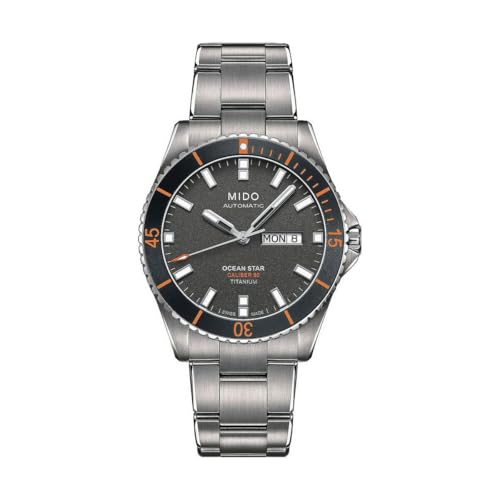


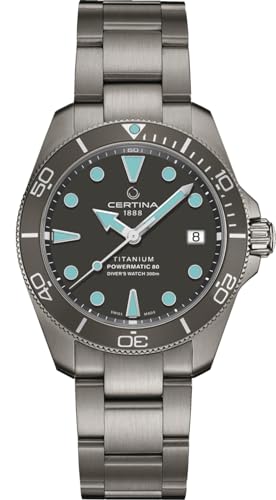

Three Profiles Worth Seeking
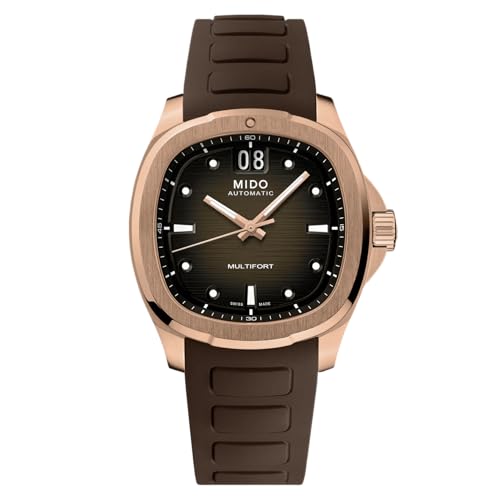
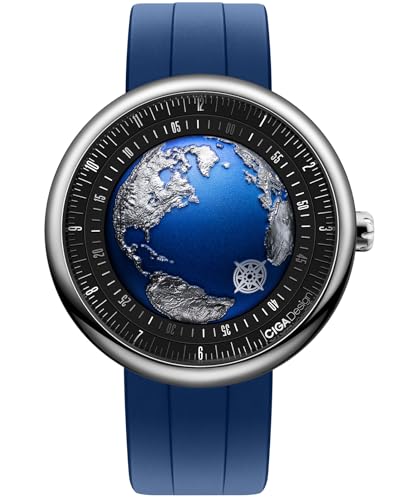
The profiles below describe trait bundles rather than specific models. When a watch you are considering matches one profile closely at a fair street price, it deserves a place on your short list.
The Versatile Everyday Profile
The overall profile is a versatile everyday watch: a case around 38 to 41 mm, sapphire crystal, 100 m of water resistance, and a movement with hacking, hand winding, and a reserve near forty hours or more. Finishing should look clean under bright light, and the bracelet or strap should feel solid at the clasp. This profile fits the buyer who wants one watch for office, travel, and weekends. Its limit is specialization, since it will not match a true dive watch underwater or a slim dress watch under a formal cuff.
The Value Profile
The value profile spends on function and trims decoration. Expect the same sapphire and sealing as pricier pieces, with simpler dial work and a movement that is proven rather than novel. Many value standouts sit closer to about $600 to $1,000, leaving room in the budget for straps and a first service. Buyers cross shopping lower tiers, such as the best automatic watches under 1000, will notice this profile often overlaps that range during sales. The trade off is brand prestige and resale strength, which grow more slowly here.
The Beginner Profile
The beginner profile favors ease: clear dial markings, a forgiving case size, and a movement that tolerates being worn a few days a week. A display case back helps a new owner enjoy and understand the automatic movement, and a quick release strap makes early strap swaps simple. Start with our guide to the the best watches under 500 automatic if you want to learn the hobby for less before committing the full budget. A gentle first piece builds the winding and setting habits that keep any automatic running well.
How to Choose the Best Automatic Watches under 1500
What You Can Realistically Get Under $1500
At this ceiling you can expect sapphire crystal, solid end link bracelets on many models, and movements with stated accuracy you can live with daily. You generally do not get precious metals, in house movements from the most storied makers, or elaborate hand finishing. Do not economize on water resistance seals or case construction to fund a fancier dial. For a view of the wider price class, including quartz and smart options, see our guide to the best watches under 1500.
Movement Type (Quartz, Automatic, Solar, Smart)
An automatic movement trades a little accuracy for craft, longevity, and freedom from battery changes. Quartz beats it on precision and price, solar adds light powered convenience, and smart models add GPS and notifications at the cost of charging and eventual software expiry. Within automatics, look for hacking seconds, hand winding, and a power reserve that covers your days off. Accuracy within a modest range of seconds per day is normal at this price, and a watchmaker can regulate a healthy movement if it drifts.
Legibility and Style
A watch you cannot read at a glance fails its first job. Look for strong contrast between hands and dial, lume that glows evenly on markers and hands, and a dial layout that suits your setting. Sporty styles carry larger markers and bezels, while dress leaning pieces slim the case and simplify the face. Buy for the clothes you wear four days a week, not the outfit you wear twice a year, and the watch will leave the box every morning.
Brand Reputation, Warranty, and Value
At $1500, service support becomes a deciding factor. Favor makers with authorized United States service, warranty coverage of at least two years, and movements that any competent watchmaker can maintain. Widely used movements hold value better because parts stay available and buyers trust them. Keep the full set of box and papers, and log service dates. A respected mid tier brand with strong support will usually cost you less over ten years than an obscure name with a slightly prettier dial.
Strap and Bracelet Options
The strap changes both comfort and character. A steel bracelet adds versatility and value, rubber suits heat and water, leather dresses a case up, and a NATO style strap adds color and security for active days. Quick release spring bars make swaps tool free and encourage you to actually rotate options. Check lug width and clasp quality, since a milled clasp with micro adjustment can transform daily comfort. Budget for one extra quality strap rather than three flimsy ones.
Case Size and Wrist Fit
Most buyers under this ceiling land between 38 and 44 mm, but lug to lug length and thickness decide the true fit. Measure your wrist and compare it with the lug span so the case does not overhang. Slim wrists often suit 38 to 40 mm, while broader wrists carry 42 to 44 mm with ease. Try the watch with your usual sleeve, because a thick case that fights a cuff will annoy you long after the newness fades.
Automatic Watches vs Other Options
Solar Watches
Solar watches charge from light and can run for months in a drawer, which makes them fine travel and backup pieces. They beat automatics on accuracy and upkeep, and they ask almost nothing from you. They rarely match the finishing, movement interest, or long term service story of a good automatic at this price. Choose solar when convenience outranks craft, or as a second watch for trips where your automatic might get knocked around.
Dive and Field Watches
Dive and field styles are automatic categories rather than rivals, and this budget buys serious versions of both. Divers add 200 m resistance, a unidirectional bezel, and bold lume; field watches add legibility, toughness, and straps that suit rough use. If water is your main arena, compare purpose built models in our guide to the best automatic dive watches under 1500. General everyday pieces are more versatile, but a focused tool watch serves its sport far better.
Smartwatches
A smartwatch at this budget is a high end connected device with GPS, calls, and health tracking, yet its useful life is set by software and battery aging. An automatic watch does none of that and can serve for decades. The choice is a tool versus an heirloom mindset. Some buyers split the difference, wearing a smartwatch for training and an automatic the rest of the week, which keeps each device doing the job it does best.
Picking the Right Watch for Different Uses
Automatic Watches for Men
For men, the best automatic watches under 1500 usually share three traits: a case between 38 and 42 mm that fits most wrists, a bracelet with fine adjustment for warm days, and a dial that moves from office to evening without a strap change. Men with active jobs should add shock resistant construction and 100 m or greater resistance. Skip oversized cases bought for presence alone, since comfort decides whether the watch gets worn.
How to Make Your Automatic Watch Last Longer
- Service the movement every five to seven years, or sooner if accuracy shifts or the crown action changes.
- Rinse the watch in fresh water after saltwater exposure when its rating allows it, then dry it fully.
- Store the watch away from strong magnets, including speakers and magnetic bag clasps, to protect accuracy.
- Rotate straps to reduce wear, and let leather rest a day between wearings so moisture escapes.
- Wind gently and set the date away from the late evening hours, when the date mechanism is engaged on many movements.
Tight budgets still deserve a look before you stretch to this ceiling. The entry tier covered in our guide to the best automatic watches under 200 shows which corners can be cut safely and which cannot, a useful contrast when you judge value at $1500.
Automatic Watches: Your Questions Answered
Can you get a good automatic watch under $1500?
Yes, this is one of the strongest value zones in watch buying. You can get sapphire crystal, real water resistance, a dependable movement, and service support without paying for precious metals or famous name premiums. The key is to fund construction and movement quality before decoration. A watch at about $900 that nails those basics often satisfies more than a watch at the ceiling that spends its budget on styling.
Quartz or automatic: which is better?
Quartz is better for accuracy, thin cases, and minimal upkeep; automatic is better for craft, smooth sweep, and decades of serviceable life. If you wear the watch daily and enjoy mechanical objects, automatic fits. If you rotate many watches and want each one correct when you grab it, quartz fits. Neither answer is a status judgment, and many collections happily hold both types side by side.
How water resistant should a watch be?
Choose 100 m if you swim or shower with the watch, and 200 m with a screw down crown if you dive. A 50 m rating suits rain and splashes for dress leaning pieces. Ratings depend on healthy gaskets, so ask for a pressure check when the watch is serviced or before a trip built around water. Never operate the crown while the watch is wet or submerged.
How long does a watch battery last?
An automatic watch has no battery; this figure belongs to quartz models, which typically run two to three years per cell. Solar models stretch far longer on a rechargeable cell. For automatics, the parallel cost is movement service every five to seven years. If the idea of any service schedule puts you off, a solar watch may honestly be the better purchase for your habits.
What case size fits my wrist?
Start with your wrist measurement and the lug to lug span rather than diameter alone. Wrists under about 6.5 inches often favor 36 to 39 mm, mid size wrists suit 39 to 42 mm, and larger wrists can wear 42 to 44 mm comfortably. Thickness and lug shape change the result, so photos on a wrist close to your size help more than studio shots. When torn between two sizes, the smaller usually wears better over a full day.
Is a smartwatch worth it over a classic watch?
It is worth it if you will use GPS, notifications, and training data daily and accept charging and a shorter device life. It is not worth it if your phone already covers those jobs and you want a watch that simply lasts. At this budget a classic automatic also holds value far better. Some owners buy the automatic as the keeper and a modest smartwatch for workouts, which costs less than one premium smart device.
Wrapping Up
Under this ceiling, fund the movement, the crystal, and the service network first, then choose the style that matches your week. Fit decides daily happiness more than any spec sheet line. Return to the product table above with your short list, and you will find the best automatic watches under 1500 are the ones that balance those basics without forcing a compromise you feel every morning.