Best Automatic Dish Soap Dispenser (2026): Tank Size and Dose Control
Disclosure: We may earn a commission when you buy through links on this page, at no extra cost to you. As an Amazon Associate I earn from qualifying purchases. Learn more

Best Automatic Dish Soap Dispenser guide: compare countertop, battery and wall mount models by tank size, dose control and sink space.
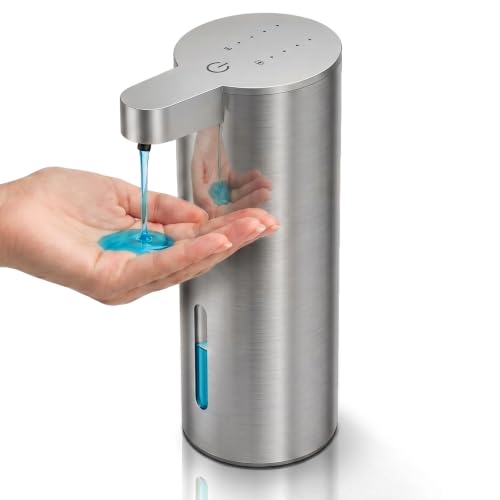
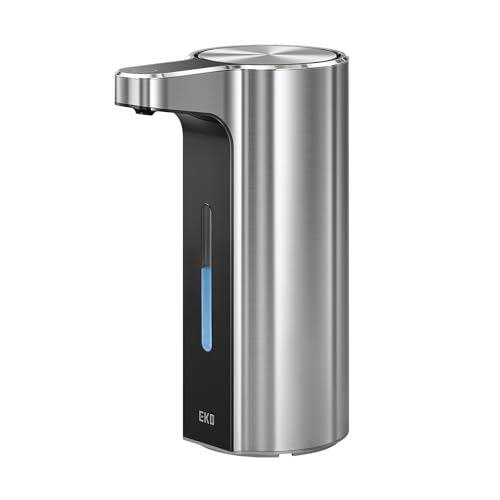
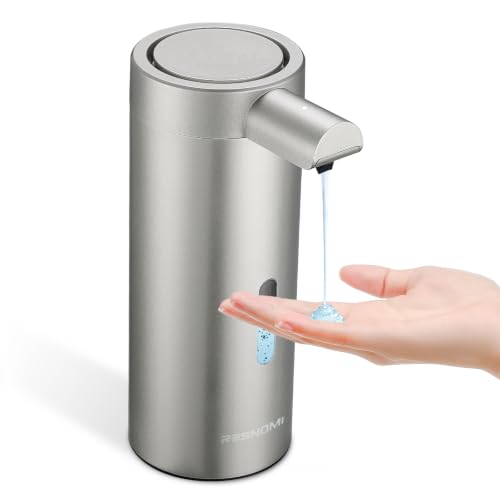
Your hands are covered in flour or grease from a sheet pan, and the last thing you want is to grab a slippery soap bottle with both hands. The best automatic dish soap dispenser solves that daily annoyance by giving you a measured dose with a wave. The product table below lists real models, so you can match a style to your sink, household size, and budget before you read the details.
Space matters more than most listings admit. A wide reservoir can crowd a narrow counter, while a tiny tank in a busy kitchen needs filling every few days. As you compare options in our guide to the best dish soap dispenser range, think first about who washes up, how often, and where the unit will live.





Quick Answer: How to Choose in 30 Seconds
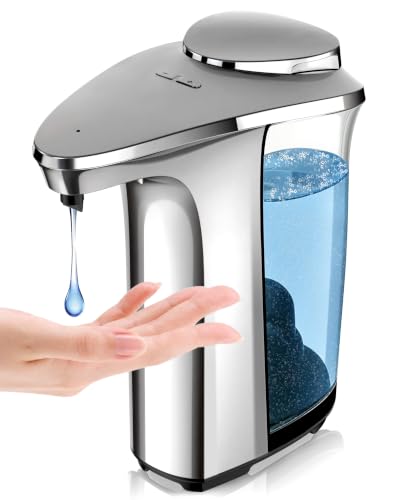
If you wash dishes daily for three or more people, choose a rechargeable countertop model with a reservoir of about 12 to 17 ounces and adjustable dose levels. If you live alone, a compact battery powered model takes less room and costs less. If your sink area stays crowded, consider a wall mount style that frees the counter. In every case, pick a wide fill opening, a visible soap level, and a sensor you can pause during cleaning.
Before You Buy: A Quick Checklist for Choosing a Dish Soap Dispenser
Which Type Fits Your Routine
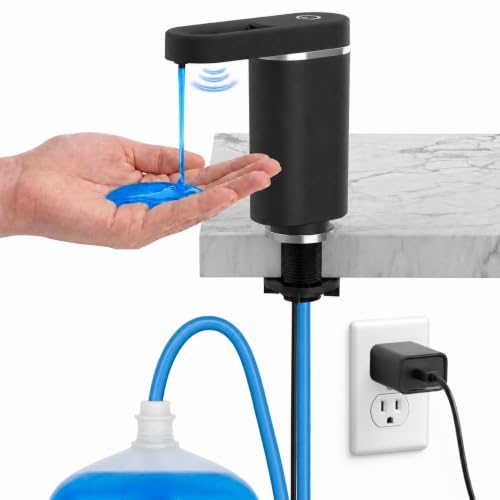
Automatic dispensers fall into three broad groups. Countertop models sit beside the faucet and are the easiest to move, refill, and clean. Wall mount models attach beside the sink and suit small kitchens where every inch of counter counts. Models that pair with a sink caddy keep the sponge and brush in one place, which helps if clutter is your main complaint. If you hate refilling, capacity matters more than a slim shape. For placement ideas, see our guide to the best dish soap dispenser for kitchen sink setups and note how much splash room each layout leaves.
Features Worth Paying For and Ones to Skip
Adjustable dose volume is worth paying for because a single cup and a greasy pan need different amounts of soap. A clear window or translucent tank is also useful, since you can see when a refill is due. A pause or off switch prevents waste when you wipe the counter. If you want storage built in, compare the best dish soap dispenser with sponge holder styles, but check that the holder drains rather than pooling water. Skip decorative lights, sound alerts, and app controls. They add cost without helping you wash a single plate faster.
Seal, Reservoir and Material Safety
The reservoir lid should close firmly so dust and splash water stay out of the soap. A loose cap lets water thin the soap over time, which weakens cleaning power and can cause the pump to spit. Look for plastics described as BPA free, or choose stainless steel or glass if you prefer to avoid plastic. Glass resists staining but can chip if it slides into a metal sink. Stainless steel tolerates knocks, though it shows water spots. Confirm the maker lists what soaps the unit can handle, because some pumps struggle with very thick formulas or with soap that contains grit.
Placement Safety Around Water and Heat
An automatic dispenser lives in a wet zone, so water resistance matters. Choose a model rated for splash exposure and keep the charging port dry. Place the unit on a flat, stable patch of counter away from the stove, since heat can thin soap and shorten battery life. Do not set it where a heavy pan could knock it into the sink. If children will use it, place it where they can reach the sensor without leaning across a wet counter. A sensor that needs a close, deliberate wave also reduces accidental doses while you cook.
Realistic Budget Ranges
At about $15 to $25, expect a compact battery powered dispenser with one or two dose settings and a modest tank. At about $25 to $50, you gain rechargeable power, larger reservoirs, better seals, and more dose control, which suits most family kitchens. Above about $50, you pay mainly for premium materials, very large tanks, wall mount hardware, or bundled caddy storage. That top tier makes sense if the dispenser will sit in full view for years. It makes less sense if your sink setup may change soon.
Types Compared: Three Styles That Fit Real Homes
Best for Most Homes: Rechargeable Countertop Models
A rechargeable countertop model balances capacity, convenience, and price for a typical family kitchen. One charge often lasts weeks of daily use, so you avoid a drawer full of spare batteries. Dose levels help when children tend to trigger the sensor twice. The trade off is size. These units need a clear patch of counter plus room for your hand under the nozzle. If your counter already holds a dish rack and a cutting board, measure before you buy and leave space for drips below the spout.
Best Value: Compact Battery Powered Models
Compact battery powered models suit single person homes, small apartments, and spare sinks in a laundry room. They cost less, start working as soon as batteries go in, and move easily if you rearrange the kitchen. Battery life is the main limit. A weak battery can cause slow or uneven doses that look like a pump fault. Keep a spare set in the kitchen so a flat battery does not push you back to a squeeze bottle mid wash. For light daily use, the lower price and small footprint often outweigh the extra features of larger styles.
Best Long Term Investment: Large Reservoir and Wall Mount Models
Large reservoir and wall mount models reward buyers who want to refill rarely and keep the counter clear. A tank of about 17 to 25 ounces serves a busy household far longer between fills, and wall mounting removes the unit from splash puddles and daily knocks. Installation takes more effort, so confirm the mounting method suits your tile, paint, or backsplash first. Adhesive mounts can fail in steamy kitchens if the surface is not cleaned well. Readers who prefer no contact at all may also compare the best touchless dish soap dispenser category, which uses similar sensors.
Our Selection Process for Automatic Dish Soap Dispensers
Judge any dispenser on five points. First, sensor reliability, meaning it fires when your hand or sponge is close and stays quiet when you walk past. Second, dose control across thin and thick soaps. Third, capacity matched to your household size. Fourth, how easy the tank is to open, fill, and rinse. Fifth, total value once you count batteries and charging. Readers who want a deeper look at one sensor approach can read a simplehuman sensor pump review to see how dosing speed and sensor range affect daily use. Maker specs and patterns in verified buyer reports tell you more than headline claims.
What We Like and What We Do Not About Automatic Dispensers Compared With Other Options
Automatic dispensers shine when your hands are messy, when several people share one sink, and when you want each dose to stay consistent. A manual pump bottle is cheaper and never needs charging, but it asks for a free hand and often delivers too much soap. A squeeze bottle costs almost nothing, yet it leaves sticky rings and is hard to use with wet hands. The automatic format also helps children and older adults who find stiff pump tops hard to press. On the down side, sensors can misfire in bright light or steam, and a flat battery stops the unit entirely. Keep your old pump bottle as a backup for charging days.
- Like: one handed use when hands are dirty
- Like: consistent doses that cut soap waste
- Like: cleaner counters, no sticky base
- Do not like: charging or battery changes add a small chore
- Do not like: thick soaps can clog some pumps
Common Buying Mistakes to Avoid
- Buying the largest tank for a small sink, so the unit crowds the faucet and gets knocked during washing.
- Ignoring dose adjustment, so a fixed large dose wastes soap on small jobs and raises your refill costs.
- Choosing a model with a narrow fill hole, so every refill spills soap down the side of the tank.
- Forgetting to check soap compatibility, so a thick formula you already own clogs the pump within weeks.
- Placing the dispenser in direct splash range with no pause switch, so it fires while you clean the sink.
- Paying for bundled extras you will never use, instead of a better seal and sensor.
Cost of Ownership and Care
Running costs stay low but they are not zero. Battery models need fresh cells a few times a year with daily use, while rechargeable models draw very little power per charge. Soap is the bigger cost, and adjustable dosing can stretch each bottle further. Wipe the nozzle weekly with a damp cloth so dried soap does not block the opening. Once a month, run warm water through the tank if the maker allows it, then refill with fresh soap. If output weakens, check the intake tube for air bubbles or residue before assuming the motor has failed. Keep the charging cable dry and away from the sink edge.
FAQ
Are automatic dish soap dispensers worth it for a small household?
Yes, if you cook often and dislike handling a bottle with wet or greasy hands. Even in a one person home, consistent dosing can reduce the soap you rinse away each day. The value drops if you wash only a few items by hand and run everything else through a dishwasher. In that case a compact model gives you the convenience without paying for capacity you will never use.
How do you clean an automatic dish soap dispenser sensor?
Wipe the sensor window gently with a soft, slightly damp cloth, since soap film is the most common cause of missed or repeated doses. Avoid abrasive pads, which can scratch the window and scatter the light the sensor relies on. If the unit keeps misfiring after cleaning, check whether a nearby reflective surface such as a steel faucet is bouncing signals. Moving the dispenser a few inches to one side often solves that problem without any repair.
How long does an automatic dish soap dispenser last with daily use?
Most well kept units serve for a few years of daily use, and the pump motor is usually the part that wears first. Lifespan depends on soap choice and cleaning habits, because residue left to harden inside the tube forces the motor to work harder. Using soap the maker approves and rinsing the tank at each refill gives the pump its best chance. Treat lifespan claims with caution, since household size changes the total number of doses a unit delivers.
Can an automatic dish soap dispenser handle foaming soap?
Only if the model is built for it. Foaming dispensers mix soap, water, and air in a set ratio, while standard liquid models expect undiluted dish soap. Putting foaming mix in a standard unit often produces a thin stream, and putting straight dish soap in a foaming unit can clog it. Check the description for the word foaming before you buy, and choose a standard liquid model if dish soap is the main job at your sink.
Why does an automatic dish soap dispenser dispense on its own?
Ghost doses usually come from light changes, steam, or a reflective object near the sensor, rather than from a broken motor. A low battery can also make sensor behavior erratic. Start by cleaning the sensor window, moving the unit away from direct window light, and charging or replacing the power source. If the problem continues, use the pause or off switch between wash sessions so the unit cannot waste soap while you are away.
Final Thoughts
Start with your sink, not with a feature list. Measure your counter space, count the people who wash up each day, and be honest about how often you will refill a tank. A rechargeable countertop style fits most homes, a compact battery style keeps costs down, and a wall mount style frees crowded counters. The best automatic dish soap dispenser for you is the one whose size, dose control, and upkeep match your routine. Check the product table above once more and choose the style you will still enjoy using a year from now.