
Best Automatic Coffee Makers by Routine 2026
Disclosure: We may earn a commission when you buy through links on this page, at no extra cost to you. As an Amazon Associate I earn from qualifying purchases. Learn more
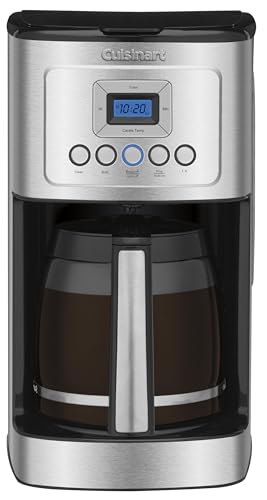
Match the best automatic coffee makers to your household routine, from bean to cup features and milk systems to cleaning cycles.
Shopping for best automatic coffee makers can feel confusing, because every option promises the best experience and few explain the trade offs in plain language. This guide cuts through that noise by focusing on what actually matters for your daily use, your budget, and your home or routine, so you can choose with confidence rather than guesswork.
The comparison table below gives a quick overview of the main types, and the sections that follow explain each choice in detail. Read the whole guide if you are buying for the first time, or jump to the sections that match your biggest question.

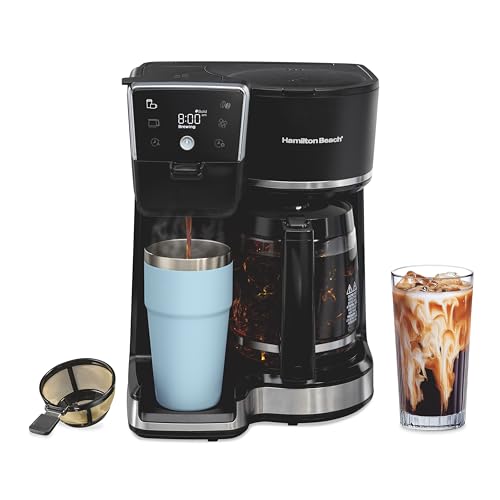


Who Should Use This Guide
This guide is organised by household routine, because automatic coffee makers range from simple drip machines to bean to cup systems. A solo drinker, a couple with different tastes, and a busy family all need different features. Count drinkers, cups per day, and milk drink preferences before you compare machines, because those numbers decide the right type.
Before you compare models, write down your main use, your budget range, and the one feature you will not compromise on. That short list will filter out most options quickly and keep you from paying for features that sound impressive but never change your daily experience. The product table above shows the main types at a glance, while the detail below helps you judge them.
Key Features Explained
Bean to Cup Versus Drip Automatic
Bean to cup machines grind fresh beans for each cup and suit drinkers who value fresh flavour and variety. Drip automatic machines brew a pot for several people and suit households that drink together. Bean to cup machines cost more and need more cleaning, while drip machines are simpler and cheaper to run. Choose by routine, not by prestige.
Grinder Quality and Adjustment
A good grinder with adjustable fineness lets you tune flavour and suit different beans, while a poor grinder produces uneven grounds that taste bitter or weak. Check whether the grinder is easy to clean and whether beans can be changed without waste. If you buy pre ground coffee, a grinder adds cost without benefit, so consider a machine without one.
Milk Systems for Lattes and Cappuccinos
Milk systems range from a simple steam wand to automatic frothers that make milk drinks at a button press. Automatic systems suit daily milk drinkers who value convenience, while steam wands suit hobbyists who enjoy control. Check cleaning requirements carefully, because milk systems need daily rinsing and regular deep cleaning to stay hygienic.
Customisation and User Profiles
User profiles that remember strength, size, and milk preferences suit households where several people drink differently. Single user households may not need profiles, while families benefit greatly. Check how easy profiles are to set and change, because a feature that is hard to program will go unused.
Cleaning Cycles and Maintenance
Automatic cleaning cycles, descaling alerts, and removable brew groups make maintenance easier, but they do not remove the need for regular care. Check what cleaning you must do daily, weekly, and monthly, and be honest about whether you will do it. A machine whose maintenance you skip will taste worse and fail sooner.
Types Compared
Drip automatic machines suit pot drinkers and families, bean to cup machines suit fresh coffee lovers and milk drinkers, and pod machines suit variety and convenience with higher running costs. Super automatic machines combine grinding, brewing, and milk in one, while semi automatic machines give more control to enthusiasts. Match the type to cups per day and taste priorities.
When you compare types, judge each one against your own routine rather than against an ideal user. A type that wins for a heavy user may be overkill for a light user, and a budget type that suits occasional use may frustrate a daily user. The product table above summarises the types, and your routine should decide which summary row matters most.
Common Mistakes to Avoid
Buying a bean to cup machine for a household that drinks one pot together, ignoring milk cleaning, choosing a machine that does not fit under cabinets, and underestimating running costs are common errors. Another mistake is buying premium beans for a machine with a poor grinder. Balance machine, beans, and cleaning effort for the best daily result.
Setup and Everyday Care
Rinse milk parts daily, empty drip trays and grounds containers regularly, and descale on schedule, more often in hard water areas. Use fresh beans or coffee, filtered water where possible, and clean removable parts as directed. Keep the machine dry externally, and check seals for wear that can cause leaks.
For related choices, see our guides to best coffee pot makers, best coffee machine makers, and best super automatic coffee makers, which use the same buying framework and help you compare neighbouring options without starting your research again.
For related choices, see our guides to best coffee for automatic drip coffee makers and best brewing coffee makers, which use the same buying framework and help you compare neighbouring options without starting your research again.
Choosing With Confidence
Before you buy, count drinkers, cups per day, and milk drinkers in your household, then read the full cleaning schedule for the machine you are considering. Those numbers and that schedule decide whether a bean to cup, drip, or pod machine fits your life. Check the machine size under your cabinets, and confirm bean or pod running costs before committing to a system.
Budget Tiers in Plain Terms
Budget automatic machines offer simple drip brewing and timers for pot drinkers at a low price. Midrange bean to cup machines add fresh grinding and milk options for daily coffee lovers. Premium super automatic machines add profiles, precision, and convenience for households that drink varied coffee all day. Choose the tier that matches your routine and your willingness to maintain the machine.
A Closer Look at Everyday Use
Think about your household coffee culture, because a machine that suits a solo enthusiast will frustrate a family with different tastes, and a machine built for a crowd will waste money for a single drinker. A household where everyone drinks black coffee at breakfast needs a simple, reliable pot or a bean to cup machine with a straightforward brew, while a household with latte, cappuccino, and espresso drinkers needs a capable milk system and user profiles. Consider running costs over years, not just purchase price: beans, pods, filters, descaler, and milk system cleaning all add up, and a cheaper machine with expensive pods can cost more than a pricier bean to cup system. Consider maintenance honestly, because milk systems need daily rinsing and regular deep cleaning, and a machine whose care you skip will taste worse and fail sooner. Measure your counter, check cabinet clearance, and choose a machine whose daily routine you will enjoy, not endure.
Frequently Asked Questions
Are bean to cup machines worth the extra cost?
They are worth it if you drink fresh coffee daily, value variety, and will maintain the machine properly. They cost more upfront and need more cleaning than drip machines, but they deliver fresher flavour per cup. If your household drinks a shared pot together, a good drip machine often gives better value.
How hard is it to clean an automatic coffee maker?
Daily tasks are usually quick, such as rinsing milk parts and emptying grounds, while weekly and monthly tasks take longer. Machines with automatic cleaning cycles help, but they do not replace manual care. Before buying, read the cleaning schedule and judge honestly whether you will follow it.
Can automatic machines make good milk drinks?
Yes, automatic milk systems can make good lattes and cappuccinos, especially with fresh cold milk and correct settings. Steam wands give more control for enthusiasts, while automatic frothers give consistency for busy mornings. Whichever system you choose, daily milk cleaning is essential for taste and hygiene.
Do I need a grinder in my coffee maker?
A built in grinder suits fresh bean drinkers who want flavour and variety without a separate grinder. If you buy pre ground coffee or prefer pods, a grinder adds cost and cleaning without benefit. Consider your coffee buying habit first, and choose a machine that matches it.
How long do automatic coffee makers last?
With regular cleaning and descaling, many machines last several years of daily use, though pumps, seals, and grinders wear over time. Hard water, neglected cleaning, and heavy use shorten life. Following the maintenance schedule and using filtered water where needed protects both taste and longevity.
Final Thoughts
Choosing well is mostly about matching the product to your real life, not about finding a perfect option. Use the product table above to narrow the types, use the detail in this guide to judge features, and trust a choice that fits your budget, your routine, and your comfort. If you keep that focus, best automatic coffee makers will serve you well for a long time, and you will know exactly why you chose it.

