Best and Worst Coffee Makers: Buying Guide for 2026
Disclosure: We may earn a commission when you buy through links on this page, at no extra cost to you. As an Amazon Associate I earn from qualifying purchases. Learn more

Use this buying guide to compare the best and worst coffee makers by brew method, capacity, brew temperature, grinder type, and controls for your home.
A coffee maker can produce a rich, balanced cup or a bitter, watery one from the exact same beans, and the difference rarely shows on the box. The gap between the best and worst coffee makers comes down to brew temperature, water flow, and build quality far more than brand or price. This guide walks you through the checks that predict flavor before you buy.
You will learn how brewing methods change taste, why capacity should match your household, and when a built in grinder helps or hurts. Keep the comparison table below open as you read, and judge every candidate against the criteria that match how you actually drink coffee at home.





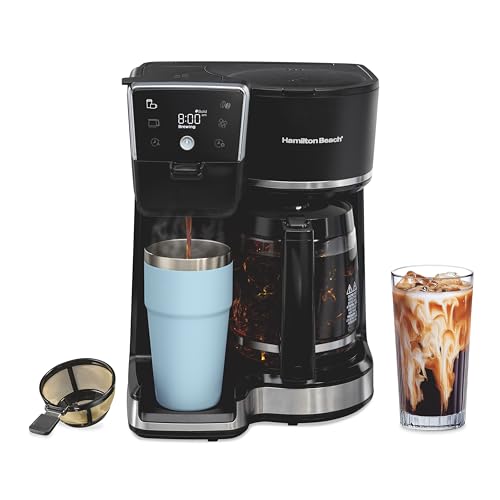
Three Price Tiers at a Glance
Price alone does not guarantee a good cup, but each tier sets fair expectations for temperature control, materials, and convenience features. Use these tier descriptions to judge whether a model in the product table above is priced honestly for what it offers.
Best Overall
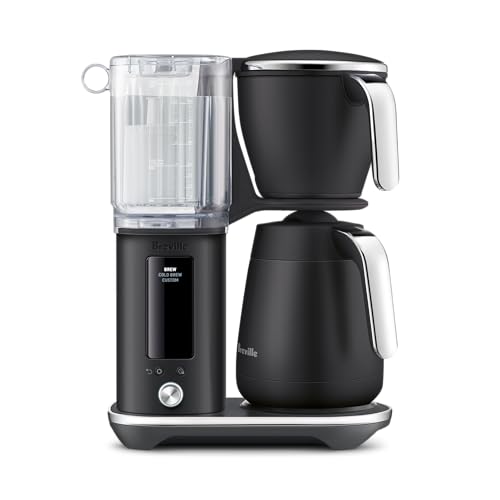
A strong all around drip machine, usually around $150 to $250, holds brew water near 200 degrees Fahrenheit, spreads water evenly over the grounds, and keeps coffee warm without scorching it. Expect a thermal carafe or a well controlled warming plate, a clear water window, and parts that come apart easily for washing. The limit at this tier is that espresso drinks are off the menu, since drip brewing cannot build the pressure those drinks need.
Best Value
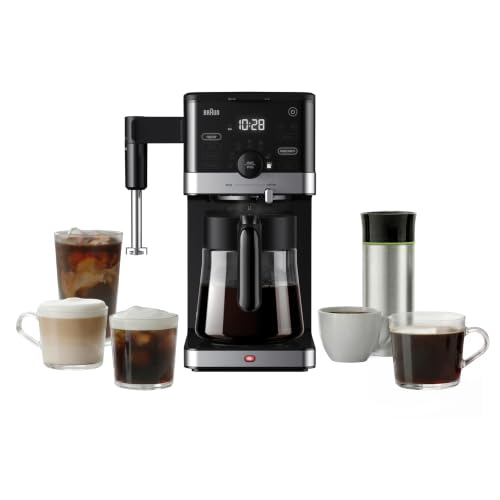
Value tier machines, often around $50 to $120, focus on the basics: a reliable brew cycle, a simple timer, and a carafe that pours without dripping. You may give up precise temperature control, and the first cup can taste slightly weaker than the last because extraction is less even. Plastic parts are more common here, so check that anything touching hot water is labeled BPA free. For one or two daily drinkers who use pre ground coffee, this tier covers the essentials at a fair price.
Best Upgrade Pick
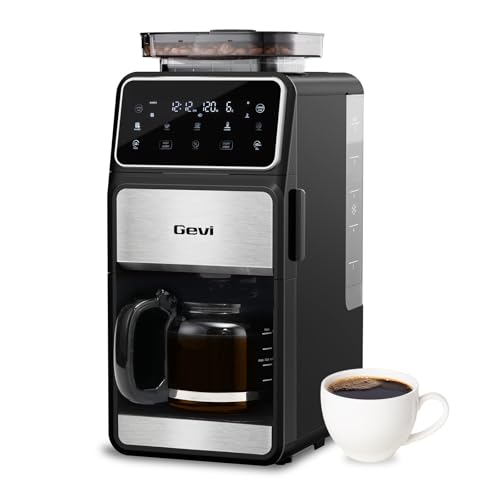
Upgrade tier machines, often around $250 to $500, add certified temperature accuracy, stronger showerheads, and sometimes a built in burr grinder. Some carry SCA certification, which means the brewer met the Specialty Coffee Association standards for temperature, brew time, and extraction. Materials lean toward stainless steel, and replacement parts are easier to order. The trade offs are counter space, a higher price, and more settings to learn. This tier suits households that brew a full pot daily and notice small differences in flavor.
How to Choose the Best And Worst Coffee Makers: Buying Guide
These six checks predict cup quality better than star ratings do. Read them with your own routine in mind, because the right answer for a solo drinker differs from the right answer for a busy family kitchen.
Brewing Method and Coffee Style
Drip machines brew a full pot of filter coffee and suit households that drink several cups through the morning. Single serve machines make one cup at a time from pods or grounds, trading some flavor depth for speed and zero cleanup between cups. Espresso machines force hot water through finely ground coffee at high pressure for short, concentrated drinks and milk based drinks. Pour over and cold brew are manual methods with their own gear rather than electric machines. If you mostly drink one quick cup before work, see our guide to the best single coffee makers for how pod and grounds based options compare on cost per cup.
Capacity and Serving Size
Manufacturers count a cup as about 5 to 6 ounces, not the 8 to 12 ounces most mugs hold, so a 12 cup carafe really serves about four to six normal mugs. Brewing a full pot you will not finish wastes coffee and leaves the last cups stewing on a warming plate. A 4 to 5 cup machine suits one or two drinkers, while a 10 to 12 cup machine suits families and guests. A thermal carafe keeps coffee hot for hours without the cooked taste a hot plate creates, though glass carafes cost less and let you see the level at a glance. Shoppers focused on classic pot brewing can compare notes in our guide to the best coffee pot makers as well.
Built In Grinder vs Pre Ground
Freshly ground beans taste noticeably brighter than pre ground coffee, because ground coffee loses aroma within days of opening. A built in burr grinder crushes beans evenly and gives the most consistent extraction, while blade grinders chop unevenly and can produce both bitter and weak notes in the same pot. Built in grinders add cost, noise, and one more part to clean, and the grinder usually wakes the house before the coffee does. A separate burr grinder gives you more control and works with any brewer later. If convenience wins, choose a machine whose grinder is easy to brush out, since old grounds trapped inside turn rancid and flavor every pot.
Build Materials (Plastic vs Stainless vs Glass)
Stainless steel bodies resist stains and odors and usually signal a sturdier build, while plastic bodies keep prices and weight down. What matters most is the material where hot water and coffee actually travel. Look for BPA free labeling on water tanks and brew baskets if you want to avoid that compound in hot contact parts. Glass carafes are easy to clean but break more often, and a replacement carafe can cost a third of the machine price. Thermal carafes in stainless steel avoid breakage and heat loss at once. Check the lid and spout design too, because a carafe that dribbles on every pour will annoy you daily.
Programmable Features and Controls
A programmable timer lets you load the machine at night and wake to a finished pot, which is the single feature most owners say they use daily. Brew strength control adjusts water contact time or flow so you can push flavor bolder without changing beans. An automatic shutoff protects the carafe and your peace of mind, and most plates switch off after about two hours. Pause and serve valves let you grab a cup mid brew, though the first cup will be stronger than the rest of the pot. App control and touch screens add little to flavor, so rank them below temperature and capacity when you compare. For a wider view of feature sets, our guide to the best coffee machine makers explains how makers bundle these controls at different prices.
Brew Temperature and Extraction
Water between 195 and 205 degrees Fahrenheit extracts coffee properly, and this range is the heart of the SCA brewing standard. Water that is too cool leaves coffee sour and thin, while water near a rolling boil can pull out harsh, bitter compounds. Many cheap machines never reach 195 degrees, which is the most common reason a budget pot tastes weak no matter what beans you use. Espresso is a separate case, brewed at about 9 bar of pressure with water near 200 degrees. If a drip machine listing hides its temperature or brew time, treat that silence as a warning sign and look for one that states both plainly.
Types of Coffee Makers
Each type below serves a different drinker. Naming your type first keeps you from paying for pressure systems you will never use or settling for a pot when you wanted espresso drinks.
Percolators
Percolators cycle boiling water through grounds repeatedly, on a stovetop or with an electric base. They make a strong, hot, old fashioned cup and work well for camping and large gatherings. The repeated boiling can over extract coffee and turn it bitter, and there is little control over strength beyond timing. Choose a percolator if you value durability and big batches over fine flavor control, and watch the brew closely until you learn its timing.
Drip Coffee Makers
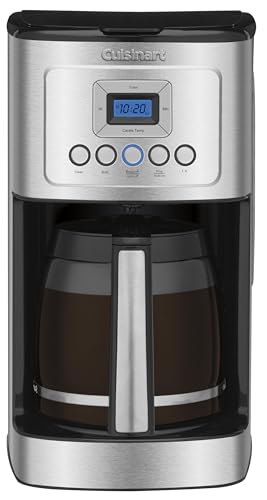
Drip machines are the standard home choice: hot water showers over grounds in a basket and drips into a carafe below. They balance price, capacity, and ease better than any other type, and filters and parts are cheap and everywhere. Quality varies widely with temperature control and showerhead design, which is why the buying guide above matters. If most of your drinking is straightforward morning coffee, start your search with our guide to the best brewing coffee makers and narrow down from there.
Espresso Machines
Espresso machines brew small, concentrated shots under pressure and usually add a steam wand for milk drinks. They demand fresh beans, a fine and consistent grind, and regular cleaning of the portafilter and wand. Costs climb quickly once you add a capable grinder. Buy one only if you truly enjoy the ritual and the drinks, because a machine that sits unused is the most expensive outcome of all. Casual latte drinkers may be happier with strong drip coffee and a simple milk frother instead.
Grind and Brew Machines
Grind and brew machines combine a grinder and a drip brewer in one body, so beans go in whole and coffee comes out with one button. The freshness gain is real, and counter clutter drops. The compromises are noise, harder cleaning around the grinder chamber, and repair risk, since one failure can disable both halves. These machines suit daily drinkers who value convenience and drink coffee fast enough that a hopper of beans stays fresh, usually within about two weeks.
Setup and Care Tips
A few habits protect both flavor and the machine itself. None of them take more than a couple of minutes, and together they can add years of service.
- Use filtered water to protect flavor and reduce scale: heavily chlorinated tap water dulls taste, while very hard water builds mineral scale inside the heating element and slowly weakens brew temperature.
- Descale every 1 to 3 months depending on water hardness: run the maker recommended descaling solution or a vinegar cycle, then rinse with two cycles of plain water so no sour taste carries into the next pot.
- Clean the carafe, basket, and steam wand after each use: old coffee oils turn rancid fast and will make even fresh beans taste stale, so a quick hot rinse daily beats a deep scrub monthly.
- Store beans in an airtight container away from light: keep beans whole, at room temperature, and out of the freezer for daily use, since moisture and odors creep into opened bags quickly.
- Run a plain water cycle after a holiday break: standing water in the tank picks up stale flavors, so refresh the system before the first pot back.
FAQs
Is a more expensive coffee maker really worth it?
It is worth it when the extra money buys verified brew temperature and even water distribution, because those two factors change flavor in every single pot. It is not worth it when the price only adds touch screens, clocks, or styling. A practical check: if two machines brew at the same temperature with similar showerheads, the cheaper one will taste nearly the same with the same beans and water.
How long does a coffee maker usually last?
A typical drip machine lasts about 3 to 7 years, with daily use and hard water shortening that range. Machines with replaceable parts, such as carafes, lids, and water filters, tend to outlast sealed designs because one broken part does not end the whole unit. Descaling on schedule is the single habit most linked to a long life, since scale buildup forces the heater to work harder every cycle.
What grind size works best with a drip coffee maker?
A medium grind, about the texture of coarse sand, works best for most drip machines with flat bottom baskets. Cone shaped baskets often do better with a medium fine grind because water passes through a smaller bed of coffee. If your cup tastes bitter, grind slightly coarser; if it tastes sour or weak, grind slightly finer. Change one step at a time and keep the coffee amount the same so you can tell what the grind change actually did.
Can I use regular coffee in a pod coffee maker?
Yes, most pod machines accept reusable refillable pods that you fill with your own ground coffee. This cuts cost per cup sharply and removes the stale taste that sealed pods can develop over months in a pantry. Fill the pod loosely rather than packing it tight, and use a medium grind so water can flow through evenly. If you buy sealed pods, check the roast date style packaging where possible, and see our guide to the best coffee for keurig coffee makers for how roast level changes the result in these machines.
Is a coffee maker with a built in grinder worth it?
It is worth it if you drink coffee daily, value one button convenience, and will clean the grinder chamber weekly. Fresh grinding improves flavor more than most other upgrades, and combining both jobs saves counter space. It is less worth it if you brew only on weekends, because beans sitting in the hopper go stale and the grinder premium buys little. In that case, a simple brewer plus a small separate grinder usually gives better coffee and easier repairs.
Final Thoughts
Brew temperature, honest capacity, and materials decide most of your daily satisfaction with a coffee maker. Match the type to your routine first, then spend on temperature control before screens or styling. When you judge the best and worst coffee makers side by side in the comparison table above, the models that state their temperature, brew time, and parts plainly are almost always the safer buy.