
Best Automatic Chronograph Watches under 1000: Buying Guide for 2026
Disclosure: We may earn a commission when you buy through links on this page, at no extra cost to you. As an Amazon Associate I earn from qualifying purchases. Learn more
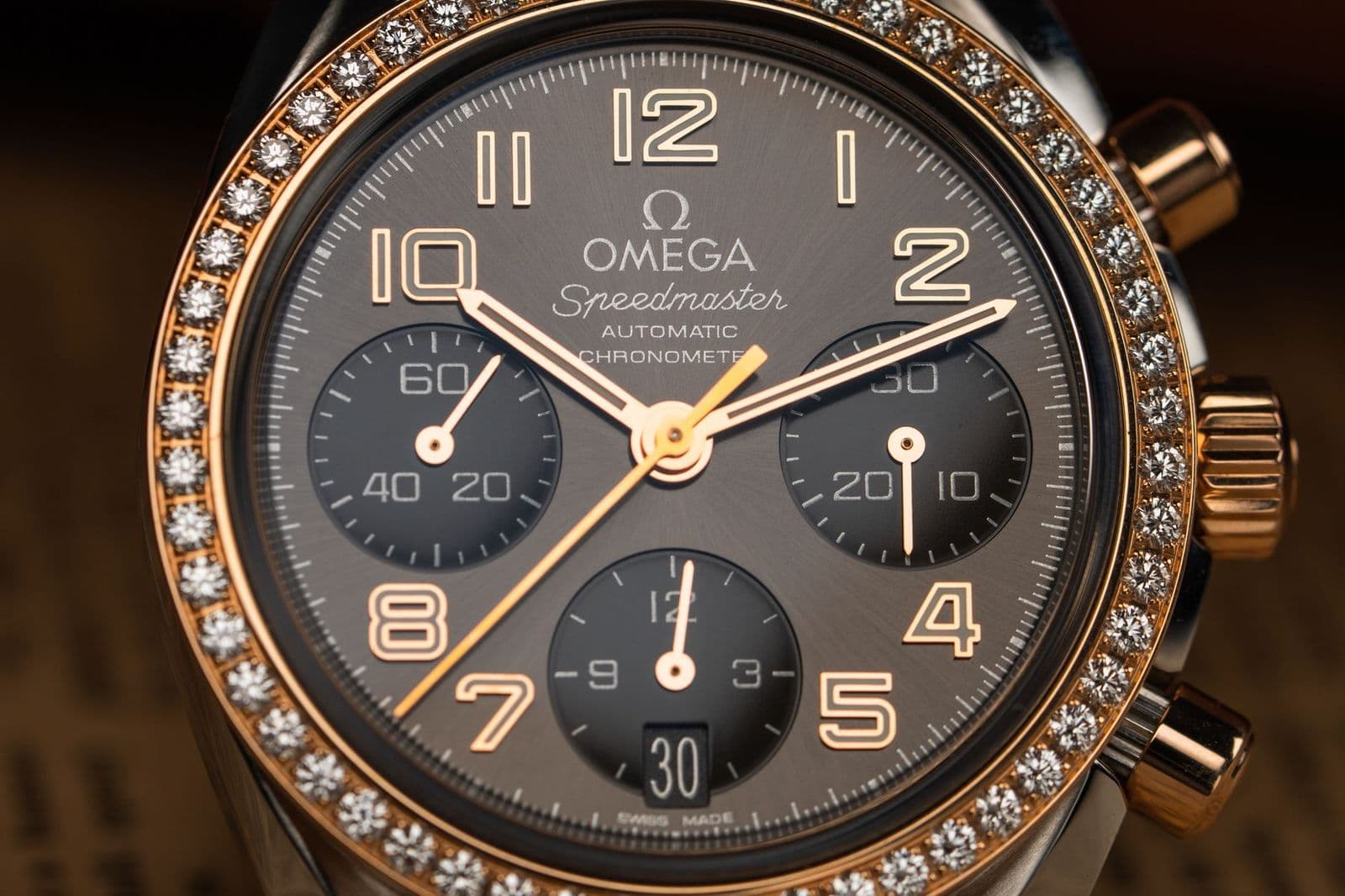
See what a 1000 dollar budget buys among the best automatic chronograph watches under 1000, from movement and crystal to sizing and straps.
An automatic chronograph gives you a self winding watch and a stopwatch in one case, and under $1000 that combination asks for smart trade offs. The movement is complex, so makers balance finishing, crystal choice, and bracelet quality against the price ceiling. Knowing where that balance should sit is the whole game when you shop for the best automatic chronograph watches under 1000. This guide shows you what the budget realistically buys, tier by tier.
This guide also gives a plain comparison with solar, dive, field, and smart alternatives, plus care habits that protect a movement this intricate. By the end, you should be able to look at any listing and spot within a minute where the maker spent the money and where it saved.
What Each Price Tier Delivers Under $1000
The Overall Tier
The overall sweet spot sits around $600 to $1000, where the full package comes together. Expect a proven automatic chronograph movement, sapphire crystal on many models, a steel case with clean finishing, and a bracelet or strap that feels made for the watch rather than borrowed. Pushers should work with a firm, even click, and the subdials should stay readable at a glance. This tier suits a buyer who wants one chronograph to wear for years, in settings from the office to weekend travel. If your budget reaches it, this is where value per dollar peaks.
The Value Tier
Around $300 to $600, value models keep the same movement families in many cases but trim the trimmings. Mineral crystal may replace sapphire, bracelets get simpler clasps, and dial finishing turns plainer. None of that stops the watch from timing your run or your commute with charm. The smart check at this tier is water resistance and warranty cover, because those protect you in daily life. Buy here if you love the style and can accept honest cost cutting where it shows least. Shoppers stretching from simpler watches can compare our guide to the best automatic watches under 1000 to see what the chronograph function adds in cost.
The Upgrade Tier
Just under the $1000 ceiling, the upgrade money goes into details you feel rather than specs you quote. Cases gain sharper brushing and polishing, crystals gain better anti reflective treatment, and movements may be regulated more carefully. Some models add a column wheel style smoothness to the pusher feel, though the exact mechanism varies. This tier makes sense if you have handled the mid tier and know which refinements you miss. It makes less sense as a first chronograph, because you cannot yet know which details matter to you. Wear time on a simpler model is the cheapest education in this hobby.
How to Choose the Best Automatic Chronograph Watches: Buying Guide
What You Can Realistically Get Under $1000
Under $1000 buys a genuinely mechanical chronograph with a serviceable movement, and that was not always true. You can expect timekeeping within a reasonable daily range for the class, a power reserve around 40 to 60 hours on many movements, and cases in steel with 50 m to 100 m ratings at the stronger end. What gets cut is decoration: expect machine finishing rather than hand work, and printed dials rather than applied artistry on most models. Do not save by accepting a size you cannot wear or water resistance below your needs. Those two compromises follow you every day.
Movement Type: Quartz, Automatic, Solar, and Smart
Quartz chronographs time to a fraction of a second, cost far less, and need only a battery every few years. Automatic chronographs trade that precision for mechanical craft, a sweeping central hand, and winding from your wrist. Solar models charge from light and keep quartz accuracy with almost no upkeep. Smart watches time anything and everything, then ask for a charger every day or two. Choose the automatic path because you enjoy the mechanism and want a watch that ages in decades. Service it every 5 to 7 years, because a chronograph movement has many small parts sharing old oil. If Swiss origin matters to you, compare our guide to the best swiss automatic watches under 1000 as you narrow the list.
Crystal and Case Materials
Sapphire crystal is worth seeking at this budget because a chronograph invites daily wear and its flat crystal meets desks and door frames. Mineral crystal remains acceptable at the value tier if the price drop is real. For cases, 316L stainless steel dominates for good reason: it resists corrosion, repairs well, and balances weight. Chronograph cases run thick, often about 13 to 16 mm, because the movement stacks extra wheels and levers. Try before you buy if you can, or measure your current watch and compare honestly. A thick case on a small wrist or under a tight cuff wears larger than its diameter suggests.
Water Resistance Rating
Read water ratings as use labels, not depth promises. A 30 m rating means the watch resists splashes and should stay out of the pool. At 50 m, hand washing and rain are worry free and brief shallow water is less risky, though makers vary in guidance. At 100 m, swimming is a fair use with the crown and pushers secured. One chronograph rule is absolute: never press the pushers in or near water unless the maker states they are designed for it, because pusher stems are a known entry path. Divers who need real depth should look at our guide to the best automatic dive watches under 1000 instead.
Legibility and Style
A chronograph dial carries three subdials, a scale, and the main hands, so legibility is a design skill, not a given. Look for strong contrast between hands and dial, subdial hands you can tell apart at a glance, and lume on the main hands and hour markers for low light. A tachymeter bezel adds sport character but crowds the edge; a clean fixed bezel reads calmer in the office. Match the style to your wardrobe honestly: a racing dial under a suit cuff can clash, while a restrained panda or reverse panda layout crosses settings well. Date windows should sit where they do not eat a subdial numeral.
Strap and Bracelet Options
The strap changes the watch personality and comfort more than any other part. Steel bracelets add weight and a finished look, and they suit daily wear if the clasp has fine adjustment holes. Leather straps lighten the watch and dress it up, but they dislike water and wear out in about a year of daily use. NATO style and silicone straps serve sport and summer, and quick release spring bars make swapping a one minute job with no tools. Check the lug width so spare straps are easy to find, commonly 20 mm or 22 mm at this level. Field watch fans may also enjoy our guide to the best automatic field watches under 1000 for strap ideas.
Automatic Chronograph Watches vs Other Options
Solar Watches
Solar watches use light to charge a cell that powers a quartz movement, so they keep excellent time and ask for almost nothing. A solar chronograph gives you split timing and alarms that a mechanical watch cannot match. Choose solar if accuracy and zero routine matter more than mechanics. Choose the automatic chronograph if the craft is the point of the purchase. There is no wrong answer here, only an honest one about what will make you smile at your wrist in three years.
Dive and Field Watches
Dive watches trade the stopwatch for a rotating bezel and far stronger water resistance, while field watches trade it for simplicity and toughness. If your timing needs are really about elapsed minutes underwater or on a trail, those tools beat a chronograph at its own game. If your timing happens at a desk, a track, or a stove, the chronograph is the more precise and enjoyable tool. Many collections end up holding one of each, bought in the order that daily life demands.
Smartwatches
A smartwatch times, tracks, notifies, and pays, and it does so with perfect accuracy. It also needs frequent charging, ages with its software, and asks for your attention with every buzz. Note that smartwatch health readings are general wellness information, not medical measurements. An automatic chronograph does one narrow job with no battery and no interruptions, and it will still do it in twenty years. Pick the smartwatch for data and convenience, and the chronograph for permanence and calm. Gift shoppers comparing across genders can also see our guide to the best men's automatic watches under 1000 for sizing notes.
Setup and Care Tips
- Service automatic watches every 5 to 7 years. A chronograph movement has extra levers and wheels, so fresh oil and fresh gaskets protect the whole mechanism.
- Rinse after saltwater exposure. With the crown secured, fresh water removes salt that would otherwise attack seals and steel.
- Store away from magnets. Tablet covers, bag clasps, and speakers can magnetize a movement and make it run fast until serviced.
- Rotate straps to reduce wear. Resting leather and airing out a bracelet extends the life of both and keeps the watch comfortable.
- Learn the pusher order. Start and stop with the top pusher, reset only after stopping, because resetting a running chronograph can strain the mechanism on many movements.
- Wind gently if it has stopped. A slow hand wind gets the watch running, and normal wear keeps it wound after that.
Frequently Asked Questions
Can you get a good automatic chronograph watch under $1000?
Yes, you can, because this budget now covers proven movements, steel cases, and in the upper half, sapphire crystal. Good at this level means honest finishing, clear subdials, and a warranty you can actually use. What you will not get is hand decoration or precious metal, and you do not need either for a satisfying watch. The strongest buys sit around $500 to $900, where competition is fierce. Judge any model by size fit and water resistance first, then by movement and crystal.
Quartz or automatic: which is better?
Better depends on what you ask the watch to do. Quartz chronographs are more accurate, thinner, cheaper, and ready after months in a drawer. Automatic chronographs offer mechanical craft, a smooth timing hand, and independence from batteries, balanced against service costs every 5 to 7 years and looser daily accuracy. If timing precision drives your work, quartz wins. If the watch itself is the pleasure, automatic wins. Many owners keep one of each and reach for them on different days.
How water resistant should a watch be?
For daily wear with a chronograph, 50 m is a sensible floor and 100 m is the comfort zone. A 30 m watch should stay away from swimming and showers despite the deep sounding number. Remember that ratings assume healthy gaskets and a secured crown, and seals age whether you swim or not, so a pressure check at service time is wise. Heat is the hidden enemy: hot showers and saunas age gaskets faster than cold water does. When in doubt, take the watch off before water.
Is a smartwatch worth it over a classic watch?
It is worth it if you will use training data, wrist alerts, and contactless pay most days. It is not worth it if those features become one more stream of interruptions, or if you resent charging a watch like a phone. A classic automatic chronograph keeps value in its object quality and stays useful for decades with periodic service. The honest split many people land on is a smartwatch for exercise and an automatic for the rest of life. Buy in the order your routine demands.
How long does a watch battery last?
An automatic chronograph has no battery at all, because wrist motion winds its mainspring. The figure that matters is power reserve, commonly about 40 to 60 hours in this class, which means a watch worn on Friday may stop by Monday morning. That is normal, not a fault. Quartz chronographs run about 2 to 3 years on a battery, and solar models can run for many years on their rechargeable cell with regular light. Store a solar watch where it sees light, not in a dark drawer.
What case size fits my wrist?
For chronographs, judge by lug to lug span and thickness, not diameter alone, because these cases wear big. Wrists under about 6.5 inches usually suit 38 to 40 mm cases with short lugs. Mid size wrists carry 40 to 42 mm well, and larger wrists can go beyond. Keep thickness in mind too: about 13 to 16 mm is normal here, and a slimmer case under about 14 mm is much kinder to shirt cuffs. If the lugs overhang the flat of your wrist, size down.
The Bottom Line
Under this ceiling, spend first on fit and water resistance, then on the movement and crystal, and let finishing be the reward at the top of the budget. The best automatic chronograph watches under 1000 choice is the one that sits flat on your wrist and times your day without fuss.


