
Best Automatic Breast Pumps for 2026: Types Compared and How to Choose
Disclosure: We may earn a commission when you buy through links on this page, at no extra cost to you. As an Amazon Associate I earn from qualifying purchases. Learn more

Compare the best automatic breast pumps by type, including wearable, portable, and premium styles, with a clear checklist for fit, cleaning, and safety.
Walk into any baby store or scroll any registry list and you will find pump styles that look nothing alike, from small wearable cups to full size double electric units. It is no wonder so many parents feel stuck before they even start. This guide sorts the best automatic breast pumps by type, so you can match a style to your day instead of guessing.
You will learn how each type works, who it suits, and what it usually costs. The comparison table below pulls the main options together, and the sections after it explain the trade offs in plain language.
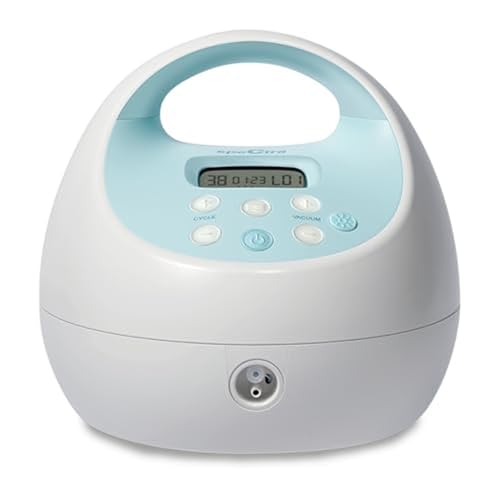
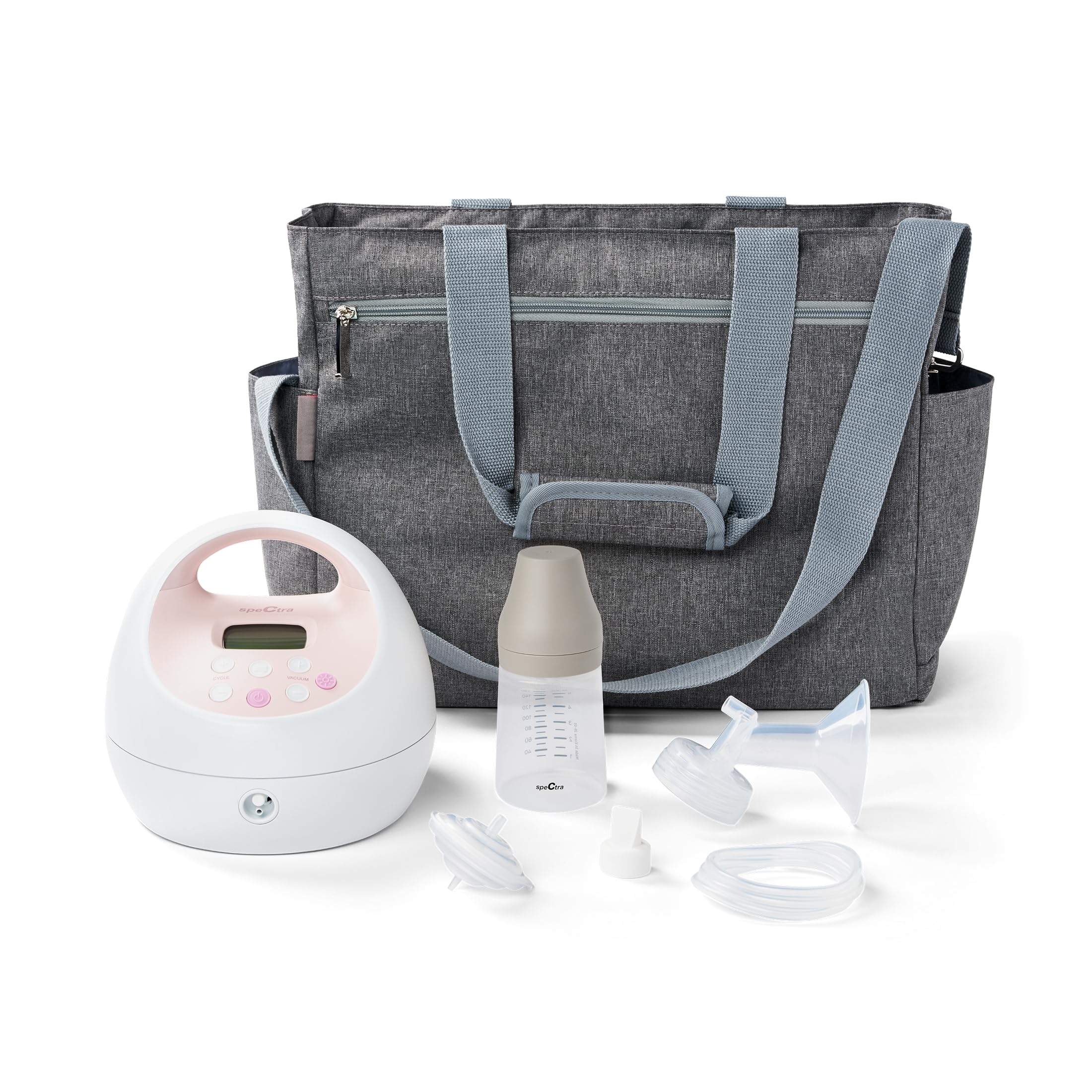

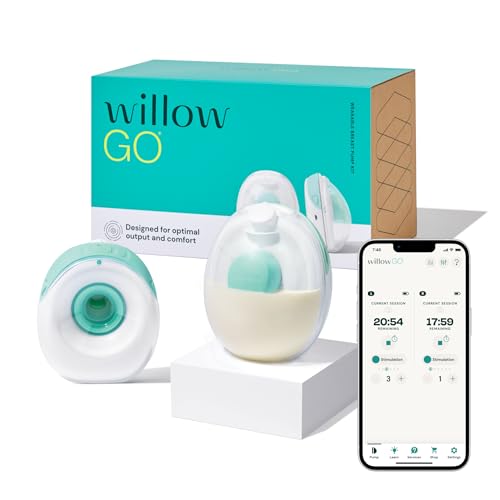
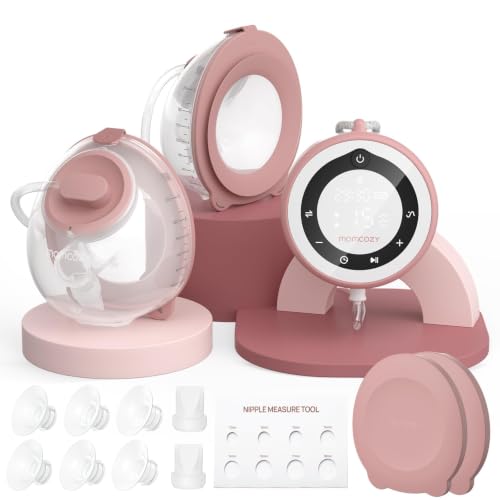


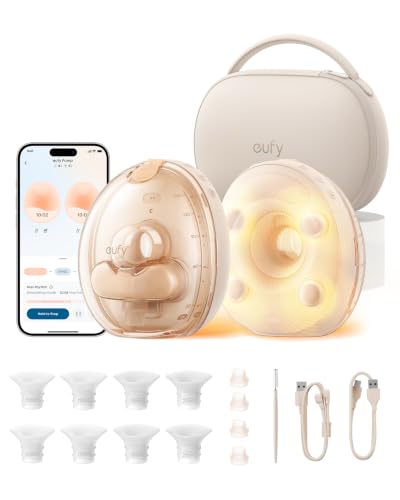
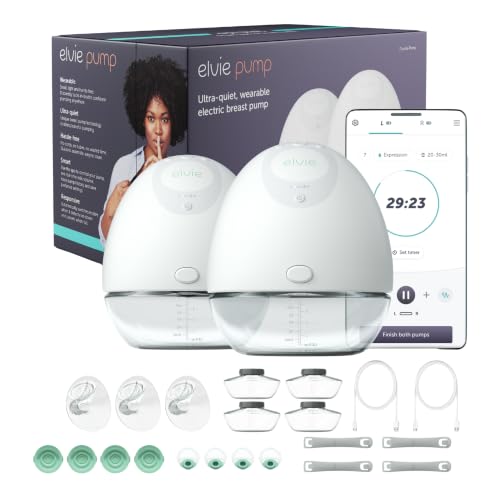

Types of Automatic Breast Pumps Compared
Automatic pumps use a motor to create suction cycles that mimic how a baby nurses, so your hands do not have to work a lever. The three broad types below differ mostly in size, power source, and how much freedom they give you while a session runs. Think first about where you will pump most often, at home, at work, or on the move, because that answer narrows the field fast.
Hands Free and Wearable Options
Wearable pumps sit inside your bra, with the motor and collection cup in one compact unit or linked by short tubing. There are no dangling bottles, so you can answer email, fold laundry, or hold your baby during a session. The trade off is capacity and strength, since small motors and cups that hold about 4 to 5 ounces suit moderate output better than very full sessions.
Wearables also ask more of fit. A flange that seals poorly inside a bra leaks and reduces suction, so measuring your nipple size before buying matters more here than with any other type. If discretion at work is your top need, start with our guide to the best handsfree breast pumps for a closer look at this style.
Travel and Portable Options
Portable pumps pair a small rechargeable motor with separate bottles or bags, giving you stronger suction than most wearables in a package that still fits in a tote. Battery life usually covers a full workday of sessions, and many charge by USB, which helps on trips. They are louder than wearables and the tubing needs rinsing, but output and comfort often feel closer to a full size pump.
This is the style many parents choose when they pump at two or three locations each week. Weight matters once you add a cooler and parts, so check the total kit weight, not just the motor. For more travel focused detail, see our guide to the best portable breast pumps before you commit.
Premium Options
Premium pumps are larger double electric units built for frequent daily use, with stronger motors, more suction settings, and quieter operation. Many include memory settings, night lights, and closed systems that keep milk out of the tubing. Prices run higher, often about $250 to $400, and the units stay on a counter or desk rather than traveling light.
Choose this tier if you pump several times a day, plan to pump for many months, or need hospital grade style suction patterns because of low supply concerns raised by your clinician. The extra settings help you fine tune comfort, which matters when sessions happen around the clock. Talk with a lactation consultant about whether this tier fits your situation.
Hands Free and Wearable Options Versus Travel and Portable Options: Which Should You Choose?
Compare the two lighter styles on five points. For freedom of movement, wearables win, since nothing hangs from your body. For suction strength and bottle capacity, portables usually win. For noise, wearables are quieter in a shared office, while portables are easier to clean because parts are larger and fewer nooks trap milk. For cost, portables often land around $150 to $250, while wearables range wider, about $200 to $350.
Your schedule decides it. If you pump twice at a desk with a door, a portable gives you more for your money. If you pump while caring for a toddler or during meetings with a camera off, a wearable earns its price. Some parents own one of each, using the wearable on busy days and the portable when output matters most.
How to Choose the Right Automatic Breast Pump
Ease of Use for Tired Parents
At 3 a.m., small design choices feel huge. Look for controls you can run with one hand, a screen you can read in dim light, and settings that return to your last session automatically. Assembly should take under a minute once you know the parts. Count the pieces you must put together each time, because a pump with nine parts will frustrate you by week two, while one with five parts feels manageable even when you are exhausted.
Materials and Cleaning
Most pump parts that touch milk are silicone and plastic, and you want them clearly labeled BPA free. Fewer parts means faster washing, and parts that are machine washable on the top rack save real time, though many brands still ask for hand washing to protect valves. Check whether replacement membranes and valves are cheap and easy to order, since soft parts wear out and weak suction is often just a tired valve, not a failing motor.
Safety Standards and Certifications
Buy from brands that follow Food and Drug Administration rules for breast pumps and state their materials plainly. A closed system, where a barrier keeps milk out of the motor and tubing, is the key hygiene feature to confirm. Certifications you may see mentioned for baby gear in general, such as JPMA certification on nursery products, signal a brand culture of testing, but for a pump the closed system and clear material labeling matter most.
A quick safety note: pumping should not hurt. Sharp pain, blanching, or cracks mean the flange fit or suction level needs attention, and persistent pain, fever, or a hot red area on the breast can signal mastitis. Stop and call your doctor or a lactation professional promptly if those signs appear rather than pushing through sessions.
Fit for You and Your Feeding Stage
The fit that matters most is yours, not your baby's weight. Flange size should match your nipple diameter, with a small amount of room around it as it moves. Many parents need a size other than the one in the box, so brands that include two flange sizes or sell inserts cheaply save you a second purchase. Your needs also change by stage, since early weeks often call for more frequent sessions than month six.
Performance Features
Useful features include adjustable suction levels, a letdown mode with faster lighter cycles, and a timer so you can track session length. Battery models should state how many sessions a charge covers. Suction strength is often listed in mmHg, and a range up to about 270 mmHg is common, but comfort beats raw power, since pain reduces output. If you want a broader view of electric models, our guide to the best recommended electric breast pumps covers more of the category.
Parents who like cord free freedom at home often compare these features with the best wireless breast pumps, which cut the outlet cord while keeping bottle style collection. And if you want to see how different roundups weigh these same features, the best ranked breast pumps guide shows another way to sort the field.
Care and Maintenance Tips
Wash parts that touch milk after every use with warm soapy water, air dry them on a clean towel, and sanitize once a day for babies under three months or with health concerns, following the maker directions. Register your pump with the manufacturer so you receive recall and safety notices. Replace valves and membranes on the schedule in the manual, store the motor away from steam and dust, and pack a spare set of parts for work so one forgotten piece never ruins a day.
Frequently Asked Questions
How do I clean and sanitize a breast pump?
Take the pump apart fully, wash every part that touched milk in warm soapy water or as the manual allows, rinse, and air dry. Sanitize daily for young or medically fragile babies using boiling water, steam bags, or a sanitizer the maker approves. One point many manuals bury: never submerge tubing that is part of a closed system unless the maker says it is washable.
Is a premium breast pump really safer?
No, premium pricing does not by itself mean safer. Safety comes from a closed system, food grade materials, and correct cleaning, all of which appear in mid priced models too. Premium tiers mainly add comfort settings, quieter motors, and durability for heavy use. Spend more for those benefits if you need them, not out of fear that a modest pump is unsafe when used as directed.
How long can I use the same breast pump?
You can use one pump through a full feeding journey and often for a second child, as long as suction stays strong and parts are replaced on schedule. Motors slowly weaken after hundreds of hours, so a pump that suddenly feels gentle may be aging out. Personal use pumps are single user products for hygiene reasons, so borrow or pass along only closed system parts the maker allows, and never share parts that touch milk.
When should I buy a breast pump before the baby arrives?
Buying four to six weeks before your due date works well for most parents. That timing lets you wash parts, learn the controls without pressure, and sort out insurance paperwork. It also leaves room to exchange flange sizes after a fitting. If your clinician warns of an early delivery or feeding challenges are likely, buying sooner gives you one less task during a busy first week at home.
Is a breast pump covered by insurance?
Often yes, since many United States health plans cover a basic electric pump in full, and some let you pay the difference toward an upgraded model. Coverage rules and approved suppliers vary by plan, so call the number on your card and ask which pumps and suppliers qualify before ordering. Keep receipts for parts and supplies, because some plans and flexible spending accounts reimburse those as well.
Final Thoughts
Start with where and how often you will pump, then check flange fit and cleaning load, and let price come last. Wearables buy freedom, portables balance power and size, and premium units serve heavy daily use. Whichever route you take, the best automatic breast pumps are the ones you will actually use at every session, so compare the product table above with your real routine in mind, and talk with your clinician or lactation consultant about your personal needs before you decide.


