
Best Area Rugs for Nursery: A 2026 Checklist for Parents
Disclosure: We may earn a commission when you buy through links on this page, at no extra cost to you. As an Amazon Associate I earn from qualifying purchases. Learn more

A parent friendly checklist for the best area rugs for nursery floors: soft safe fibers, low emissions labels, washable builds, sizing, and care.
A nursery rug is where tummy time, first crawls, and midnight feedings happen, so it has to be soft, stable, and easy to clean. This checklist shows you how to judge the best area rugs for nursery use, with safety and emissions first, and looks second.
Work through the criteria below before you fall for a cute pattern. When you are ready to compare sizes and materials side by side, start with the comparison table below, then check your shortlist against each section.
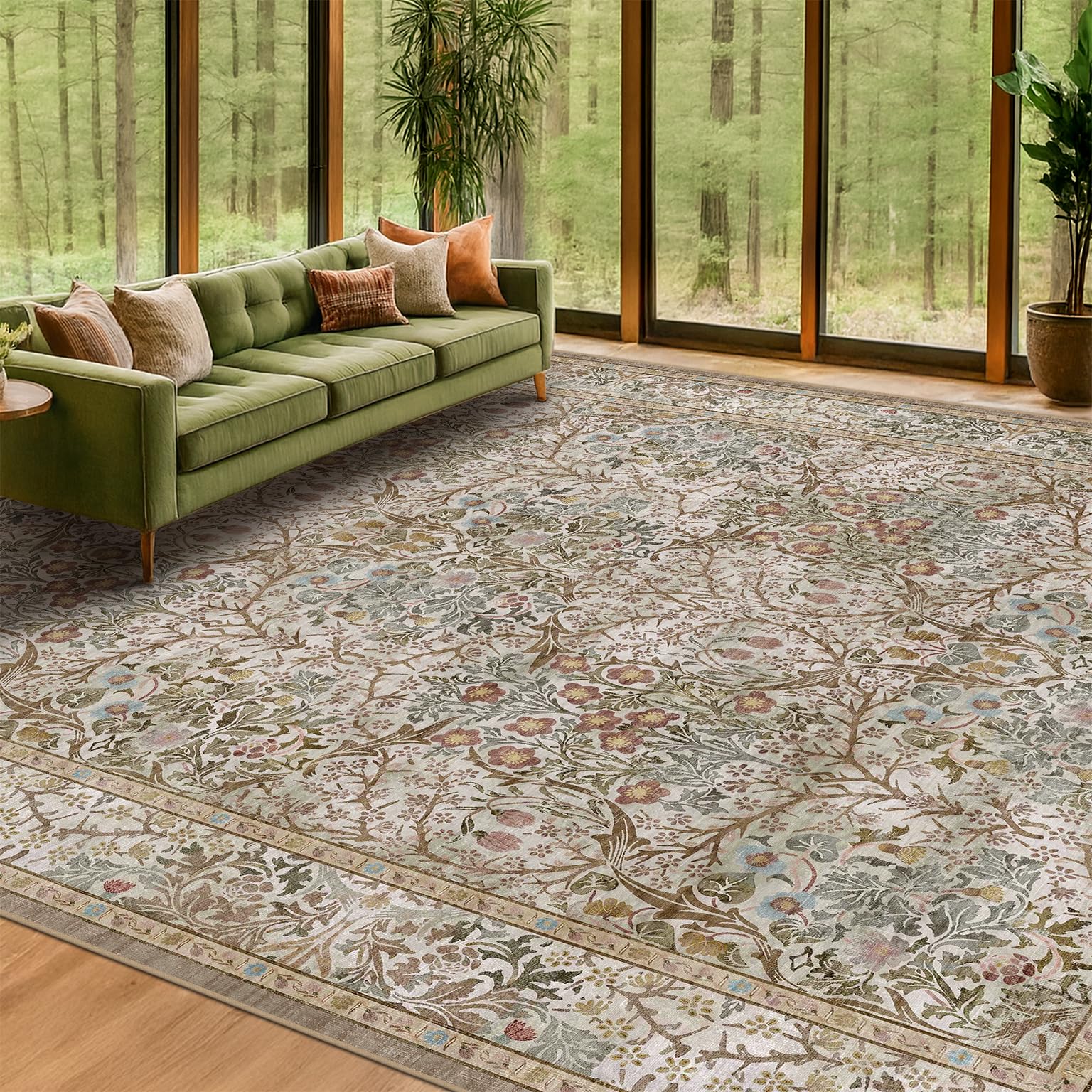
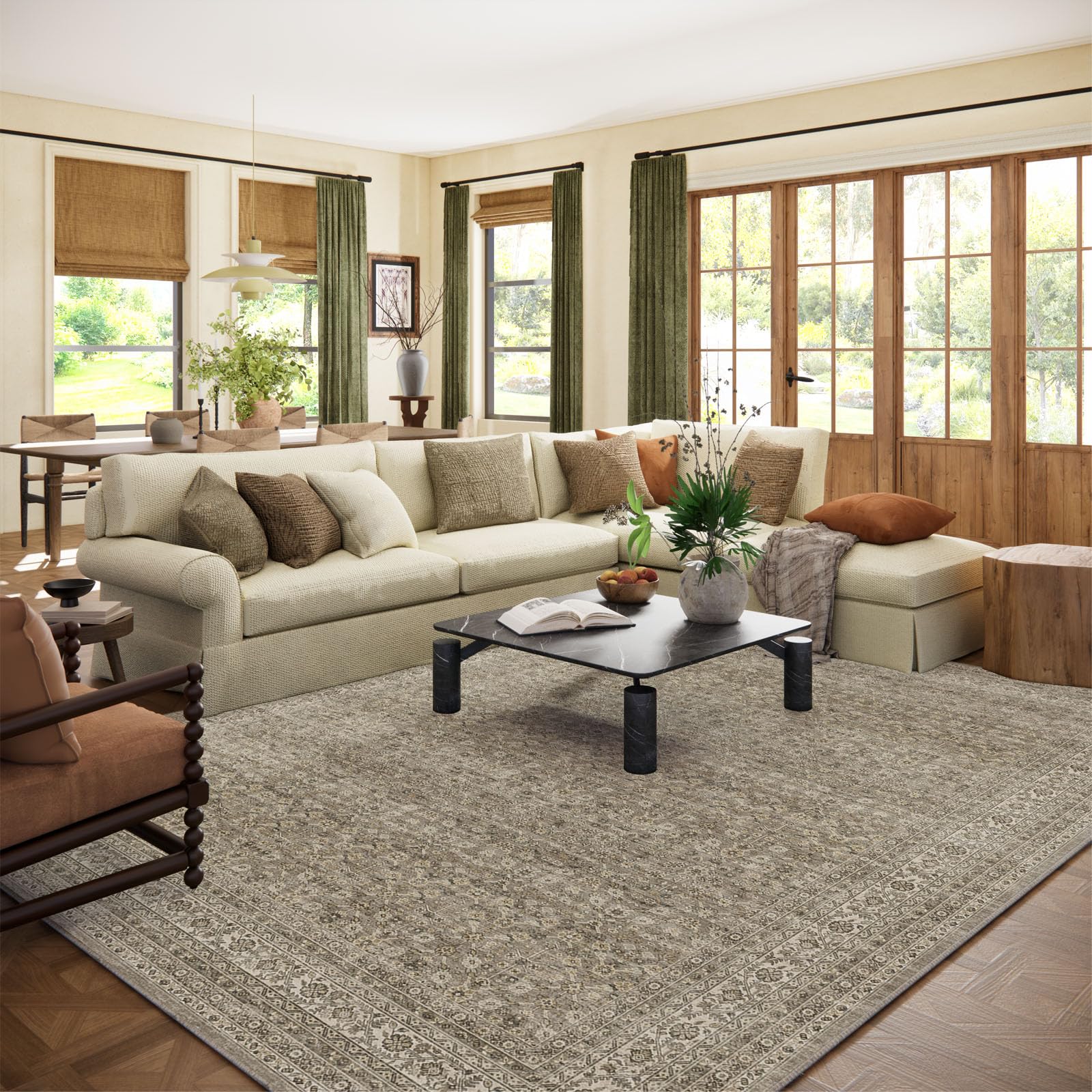
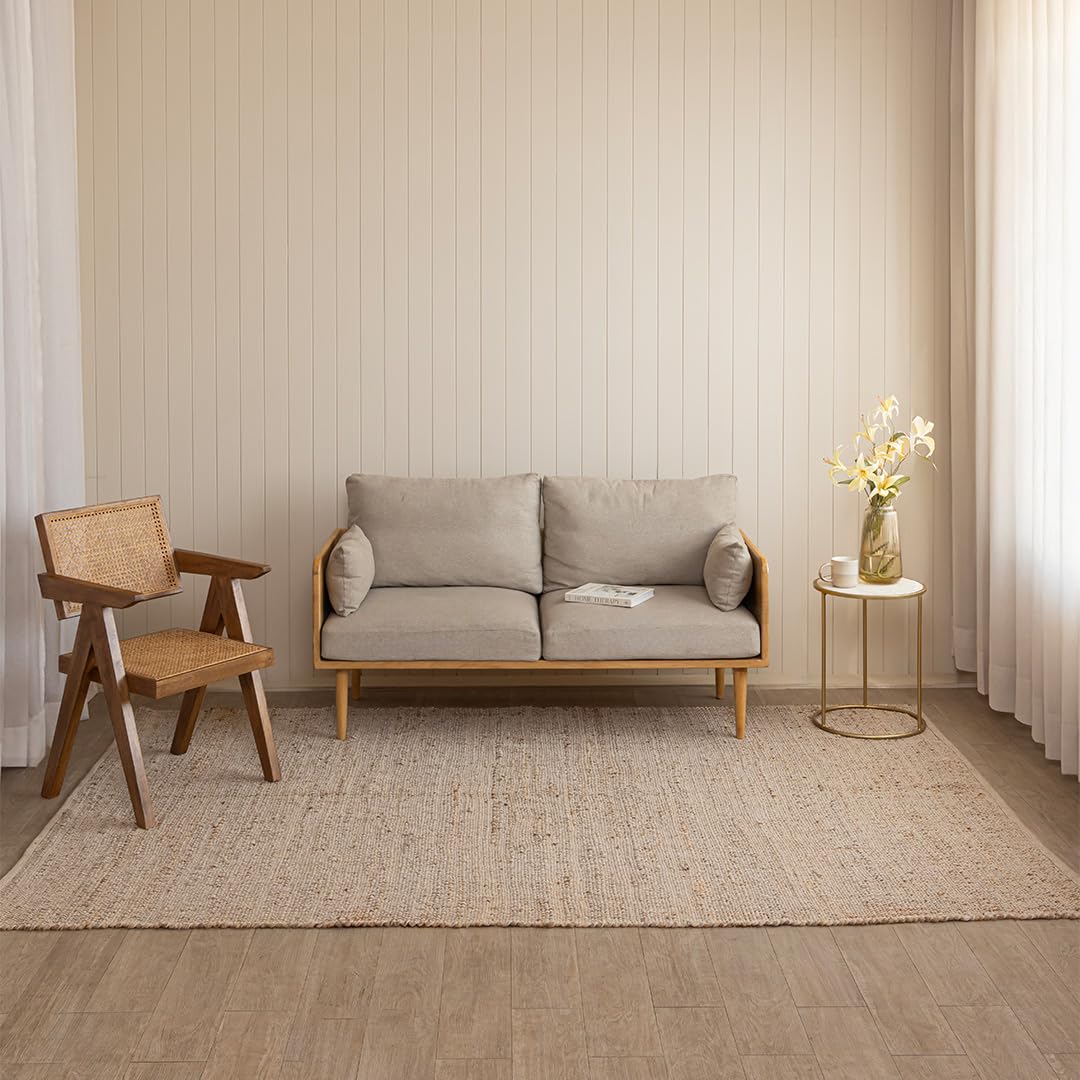


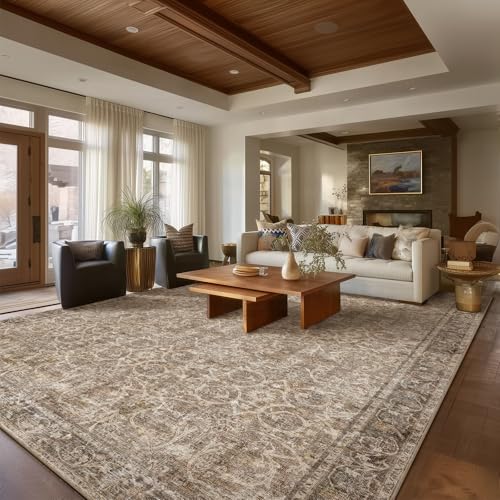
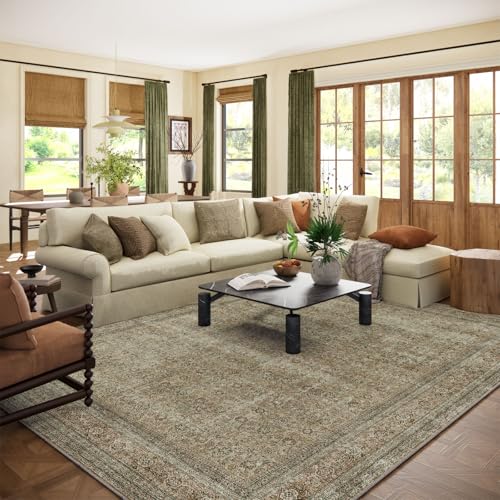
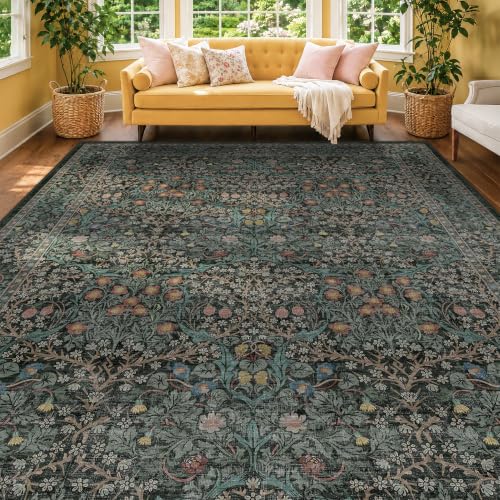


How to Evaluate the Best Area Rugs for Nursery Use
Nursery rugs work harder than rugs in adult rooms: babies lie face down on them, chew corners, and spill on them daily. Weigh softness, fiber safety, grip, and washability ahead of pattern, and treat vague safety claims as a reason to look elsewhere.
Features That Matter for Nursery
Prioritize a stable, low to medium pile surface that cushions knees and tiny elbows without tripping new walkers. The rug must stay flat: curled corners and sliding rugs are fall hazards for adults carrying a baby in the dark. Choose a size that covers the main play zone and the path between crib and chair, roughly the center of the room, so most floor time happens on the soft surface rather than at its edges.
Material
Cotton is a nursery favorite because it is soft, breathable, and often machine washable, though it offers modest cushion on its own. Wool is naturally resilient, but it costs more and is rarely machine washable. Synthetics such as polyester feel plush and clean easily, yet quality varies, so the label matters. Avoid rugs with loose long fibers or shag in a nursery, because babies can pull fibers free and mouth them.
Cushion and Edge Finish
For crawling babies, choose a surface that gives a little under knees but stays firm enough for pushing up and early standing. A very tall, spongy pile can frustrate new crawlers whose hands sink and slip. Pair a low or medium pile rug with a firm pad for balanced cushion. Check that edges are bound flat, and skip rugs with attached tassels or fringe within baby reach, since loose strands are a chewing and tangling hazard.
Safety Labels and Emissions
Look for OEKO TEX Standard 100 on the rug itself, which screens finished textiles for harmful substances, and consider GREENGUARD style low emission claims for the room as a whole. CertiPUR US covers foam, so it applies to foam backed play rugs and pads rather than woven rugs. Treat words like nontoxic or chemical free with caution when no named standard or certificate number backs them up. When in doubt, air any new rug in a ventilated space for a few days before the baby uses it.
Durability and Care
In a nursery, washable beats durable but unwashable almost every time. Milk, diaper leaks, and spit up are weekly events, so a rug you can machine wash or hose down and air dry will outlast a delicate showpiece. Check the care label for wash temperature and drying rules, and confirm your machine can handle the rug size. A spare inexpensive cotton rug to swap in during washes keeps the floor covered on laundry day.
Pile Height and Daily Use
Keep pile low to medium, roughly a quarter to half an inch. That range is soft for tummy time, lets crib and glider legs sit steadily, and vacuums clean without a fight. Gliders and rocking chairs move better on low pile, which matters during night feeds. If you love a plush look, get the cushion from the pad instead of from tall fibers, so the surface stays safe and cleanable.
Size and Fit
A 5 by 8 foot rug covers the central play area in most nurseries, while an 8 by 10 foot rug suits larger rooms and can anchor the crib, dresser, and chair together. Leave a border of floor showing so the room does not feel swallowed, and keep the rug clear of the crib drop zone edges where you stand to lift the baby. Measure with the furniture in place, because nursery layouts shift once the glider arrives. Larger family spaces are covered in our guide to the best quality area rugs for shared rooms.
What Each Price Tier Delivers
The Balanced Mid Range Tier
Around $100 to $300 for a nursery size, you find dense cotton weaves, decent wool blends, clear safety labeling, and backings that stay put. This tier is the sensible default for a room your baby will use daily for several years. The fibers feel soft without shedding heavily, and colors survive repeated washing better than budget dyes. If spills are constant in your home, compare constructions in our guide to the best washable area rugs before you decide.
The Value Tier
Under about $100, expect thinner cotton or synthetic rugs that work well as a washable top layer over a pad. They are a smart choice for the messiest first year, when you may cycle through two rugs without regret. The trade offs are faster fading, lighter weight that shifts more, and less cushion. Always add a gripping pad at this price, because a sliding rug under a carrying parent is a genuine safety risk, not a minor annoyance.
The Premium Tier for Heavy Use
Above about $300, premium nursery rugs offer thick wool pile, careful dye work, and construction that survives siblings. This tier suits a rug you plan to move into a toddler room and then a playroom over a decade. Confirm the cleaning method before paying premium prices, because a dry clean only rug in a nursery is a burden. Premium wool also sheds early on, so vacuum it several times before the baby plays on it.
Quick Buyer Checklist
- Is the pile low or medium, with no loose long fibers a baby can pull?
- Does the listing name a real textile safety standard or certificate?
- Can you wash or deep clean the rug with the machines you own?
- Will a gripping pad keep it flat and still under a glider?
- Does the size cover the play zone and the crib to chair path?
- Are there any tassels, fringe, or attached toys within baby reach?
- Have you planned a few days to air the rug out before first use?
Red Flags to Watch For
Skip rugs with a strong chemical smell that the seller tells you to ignore, and be cautious with any listing that hides its fiber content. A nursery rug with no care instructions is another warning, since you will be cleaning it constantly. Avoid secondhand rugs of unknown history for a baby room, because you cannot know what they absorbed. Finally, treat miracle stain proof or antibacterial claims without a named standard as marketing. If your baby has eczema, asthma, or known allergies, ask your pediatrician which fiber types and cleaning products suit your child before you buy.
Care and Maintenance Tips
Vacuum twice a week with suction only, because crumbs and dust settle deep where babies crawl. Wash washable rugs in cool water on a gentle cycle and air dry them flat to protect shape and backing. Rotate the rug every few months so the busy zone in front of the crib wears evenly. Keep a small stack of clean cloths nearby for fast blotting, and recheck the pad monthly to be sure the rug still grips. A suitable machine makes upkeep easier, as explained in our guide to the best vacuum for area rugs on gentle settings.
Frequently Asked Questions
What features matter most in area rugs for nursery?
Washability, soft low pile, and stable grip matter most. Choose low to medium pile in cotton or well labeled synthetics, anchor it with a gripping pad, and confirm a named textile safety standard. One point parents miss: place the rug so its edges sit outside the main carrying path, because a flat center with a curled edge is still a trip risk at night.
Is a higher pile density always better?
No. Density adds durability, but for babies the surface feel and fiber safety matter more. A very dense, tall pile can shed more loose fibers at first and is harder to keep truly clean. A moderately dense low pile rug that you can wash fully beats a dense showpiece you can only spot clean.
How often should I replace my area rug?
Replace a nursery rug when it no longer washes clean, the backing cracks, or the surface stays rough after cleaning. Many families move the rug to a playroom after two to four years and buy fresh for a new baby, since hygiene standards for newborns are stricter. Trust your nose: a sour smell that survives washing means the rug is done.
Do thick plush rugs help babies learn to crawl?
Usually the opposite. Babies push up and grip better on a firm, low pile surface where hands and knees do not sink. Save deep plush for a small reading corner once your child walks confidently. If your baby seems frustrated on the floor, try a thinner pad first, and mention any motor concerns to your pediatrician at the next visit.
How do I wash area rugs safely?
Check the label, then wash machine washable rugs in cool water on a gentle cycle with a mild detergent, and air dry flat. Rinse well, because detergent residue attracts dirt and can irritate baby skin. For rugs that cannot be machine washed, vacuum thoroughly, spot clean with a baby safe cleaner, and let the rug dry fully before the baby returns to it.
What cushion level is best for tummy time?
A low pile rug over a firm pad about a quarter inch thick gives the best tummy time surface: cushioned for elbows, stable for pushing up. Very soft or spongy surfaces are a poor fit for babies, so follow the manufacturer's instructions. Always supervise tummy time, keep the rug area clear of small objects, and ask your pediatrician about daily tummy time.
Final Thoughts
Judge nursery rugs by safety labels, washability, and grip first, then enjoy choosing the pattern. A low pile cotton or wool rug on a firm pad will carry your family from tummy time to toddler play. Compare the best area rugs for nursery choices in the product table above with this checklist, and talk with your pediatrician about any allergy or skin concerns before you settle on a fiber.


