
Best Affordable High Chairs in 2026: Budget, Midrange, and Premium Tiers Compared
Disclosure: We may earn a commission when you buy through links on this page, at no extra cost to you. As an Amazon Associate I earn from qualifying purchases. Learn more

See what the best affordable high chairs deliver at each price tier, which safety features never get cut, and where a little more money genuinely helps.
High chair prices run from under $40 to well past $300, and the listings all promise safety, easy cleaning, and a happy baby. The useful question is narrower: what does each price tier actually deliver, and where does extra money stop mattering? The best affordable high chairs are not the cheapest chairs on the page. They are the chairs that keep every safety feature intact and spend the savings on things you can live without, like fabric choices and bundled extras.
This guide walks through the three budget tiers first, then the safety floor that no tier may cut, then the features worth paying for. The product table gathers current options, and the sections after it explain how to read them. Star ratings alone cannot tell you that story, which is why roundups of the best reviewed high chairs should be read as owner impressions rather than as safety evidence.


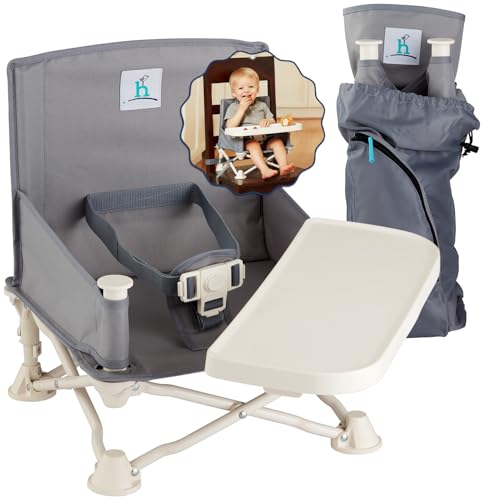
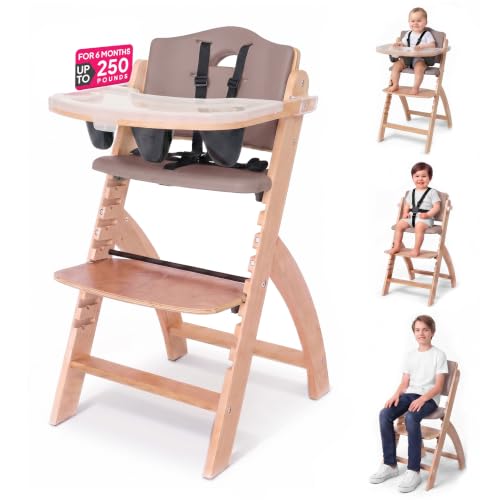
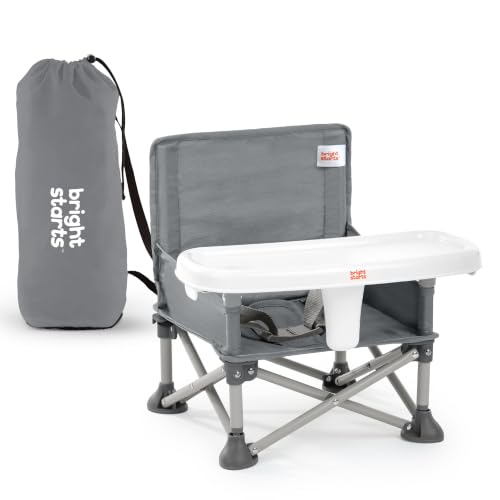
What the Best Affordable High Chairs Deliver at Each Price Tier
Price tiers in this category are unusually honest, because the differences are mostly visible: frame material, harness type, tray design, and how the chair cleans. What should never change between tiers is the safety floor, and the next section covers that in full. Read the tiers below as a map of comfort and convenience, not of safety.
Budget Tier: About $40 to $80
Budget high chairs are simple, fixed height chairs with a basic frame, a three point or five point harness, and a tray that may need two hands to remove. Padding is thin or absent, fabrics are plain, and the footprint can be wide because folding frames cost more to build. For a first chair at a grandparents' home or a small apartment starter, this tier does the core job.
The tradeoffs show up in daily cleaning and in lifespan. Seams and crevices trap food, straps may not remove for washing, and the chair usually serves one child stage rather than converting as the child grows. None of that makes the tier unsafe when the chair is certified and used correctly. It makes it plainer, and for many families plain is a fair trade at this price.
Midrange Tier: About $80 to $160
The midrange is where most families should shop. Chairs here typically add a five point harness with shoulder straps, a tray that releases with one hand and may include a removable insert for the dishwasher, height adjustment, and fabrics that wipe clean or come off for the wash. Footprints shrink a little, and many models fold flat enough to store against a wall.
You also start to see convertible designs that become a booster seat and later a child chair, stretching the purchase across years instead of months. Padding improves, which matters for younger babies who sit for shorter, supported meals. If your budget reaches only one upgrade from the lowest tier, spend it here, because this band buys daily ease rather than decoration.
Premium Tier: About $160 to $300
Premium high chairs sell design, materials, and longevity. Expect wooden or metal frames that match dining furniture, smoother height and recline mechanisms, magnetic or single motion tray systems on some models, and growth paths that end in an adult rated chair. Finishes resist staining better, and replacement parts are usually easier to order.
Be clear about what the money does not buy: a premium chair is not safer than a certified midrange chair, because both must meet the same standards. What it buys is a chair you enjoy looking at, adjust without fighting, and keep for a second child or a long childhood. Families who eat every meal at one table and value that daily smoothness can justify it. Everyone else can stop at the midrange without losing anything that matters.
Safety Standards Come Before Savings
Every tier discussion ends here, because this section is the floor. Certification programs such as JPMA certification and the CPSC rules for high chairs exist so that a low price never has to trade away the harness or the stability of the chair. A chair that cannot show current certification is not a bargain at any price, and that check comes before fabrics, colors, and tray tricks.
Certification Is the Floor, Not a Feature
Look for a JPMA certification mark and a statement that the chair meets the applicable CPSC requirements and the ASTM standard for high chairs. These programs check stability, restraint performance, and structural strength, and they give you a recall trail if a problem appears later. Register the chair or keep the model information so recall notices can reach you, and always follow the manufacturer's instructions.
Be wary of imported chairs sold with vague safety wording and no named standard, and of secondhand chairs with unknown histories, missing straps, or no labels. A missing harness or a damaged tray latch removes the very systems the certification covered. Saving about $30 is never worth an uncertified chair, and this is the one place in this guide where the advice is absolute.
The Harness and Tray Decide Daily Use
The harness and the tray are used at every single meal, so their design decides how secure the chair feels in practice. A five point harness, with straps over both shoulders and a crotch post or strap between the legs, helps keep a wriggling baby from standing or sliding down. The crotch post matters because a lap strap alone does not stop a baby from slipping down in the seat.
Check that straps adjust smoothly, buckle with a positive click, and stay threaded where they belong after cleaning. The tray should latch at more than one point and hold up when small hands and feet push on it. Babies learn to brace against the tray and push, so a tray that pops loose under that load is a poor choice at any price tier.
Features Worth Paying For, and Ones to Skip
With the safety floor settled, the remaining budget goes to comfort and cleaning. The features below are ordered by how often they affect a real meal. Note that this guide covers feeding chairs only; ordinary dining seating follows different rules, because a dining chair has no harness and no tray designed for a baby.
Comfort for Baby and Parent
A padded seat and a footrest sound like luxuries until you watch a baby dangle through a long meal. A footrest gives small legs support, which helps a baby sit calmly and focus on eating, and it matters more as meals stretch past twenty minutes. Padding should be smooth and sealed, because cracked or stitched covers soak up spills and smells.
For parents, comfort means one handed tray release, a recline you can adjust while holding a baby, and casters or a light frame if the chair moves between rooms. Locked casters only, though: a chair that rolls freely while a child climbs in is a hazard. Try these motions in the store if you can, because stiff mechanisms stay stiff for years.
Fit for Your Baby Age, Weight, and Stage
Every high chair lists a weight limit and an age range, and both deserve respect. Most full size chairs serve babies who can sit up with minimal support, often around six months, up to about 40 to 50 pounds in the toddler years. Chairs rated for younger infants need a real recline and are a separate class, which our guide to the best high chairs for infants covers in detail.
This guide gives no medical advice, and feeding readiness is a medical question. If you are unsure whether your baby sits steadily enough for a high chair, or how feeding should progress, ask your pediatrician rather than a product page. Within the chair itself, look for harness slots at more than one height, so the straps keep fitting shoulders as the child grows instead of forcing an early move to the booster stage.
Cleaning: The Feature You Use Three Times a Day
A high chair is washed daily, often after every meal, so crevice count is a budget fact and not a detail. Smooth tray surfaces, a dishwasher safe tray insert, and straps that unclip for soaking decide whether cleanup takes two minutes or fifteen. Seat pads that machine wash earn their price within the first month of weaning.
Count the seams, buttons, and fabric folds on any chair you consider, because each one is a place puree goes to dry. Chairs with a single molded seat shell wipe clean fastest, while deeply padded chairs trade that speed for softness. Neither is wrong, but buy with your eyes open: at the budget tier, a simple chair with few crevices often cleans better than a plusher chair that costs more.
What You Can Realistically Get on a Budget
At about $40 to $80, expect certification, a sound harness, and plain everything else, and that is a legitimate purchase. At about $80 to $160, expect the cleaning and adjustment features that make daily use pleasant. Above that, expect design and longevity rather than function. The realistic budget mistake is paying premium money for recline positions and fabric patterns while ignoring tray design and strap removal.
Never economize on the harness, the crotch post, or certification, and do economize on color choices, bundled toys, and brand styling. A plain midrange chair with a five point harness and a removable tray insert will serve most families from first foods to the booster stage without a second purchase, which is the real definition of affordable in this category.
Best High Chairs for Specific Needs
Most chairs in this guide serve the general case of one baby, one kitchen, and daily meals. The heading below isolates the youngest buyers, because a chair bought for a small baby faces different demands than one bought for a confident toddler who climbs in alone. If you want a wider look at the category beyond budget picks, see our overview of the best high chairs.
Best Affordable High Chairs for Baby
For a young baby, your money should go to recline support, a five point harness with proper shoulder height, and a tray that sits close enough to catch food before it reaches the lap. Smaller babies also need the chair sooner than parents expect, so check the stated starting age and weight rather than assuming. Adult seating cannot substitute for a feeding chair, because it has no harness and no tray made for a baby.
Long Term Costs to Factor In
The sticker price is only the first cost. Replacement straps, tray inserts, and seat pads are the common follow up purchases, and their prices vary widely by maker, so check the parts list before choosing the chair. A chair whose maker sells a $15 strap set beats a cheaper chair whose parts are unavailable, because a frayed harness ends the chair's useful life.
Warranty length matters at the premium tier, where a growth chair may serve a decade, and matters less at the budget tier. Resale and hand me down value also count: a certified chair in good condition, with its labels and straps intact, can serve a sibling or another family, while a chair with cut straps cannot. When you compare totals, add the likely booster seat a non convertible chair will need later, because convertible midrange chairs quietly include that cost already.
Frequently Asked Questions
How do I clean and sanitize a high chair properly?
Clean the tray and seat after every meal with warm soapy water, and remove straps weekly for a soak, because dried food in webbing breeds odor fast. Most tray inserts go in the dishwasher, but straps and pads follow their labels, and bleach solutions are rarely advised on fabrics. The step families skip is drying: reassemble only fully dry parts, since trapped moisture under a pad grows mildew that no amount of surface wiping reaches.
How long can my baby use a high chair?
Most babies use a high chair from about six months until age two or three, ending when they pass the weight limit or can climb out despite the harness. Climbing out is the true retirement signal, because a harness only works on a child who stays seated. Convertible chairs extend the story by becoming boosters and child chairs, which is why their higher price can still be affordable across a whole childhood.
Is a premium high chair really safer than a budget one?
No, a premium high chair is not safer by default. Certified chairs at every tier must meet the same CPSC requirements and ASTM standard, so a certified budget chair and a certified premium chair are held to the same stability and restraint requirements. Premium money buys materials, design, and adjustment smoothness. The safety gap appears only when a chair lacks certification entirely, and that gap is a reason to walk away, not a reason to spend more.
When should I buy a high chair before the baby arrives?
Buy the high chair in the last weeks of pregnancy or the first months after birth, because you will not need it until your baby sits with support and starts solids, commonly around six months. Buying early earns little, and models and recalls change. One exception is a planned gift registry, where adding the chair early is harmless. Whenever you buy, assemble it and practice the harness and tray before the first meal, not during it.
Are replacement straps and trays easy to get for budget high chairs?
Replacement parts are easy to get from established makers and surprisingly hard from no name sellers, and this difference outlasts the chair itself. Before buying, check that the maker lists straps, tray inserts, and pads with prices on its site. A budget chair with a full parts catalog is a smarter long term buy than a midrange chair with none. Keep the model number from the chair label, because parts are matched to it exactly.
Final Thoughts
Hold the line on three things: current certification, a five point harness with a crotch post, and a footprint your kitchen can live with. After that, let cleaning decide between the tiers, because the chair you can wash in two minutes is the chair that stays pleasant for years. Most families land in the about $80 to $160 band and never need to look back.
The picks in the table line up side by side, so check your shortlist against them before ordering. Chosen this way, the best affordable high chairs cost less over a childhood than a cheap chair replaced twice, and they ask nothing of you except a practice run with the harness before the first meal.


