Best Audiophile Turntable for Every Need: How to Pick the Right One in 2026
Disclosure: We may earn a commission when you buy through links on this page, at no extra cost to you. As an Amazon Associate I earn from qualifying purchases. Learn more

Compare drive types, tonearms, cartridges, and setup to find the best audiophile turntable for your room, records, and system.
There is no single best audiophile turntable for every listener, because each listening setup asks for something different. A small room with bookshelf speakers needs a different turntable than a dedicated listening room with a full stereo system. The right choice depends on your records, your amplifier, your room, and how much setup work you want to do.
This guide matches turntable types to real use cases, then explains drive type, tonearm, cartridge, and setup in plain terms. Use the product table and the comparison table below to narrow your choice before you decide how much to spend and how much setup you are willing to learn.


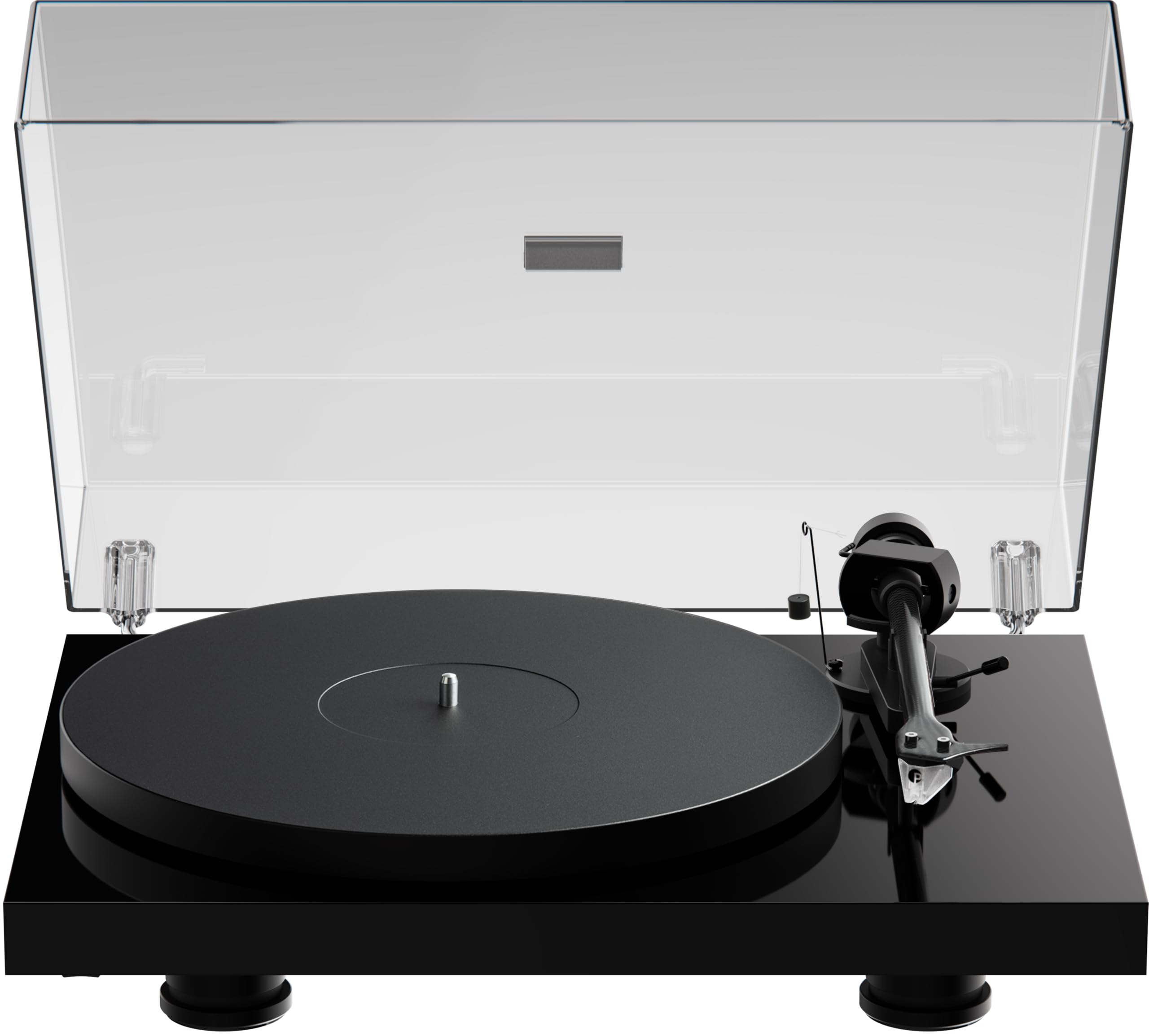

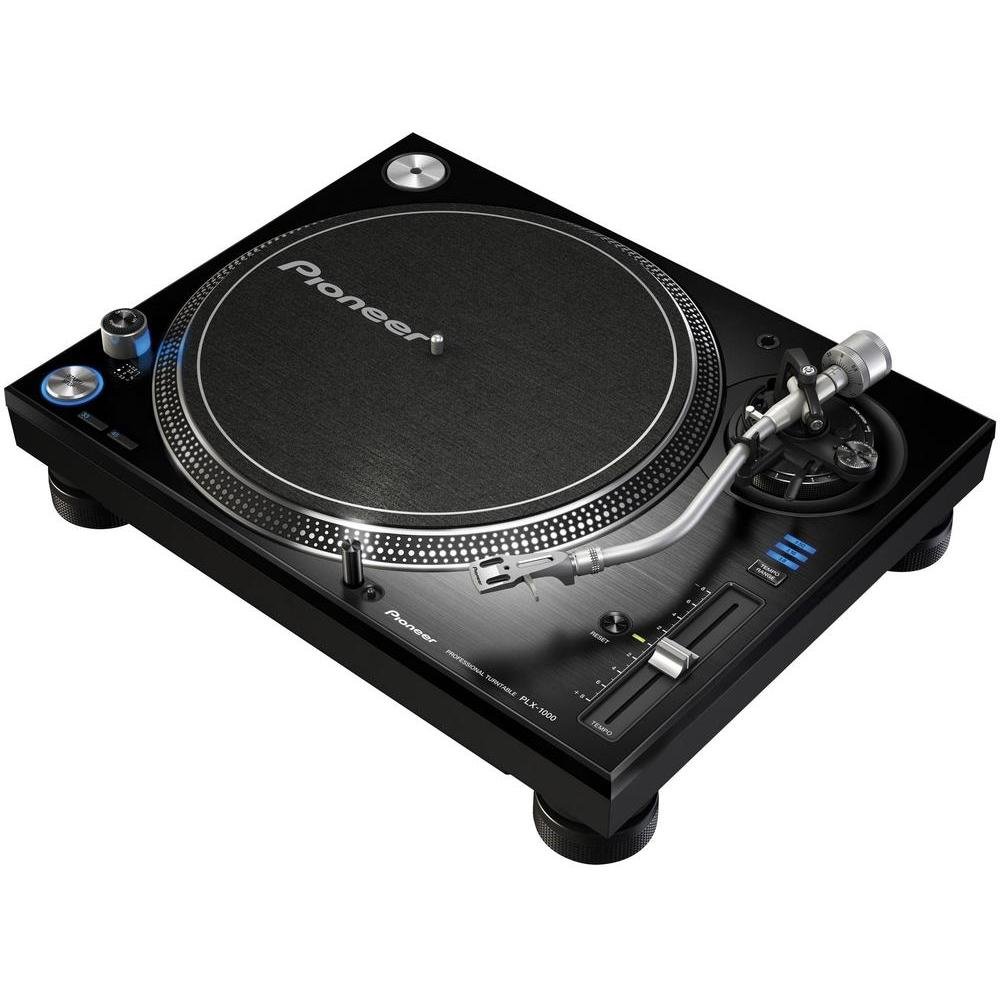
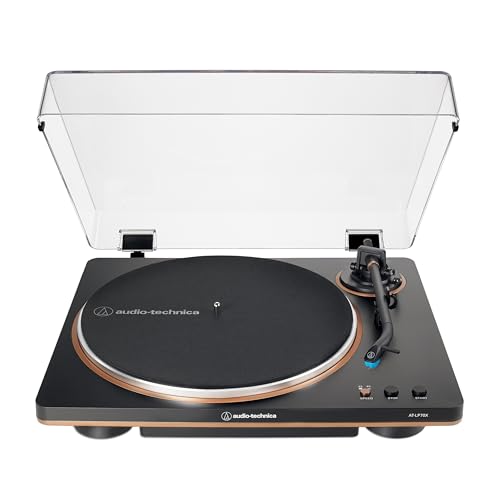
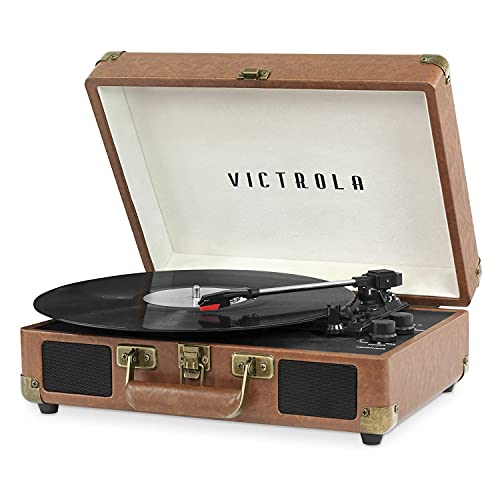
Who Should Buy Which Audiophile Turntables?
For New Listeners Building a First System
New listeners do best with a turntable that is easy to set up and hard to get wrong. Look for a model with a pre fitted cartridge, a built in phono preamp option, and clear setup instructions. A belt drive model often suits this group, since it keeps motor vibration away from the record. Keep the rest of the system simple too, with an amplifier and speakers you already understand, so you can focus on enjoying records rather than troubleshooting.
For Serious Listeners Upgrading an Existing System
Serious listeners who already own good speakers and an amplifier can gain more from a turntable with a better tonearm and a cartridge that can be upgraded later. At this level, small details matter, such as speed stability, platter weight, and how well the turntable resists vibration from footsteps or nearby speakers. If you already own a separate phono preamp, you may not need a built in one, and you can put the budget toward the tonearm and cartridge instead.
For Listeners in Small Rooms or Shared Homes
Small rooms and shared homes call for a compact turntable that sits on a stable surface away from speakers. A lighter platter and a smaller footprint help here, but stability still matters, since a wobbly shelf will hurt sound more than any feature upgrade. If you listen late at night, consider how the turntable pairs with headphones through your amplifier, and check that the dust cover can close without blocking ventilation around the amplifier.
Key Features to Compare
Drive Type and Speed Stability
Most audiophile turntables use either a belt drive or a direct drive. In a belt drive, a small belt connects the motor to the platter, which helps keep motor vibration away from the record. In a direct drive, the platter sits directly on the motor, which gives very steady speed and fast start up.
Belt drive models are common for home listening, while direct drive models suit listeners who value speed accuracy and long term durability. Check that the turntable holds 33 and 45 rpm speeds accurately, since speed drift changes pitch.
Tonearm, Cartridge, and Stylus
The tonearm holds the cartridge, and the cartridge holds the stylus that reads the record groove. Tonearm length and shape affect tracking, which is how well the stylus follows the groove without distortion. A cartridge that can be replaced or upgraded gives you a clear path to better sound later without replacing the whole turntable. Ask whether the stylus is easy to replace, since a worn stylus can damage records and sound dull long before you notice the wear.
When you plan the rest of the chain, see our guide to the best turntable and speakers for how turntable choice affects speaker matching. A turntable with a warm, full sound pairs differently than a very detailed one, so matching matters more than buying the most expensive part in isolation.
Platter, Vibration Control, and Placement
The platter is the spinning surface that holds the record, and its weight and material affect how steady the speed stays. A heavier platter resists speed changes, but it also needs a good bearing to spin smoothly. Feet that absorb vibration help when the turntable sits near speakers or on a floor that moves when you walk. Place the turntable on a level, stable surface away from speakers, and keep it out of direct sunlight, which can warp records and age the belt.
Phono Preamp, Outputs, and System Matching
Records produce a very quiet signal that needs a phono preamp before it can reach a normal amplifier input. Some turntables include a built in preamp that you can switch on or off, while others need a separate preamp. A built in preamp suits a first system, while a separate preamp suits a listener who wants to upgrade one part at a time. Check the outputs too, since most turntables use standard RCA outputs, and a few add digital outputs for recording or for use with a sound system that lacks analog inputs.
For speaker pairing, see our guide to the best audiophile speakers to compare bookshelf and floor standing options for your room size. Room size shapes speaker choice more than any single turntable feature, so measure your room before you commit to large speakers.
| Turntable type | Best for | Setup effort | Notes |
|---|---|---|---|
| Belt drive | Home listening | Moderate | Good vibration isolation |
| Direct drive | Speed accuracy | Moderate | Fast start up, durable |
| Manual with fitted cartridge | First systems | Low | Easy to start, limited upgrades |
Common Mistakes to Avoid When Buying Audiophile Turntables
- Judging only by price, since a costly turntable paired with poor speakers will not sound better than a balanced system.
- Ignoring the phono preamp, which can leave you with no sound or very quiet sound if your amplifier lacks one.
- Placing the turntable on top of a speaker or a wobbly shelf, which adds vibration and distortion.
- Skipping cartridge and stylus checks, which can wear records if the stylus is old or misaligned.
- Buying a turntable that is too large for your shelf, which forces a cramped setup with poor ventilation.
How to Make Your Audiophile Turntable Last Longer
Keep the turntable covered when you are not playing records, and clean records with a proper brush before each play to keep dust out of the groove. Handle records by the edges, and store them upright in a cool, dry place away from sunlight. Check the stylus regularly for visible wear or buildup, and replace it on the maker schedule rather than waiting for sound to degrade.
Clean the platter and belt area gently following maker instructions, and keep liquids away from the turntable. If the belt stretches or slips, replace it with the correct size for your model, since the wrong belt can change speed. Avoid moving the turntable while a record is playing, and lock or secure the tonearm before you move the unit at all.
Set aside a short cleaning routine before each listening session, brushing each record and checking the stylus tip with a soft brush. That routine takes less than a minute per record and keeps dust from building up in the groove. Over months of regular listening, the habit protects both your records and the stylus, and it makes small setup problems easier to spot early.
If you sometimes listen privately, see our guide to the best audiophile headsets for how headphone listening differs from speaker listening in a small room. Headphones remove room acoustics from the equation, which can help you hear cartridge and setup differences more clearly.
Frequently Asked Questions
How do I set up an audiophile turntable for the first time?
Start by placing the turntable on a level, stable surface and checking that the platter spins freely. Fit or confirm the cartridge, set the tracking force to the maker recommended value, and connect the phono output to a phono input or a separate preamp. Play a record you know well and listen for distortion or skipping, then adjust only one setting at a time. If the sound stays uneven after basic setup, check leveling and cartridge alignment before you consider any upgrade.
Do I need a separate phono preamp for an audiophile turntable?
Not always. Many turntables include a built in phono preamp, which is enough for a first system and keeps wiring simple. A separate preamp can improve sound and gives you more control over gain and loading, but it adds cost and another box to place.
If your amplifier already has a phono input, you do not need a separate preamp at all. Choose a turntable with a switchable built in preamp if you want the option to add a separate one later.
Should I choose a belt drive or a direct drive audiophile turntable?
Choose belt drive if you want good vibration isolation for home listening and you do not mind replacing a belt every few years. Choose direct drive if you value very steady speed, fast start up, and long term durability with less maintenance. Both types can sound excellent when paired with a good cartridge and speakers. Your room, your budget, and your willingness to maintain a belt matter more than the drive type alone, so do not let one feature decide the whole purchase.
How often should I replace the stylus on an audiophile turntable?
Most makers suggest replacing the stylus after about 1,000 hours of playing, though heavy use and dusty records can shorten that life. Signs of wear include dull highs, distortion on loud passages, and skipping on records that played cleanly before. Keep a rough log of playing time if you listen daily, since it is easy to lose track. A fresh stylus protects your records, so replacing it on schedule costs less than replacing damaged records later.
Can an audiophile turntable work in a small room?
Yes, if you match the turntable and speakers to the room. Choose a compact turntable on a stable shelf away from the speakers, and pick bookshelf speakers rather than large floor standing models that can overwhelm a small space. Keep the listening position away from walls when possible, since corners boost bass unevenly. A small room can sound very good with a balanced system, and it often reveals setup problems faster than a large room, which helps you fix them early.
Wrapping Up
The best audiophile turntable for you is the one that matches your room, your amplifier, and your willingness to set it up well. Prioritize drive stability, a tonearm and cartridge you can maintain or upgrade, and a stable placement away from speakers. Check the product table once more, compare belt drive and direct drive options, and choose the system that stays balanced rather than the single most expensive part.
Start simple, set the turntable up carefully, and upgrade the cartridge or preamp later when you know what your system needs. That patient approach gives you better sound for the same budget than chasing features you will not use.