Best Audiophile Headsets by Budget: Where the Money Actually Goes in 2026
Disclosure: We may earn a commission when you buy through links on this page, at no extra cost to you. As an Amazon Associate I earn from qualifying purchases. Learn more

Best audiophile headsets by budget, from wired entry models to upper band gear, with open versus closed back advice and what each price step buys.
Audiophile gear spans an odd range, from wired earbud money up to prices that rival a used car, and the listings rarely explain what the extra money buys. Worse, most pages blur serious listening gear together with gaming gear, so light shows and surround tricks crowd out the sound itself. The best audiophile headsets are the ones whose budget went into drivers, tuning, and comfort you can wear for a whole album. This guide walks the price bands in order and shows where each step up is audible and where it is mostly decoration.
One naming note before the prices: in this guide, headset means high fidelity headphones built for listening first. Variants with a microphone form a small sub class for calls and chat, covered where they belong. The comparison table below lines up the main designs by price and use. Everything after it judges gear on sound, fit, and build, in that order.

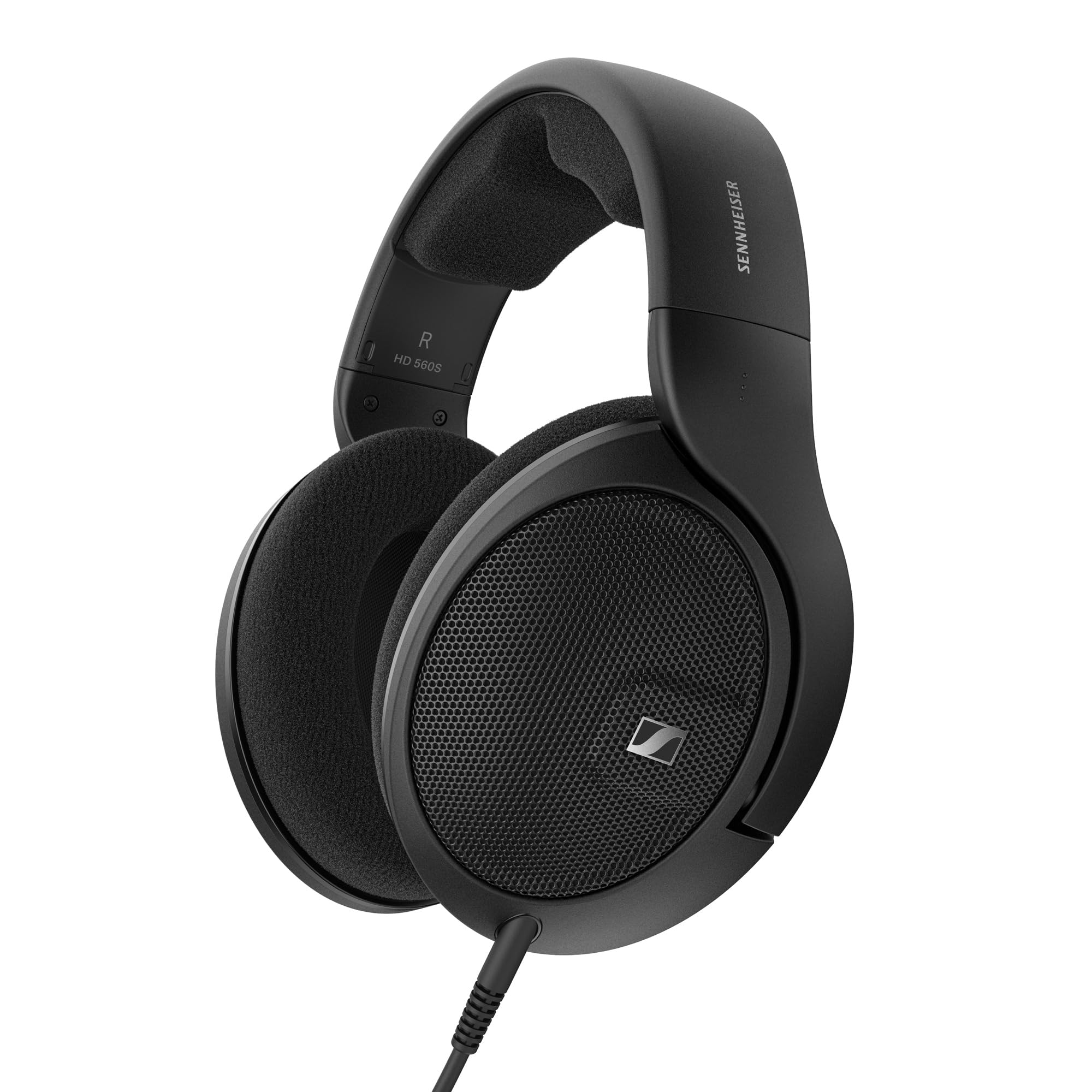

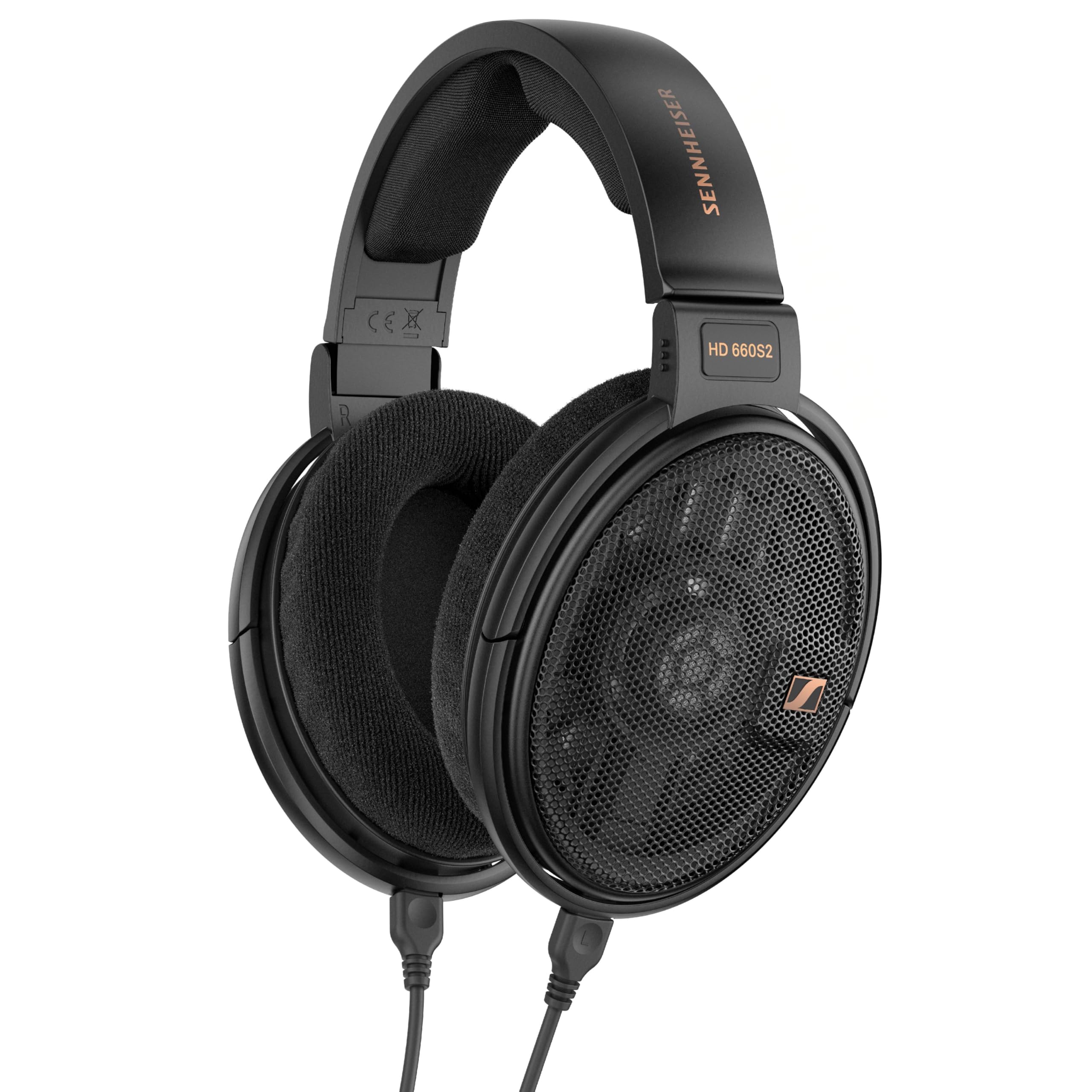


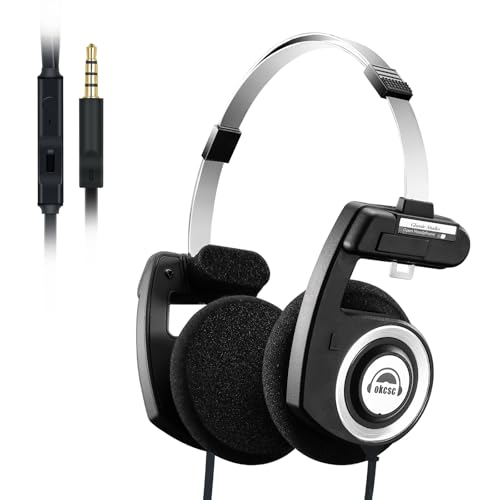

First, the Big Splits That Shape Every Choice
What Counts as an Audiophile Headset
The word audiophile has no legal definition, so listings apply it loosely. In practice it points to headphones tuned for accurate, detailed sound rather than heavy bass effects, sold without gaming extras like lights and virtual surround. A headset strictly means headphones plus a microphone, and a few listening focused models add one on a detachable cable.
True wireless earbuds and wearable displays live in other families entirely. A VR headset is a screen you strap on, and if that is the purchase, start with the best vr headsets instead. This guide stays with gear whose only job is playing music well.
Wired Is the Default for a Reason
Wired models anchor this market because the format removes two problems at once. There is no battery inside to age, and no wireless step squeezing the music through a codec before it reaches the drivers. Every dollar of the price can go to sound and build.
The honest costs are a cable that tethers you to a desk or a pocket, and wear at the cable ends over the years. Wireless versions buy freedom of movement and pay for radios, batteries, and processors, which is why the same money usually buys less pure sound in a wireless shell.
Open Back Versus Closed Back
This is the split that decides where you can listen. Open back ear cups vent to the room, so sound leaks out and room noise leaks in, and in return the music sounds wide and natural, like speakers in a quiet space. Closed back cups seal the sound in, keeping your music private and the room out, at the cost of a slightly narrower stage.
Neither design wins outright. Open backs belong at a calm desk at home, while closed backs belong anywhere other people, traffic, or an air conditioner share your air.
| Design | Sound leak | Outside noise | Best setting |
| Open back | Leaks both ways | Almost no isolation | A quiet room at home |
| Closed back | Stays mostly private | Good isolation | Office, travel, shared rooms |
What Your Money Gets You at Each Price Level
Price bands in this market are not strict, but the pattern is steady: early dollars fix big flaws, and later dollars polish small ones. Read the bands as a map of what improves, and stop where your own ears stop hearing a difference worth paying for. The picks in the product table near the top show these classes in one view.
The Entry Band: Honest Sound for Under $100
Under $100, the goal is clean, balanced sound without gimmicks. Expect capable dynamic drivers in mostly plastic builds, fixed cables, and pads that are fine rather than plush. Tuning is the whole game here: a modest model tuned evenly will shame a feature stuffed rival with bloated bass. Skip noise cancelling and app extras at this level, because their cost comes straight out of the drivers.
What you should get is a headset that treats every genre fairly and survives daily use, and that is a real achievement at the price. Comfort is the usual compromise, so check clamp force if you wear glasses.
The Middle Band: About $100 to $300
This band is where most listeners should land. Drivers grow more capable and better controlled, builds add metal and thicker pads, and detachable cables appear, which quietly doubles the useful life of the headset. Planar magnetic drivers, a flatter driver design prized for speed and detail, enter the market here alongside strong dynamic models. Wireless versions in this band start to sound genuinely good rather than merely convenient.
Diminishing returns begin inside this band too. The jump from the bottom of it to the top is smaller than the jump from the entry band. If you buy one headset for a decade of listening, this is the budget that supports the plan.
The Upper Band: About $300 and Up
Above about $300, the gains turn subtle: finer detail, wider staging, better materials, and comfort you forget you are wearing. This is also where your source starts to matter as much as the headset. A revealing model will faithfully play back a noisy laptop jack, a compressed stream, or a worn recording, warts included.
A modest amplifier or digital converter costing about $50 to $150 can improve an upper band setup more than climbing another step in headset price. Budget for the chain, not just the last link, and treat claims of dramatic overnight differences with calm suspicion.
Features Worth Paying For (and Ones to Skip)
With the bands mapped, judge individual features by one question: does it change what you hear or how long you can listen? If not, it is decoration.
Sound Signature and Tuning
Every headset voices music with a signature. Neutral tuning follows the recording closely, warm tuning adds body in the bass and lower mids, and bright tuning leans into detail and sparkle, sometimes to the point of fatigue. None is correct for everyone. Match the signature to your library: dense rock forgives warmth, while acoustic and classical reward neutrality.
Published frequency response graphs help you compare shapes, yet they are sketches, not verdicts, since fit on your own head shifts the result. Trust descriptions of balance over single number scores.
Comfort for Long Sessions
A headset that sounds superb and comes off after twenty minutes has failed its only job. Weight, clamp force, and pad depth decide long session comfort more than any driver spec. Soft pads that seal without squeezing suit most people, and glasses wearers should favor lighter clamp and plush pads.
Heat builds in closed designs during summer listening, while open designs breathe better. If a store allows a long try on, take it, because comfort reveals itself slowly and returns policies exist since fit is personal.
Cables, Pads, and Parts You Can Replace
Wear items decide how long fine sound lasts. Ear pads compress and crack, cables fray at the plugs, and headbands loosen. Models with detachable cables and pads sold as spares can be refreshed for about $15 to $40 in parts instead of replaced outright.
Proprietary fittings are a hidden tax, since a maker who discontinues a pad can end a headset's life while its drivers are still perfect. Before buying, check that spares exist today, not as a promise.
Codecs and Noise Cancelling, Priced Honestly
Codecs only matter on wireless models, where they carry the music through the air. Support has to match on both ends, phone and headset, or the pair falls back to a basic codec and the fancy badge does nothing.
Noise cancelling earns its price on planes, trains, and open offices, where it removes steady roar. At a quiet desk it adds cost, weight, and a touch of signal processing between you and the recording. Buy it for your environment, never as a synonym for quality.
Impedance and Sensitivity: Will Your Source Drive Them?
Two quiet specs decide whether a headset plays well with the gear you already own. Impedance, measured in ohms, describes how much voltage a model wants: low impedance designs, roughly 16 to 80 ohms, run happily from phones and laptops. High impedance designs, around 250 to 600 ohms, often sound thin and quiet from those same jacks and really want a proper amplifier.
Sensitivity is the partner figure, stating how loud a model gets from a given amount of power. Check both numbers before buying, because a mismatch here makes fine headsets sound broken.
Microphones on Listening Gear
Most pure listening models carry no microphone at all, which surprises buyers coming from gaming gear. When calls matter, look for the sub class with a mic on a detachable boom or cable, and expect voice quality closer to a good phone call than a studio recording.
Players who want one setup to serve both music and team chat should read our guide to the best gaming headsets for audiophiles, where voice clarity joins the judging. For music only listening, a mic you never use is weight and cost you never needed.
Protect Your Hearing While You Listen
No headset protects your hearing by itself, and none can improve it. Loud listening can harm hearing, and it often arrives without pain as a warning. A practical volume check: if a person at arm's length must raise their voice for you to hear them over your music, the music is too loud. Take a short break every hour or so, and let your ears rest between long sessions.
Ringing, buzzing, or a muffled feeling after listening is a sign to turn the volume down and rest your ears, and to ask your doctor if it persists. Volume limiting options on some wireless models can help, but they are a reminder, not a safeguard.
Choosing the Best Audiophile Headsets for Your Situation
Best Audiophile Headsets Under $100
Under $100, spend like a minimalist. Choose wired, since radios and batteries eat too much of a small budget. Choose even tuning over feature lists, and treat noise cancelling badges at this price as marketing rather than engineering. Comfort basics still apply: light weight, pads that do not cook your ears, and a cable long enough for a desk.
One honest strength of this step is variety, since turnover is fast and last season's middle band designs often land here on discount. That discount route is the smartest way to shop the band.
A Desk in a Quiet Room
A dedicated desk in a quiet home is the easiest brief in this guide. Open back wired models shine here, fed by a computer or a small amplifier, and their leak bothers nobody. Spend on comfort and a long cable you can route once and forget. This is also the setup where upper band detail is most audible, because room noise never masks it.
Shared Spaces, Offices, and Travel
Shared air changes everything. Closed back designs keep your music in and voices out during work hours, and wireless noise cancelling models earn their premium when travel enters the picture. Our guide to the best noise cancelling headsets compares the travel focused options in depth. Whatever the band, favor models that fold or pack flat, and keep a wired cable in the bag for the day the battery dies at the gate.
Long Term Costs to Factor In
The purchase price is only the first payment. Pads wear out in about one to two years of daily use, cables follow, and wireless batteries quietly lose capacity over a few years until runtime disappoints. Warranty length varies widely, and a maker who sells spare parts is making a statement about how long the product should live.
Add a case if the headset travels. Build quality is what spreads these costs across many years instead of a few, a theme our guide to the best quality headsets explores through construction details. Total the likely parts and battery story before you compare sticker prices.
Buying Used: Where Audiophiles Save Real Money
The used market is unusually healthy in this hobby, because careful owners upgrade often and wired models age slowly. A used flagship from a few generations back can land in middle band money. Budget about $15 to $40 for fresh pads on any used pair, both for comfort and for simple hygiene, and inspect the cable and headband before paying. Buy from sellers who accept returns, since a driver fault you cannot hear in a thirty second listen is exactly what a return window exists for.
Audiophile Headset Questions, Answered
Do I need a special codec to hear audiophile sound quality?
Not on a wired headset, because wired listening skips codecs entirely. On wireless models, a higher quality codec only helps when your phone or computer supports the same one, and even then the gain is smaller than the gap between a poor and a good recording. Check the support lists on both devices before paying extra for a codec badge. If they do not match, the connection quietly uses a basic codec and you paid for nothing.
Wired or wireless: which sounds better at the same price?
Wired, in nearly every case. A wireless model spends part of its price on radios, batteries, and processors, while a wired model spends it all on drivers, pads, and build. The gap narrows for casual listening on the move, where convenience is its own benefit. Remember also that a wired headset cannot run out of charge mid album, and its sound will not change as a battery ages.
Is noise cancelling worth paying for on a music headset?
It is worth it where steady noise lives: flights, trains, and open plan offices. In a quiet room it buys you nothing but cost and weight, and the processing slightly alters the sound. Treat cancelling as an environmental tool, like a jacket, essential in the right weather and dead weight in the wrong closet. Many listeners keep a plain wired pair at home and let a cancelling pair handle travel.
How long should a good audiophile headset last?
A wired model can serve for a decade or more, because drivers rarely wear out in normal use. Pads and cables are the true wear items, and replacing them on schedule keeps an old headset feeling new. Store it on a stand or in a case, away from heat and damp, and avoid yanking cables by the wire itself. Wireless models live shorter lives, since their batteries set the clock.
Can I use an audiophile headset for calls and online meetings?
Yes, if you choose the microphone equipped sub class or add a cable with an inline mic. Your voice will sound clear enough for meetings, though not broadcast polished. Check plug compatibility, since some computers use a single combined jack and others split mic and audio into two. For listening only models, a plug in boom mic accessory exists, but buying the right variant from the start is simpler.
The Bottom Line
Spend in the right order. Pick your format first, wired or wireless and open or closed, because those choices decide where and how you can listen. Then choose the highest band your budget comfortably holds, and inside that band choose tuning that suits your music over features that impress on a box. The product table near the top gathers the current field in one place. The best audiophile headsets for you will be the pair whose sound, fit, and parts support keep you listening for years, long after the unboxing is forgotten.