
Best Athletic Sandals for Walking of 2026: Complete Buying Guide
Disclosure: We may earn a commission when you buy through links on this page, at no extra cost to you. As an Amazon Associate I earn from qualifying purchases. Learn more

The best athletic sandals for walking match footbed, straps and tread to your routes. Learn what to check on fit, support and care.
Walking sandals fail in predictable ways: straps that rub by mile two, foam that packs flat within a month, and soles that skate on wet pavement. Choosing the best athletic sandals for walking means matching the footbed, strap system, and outsole to your feet and your usual routes, not grabbing the pair that looks sportiest. This guide walks through the tiers, the fit details, and the support choices that decide whether a pair still feels good at mile six.
Think about your real walking life first: dog walks on pavement, travel days with 20,000 steps, summer hikes on packed trails, or all of it. Each pattern stresses a different part of the sandal. Use the product table below to see how the main styles differ before you read on.

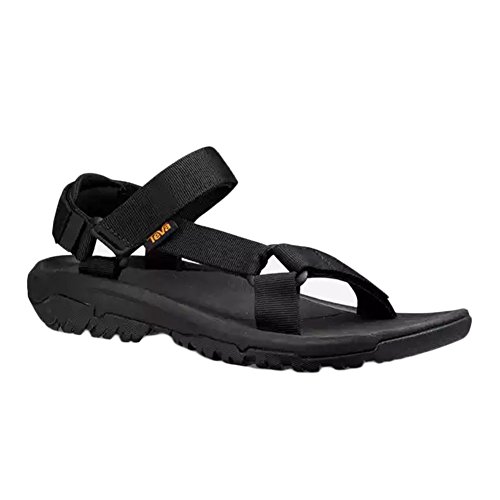

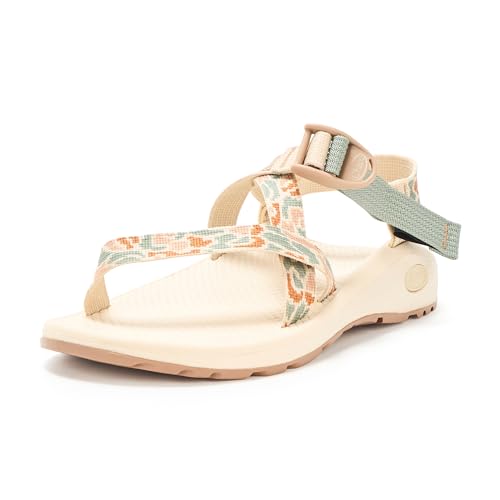


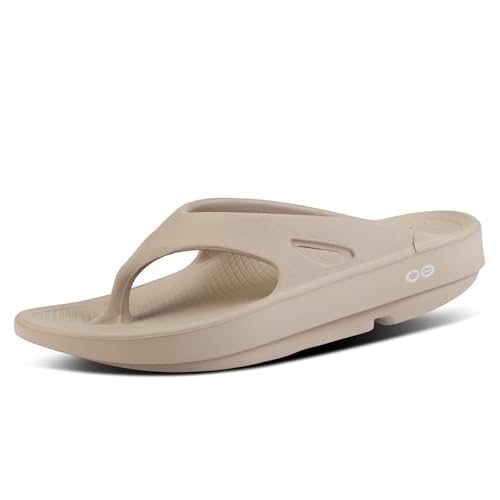


Three Price Tiers at a Glance
Price in sandals tracks materials and construction more than fashion. Here is what each tier generally delivers, so you can decide where your money actually changes the walk.
The Balanced Mid Range Tier
Around $70 to $110, this tier is the sweet spot for most daily walkers. You typically get a molded footbed with real arch contour, adjustable straps in two or three places, and a rubber outsole that grips wet sidewalks. Cushioning foams here hold their shape for a full season of regular use. If you walk three to five miles most days, shop this tier first and only move up or down if a specific need pushes you.
The Value Tier
Under about $70, value sandals cover casual mileage: errands, short dog walks, and vacation days with modest step counts. Expect simpler strap layouts, flatter footbeds, and foam that feels plush at first but compresses sooner. The trade off is lifespan and support on long days, not basic comfort. Value pairs also make sensible backup sandals for water activities, where you would rather not soak your main pair. Just size your expectations to the price.
The Premium Tier
Above about $110, premium sandals buy durability and refinement: leather or high grade synthetic uppers, firmer supportive footbeds, and outsoles borrowed from trail shoes. These suit high mileage walkers and people whose feet need consistent structure hour after hour. Premium pairs also tend to offer half sizes and multiple widths more often. If you are replacing walking shoes for the summer, compare this tier against our guide to the best walking shoes to see which format fits your routine.
How to Choose the Best Athletic Sandals: Buying Guide
This is the section to slow down on. Fit and support decide comfort far more than color or brand, and small details separate a daily driver from a closet regret.
Features That Matter for Walking
Walking loads your feet with repetitive, moderate force for long stretches, so athletic sandals need three things fashion sandals skip: a contoured footbed that holds the heel in a cup, straps that lock the midfoot without squeezing, and an outsole with real tread. When comparing the best athletic sandals for walking, check the heel strap first. A secure heel strap stops the sliding and toe gripping that quietly cause fatigue and blisters on longer walks.
Fit, Sizing, and Toe Box
Measure your feet late in the afternoon, when they are at their largest after a day of use, and shop to that size. Your toes should clear the front edge by roughly a thumbs width while standing, because feet swell and lengthen during long walks. A roomy toe box lets toes splay naturally at push off, which improves balance. If you land between sizes, choose the larger one for walking; sandals forgive extra length better than cramped toes.
Water Resistance and Quick Drying Materials
True waterproof membranes like Gore Tex are rare in sandals and largely beside the point, because an open sandal lets water in by design. What matters is how the materials behave once wet. Synthetic webbing straps and rubber footbeds shrug off puddles, splash parks, and stream crossings, then dry within hours. Leather looks better for town wear but stays soggy and can stiffen after repeated soaking. Match the material to your wettest realistic day, not your driest.
Cushioning and Support
Cushioning absorbs impact; support controls how your foot moves. Soft, thick foam feels wonderful for the first mile but can feel unstable on uneven ground, while a firmer footbed with a defined arch keeps long walks comfortable. Heel to toe drop in sandals is usually low, around 0 to 6 mm, which suits a natural stride. If you overpronate, look for a denser medial post area or a visibly raised arch and heel cup rather than maximum softness.
Durability and Expected Lifespan
A quality walking sandal should handle roughly 300 to 500 miles before the cushioning and tread fade, similar to walking shoes. Outsole rubber thickness is the best predictor: deep lugs and firm rubber wear slowly on pavement, while soft foam outsoles smooth out quickly. Straps usually outlast soles, so when the tread under the ball of the foot looks bald and the footbed feels flat, the pair is done even if it still looks tidy from above.
Break In Period and Comfort Out of the Box
Good walking sandals should feel secure immediately, with no strap edge biting into skin. Still, give any new pair two or three short walks before a long outing, because webbing softens and your feet need to learn the strap layout. Mild pressure points usually fade within the first week. Sharp rubbing, heel lift with every step, or numb toes do not improve with time; exchange the size while you still can instead of hoping for a miracle.
Arch Support and Foot Type
Flat feet generally do best with a firm, clearly contoured arch and a stable heel cup that limits inward rolling. High arches need cushioning under the heel and forefoot, since the midfoot carries less of the load and pressure concentrates. Neutral feet can wear almost anything here, so choose by mileage and terrain. If you have ongoing foot pain, plantar fasciitis, or diabetes related foot concerns, talk with a clinician or podiatrist before choosing, because the wrong support may not suit your needs.
Types of Athletic Sandals
Four broad styles cover most walkers. Each trades openness, protection, and stability a little differently.
Open Toe Sport Sandals
The classic design: open toes, two or three adjustable straps, and a sporty footbed. They breathe best in heat and adjust easily over socks or swollen feet. The downside is exposure; stubbed toes and trail debris are part of the deal. They suit pavement, boardwalks, and travel. For a wider look at the category beyond walking, see our guide to the best athletic sandals in general.
Closed Toe Walking Sandals
A rubber toe cap or woven closed front protects your toes on trails and in crowds, while side cutouts keep air moving. They weigh a bit more and dry more slowly than open styles. Walkers who split time between town and light trails often land here. If toe protection is your top priority, compare these against the options in our guide to the best rated walking sandals for more detail on protective designs.
Trail Ready Sandals With Lug Soles
These borrow outsole patterns from hiking shoes: deeper lugs, grippy rubber compounds, and stiffer shanks for rocky paths. They handle dirt, gravel, and creek beds confidently but feel clunky and noisy on pure pavement. Choose them when most of your walking leaves the sidewalk. Walkers shopping specifically for women specific fits may also want our guide to the best ladies walking sandals, which covers narrower lasts and sizing quirks.
Water Friendly Sandals
Built for kayaking, beach days, and rainy travel, these use all synthetic materials, drainage friendly footbeds, and razor siped soles that grip wet rock and boat decks. They are usually less cushioned for long dry walks. As a second pair for wet adventures they are hard to beat, and many walkers who prefer closed shoes for distance keep a pair of the best athletic shoes for walking for dry days and these for wet ones.
Setup and Care Tips
- Adjust straps in order: heel strap first, then the ankle, then the forefoot, so the sandal anchors at the back and fine tunes forward.
- Air dry wet sandals away from direct heat, because hot air and radiators crack foam footbeds and warp strap webbing.
- Rotate two pairs if you walk daily, giving each footbed a day to rebound and fully dry between outings.
- Wash straps and footbeds with mild soap and a soft brush every few weeks; grit trapped under straps is a top cause of hot spots.
- Retire pairs around 300 to 500 miles, or sooner if tread smooths out and wet grip disappears.
Athletic Sandals: Your Questions Answered
What features matter most in athletic sandals for walking?
A secure heel strap, a contoured footbed, and a grippy rubber outsole matter most. Together they stop sliding, support the arch, and keep you steady on wet pavement. One detail many buyers miss: check that at least two straps adjust independently. Toes swell during long summer walks, and a fixed forefoot strap that felt fine in the store can become the day ruining pressure point by mile four.
Do I need waterproof shoes?
No, and for sandals the question is really about drying speed. Open designs drain and dry fast in synthetic materials, which beats a membrane that traps water inside. Choose quick drying webbing if you expect streams, rain, or beach use. Choose leather or padded fabric only if your walking stays dry and urban. Either way, never put sandals in the dryer; heat destroys the adhesives that hold the sole layers together.
How often should I replace my athletic sandals?
Plan on replacing walking sandals every 300 to 500 miles, or roughly once a year for daily walkers. The footbed tells the truth: when your footprints look permanently molded in and the foam no longer springs back overnight, support is gone. New aches in your shins, knees, or arches after familiar walks are another reliable signal that the pair has quietly worn out beneath you.
Are expensive athletic sandals worth it?
They are worth it when you walk far and often, because premium models hold their cushioning and strap shape far longer than budget foam. The cost per mile often ends up lower than replacing cheap pairs twice. They are not worth it for occasional short strolls, where a value pair feels identical. One more premium perk: better brands tend to stock wide widths and half sizes, which solves fit problems money otherwise cannot.
Can I wear them all day?
Yes, if the pair fits well and your feet get a gradual ramp up. Start with a few hours, then build to full travel or sightseeing days over a week or so. All day wear exposes weak arch support faster than short walks, so choose structure over squish for marathon days. Carrying a light pair of socks in your bag is a smart trick; socks erase minor strap friction instantly.
How long is the break in period?
Most athletic sandals need only two or three short walks, totaling maybe three to five miles, before they feel fully yours. Webbing softens, and the footbed starts to mirror your footprint. If a strap still digs in after a week of regular use, that is a fit problem, not a break in problem. Moleskin on the strap edge can rescue a borderline pair, but exchanging sizes is the better fix.
The Bottom Line
Choose by fit first, support second, and terrain third: a locked in heel, a footbed that matches your arch, and tread suited to where you actually walk. Check your shortlist against the product table above, adjust the straps in the right order on day one, and the best athletic sandals for walking for your feet will feel obvious within the first mile.


