
Best Athletic Sandals of 2026: Complete Buying Guide
Disclosure: We may earn a commission when you buy through links on this page, at no extra cost to you. As an Amazon Associate I earn from qualifying purchases. Learn more

The best athletic sandals combine arch support, secure straps and grip. Learn what to check on fit, water use and care before you buy.
Athletic sandals give you open, breathable footwear with more support than a basic flip flop, which makes them useful for walking, travel, poolside days and recovery after sport. This guide explains how to choose the best athletic sandals by footbed, straps, grip and fit, and which type suits your routine.
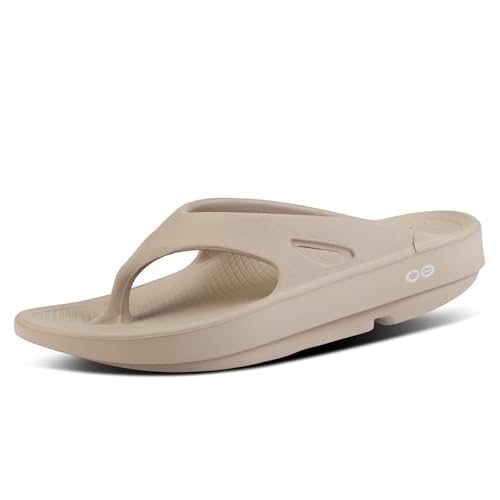
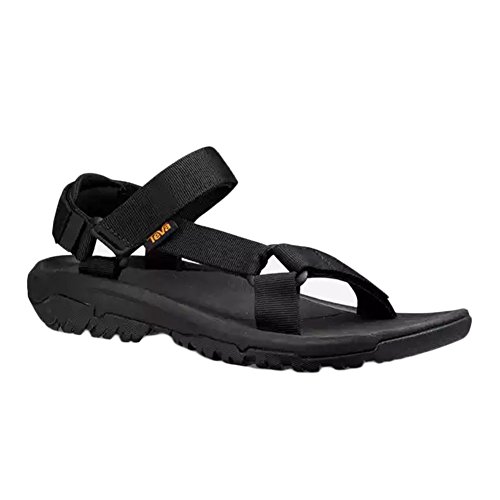
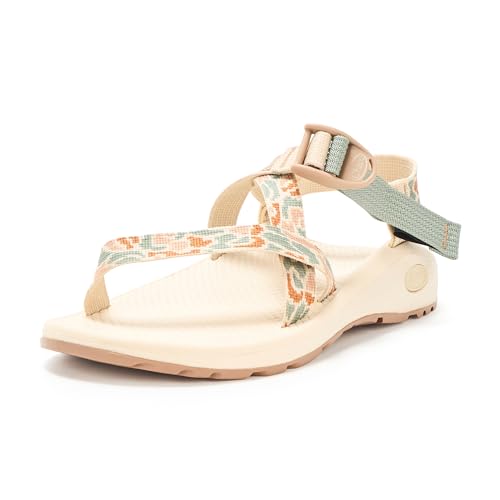
The product table lists slides, strapped sport sandals and recovery models from several makers. Use it as a shortlist, then use the sections below to match a style to how you will wear it.



Who Should Buy Athletic Sandals?
They suit active days when you want arch support and grip without a closed shoe: city walking, vacations, beach and pool use, and rest days after training. They are a weaker fit for running, rough hiking or workplaces that require toe protection, where a closed shoe is safer.
Key Features to Compare
Footbed and arch support
Look for a contoured footbed with a raised arch and a deep heel cup rather than a flat slab. A cushioned forefoot reduces fatigue on hard surfaces. Test sandals on a hard floor, because a soft footbed that feels plush briefly can feel flat after an hour.
Straps and fit security
Straps should hold the foot without rubbing or cutting into skin. Adjustable straps suit feet that swell in heat, while slides suit quick on and off use. Check that a strap crosses the midfoot, since a strap over the toes alone lets the foot slide forward on descents.
Outsole grip and durability
A patterned rubber outsole grips wet pool decks, smooth pavement and light trails far better than a smooth sole. Thin soles wear fast on daily walks, so look at outsole thickness and footbed density. Replace sandals when grip smooths out or the footbed compresses unevenly.
Water use and drying
Quick drying synthetic webbing and rubber footbeds suit pools, rivers and travel. Leather and suede look good for town wear but dry slowly and can stiffen after repeated soaking. Check the maker's guidance before wearing any pair in water often.
Types Compared
| Type | Best For | Trade Off | Typical Price |
|---|---|---|---|
| Slides | Poolside, quick errands, recovery | Less security on uneven ground | about $30 to $60 |
| Strapped sport sandals | Long walks, travel, light trails | More straps to adjust | about $40 to $100 |
| Recovery sandals | After training, standing breaks | Not made for sport or long hikes | about $40 to $90 |
Athletic slide sandals
Slides slip on quickly and suit poolside use and short walks. Choose them when convenience matters more than a secure fit on uneven ground.
Strapped athletic sandals
Adjustable straps across the foot and ankle keep a strapped sandal in place on slopes and wet surfaces, so it suits travel days and varied terrain. This is the best default for walking all day.
Recovery sandals
Soft, thick footbeds feel good after training or a long shift. They are not running shoes and should not replace proper footwear for sport.
Getting the Fit Right
Measure your feet in the afternoon, compare with the maker's size chart and avoid guessing from another brand. Your heel should sit in the heel cup, with toes resting flat and a small margin of footbed ahead of them. If you are between sizes, the larger size usually works better for sandals. Keep packaging until you have walked in them at home.
Care and Warning Signs
Rinse sandals after pool or beach use and air dry away from direct heat, which can warp footbeds. Wash straps and footbeds regularly, because sweat and dirt build up in open footwear. Store them dry and out of direct sunlight.
If you have foot pain, blisters that do not heal or numbness, stop wearing sandals that hurt and talk with a clinician. Support alone does not treat an injury.
Common Mistakes to Avoid
- Choosing flat sandals for long walks. They tire the feet fast.
- Skipping strap adjustment. Loose straps cause sliding, blisters and toe gripping.
- Wearing leather sandals in water. They dry slowly and stiffen.
- Going all day on day one. Build wear time over the first week.
Related Guides
If you want to narrow your search, see our guides to the best athletic sandals for women, the best men's athletic sandals, the best athletic sandals for walking and the best men's athletic slide sandals.
Frequently Asked Questions
Are athletic sandals good for walking all day?
Supportive strapped models can be, especially with a contoured footbed and secure straps. Flat sandals tire feet faster. For very long days or rough ground, a closed walking shoe offers better protection.
Can I wear athletic sandals in water?
Quick drying sandals with drainage suit pools, rivers and showers. Rinse after salt or chlorinated water, and keep leather and suede pairs dry.
How should athletic sandals fit?
The heel should sit in the cup, the toes should rest flat and the straps should be snug without leaving deep marks.
How long do athletic sandals last?
With regular use, expect one to two seasons. Replace them when the tread is smooth or the footbed has molded flat.
Are expensive athletic sandals worth it?
A higher price usually buys a better footbed, a tougher outsole and straps that hold their fit longer. Casual wearers can do well with a mid priced pair.
Final Thoughts
Choose the type by how you will wear them, then judge footbed, straps, grip and fit. Compare options in the product table above, and the best athletic sandals for you will feel secure from the first step.


