
Best Athletic Sandals for Women: A First Time Buyer Guide for 2026
Disclosure: We may earn a commission when you buy through links on this page, at no extra cost to you. As an Amazon Associate I earn from qualifying purchases. Learn more

Learn how to choose athletic sandals for women by footbed, strap fit, grip and support for walking, travel and light trails for first time buyers.
A good athletic sandal for women holds the foot securely, supports the arch and grips when wet, so a long walk, a trail day or a trip to the beach does not turn into blisters. This guide shows how to choose the best athletic sandals for women by footbed, straps, outsole and fit, even if it is your first pair.
The product table lists sport sandals, closed toe styles and recovery models from several makers. Use it as a shortlist, then use the checks below to pick the style that suits your routine.


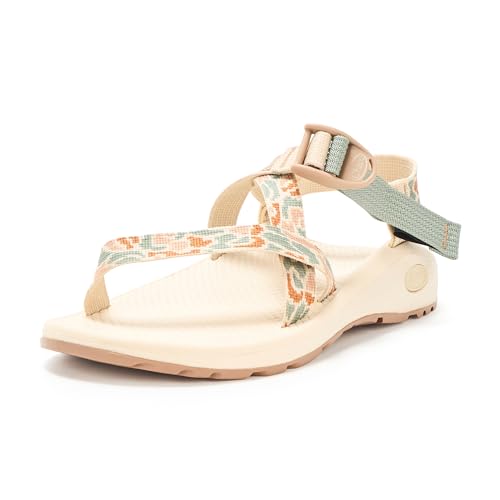
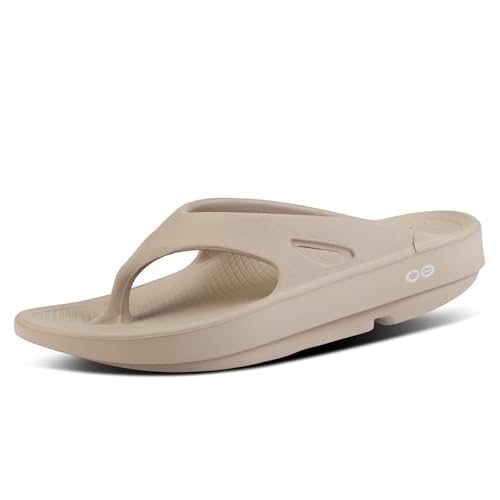


Which Style Fits Your Routine?
Walkers and travelers
For long days on pavement, look for a contoured footbed, a secure heel strap and a rubber outsole that grips wet sidewalks. Lightweight models pack easily and suit warm weather and city sightseeing. Choose structure over squish if you will log many steps.
Hikers on easy trails
Easy dirt paths and stream edges call for deeper lugs, quick drying straps and sometimes a closed toe. Closed toe sport sandals protect toes from rocks and roots. Rough, steep terrain still suits closed hiking shoes.
Recovery and everyday wear
Soft, cushioned slides and recovery sandals feel good after a workout or on a rest day. They usually offer less grip and a looser fit, so keep them for short, low intensity wear rather than long walks.
Key Features Explained
Footbed shape and arch support
A contoured footbed with a raised arch and a heel cup supports the foot better than flat foam. Press your thumb into the arch area: if it collapses easily, it will collapse under your weight. A cushioned heel plus a firmer midfoot usually lasts longer than one soft foam from heel to toe.
Strap fit and adjustability
Look for at least two independent adjustment points, ideally heel and forefoot. Adjustable straps keep the foot from sliding forward on slopes and let you loosen the fit when feet swell in warm weather. Padded strap edges reduce rubbing.
Outsole grip and water handling
Tread depth and rubber quality decide grip on wet rock, boat decks and slick sidewalks. Quick drying synthetic webbing and rubber footbeds handle puddles and streams well, while leather dries slowly and can stiffen after repeated soaking.
Weight and packability
Lighter sandals pack easily for travel but may offer less structure. A heavier model with a firmer footbed and tougher outsole usually feels better on long, rough days. Pick by how far you walk, not by weight alone.
Fit and sizing
Measure your feet in the afternoon when they are largest. Your heel should sit inside the heel cup, your toes should rest flat with a small margin of footbed ahead of them, and straps should hold without leaving deep marks. If you are between sizes, most walkers do better with the larger size or a wide width.
Types Compared
| Type | Best For | Trade Off |
|---|---|---|
| Closed toe sport sandals | Trails, rocky water, toe protection | Heavier and slower to dry |
| Open sport sandals | Warm weather walking, water use, travel | Toes are exposed |
| Recovery slides | Rest days, post workout comfort | Low grip, loose fit |
Care and Break In
Set the straps in order, heel first, then ankle, then forefoot, and walk indoors for a few minutes to spot rubbing. Build wear time over the first week, especially if you are used to flat sandals. Rinse off salt and grit, air dry away from direct heat, and rotate two pairs if you wear them daily.
Replace sandals when the tread is smooth, the footbed has molded flat or your feet tire sooner than usual. For comparison with other styles, see our guides to the best athletic sandals, the best hiking sandals for women and the best supportive sandals for women.
When to Ask a Professional
Buying advice cannot replace professional care. If you have persistent foot pain, swelling, numbness or skin breakdown, talk with a clinician or podiatrist before relying on a new pair of sandals.
Frequently Asked Questions
Are athletic sandals good for long walks?
Yes, when they fit securely and support the arch. Very flat sandals can tire feet on long distances, so look for a contoured footbed.
Can I hike in athletic sandals?
Easy trails suit secure sport sandals with good tread. Rough or steep terrain still calls for closed shoes that protect ankles and toes.
How should athletic sandals fit?
The foot should sit centered on the footbed without toes hanging over the edge, and the straps should hold without pinching.
Do athletic sandals work in water?
Many sport sandals drain and grip well in water. Check the materials, because some footbeds stay slippery when wet.
How often should I replace them?
Plan on a replacement after about one to two seasons of regular wear, or sooner if the tread wears smooth or the footbed no longer supports your arch.
Final Thoughts
Match the style to your routine, check footbed, straps and grip, and size for afternoon feet. Compare your options in the product table above, and the best athletic sandals for women will be the pair you can wear all day without thinking about it.


