Best At Home Food Dehydrators by Budget for 2026
Disclosure: We may earn a commission when you buy through links on this page, at no extra cost to you. As an Amazon Associate I earn from qualifying purchases. Learn more
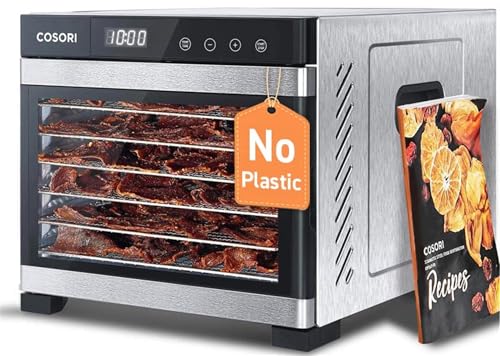
The best at home food dehydrators differ in tray space, airflow, and controls. Compare tiers to choose the right size for your kitchen and budget.
Prices for home dehydrators stretch from small dial models at about $50 to large steel cabinet models above $300, and that gap buys tray space, control and quiet. The best at home food dehydrators all move warm air across thinly sliced food until moisture leaves, so your money should go to features that match your batches. Use the comparison table below to line up price against drying area and controls.
This guide breaks spending into three tiers and shows what each tier adds and what it leaves out. It also explains the best food dehydrators to buy for garden harvests, family snacks and small kitchens, using types and features rather than named models.






Who Should Buy Which At Home Food Dehydrator?
Start with the food you dry most often and the batch size that comes with it. A model that suits weekend apple chips can feel far too small once tomato season arrives.
Gardeners Preserving a Seasonal Harvest
You face piles of tomatoes, herbs, peppers and fruit that all ripen at once, so choose a model with many trays and room to add more. Even slicing matters at this scale, and if hand slicing slows you down, see our guide to the best home food processors for faster prep.
Families Making Snacks and Jerky Each Week
You dry fruit leather, banana chips and jerky in steady rotation for lunch boxes and road trips. Family size models with five to nine trays keep one batch large enough to be worth the hours it runs. Look for precise heat settings for meat and a timer that ends the cycle while you are away.
Small Kitchen Snack Makers with Limited Storage
You want dried mango or apple rings now and then, but your counters and cupboards are already full. Compact models with a small footprint and trays that stack for storage fit this pattern well. Measure cupboard height before buying, since a stacked unit grows tall in storage. If footprint matters most, see our guide to the best home food dehydrators for a size focused view.
What Each Price Tier Buys You in a Home Dehydrator
When you compare best at home food dehydrators by price alone, tray count can hide real gaps in control and airflow. The tiers below describe what shoppers in the United States usually find at each level.
Budget Tier: Simple Dial Models for Occasional Batches
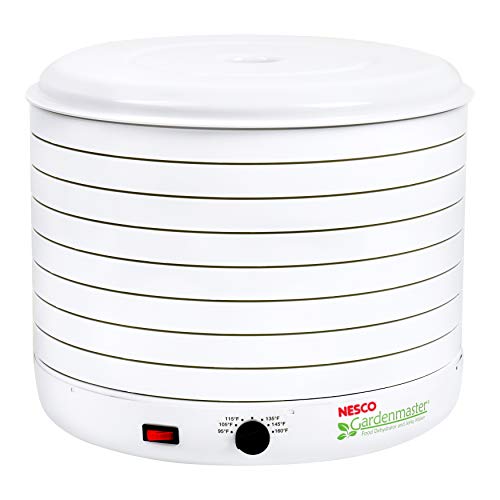
Budget models cost about $50 to $80 and usually give you four to six plastic trays, a single dial for heat and no timer. They dry herbs, apple slices and chili peppers well. The trade off is attention, since many ask you to rotate trays partway through long batches.
Midrange Tier: Digital Timers for Weekly Drying
Midrange models cost about $90 to $180 and add digital temperature control, a countdown timer with auto shut off and often a rear fan that spreads air across every tray. Presets for fruit, herbs and jerky remove guesswork. Most households land here, because the controls save real time each week while the size still fits a normal counter.
Premium Tier: Steel Trays and Room for Large Harvests
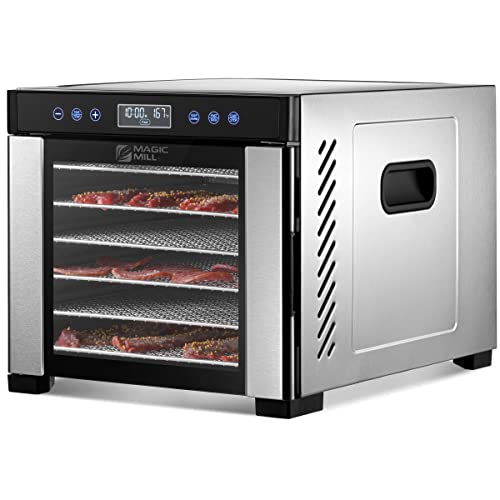
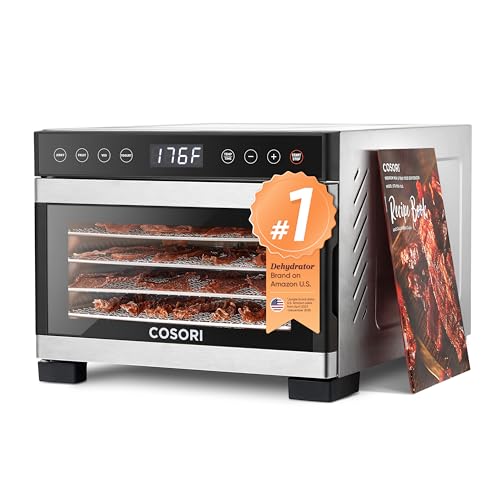
Premium models cost about $200 to $350 and bring stainless steel trays, a wide and steady temperature range, quieter fans and drying space measured in many square feet. Cabinet doors let you check one tray without lifting a whole stack. This tier pays off if you preserve produce all season, while occasional snack makers rarely fill the extra room.
Key Features to Compare
Compare these five factors in the same order each time, so a low price cannot hide weak airflow or trays you will dread washing.
Airflow Direction and Tray Spacing
Airflow decides how evenly a batch dries. Models with a fan at the back push air across each tray at once, so pieces finish together and trays can stay in place. Models with a fan at the top or base cost less but often need tray rotation. Tray spacing matters too, since thick tomato halves need taller gaps than herbs.
Temperature Range, Timer and Presets
Most home dehydrators adjust from about 95 to 165 degrees Fahrenheit, covering delicate herbs at the low end and jerky at the high end. Digital controls hold a setting more closely than a dial with broad zones, which helps during a ten hour run. A timer with auto shut off lets a batch finish overnight without over drying. Presets help only if you repeat the same foods often.
Wattage, Noise and Energy Use
Wattage for home models usually falls between about 400 and 1000 watts, and higher wattage mainly helps large cabinets heat a full load evenly. A dehydrator uses far less power per hour than a full size oven, since it heats a small box rather than a large empty cavity. Noise varies more, and some fans hum at a level you notice in an open plan room, so a quiet fan is worth money for overnight runs.
Tray Material, Sheets and Cleaning
Plastic trays cost less and feel light, while stainless steel trays weigh more, resist stains and handle years of washing without warping. Fine mesh sheets keep small berries and herb leaves from falling through wide grids, and solid sheets turn pureed fruit into fruit leather. Check that trays and sheets are dishwasher safe if you dry sticky foods often, because mango residue takes real scrubbing by hand.
Safety Parts and Steady Controls
Look for overheat protection that cuts power if the fan stalls or vents get blocked, and check for a UL or ETL listing that shows the electrical parts passed safety checks. A stable base and controls that hold a setting matter during long runs. For jerky, follow trusted recipe temperatures and cure guidance, and treat any dried food that smells off or shows mold as unsafe to eat.
Running Costs: Extra Trays, Sheets and Electricity
The purchase price is only part of what a dehydrator costs over its life. Extra trays, mesh sheets and solid fruit leather sheets are the most common add ons, and a model with sheets included can close much of the gap between tiers. Electricity for a long batch usually costs well under a dollar, so time and storage matter more than power bills.
Common Mistakes to Avoid
These errors waste food and hours, and each one is easy to prevent once you know it.
- Slicing pieces in uneven thickness leaves some pieces brittle while others stay moist and spoil in storage.
- Overloading trays until pieces touch blocks airflow and leaves the pieces in the middle damp.
- Drying onions or hot peppers beside mild fruit in one batch lets strong odors move and changes the taste of the fruit.
- Storing dried food before it cools fully traps leftover moisture in the jar and invites mold.
- Judging a model by tray count alone without checking tray height leaves thick slices squeezed and drying unevenly.
Care and Maintenance for At Home Dehydrators
Wash trays and sheets soon after each batch, since dried fruit sugars harden and turn a quick rinse into a long soak. Warm soapy water handles most residue, and a soft brush clears mesh sheets without tearing them. Wipe the inside walls once the unit cools. Never soak the section that holds the motor and fan, because water inside the housing can damage the motor and controls.
Between batches, brush dust and lint from the fan intake so airflow stays strong. Let every part dry fully before stacking trays for storage, and inspect trays for cracks before harvest season, since a cracked tray can sag under a heavy load of wet tomato slices.
Frequently Asked Questions
What size at home food dehydrator do I need for a family?
Most families do well with five to nine trays and about 8 to 14 square feet of drying space, enough for a market bag of apples or a large batch of jerky in one run. Measure the spot where the unit will run, and leave a few inches of open space behind and above it so warm air can escape.
Are at home food dehydrators safe to run overnight?
Yes, at home food dehydrators are built for long unattended runs, and a timer with auto shut off makes overnight use simpler. Place the unit on a firm, heat safe surface away from curtains, paper and hanging towels, and keep the vents clear. Start your first overnight batch on a weekend night, so you learn its fan sound and finish time first.
Does an at home food dehydrator use a lot of electricity?
No, an at home food dehydrator uses modest electricity for the hours it runs. Multiply the wattage by the hours and divide by 1000 to get kilowatt hours, then check that figure against your power rate. A 600 watt model running for ten hours uses about six kilowatt hours, far less than heating a full oven for the same stretch.
How long do at home food dehydrators usually last?
A home food dehydrator often lasts about five to ten years with regular use and basic cleaning. The fan motor does the hardest work, so models that let you buy spare trays and sheets stay useful longer, since small worn parts do not end the life of the whole unit. A fan that grows loud or heat that turns uneven is a sign to service or replace the machine.
How do I clean an at home food dehydrator after sticky fruit?
Start by soaking the trays in warm water for about fifteen minutes, which loosens dried mango and banana without hard scrubbing. Use a soft sponge rather than a metal pad, since scratches on plastic trays hold residue in later batches. Peel large pieces off fruit leather sheets first, then wash each sheet flat so it does not crease.
Final Thoughts
Match the tier to your real batch size first, then weigh airflow, temperature control and tray cleaning. Gardeners gain most from capacity, weekly snack makers gain most from a timer and steady heat, and small kitchens gain most from a compact footprint. Spending past the midrange makes sense only when the extra room will be filled often.
When you choose among the best at home food dehydrators with those points clear, the right tier is easy to spot. Use the product table above to confirm tray counts, temperature ranges and prices, then enjoy food you preserved yourself.