Best Asus Laptops under 600 for Every Need in 2026: How to Pick the Right One
Disclosure: We may earn a commission when you buy through links on this page, at no extra cost to you. As an Amazon Associate I earn from qualifying purchases. Learn more

Not all laptops fit every routine. Use this guide to the best asus laptops under 600 to match features to how you work, study, travel, and play each day.
There is no single laptop that is right for everyone, and that is especially true under $600. A remote worker needs a clear webcam and a comfortable keyboard. A student needs battery life that survives a full day of classes. A casual gamer cares about graphics and screen speed.
This guide starts with your routine instead of a spec sheet. Work through the user types below, note the features each one should prioritize, and then check the comparison table below for models that match. If you start from the best asus laptops under 600 for your own daily pattern, the right choice usually becomes obvious.


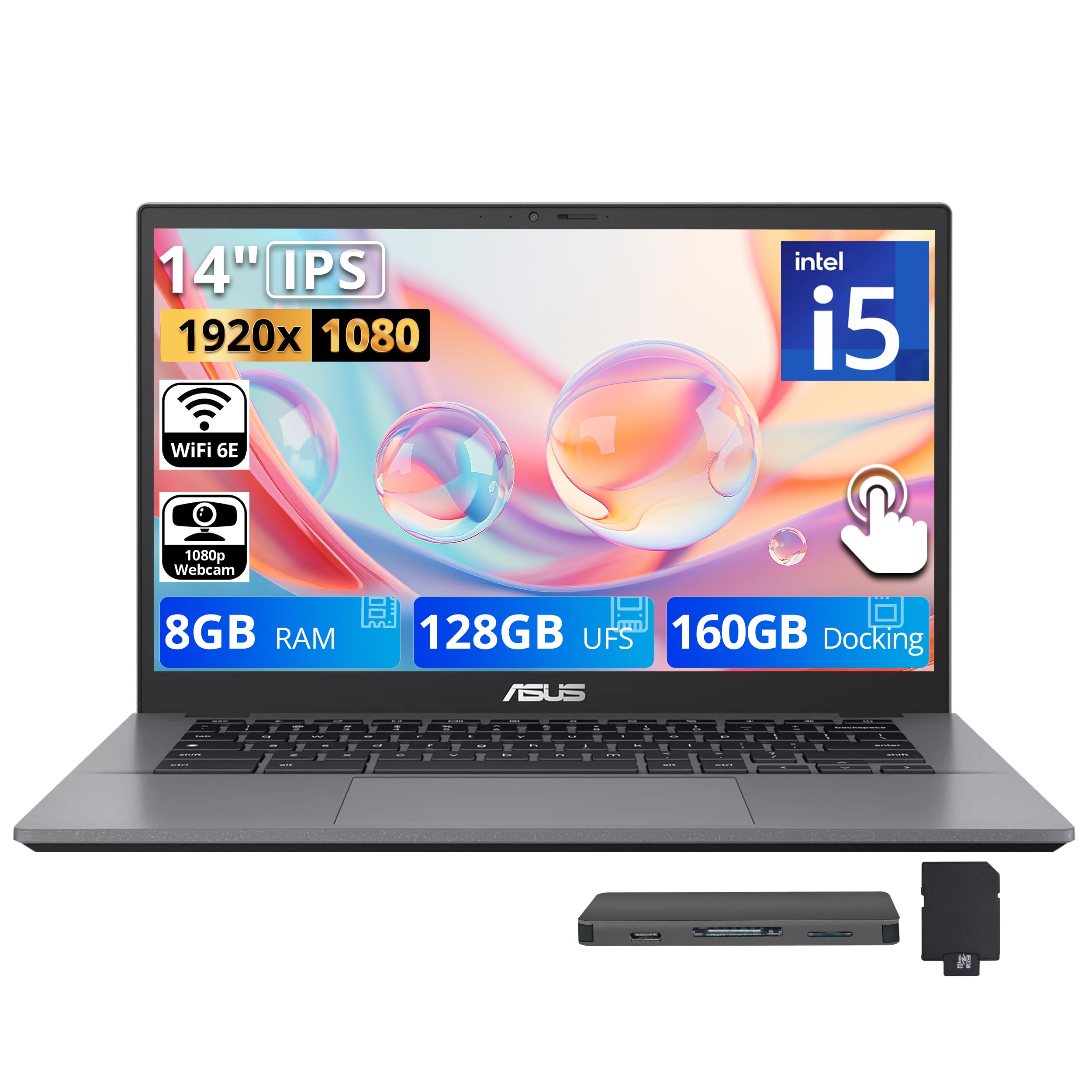
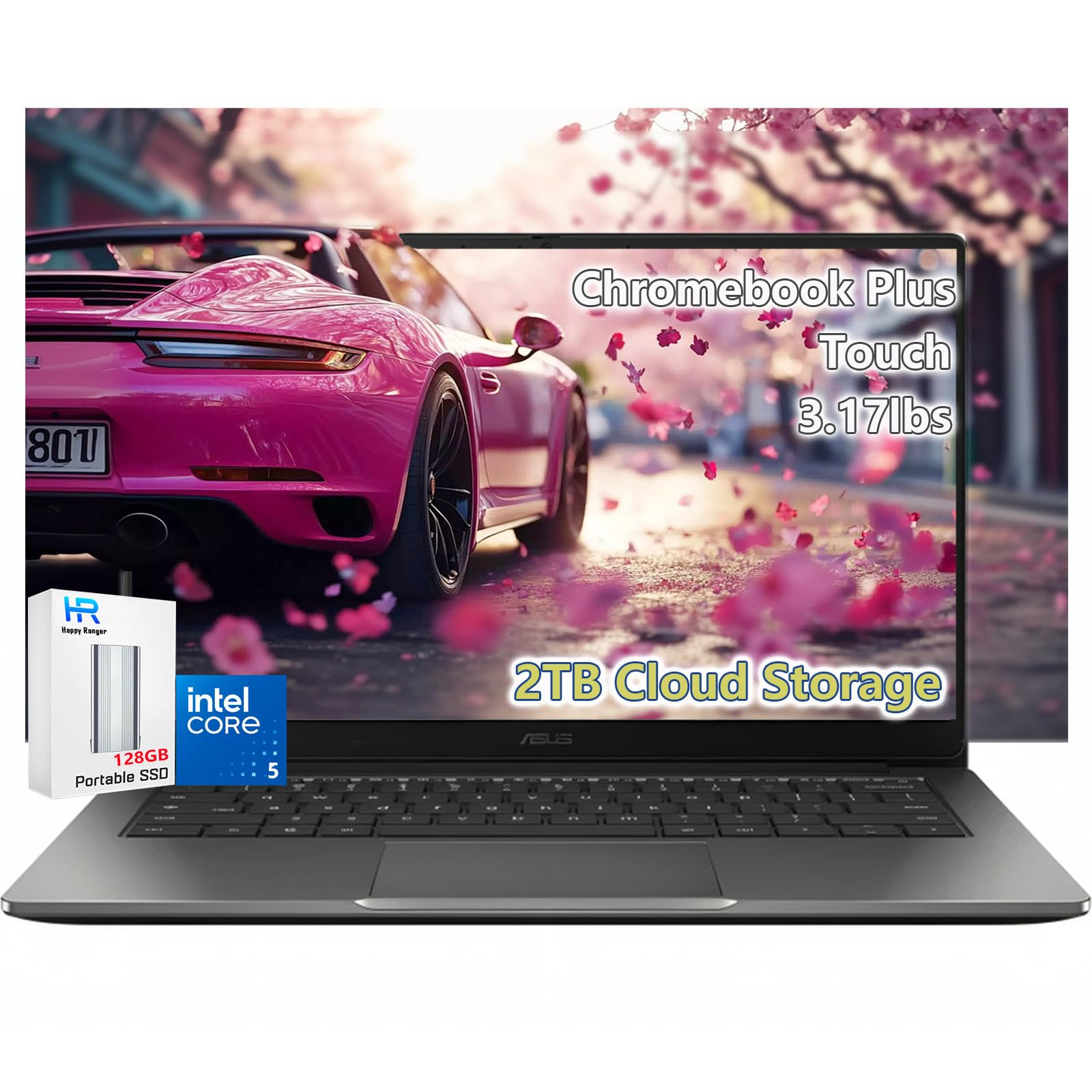
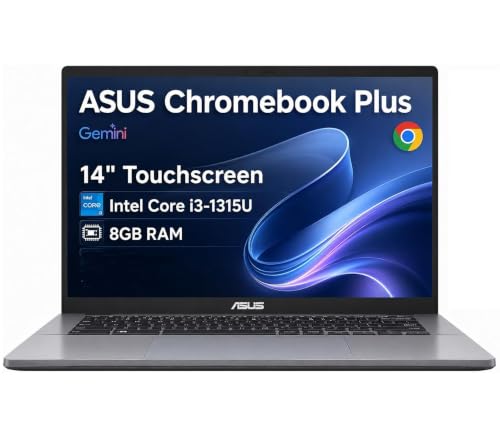

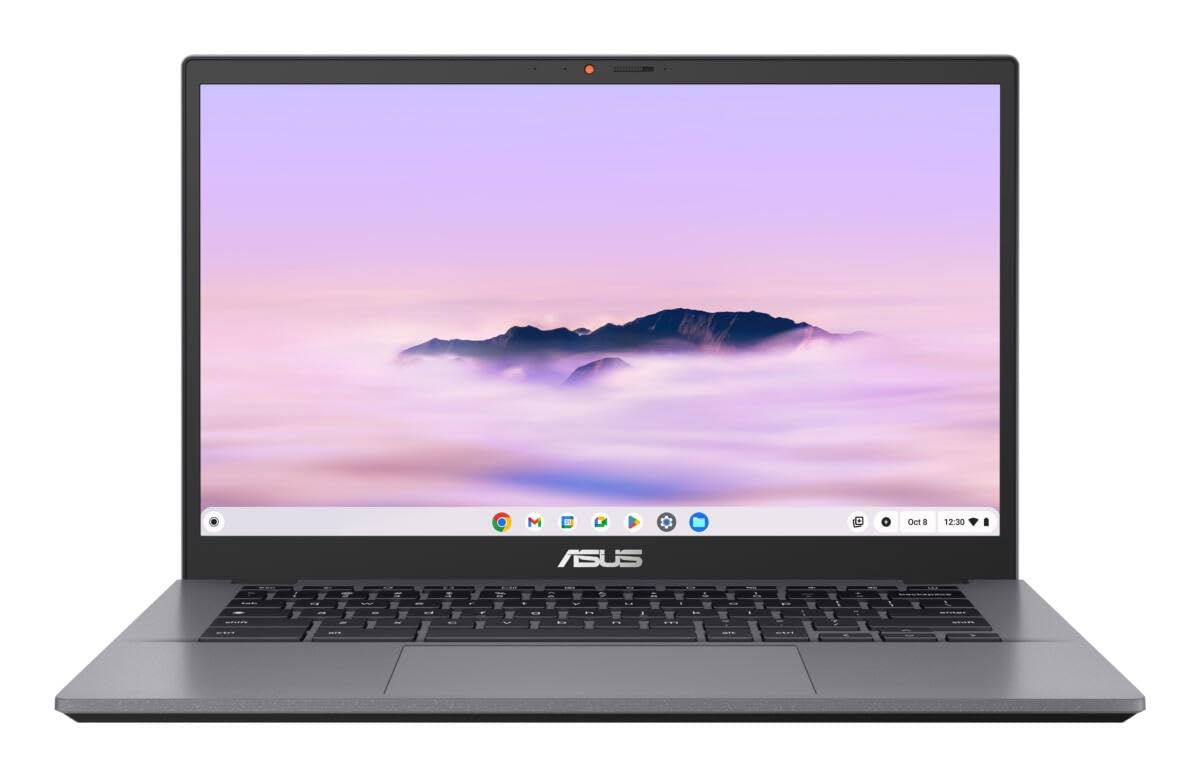

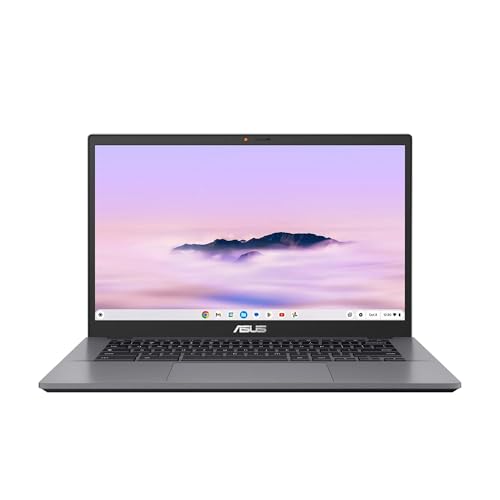

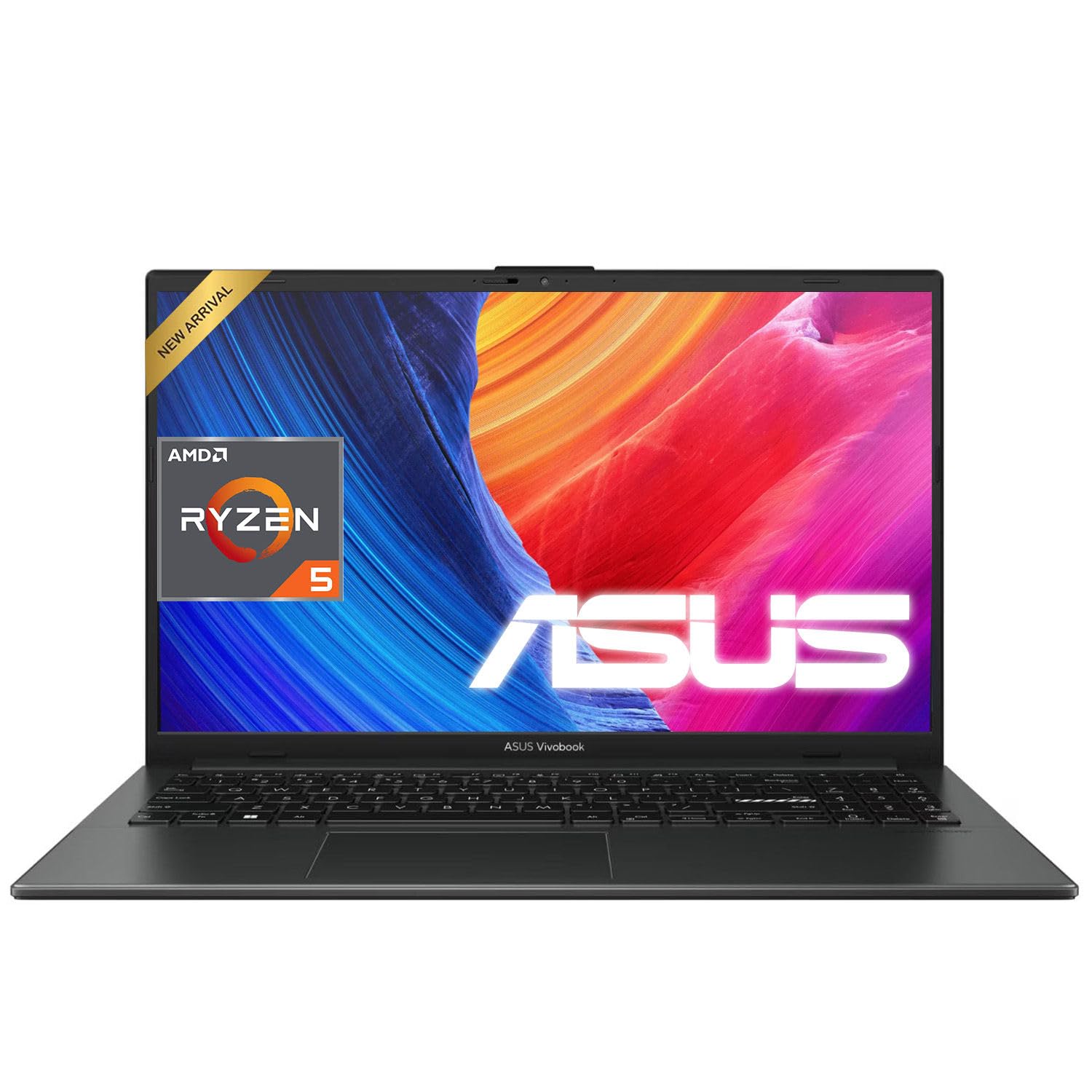
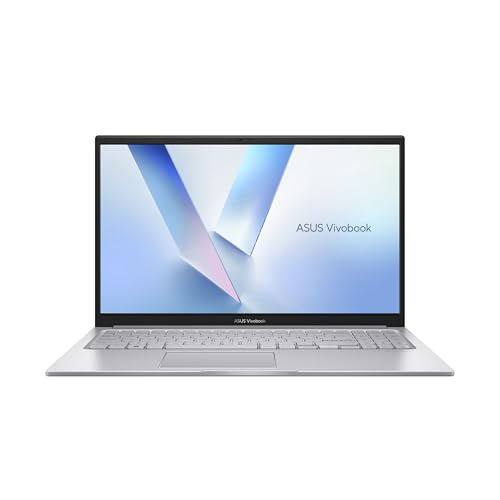
Who Should Buy Which Asus Laptops?
For Remote Workers and Creators
Remote workers live on calls, documents, and browser tools, so reliability and comfort matter more than raw speed. Prioritize a bright screen of at least Full HD resolution, a webcam that looks clear in indoor light, and a microphone that keeps your voice natural. A quiet keyboard with good travel makes long writing sessions easier on your hands.
Choose 16 GB of RAM if you can find it at this price, because calls, chat apps, and large documents run all day together. Ports matter too, since a second monitor and a headset are common desk gear. Photo and light video creators should also favor screens with good color coverage, even if that means accepting a slightly heavier body.
For Gamers and Power Users
At under $600, gaming means sensible expectations. You can play esports titles and older games smoothly, and lighter modern games at modest settings. Look for the strongest integrated graphics you can find, or an entry dedicated graphics card on a sale model, plus a screen with a refresh rate of 120 Hz or higher for smoother motion.
Cooling is the hidden factor. A laptop that can sustain performance without loud fans or heavy throttling will feel faster in real play than a paper spec suggests. Storage speed also matters for game loading, so insist on an SSD. If your library is mostly demanding new releases, this budget will feel tight, and saving longer may serve you better than compromising now.
For Travelers and Commuters
Travelers should put weight and battery life at the top of the list. A 13 or 14 inch model at around 3 lbs or less disappears into a bag, and USB C charging lets you share a compact charger with your phone. Look for a sturdy lid that resists flex, since bags and overhead bins are not gentle places.
Battery claims of ten hours or more usually mean eight or so in real mixed use, which still covers most travel days. A bright screen helps in airports and near windows. Skip large 15 or 16 inch models unless the laptop mostly moves between two desks, because size and charger bulk add up on every trip.
For Students and Everyday Users
Students need a laptop that is dependable, light enough for a backpack, and quick at the basics. Note taking, research, streaming lectures, and writing papers all run well on a current midrange processor with 8 GB to 16 GB of RAM. Battery life that covers a school day without hunting for outlets is worth more than a small speed gain.
Durability and price protection matter on a student budget. A standard warranty, a simple return policy, and a padded sleeve are smart parts of the purchase. Chromebooks in this range suit browser based schools, while Windows models suit mixed software needs. Our guide to the best laptops 600 and under shows how Asus compares with other brands for everyday buyers.
Key Features to Compare
Operating System (Windows, macOS, ChromeOS, Android, iPadOS)
Your operating system decides which programs you can run. Windows offers the broadest software support, from office suites to games to specialized school tools, and it is the default choice for most buyers. It also asks more of the hardware, so pair it with at least 8 GB of RAM and SSD storage.
ChromeOS runs on Chromebooks and feels fast on modest hardware because it centers on the browser and web apps. It is a strong fit for students in web based schools and for anyone whose work lives online. macOS and iPadOS are Apple only, so they matter only when cross shopping brands. Decide the system from your required apps, then compare models within it.
Processor and Performance Tier
The processor drives how the laptop responds when many tasks compete. For office work, study, and browsing, a current Intel Core i5 class or AMD Ryzen 5 class chip is the sweet spot in this range. Creators and power users should look one tier up or choose the newest generation available, since exports and builds reward extra cores.
Generation is a useful shortcut. A newer midrange chip often outperforms an older high end one while using less power. Avoid the slowest budget chips if you multitask heavily, because they age poorly as apps grow. Balance is the rule at this price: processor, RAM, and storage should rise together rather than one star part carrying weak partners.
Keyboard, Trackpad, and Build
You touch the keyboard and trackpad more than any other part, so their quality shapes your daily impression of the laptop. Look for keys with clear travel and a stable feel, a layout without cramped arrow keys, and backlighting if you work in dim rooms. A large smooth trackpad with accurate clicks reduces the need to carry a mouse.
Build materials set expectations for lifespan. Aluminum panels feel stiff and premium, while good plastic can still be durable and lighter on the budget. Check that the hinge holds the screen steady and that the base does not flex much under typing pressure. Small details like a fingerprint reader add daily convenience worth having at this price.
What You Can Realistically Get Under $600
Under $600 buys a well rounded everyday laptop. Expect a current midrange processor, 8 GB to 16 GB of RAM, a 256 GB to 512 GB SSD, and a Full HD screen, with some models adding touch, a 2 in 1 hinge, or a brighter panel. Battery life around eight to ten hours of light use is a fair target.
What you give up is the top layer of polish. Screens rarely match premium color and brightness, graphics stay entry level, and speakers are ordinary. Do not let a maker fund a flashy extra by cutting RAM or storage, because those basics affect every task. Buyers focused on office reliability may also want to compare the models in our guide to the best work laptops under 600.
Common Mistakes to Avoid When Buying Asus Laptops
- Shopping by price alone. The cheapest listing often hides 4 GB of RAM or slow storage, and those cuts hurt more than a slightly higher price.
- Ignoring the operating system. Buying a Chromebook when a class or job requires Windows software creates an expensive problem, so confirm your programs first.
- Choosing the wrong size. A 16 inch laptop feels great on a desk and heavy in a backpack, while a tiny screen can tire your eyes during long writing sessions.
- Skipping warranty and return checks. Know the return window and warranty length before you buy, especially for sale models from third party sellers.
- Overbuying graphics, underbuying memory. Most everyday users feel extra RAM every day and a stronger graphics card almost never.
Care and Maintenance Tips
Keep the operating system and firmware updated, since updates fix security issues and often improve battery behavior and fan control. Restart the laptop now and then rather than relying on sleep for weeks, which clears small glitches. Store important files in a backed up location from the first week, not after the first scare.
For the battery, avoid leaving the laptop at full charge for long stretches if a charge limit setting is available for desk use. Carry it in a padded sleeve, keep drinks a safe distance from the keyboard, and clear the vents of dust every few months. These simple habits help a midrange laptop stay quick and quiet for years. Platform specific advice appears in our guide to the best windows laptops under 600.
Frequently Asked Questions
Can you get a good asus laptop under $600?
Yes, under $600 buys a good Asus laptop for work, school, and home use. At this level you can expect smooth everyday performance, a sharp Full HD screen, and battery life for most of a day. The limits appear with demanding games, heavy video editing, and premium build touches. Choose balanced specs over one headline feature and the laptop should feel capable for years.
How long should an asus laptop last?
An Asus laptop in this price range should last about four to five years with normal care. Models bought with 16 GB of RAM and a 512 GB SSD tend to age best, because memory and storage limits are what make older laptops feel slow. Batteries lose capacity gradually, and software grows heavier, so a current processor at purchase gives useful extra headroom.
Should I buy a laptop or a tablet?
Choose a laptop when you need to type, multitask, or run full programs. A laptop under $600 offers far more computing value than a tablet at the same price once you add a keyboard and storage. Tablets win for reading, drawing, and media on the couch. If one device must cover school or work completely, the laptop is the practical answer.
Is a Chromebook enough for school?
A Chromebook is enough for school when lessons and homework live in the browser. It starts fast, sips battery, and needs little maintenance, which suits younger students well. Some classes require Windows programs, offline tools, or specific exam software that ChromeOS cannot run. A quick check of the school supply list or course pages prevents a mismatch, and our guide to the best laptops under 600 dollars covers both paths.
Is a dedicated GPU worth it?
A dedicated GPU is worth it at this price only if gaming or 3D work is a real priority. Entry graphics cards in this range improve game performance, but they add weight, heat, and cost, and they often come with less RAM or a weaker screen. For office work, study, and streaming, strong integrated graphics are enough and leave more budget for the parts you feel daily.
How much RAM do I need?
Most buyers should look for 16 GB of RAM at this budget, with 8 GB as the acceptable floor for light use. Browsers, documents, and calls together can pass 8 GB quickly, and memory pressure makes even a good processor feel slow. Creative apps and many open projects push needs higher. If two models cost the same, the one with more RAM is usually the better long term buy.
As you narrow your shortlist of the best asus laptops under 600, keep your top two priorities in front of you and drop any option that misses them.
Wrapping Up
Start with your routine, then match the features that routine demands: screen and keyboard for workers, portability for travelers, balanced specs for students, and graphics for players. Check those points in the product table above, and the best asus laptops under 600 for your needs will be the one that fits your day, not just your budget.