Best Asus Laptops under 1000 Made Simple: A Clear Buying Guide for 2026
Disclosure: We may earn a commission when you buy through links on this page, at no extra cost to you. As an Amazon Associate I earn from qualifying purchases. Learn more

Shopping for the best asus laptops under 1000 for the first time? Learn the basic terms, compare key specs, and avoid common mistakes with this easy guide.
Buying your first laptop can feel like reading a foreign language. Listings throw around terms like RAM, SSD, refresh rate, and USB C, and every model claims to be fast and light. You do not need to become an expert to choose well.
This guide explains the basics in plain English, shows what a budget under $1000 can realistically buy, and walks you through the choices step by step. If you keep the best asus laptops under 1000 in that price frame and focus on a few key specs, you can shop with confidence and check the comparison table below without second guessing every line.
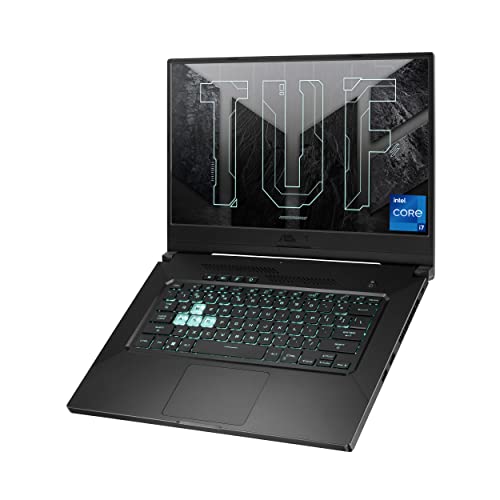


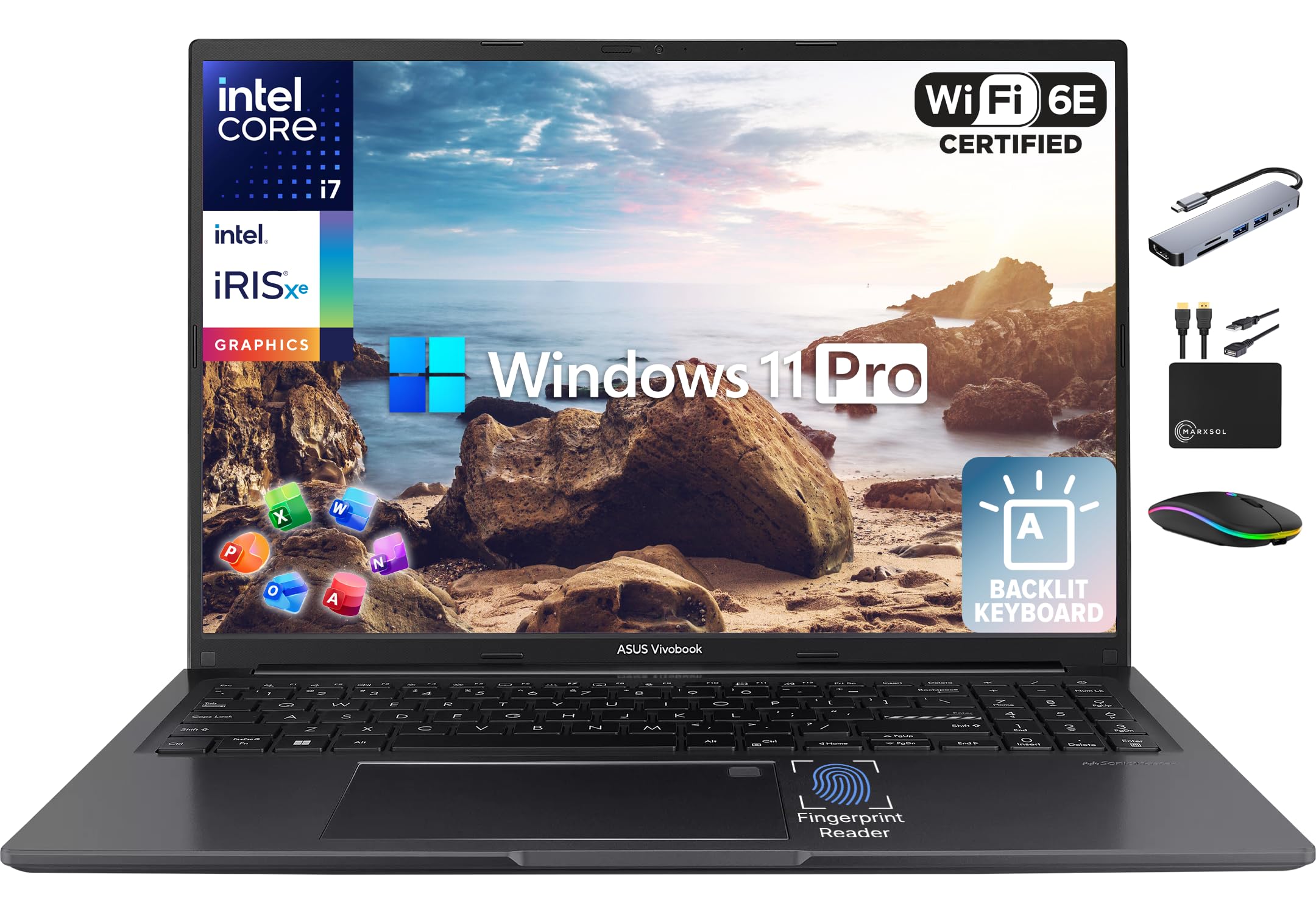


Asus Laptops 101: The Basics
An Asus laptop is a portable computer with the screen, keyboard, battery, and all the computing parts built into one folding body. You open the lid, sign in, and run apps for work, school, browsing, photos, and entertainment. Asus sells several families, from simple Chromebooks for web tasks to slim everyday notebooks and stronger models for creative work and light gaming.
A few terms appear on every listing. The processor is the brain that runs your apps. RAM is short term memory that keeps open apps responsive. Storage holds your files and programs, and on modern laptops it is almost always a fast SSD. The display size is measured diagonally in inches, and battery life claims describe light use rather than heavy work. Once those four ideas click, spec sheets become much easier to compare.
Key Specs Explained in Plain English
What You Can Realistically Get Under $1000
Under $1000 is a sweet spot where laptops stop feeling like compromises. You can expect a modern midrange processor, 16 GB of RAM on many models, a 512 GB SSD, a sharp Full HD or better screen, and a metal or part metal body on slimmer designs. Battery life of eight to ten hours of light use is a fair target.
What gets cut at this price is usually the extras. Dedicated graphics cards appear only on a few gaming leaning models, screens rarely reach the brightness of premium flagships, and speakers are fine rather than rich. Do not save money by dropping to 8 GB of RAM or a tiny 256 GB drive if you plan to keep the laptop for years, because those limits show up daily.
Processor and Performance Tier
The processor decides how snappy the laptop feels when apps open, files export, and tabs pile up. For everyday work, look for a current Intel Core 5 or Core 7, or an AMD Ryzen 5 or Ryzen 7. These chips handle office apps, photo editing, coding, and video calls with ease, and they sip power compared with older generations.
Be cautious with very cheap chips meant for basic browsing, since they can feel slow within a year. You also do not need the top tier processor unless you edit long videos, run virtual machines, or play demanding games. A balanced approach works best at this budget: a solid midrange processor, plenty of RAM, and fast storage will feel faster in daily use than a top chip paired with weak memory.
Ports and Connectivity
Ports are the sockets on the sides of the laptop, and they decide what you can plug in without adapters. USB C is the modern oval port used for charging, data, and often video output to a monitor. Some USB C ports support Thunderbolt, which moves data faster and can run a full desk dock through one cable.
An HDMI port connects directly to most TVs and classroom or office displays. One or two older USB A ports still help with flash drives, mice, and printers. For wireless, WiFi 6E or WiFi 7 gives steadier speeds on crowded home and campus networks, and Bluetooth connects headphones and mice without cables. Count your daily plugs before you buy, not after.
Weight and Portability
Weight matters more than most first time buyers expect. A laptop around 3 lbs or less feels easy in a backpack all day, which is why students and commuters often favor 13 or 14 inch models. Larger 15 or 16 inch laptops give you a roomier screen and sometimes a number pad, but they can weigh 4 lbs or more before you add the charger.
Think about the charger too, since a bulky brick adds real weight to your bag. Models that charge over USB C let you share a compact charger with a phone or tablet. If the laptop will mostly live on one desk, weight matters less and a bigger screen may be worth it. If it travels daily, put weight near the top of your list.
Operating System (Windows, macOS, ChromeOS, Android, iPadOS)
The operating system is the software environment you live in. Asus laptops run Windows or ChromeOS. Windows runs the widest range of programs, including Microsoft Office desktop apps, most school and work software, and the largest game library. It is the safe default for most buyers.
ChromeOS powers Chromebooks and centers on the Chrome browser, web apps, and Android apps. It is simple, secure, and quick on modest hardware, but it cannot run many Windows programs. macOS and iPadOS belong to Apple devices, so they only matter if you are cross shopping brands. Choose based on the programs you must run, then match the system to the phone and services you already use.
Picking the Right Asus Laptops for Different Uses
For school and office work, almost any balanced model in this range works, so prioritize screen comfort, keyboard feel, and battery life. For photo and video work, choose a brighter and more color accurate screen plus 16 GB of RAM or more. For light gaming, look for stronger integrated graphics or a dedicated graphics card and a refresh rate of 120 Hz or higher for smoother motion. For travel, weight and USB C charging matter most.
Best Asus Laptops under 1000 Dollars: Tips for First Time Buyers
When you search for best asus laptops under 1000 dollars, listings mix US pricing with sale prices that change weekly, so compare the spec sheet rather than the headline discount. First, confirm the RAM and storage, since those two lines vary between listings of similar looking models. Second, check whether the price includes the configuration shown in photos. Third, leave a little of your budget for a sleeve, a mouse, and warranty coverage, because the laptop price alone is rarely the full cost of getting set up.
Rookie Mistakes to Avoid
- Buying on processor name alone. A famous chip with only 8 GB of RAM can feel slower than a midrange chip with 16 GB, so always read the full spec list.
- Ignoring the screen. A dim or washed out display tires your eyes every day, and it is the one part you look at constantly. Favor at least Full HD resolution and decent brightness.
- Forgetting your programs. Check that your school, work, or hobby software actually runs on Windows or ChromeOS before you order, not after it arrives.
- Skipping the return policy and warranty. First purchases carry some risk of a poor fit, so buy where returns are simple and note the warranty length.
- Chasing the biggest discount. A steep cut on an old model with weak specs is worse value than a fair price on a current balanced model.
Getting Started: Setup and First Use
When the box arrives, plug the laptop in and let it charge while you power it on for the first time. Connect to WiFi, sign in, and run system updates right away, since new machines often ship with older software. Restart when asked, then install your browser, office apps, and any school or work tools you need.
Next, set up a backup habit before you create files you care about. Turn on cloud sync for documents or connect an external drive for copies. Adjust the battery setting so the laptop does not sit at full charge around the clock if you mostly work plugged in at a desk. Finally, register the warranty, store the receipt, and learn the touchpad gestures and keyboard shortcuts, which make the first week much smoother. If you want a broader view of this price band across brands, see our guide to the best laptops under 1000 dollars.
Frequently Asked Questions
Can you get a good asus laptop under $1000?
Yes, you can get a genuinely good Asus laptop under $1000. This budget covers fast everyday performance, a sharp screen, 16 GB of RAM on many models, and battery life for a full work or school day. What you give up compared with premium models is mostly extras like the brightest screens, the thinnest bodies, and top end graphics, not the basics you use daily.
How much RAM do I need?
Most buyers should aim for 16 GB of RAM. That amount keeps a browser with many tabs, office apps, and video calls running smoothly at the same time. Eight GB is workable for light use like writing and browsing, but it fills up quickly and shortens the useful life of the laptop. Creative work and virtual machines benefit from 32 GB if the price still fits your budget.
Should I buy a laptop or a tablet?
Buy a laptop if you type long documents, use full desktop programs, or manage lots of files. A laptop gives you a real keyboard, a precise trackpad, and Windows or ChromeOS software in one device. A tablet suits reading, drawing, and media, and it can work as a second screen later. For a first and only computer, the laptop is the safer and more flexible choice.
How long should an asus laptop last?
A well bought Asus laptop should serve you for about four to six years. Choosing 16 GB of RAM and at least a 512 GB SSD at purchase is the single best way to extend that life, because many models cannot be upgraded later. The battery will slowly hold less charge over the years, but performance for everyday tasks should stay comfortable if you avoid the cheapest processor tiers.
Is a dedicated GPU worth it?
A dedicated GPU is worth it if you play demanding games, edit video often, or work in 3D design. For office work, school, browsing, and streaming, modern integrated graphics are fully capable and use less power, which means better battery life. At this budget, paying for a graphics card usually means giving up RAM, storage, or screen quality, so only choose one when your hobbies or job truly need it.
Is a Chromebook enough for school?
A Chromebook is enough for school when assignments live in the browser, as with Google Docs, online classrooms, and research. Chromebooks start fast, update quietly, and cost less, which helps if loss or damage is a worry. Some courses require Windows programs for labs, exams, or design tools, though. Check your school requirements list first, and if anything names Windows software, choose a Windows model such as those in our guide to the best windows laptops under 1000.
Our Verdict
Keep your first purchase simple. Set your budget, insist on a current midrange processor with 16 GB of RAM and a 512 GB SSD, and pick the screen size that matches how much you travel. Use the product table above to compare the best asus laptops under 1000 on those points, and look at the best business laptops under 1000 if work features like security and sturdy build matter most. A balanced model chosen this way will feel right long after the shopping stress fades.