Best Asus Laptops for Video Editing in 2026: Which One Fits the Way You Use It?
Disclosure: We may earn a commission when you buy through links on this page, at no extra cost to you. As an Amazon Associate I earn from qualifying purchases. Learn more
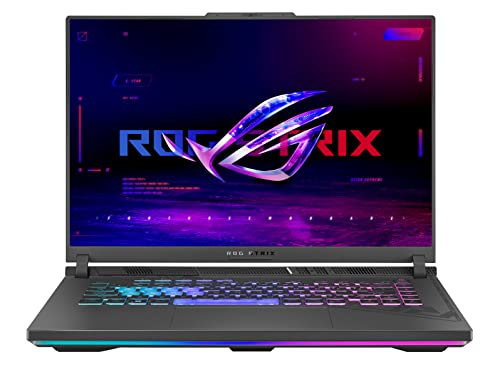
Compare the best asus laptops for video editing by processor, graphics, memory, storage, and screen quality so you can match a machine to your projects.
There is no single Asus laptop that suits every editor. A student cutting short social clips needs something very different from a freelancer grading hour long documentaries in 4K. This guide sorts the best asus laptops for video editing by the way you actually work, so you can match processor, graphics, memory, and screen to your projects instead of paying for power you will never use.
Asus sells several families, from slim Zenbook models to ProArt creator machines and ROG gaming laptops, and the editing experience varies more by configuration than by badge. Two laptops with the same name can feel worlds apart if one has half the memory or a weaker graphics chip. If your brand choice is not settled yet, start with our guide to the best laptops for video editings, then come back here to narrow the Asus shortlist using the comparison table below.

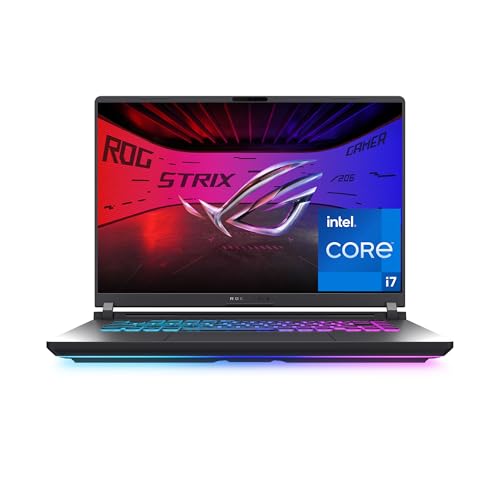

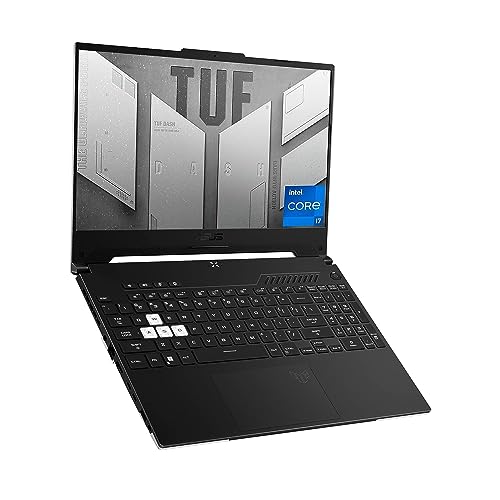
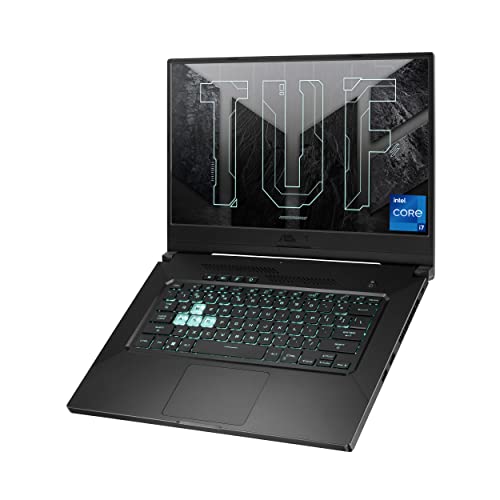
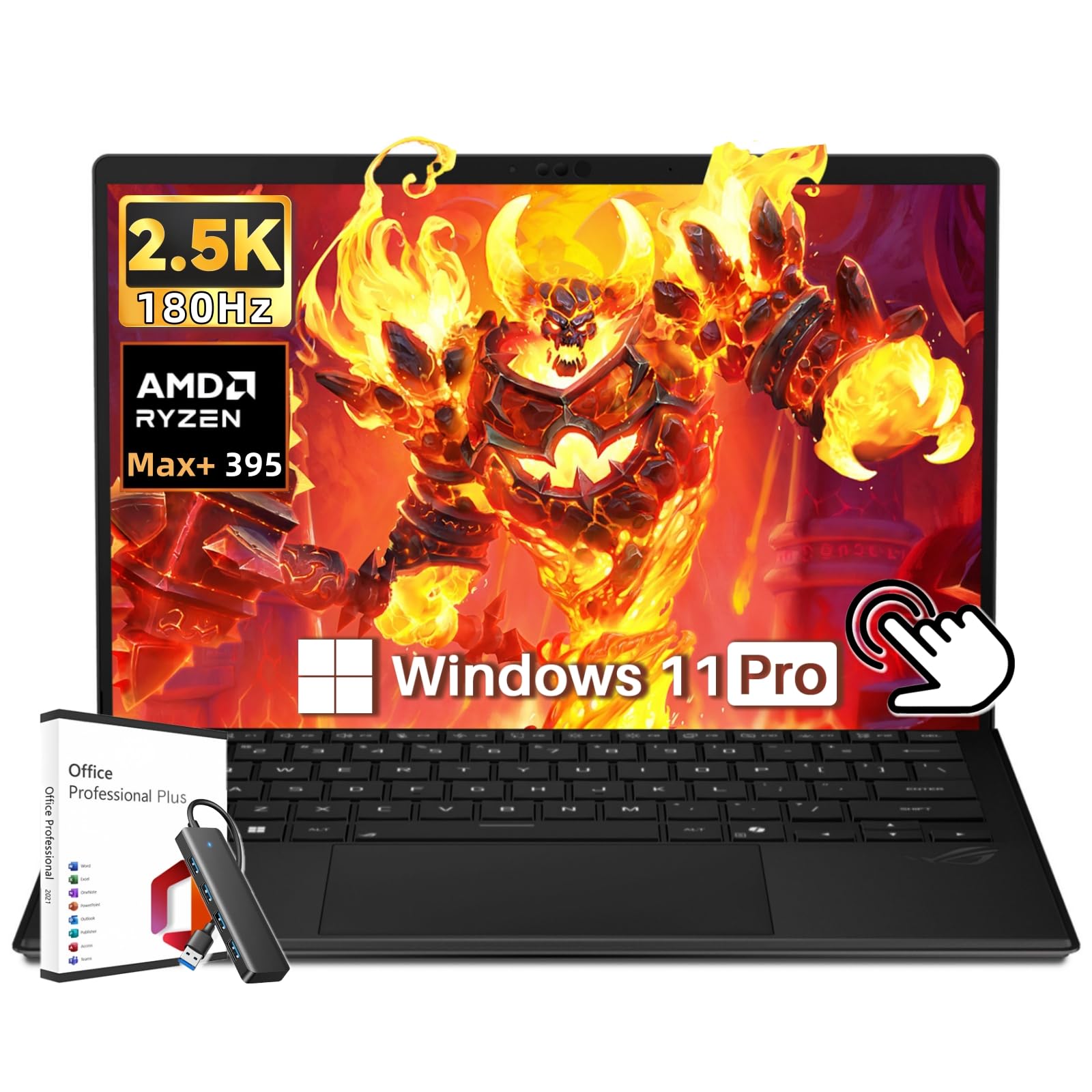


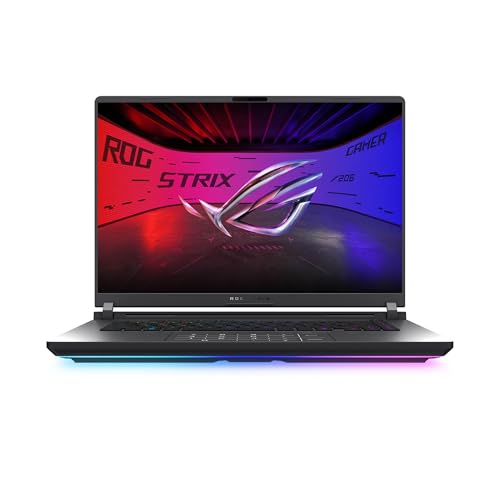

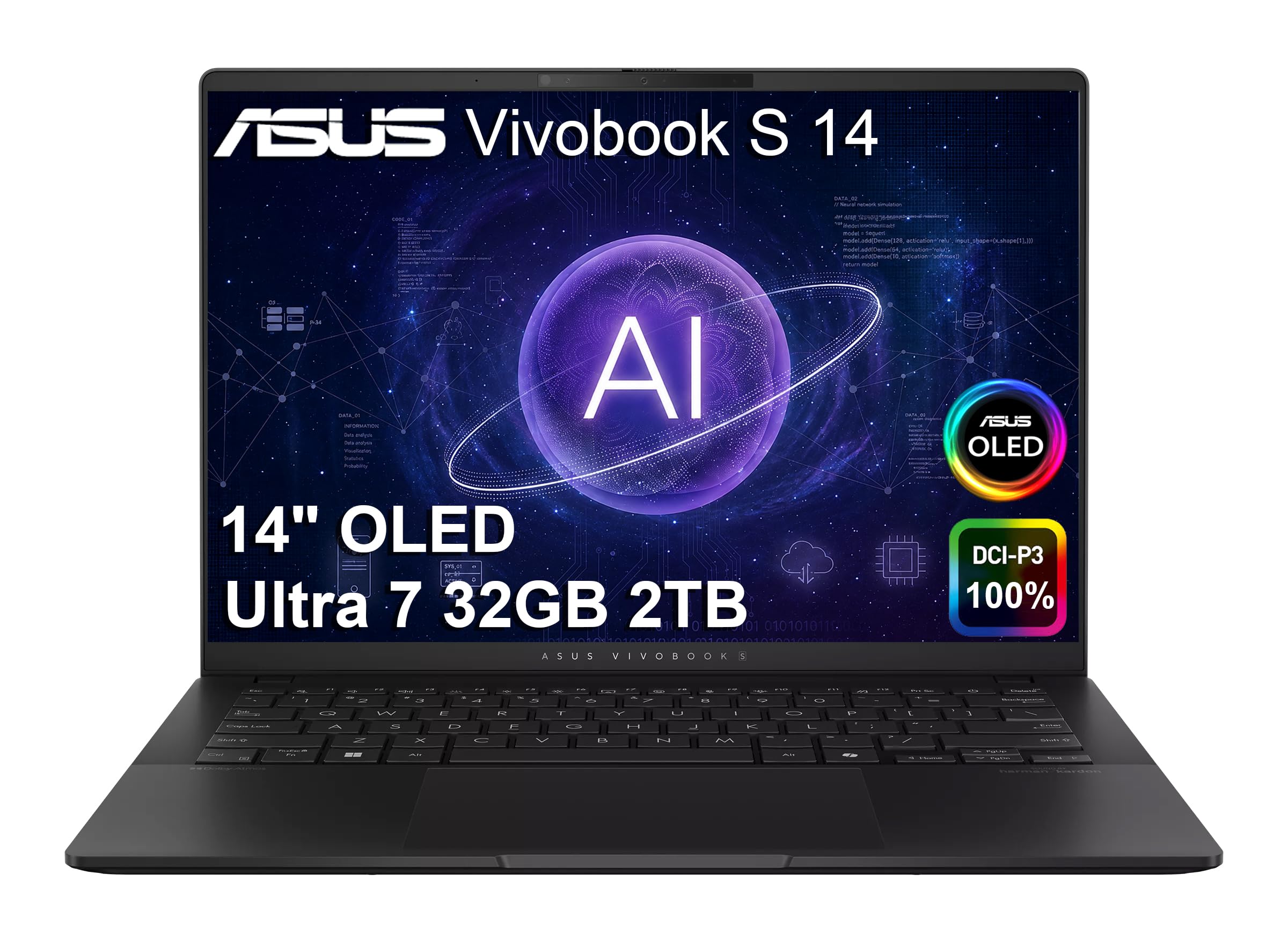
Who Should Buy Which Asus Laptops?
Start from your week, not from a spec sheet. Think about where you edit, how long your timelines run, and which apps you open every day, then find your group below.
For Travelers and Commuters
You edit on trains, in cafes, and between meetings, so weight and battery life matter as much as speed. Look for a 14 inch model under about 3.5 lb with USB C charging, so one small adapter covers the laptop and your phone. A metal chassis and a spill resistant keyboard help with daily knocks. Choose 16 GB of RAM and a 1 TB SSD so you can keep current projects local without carrying an external drive everywhere.
For Gamers and Power Users
You want one machine that edits all week and plays games at night. Prioritize a dedicated graphics chip with at least 6 GB of video memory, strong cooling with two fans, and a screen with a refresh rate of 120 Hz or higher for smooth timeline scrubbing and gaming alike. If this dual role sounds like you, our guide to the best laptops for gaming and video editing explains the trade offs in more depth. Expect more weight and louder fans under load.
For Students and Everyday Users
You cut coursework, club videos, and family footage, and the budget is real. A mid range processor, 16 GB of RAM, and integrated graphics handle 1080p editing in apps like Premiere Pro and CapCut without drama. Spend on memory and storage before you spend on a premium screen. Shoppers comparing prices across brands should also read our guide to the best affordable laptops for video editing to see what a fair budget configuration looks like this year.
For Remote Workers and Creators
Your laptop is your office, your studio, and your meeting room. You need a sharp webcam, a clear microphone, and a color accurate screen for client work, plus enough ports to skip the dongle bag. Creator focused Asus lines add factory calibrated displays and quiet cooling for calls. If your work mixes stills and footage, our guide to the best laptops for editing video and photos covers the shared requirements, including color gamut and card readers.
Key Features to Compare
Spec sheets look intimidating, but five decisions drive almost all of the editing experience. Work through them in this order and the right configuration usually becomes obvious.
Processor and Performance Tier
The processor sets your ceiling for timeline smoothness and export speed. Current Intel Core Ultra and AMD Ryzen chips both handle editing well; what matters is the tier. Entry chips suit 1080p work with simple effects. Mid and upper tiers add cores, which shortens renders and keeps multicam playback fluid. If you edit daily for clients, buy one tier above your current need, because footage resolution and effect stacks only grow over the life of the machine.
Weight and Portability
Weight decides whether the laptop actually travels with you. Under 3 lb feels effortless in a backpack and suits students moving between lectures. Around 3.5 to 4.5 lb is the common balance for 14 and 16 inch editing machines with real graphics power. Above 5 lb, treat the laptop as a desk machine that moves occasionally. Remember that the charger adds weight too, and gaming models often ship with a brick that adds another pound or more.
Features That Matter for Video Editing
When you compare the best asus laptops for video editing, three specs decide most of your day. Memory comes first: 16 GB is the sensible floor, and 32 GB pays off for 4K timelines, lots of layers, or editing while other apps stay open. Storage comes next, because video fills drives fast, so choose at least 1 TB of SSD space or plan on fast external drives. Finally, check the display: full HD is the minimum, and a panel covering all or nearly all of the sRGB or DCI P3 color space keeps your grades honest.
Operating System (Windows, macOS, ChromeOS, Android, iPadOS)
Asus laptops run Windows or ChromeOS, and that choice shapes your software options. Windows gives you the full desktop versions of Premiere Pro, DaVinci Resolve, and After Effects, plus the widest plug in support. ChromeOS suits light browser based cutting only. If you are weighing platforms rather than brands, our guide to the best windows laptops for video editing shows what to expect from Windows machines in general. Pick the system your apps and collaborators already use.
Graphics (Integrated vs Dedicated GPU)
Integrated graphics share system memory and handle basic 1080p editing, simple titles, and light color work. A dedicated GPU brings its own video memory and dedicated hardware for encoding, effects, and AI assisted features like auto captions and noise reduction. The gap shows up most in exports and in effects heavy timelines. If you shoot 4K, use stabilization often, or grade with many nodes, budget for dedicated graphics; casual editors can skip it and save money and weight.
Common Mistakes to Avoid When Buying Asus Laptops
- Shopping by sticker price alone, then discovering the cheap configuration has 8 GB of RAM that cannot be upgraded later.
- Ignoring the processor tier and buying a premium chassis paired with an entry level chip that bottlenecks every export.
- Choosing a screen size by habit instead of by workspace, then fighting tiny timeline text or hauling a huge machine daily.
- Skipping the port check, so you end up carrying adapters for your card reader, monitor, and audio interface.
- Forgetting warranty and return terms, which matter when a laptop is your main income tool.
Setup and Care Tips
Keep the operating system and firmware updated, because Asus regularly ships graphics and stability fixes that directly affect editing apps. Avoid running at 100 percent charge all the time; if the laptop lives on a desk, enable the battery care setting that caps charging around 80 percent to slow wear. Use a padded sleeve when commuting, and clean the fan vents with compressed air every few months so cooling stays quiet. Before a big project, back up your media to a second drive, since no laptop is immune to failure.
Frequently Asked Questions
What features matter most in asus laptops for video editing?
Memory, graphics, and the display matter most. Aim for at least 16 GB of RAM, a fast SSD of 1 TB or more, and a screen with wide color coverage. One point buyers often miss: check the SD card reader speed and the number of USB ports before you buy, because slow ingest from camera cards adds minutes to every single shoot day.
How long should an asus laptop last?
A well specced Asus laptop should serve four to six years of editing work. Longevity depends mostly on buying enough memory and storage at the start, since many slim models cannot be upgraded. Batteries usually show wear after three to four years of daily cycles. If exports start feeling slow, a fresh thermal paste job and a clean fan can restore much of the original speed.
Is a dedicated GPU worth it?
Yes, if you edit 4K footage, use effects and stabilization, or export several videos a week. The dedicated chip shortens renders and smooths playback where integrated graphics stutter. It is less worth it for simple 1080p cuts with few effects. Also weigh the hidden costs: more heat, more fan noise on calls, and a heavier charger in your bag every day.
How much RAM do I need?
Sixteen gigabytes is the right starting point for most editors, and 32 GB is the comfortable choice for 4K or layered timelines. Watch your current usage before upgrading: if your editing app regularly reports memory pressure or your system swaps to disk, more RAM will help. If usage sits well below your total, spend the money on storage or a better screen instead.
Should I buy a laptop or a tablet?
Buy a laptop for serious editing, because desktop class apps, precise timeline control, and fast file handling still belong on a full operating system. A tablet works as a companion for reviewing cuts, marking selects, and light social edits on the go. Many creators end up with both, but if the budget forces one choice, the laptop is the tool that finishes client work.
Is a Chromebook enough for school?
A Chromebook is enough for writing, research, and very light browser based video projects. It is not enough for a media course that requires Premiere Pro or DaVinci Resolve, because those desktop apps do not run on ChromeOS. Check your course software list before buying. If video editing appears anywhere in the syllabus, choose a Windows Asus model with 16 GB of RAM instead.
Final Thoughts
Match the machine to your footage and your routine: memory and graphics for heavy timelines, weight and battery for mobile work, and a trustworthy screen for everyone. Compare your shortlist against the product table above, and you will land on the best asus laptops for video editing choice for the way you actually cut, grade, and deliver.