Best Assembled Desks: Size, Frame and Delivery Buying Guide
Disclosure: We may earn a commission when you buy through links on this page, at no extra cost to you. As an Amazon Associate I earn from qualifying purchases. Learn more

Compare the best assembled desks by size, frame strength, surface material, and delivery terms with a clear checklist for home and office buyers.
An assembled desk sounds like the simplest purchase in the world until the delivery day questions start. Will it fit through your door, will the top feel solid under a monitor arm, and what does assembled actually cover? This guide walks you through the best assembled desks by focusing on measurements, frame strength, surface materials, and delivery terms, so the desk that arrives is the desk you pictured.
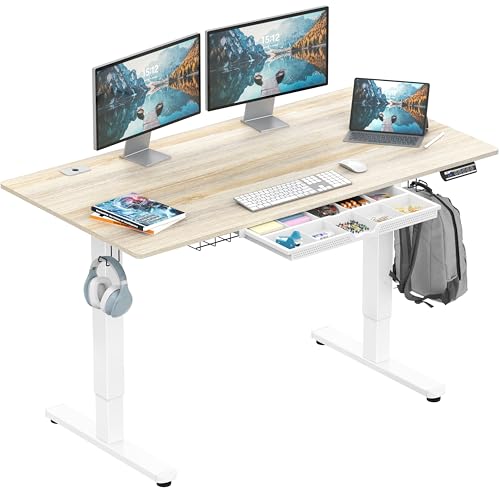
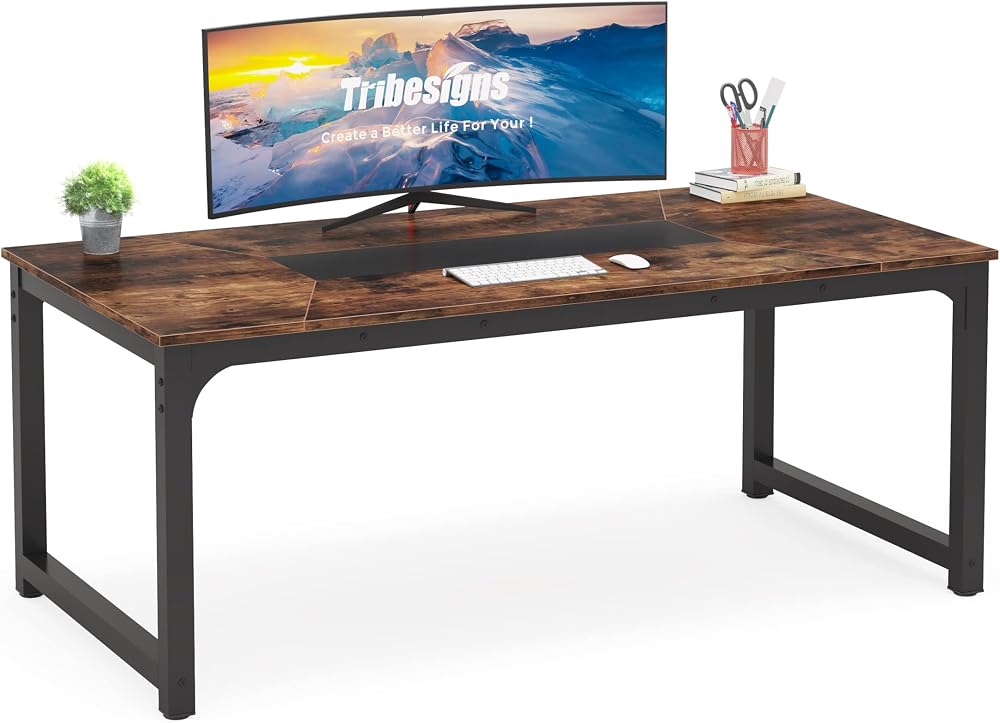
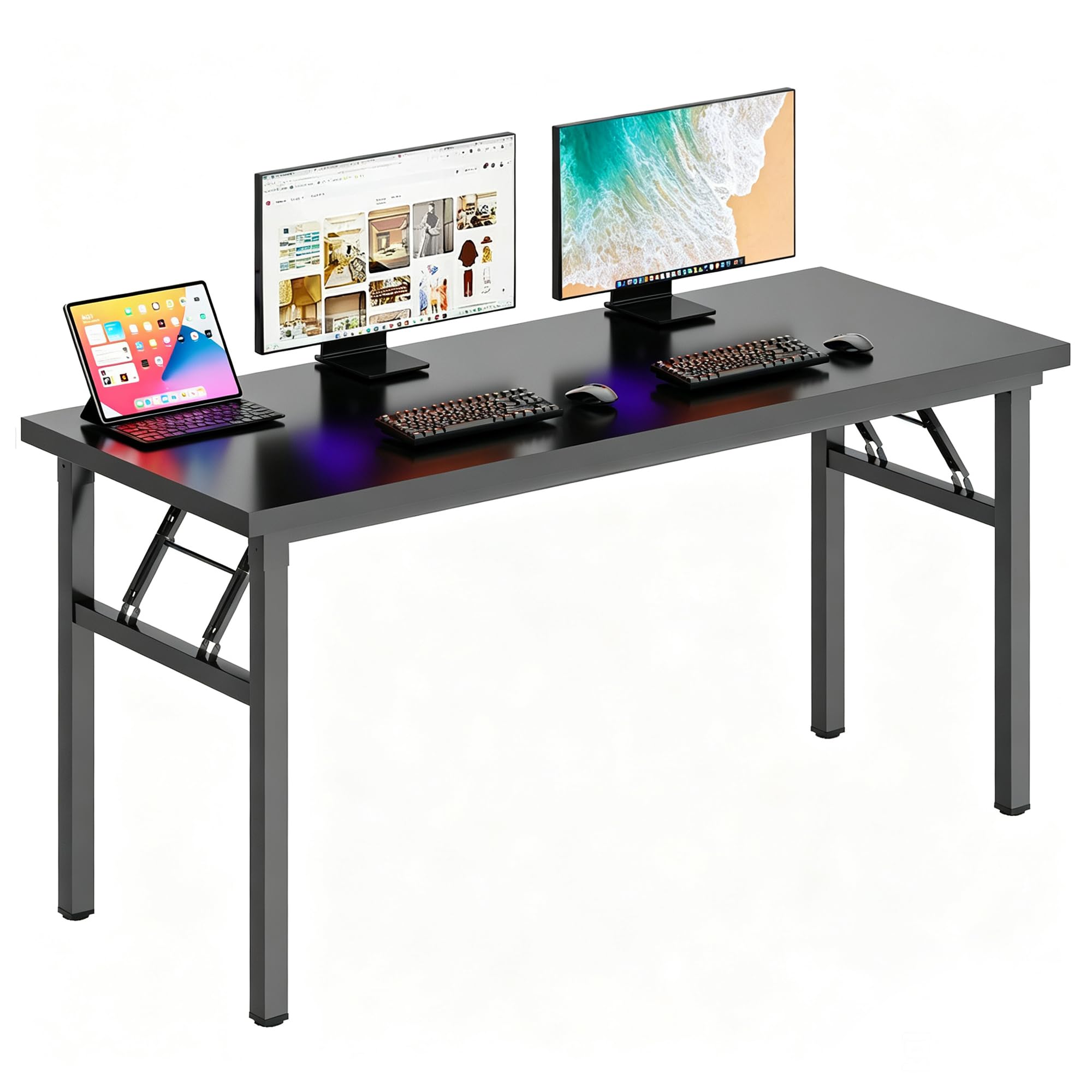
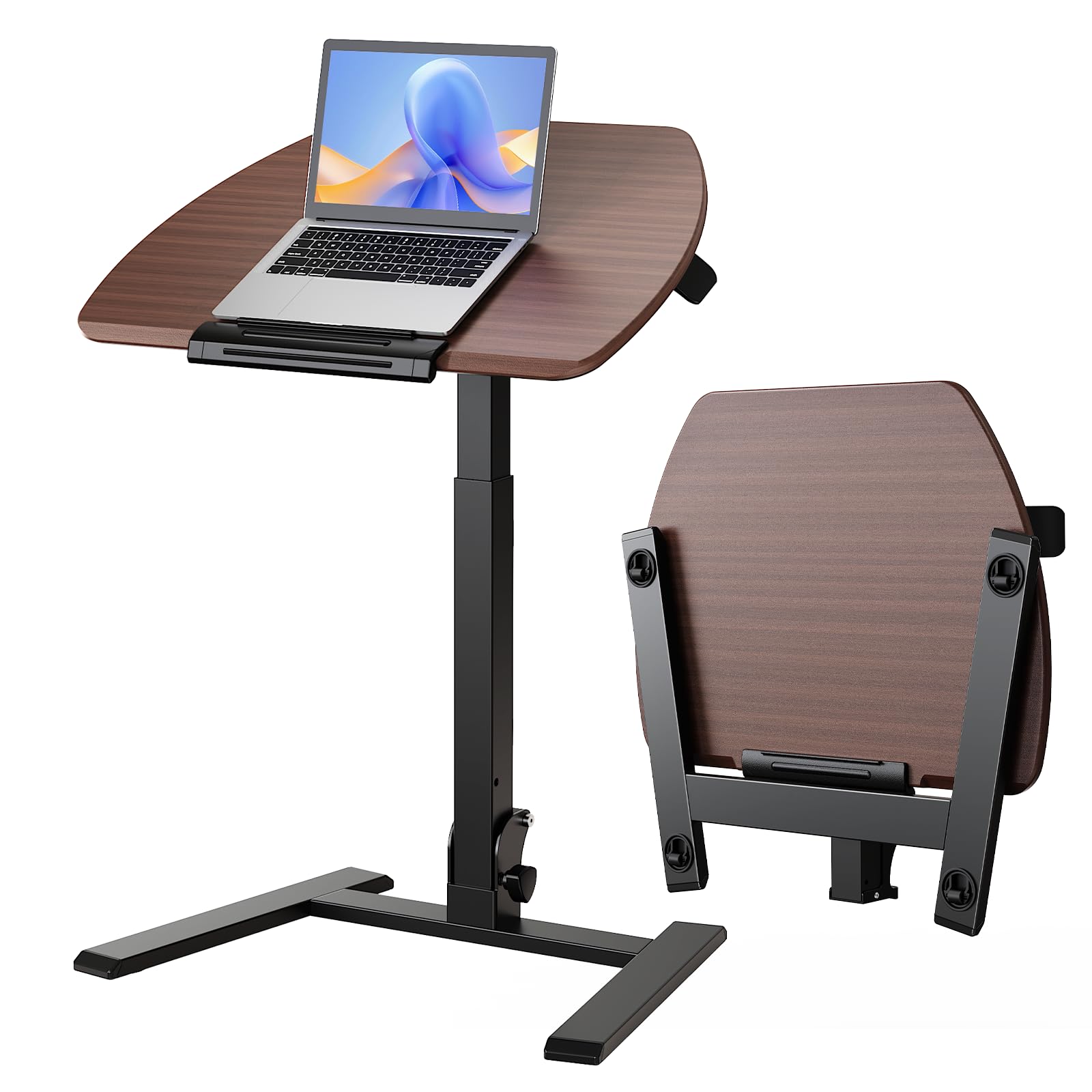
Some desks arrive fully built, while others arrive with the frame joined and only the legs or a drawer unit left to attach. The product table pulls the key options together, and the sections after it explain how to read the details that listings often rush past.

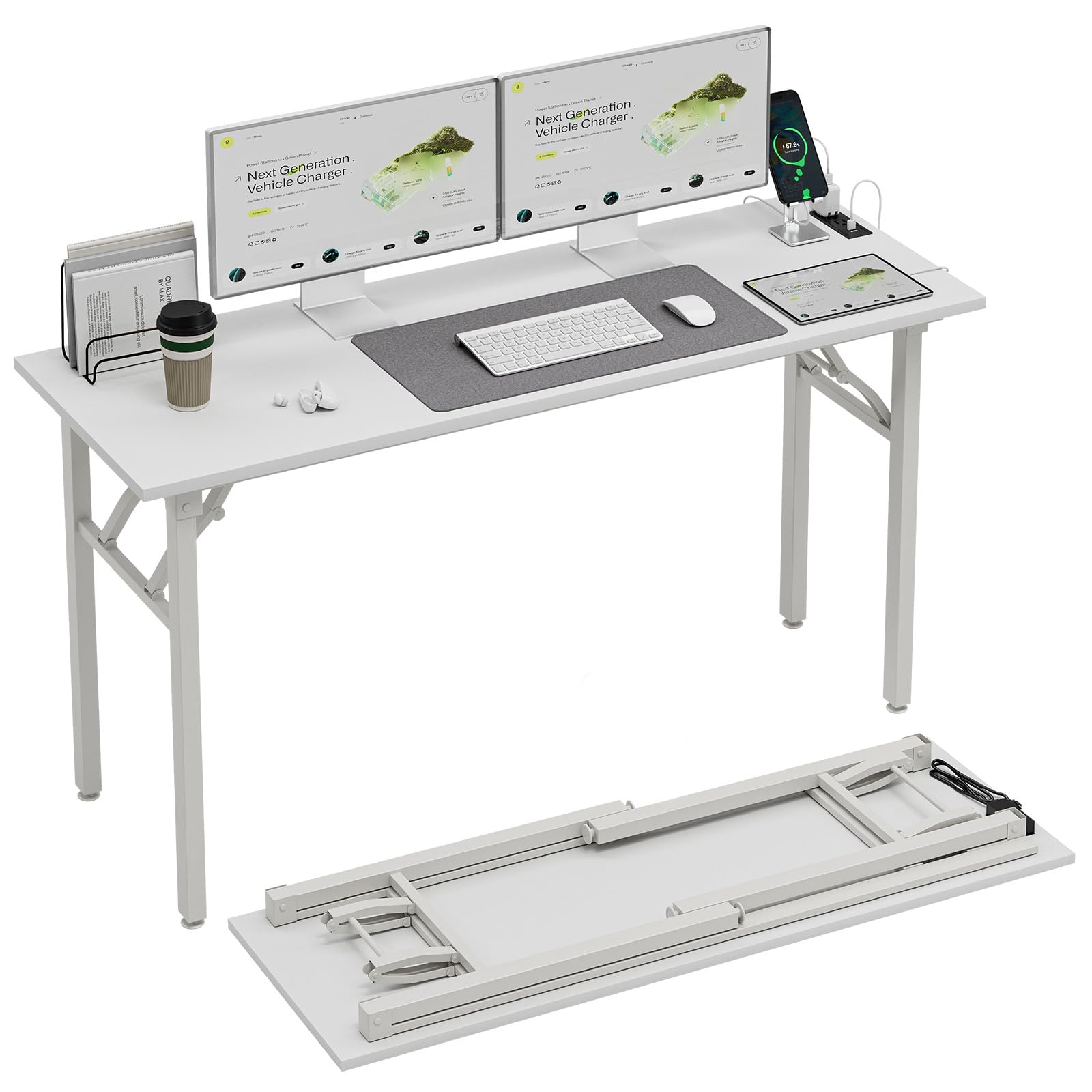


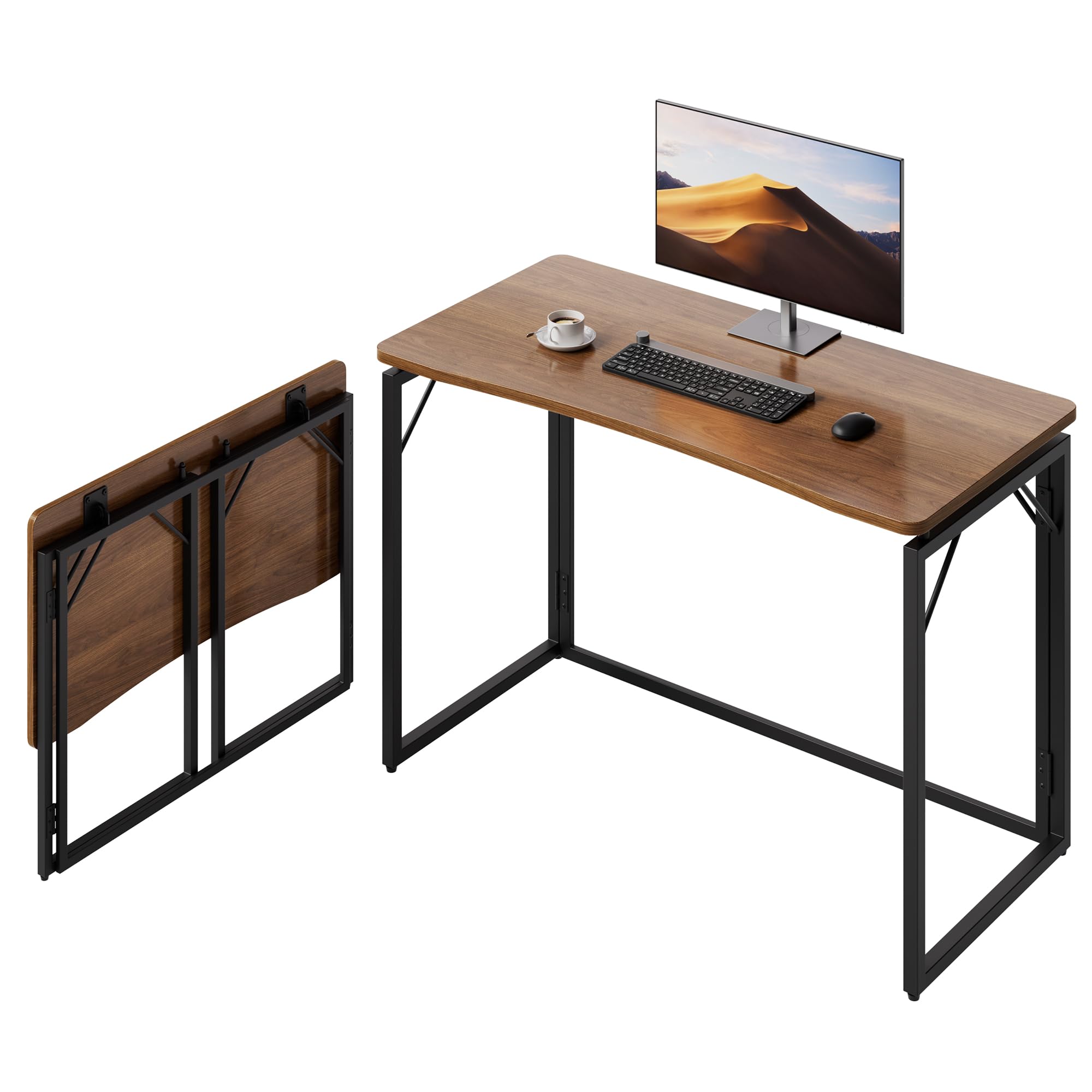
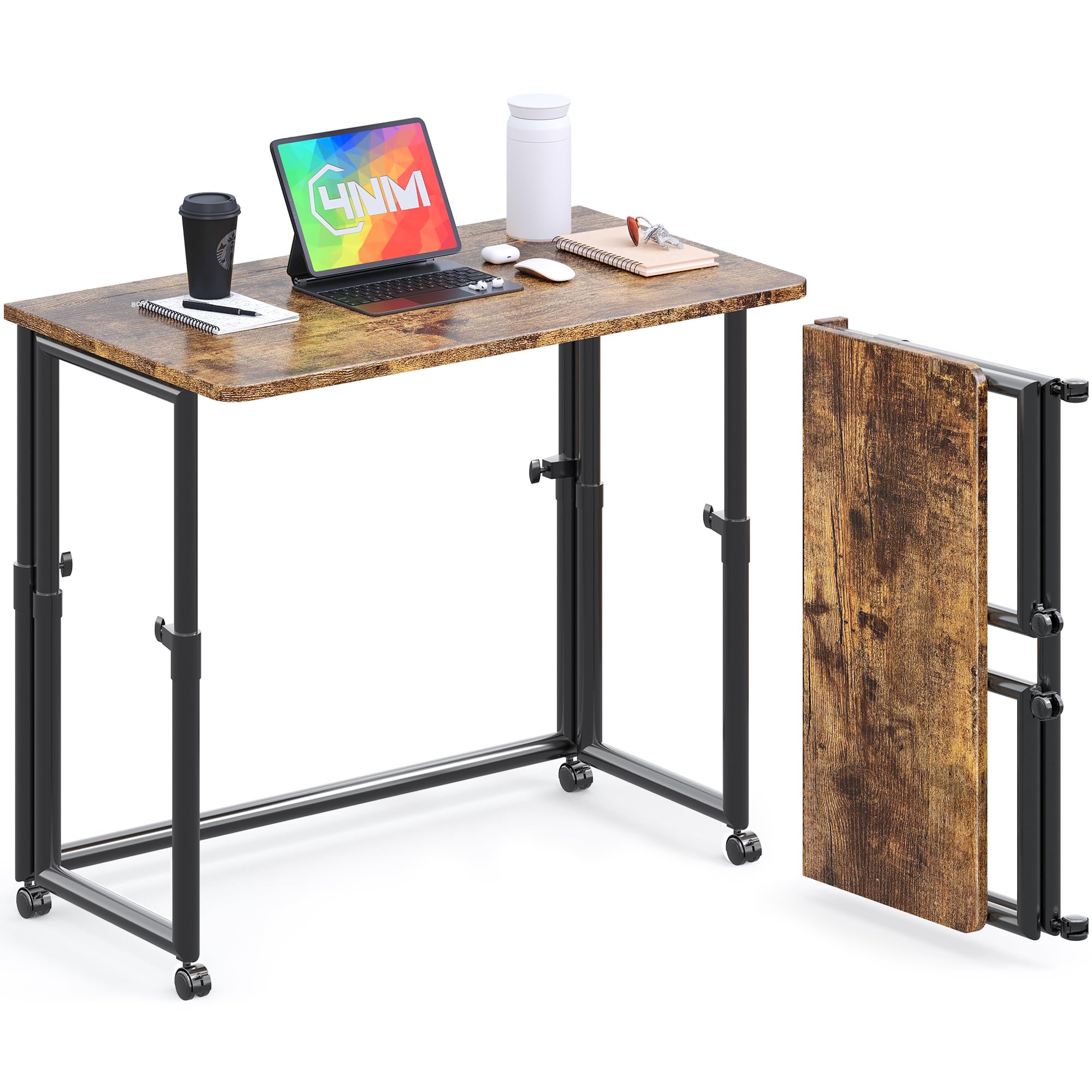

What Each Price Tier Usually Delivers
Price tiers for assembled desks say less about style than about frame material, top thickness, and how much of the build the seller truly finished before shipping. Use the tiers below as expectations, then confirm each point on the listing you are considering.
Mid-Range Tier
The mid-range sweet spot usually pairs a steel frame with a top around one inch thick and a stated weight capacity that comfortably covers two monitors, a laptop, and books. Expect clean cable routing, level glides on the feet, and packaging that protects corners in transit. Desks in this tier suit most home offices because they balance sturdiness with a price that still feels sensible, and they tend to hold up well when you move them between rooms.
Budget Tier
Budget desks cut cost through simpler tops, often a thinner board with a laminate finish, and fewer extras such as drawers or cable trays. That trade off is fine for a single laptop setup or a writing desk in a bedroom. Check the stated weight capacity carefully, because a light frame that flexes under a monitor arm will annoy you every day. A budget desk with honest specs beats a fancier listing with vague numbers.
Premium Tier
Premium assembled desks add thicker tops, stronger steel, quieter drawer hardware, and finishes that resist scratches and coffee rings better. Some include a solid wood top, which brings warmth and weight along with a higher delivery cost. This tier makes sense when the desk anchors a client facing office or doubles as a shared family workstation. You are paying for surface durability and frame rigidity, not for a logo, so judge the materials list rather than the styling photos.
How to Choose the Best Assembled Desks: Buying Guide
Ergonomics and Adjustability
Desk height decides how the whole setup feels. A fixed top around 29 to 30 inches suits most adults when paired with a chair that adjusts, while taller or shorter users should look for adjustable legs or a height range in the specs. Leave enough knee depth so your legs never press against a drawer unit. Your screen should sit at arm length with the top of the display near eye level, which may call for a monitor riser on a standard desk.
Build Quality and Frame
A rigid frame matters more on an assembled desk because you cannot tighten your way out of a weak design. Steel legs with cross supports resist side to side wobble, and a stated weight capacity of about 150 lb or more signals a frame built for real equipment. Check the listing photos for clean welds and thick mounting plates where the legs meet the top. If you plan to clamp a monitor arm, confirm the top edge is solid at the clamp point.
Assembly and Delivery
Read the delivery description word for word. Fully assembled can mean the desk ships in one large box that needs two people and a clear path through doors and stairs, so measure your hallway and stairwell turns before ordering. Partly assembled models ship flatter and are easier to carry, but you will still attach legs or a modesty panel. Ask whether the carrier brings the box inside or leaves it at the curb, and keep the packaging until you have inspected every corner.
Warranty and Return Policy
Shipping a built desk is hard on edges and joints, so the return policy matters as much as the warranty. Look for a clear window for reporting transit damage and a seller who sends replacement parts rather than demanding a full return. Frame coverage of several years is common in higher tiers, while surface coverage is often shorter. Save your order confirmation and photograph the desk on arrival, since dated photos make any claim far simpler.
Comfort and Daily Use
Comfort at a desk comes from small details. A smooth edge profile keeps forearms happy during long typing sessions, and a matte finish cuts glare from windows and lamps. Think about where your feet land, because a low crossbar can steal legroom. If you write by hand as well as type, choose a surface with enough depth for a notebook in front of your keyboard, usually about 24 inches or more.
Materials and Surfaces
Tops come in solid wood, engineered wood with veneer, and laminate over a dense core. Solid wood feels warm and can be refinished, but it costs more and weighs more. Veneer gives a real wood look at a lower price, while quality laminate shrugs off spills and is easy to wipe clean. Readers comparing surface grades across price points may also find our guide to the best quality desks useful, since the same material grades show up in both assembled and flat packed lines.
Types of Assembled Desks
Budget Models
Budget models keep the shape simple: a rectangular top, four legs or a light panel frame, and little storage. They suit students, spare rooms, and anyone setting up a first workspace without a big commitment. The main limits are lower weight capacity and thinner tops, so keep the load light and skip heavy clamp mounts. For a small footprint brief, our notes on the best tiny desks show how compact frames handle tight corners.
Compact and Space Saving Models
Compact assembled desks trade width for smart details such as a raised shelf, a side tower stand, or a fold down section. They work well in apartments and shared bedrooms where the desk must coexist with everything else. Measure the wall run and the chair space behind it, not just the desktop, because a desk that fits the wall can still crowd the room. A compact frame with a cable tray keeps a small area from looking cluttered.
Ergonomic Models
Ergonomic assembled desks focus on posture: height adjustable legs, deeper knee space, and tops wide enough for a screen at a healthy distance. Some add a gently curved front edge that lets you sit closer without leaning. Pairing matters here, and readers building a full setup can see our guide to the best ergonomic desk chairs for seat heights that match common desk heights. Choose adjustability you will actually use daily, not features you will set once and forget.
Setting Up the Rest of the Workspace
A desk is only the base. Lighting shapes how long you can work without eye strain, so place the desk where daylight comes from the side rather than behind your screen. If your room lacks good natural light, our guide to the best desk lamp covers brightness and color temperature in plain terms. Computer users who need room for a tower, dual screens, and a full size keyboard may prefer the layouts in our guide to the best pc desks, which favor deeper tops and stronger frames.
Care and Maintenance Tips
- Wipe the top weekly with a soft cloth and mild cleaner, and lift objects instead of sliding them so the finish stays smooth.
- Check the leg bolts and mounting screws every few months, since a built desk can loosen slightly during its first weeks in a new room.
- Use coasters and a desk mat under hot mugs and heavy equipment to protect the surface from rings and dents.
- Keep solid wood tops out of constant direct sunlight, which can fade one side faster than the other.
- Level the feet after any move, because a small wobble left alone will work joints loose over time.
Frequently Asked Questions
Is an expensive assembled desk worth it?
It can be, when the extra money buys a thicker top, a steel frame, and a finish that resists daily wear. Those gains show up in stability and lifespan rather than looks alone. If you only need a light laptop station, a budget desk delivers the same daily function for far less, so match the spend to the load and the years you expect to keep it.
How do I choose the right desk size?
Start with your equipment: a laptop alone fits a top about 40 inches wide, while dual monitors usually need about 55 inches or more. Then measure the room, leaving about 30 inches behind the desk for your chair and walking space. Depth of about 24 to 30 inches keeps screens at a comfortable distance. Tape the footprint on the floor and sit in it before you order.
How long should a good assembled desk last?
A well built desk with a steel frame and a dense top should serve for a decade or more of daily use. Laminate tops may show edge wear sooner, and solid wood can last far longer with basic care. Longevity depends on load and moves: desks that are dragged rather than lifted, or kept over capacity, age fastest. Tightening hardware yearly adds years of steady service.
What features matter most for long work hours?
The right height, a stable frame, and enough depth for a screen at arm length matter most. A smooth front edge and a matte surface reduce strain over a full day. Storage and styling extras help far less than these basics. If you sit for long stretches, budget for a supportive chair and a lamp you can aim, because the desk alone cannot fix posture or lighting.
The Bottom Line
Measure your space, match the frame and top to the load you will place on it, and read the delivery terms before you pay. Those three checks filter out most bad buys. When you are ready to compare, the product table lines up the best assembled desks side by side so you can confirm size, capacity, and materials at a glance.