Best Asphalt Driveway Sealers: Every Type Explained Side by Side for 2026
Disclosure: We may earn a commission when you buy through links on this page, at no extra cost to you. As an Amazon Associate I earn from qualifying purchases. Learn more
Homeowners comparing the best asphalt driveway sealers can weigh type, coverage, cure time, and cost to match their driveway and budget.
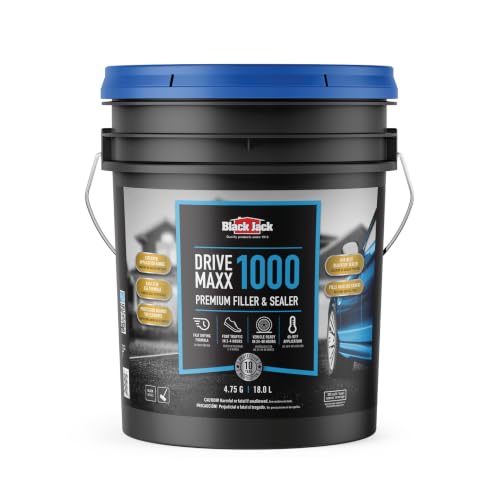
Choosing among the best asphalt driveway sealers can feel confusing because the products look similar in the bucket but behave very differently once they are on the ground. Some sealers focus on deep color and a thick protective coat, while others focus on easy cleanup, fast drying, or a thinner finish that wears more evenly. The comparison table below lays out the main types side by side so you can see the tradeoffs before you buy.
This guide compares sealer types by coverage, durability, application method, cure time, and cost. It also explains how to match a sealer to the age and condition of your driveway, how much product to buy, and which safety steps matter most.

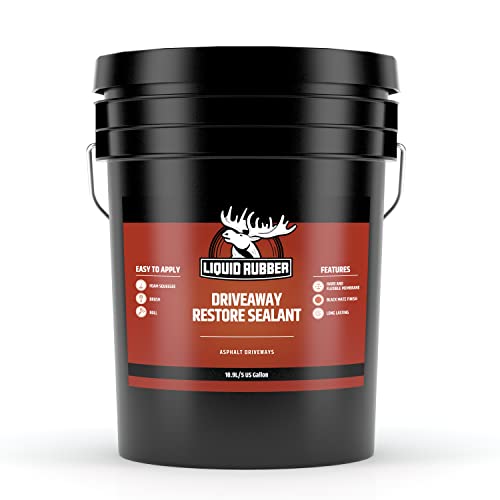
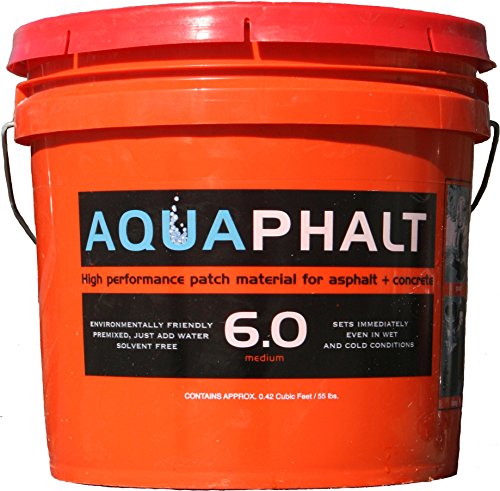

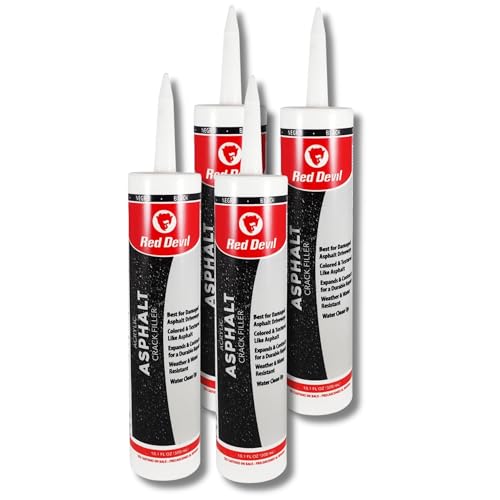
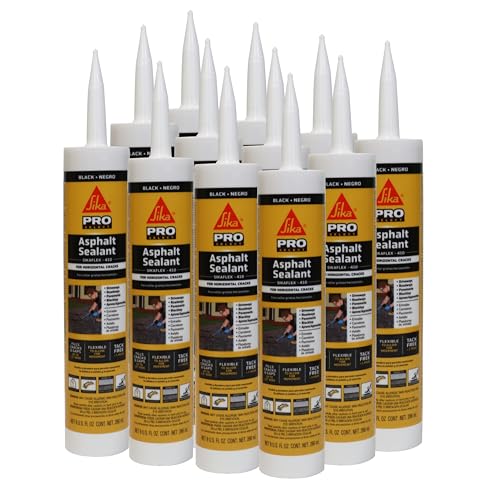

Types of Asphalt Driveway Sealers Compared
| Type | Best For | Pros | Cons | Typical Price |
|---|---|---|---|---|
| Coal tar based | Older driveways that need strong color | Deep black finish, strong wear resistance | Strong odor, longer cure time | About $25 to $45 per bucket |
| Asphalt emulsion | Most home driveways | Good balance of cost and performance | Needs clean dry weather to cure well | About $20 to $40 per bucket |
| Acrylic | Decorative areas and light traffic | Fast drying, many color options | Thinner coat, shorter service life | About $30 to $55 per bucket |
Coal Tar Based Sealers
Coal tar based sealers have been used for many years on asphalt driveways, and they are known for a deep black finish that makes an older surface look renewed. The coat tends to be thick and tough, which helps it stand up to daily car traffic. Many buyers choose this type when appearance matters, because the dark color hides stains and patchy wear better than a thinner product.
The tradeoffs are real, and they should shape your decision. Coal tar products usually have a strong odor during application and curing, so they are best applied when windows can stay closed. They also need more drying time before cars return, and cleanup often requires a solvent rather than plain water.
Asphalt Emulsion Sealers
Asphalt emulsion sealers use asphalt as the main binder, suspended in water so the product spreads smoothly and cleans up with water while it is still wet. This type offers a good middle ground for most home driveways, with solid protection against water, sunlight, and everyday wear at a moderate price.
Application is straightforward for a careful first time user, since the product can be brushed or spread with a squeegee in thin even coats. Two thin coats usually look better and last longer than one heavy coat, because a thick coat can crack or peel as it cures. Weather matters a great deal, so plan for warm dry days with no rain in the forecast for at least a full day after application.
Acrylic Sealers
Acrylic sealers are water based products that dry quickly and are available in a wider range of colors than most asphalt sealers. They suit decorative driveways and areas where a specific color matters, and they are often chosen for light traffic areas. Cleanup is simple, and the fast drying time makes them appealing when a surface must reopen the same day.
The main limit is durability under heavy use. An acrylic coat is usually thinner than a coal tar or emulsion coat, so it may wear faster where tires turn or where cars park every day. For a decorative area with light traffic, the color range and quick drying time can outweigh the shorter service life.
Coal Tar Based Sealers Compared With Asphalt Emulsion Sealers
The most useful comparison for most buyers is between coal tar based and asphalt emulsion sealers, because these two types cover most home driveways. Coal tar usually wins on color depth and wear resistance, while emulsion usually wins on easier cleanup, milder odor, and a simpler application process. Cost is close enough that price alone should not decide the choice.
Choose coal tar when your driveway is older, patchy, or stained and you want the strongest visual renewal. Choose emulsion when you want a balanced product that is easier to apply and clean up. If you need the driveway back sooner, emulsion is the more practical pick.
How to Choose the Right Asphalt Driveway Sealer
Start with the condition of your driveway rather than the label on the bucket. A new driveway should cure before sealing, usually for several months, while an older driveway with cracks and stains needs cleaning and crack repair first. No sealer will fix a structural problem, and sealing over loose material will shorten the life of any coat.
Coverage and Working Range
Coverage is usually stated in square feet per bucket, but the real number depends on how rough and porous your surface is. Measure length and width, multiply to get square footage, and add extra for a second coat and for waste. Buying a little extra is cheaper than stopping halfway through a coat.
Durability and Wear Resistance
Durability depends on the binder, the thickness of the coat, and how much traffic the surface carries. A coat that is too thick can crack, so two thin coats are usually the safer approach. Turning tires wear a surface faster than straight driving, so pay attention to the areas where cars turn into a garage.
Application Method
Most home sealers are applied with a brush, a squeegee, or a roller, and each method suits a different surface. A squeegee spreads product quickly on a large flat driveway, while a brush works better along edges and tight spots. Work in small sections and keep a wet edge so the finish stays even.
Safety Features and Safe Handling
Safety starts with the label, so read the safety guidance on the product you buy and follow the manufacturer's instructions closely. Wear eye protection, gloves, and shoes you do not mind staining, and keep children and pets away until the surface is fully cured. Work in fresh air, since sealer fumes can be strong, and never mix bleach with ammonia or acids when cleaning before sealing.
Setup and Care Tips
Preparation matters more than the brand of sealer you choose. Sweep the surface clean, remove loose material, and wash away dirt and oil spots so the sealer can bond. Fill cracks and let repairs cure before sealing, and block the driveway so no one walks or drives on the fresh coat.
After sealing, care is simple but worth doing. Keep the surface clean, sweep away grit that can wear the coat, and avoid harsh chemicals that can break it down. Recoat when the color fades or water stops beading, rather than waiting until the surface looks bare.
You can see our guide to the best driveway sealer for a broader look at driveway products. For a surface that is not asphalt, see our guide to the best concrete sealer before you buy.
Frequently Asked Questions
How often should I seal an asphalt driveway?
Most asphalt driveways benefit from a new coat every two to three years, but the right interval depends on traffic, climate, and how well the last coat was applied. A driveway that sees daily traffic and harsh winters may need recoating sooner, while a lightly used driveway in a mild climate may last longer. Watch for fading color and water soaking in rather than beading, since those signs show the protection is wearing thin.
Can I seal over an old coat of sealer?
Yes, you can usually seal over an old coat if the old coat is still bonded well and the surface is clean. Sweep and wash the driveway first, and remove any loose or peeling material so the new coat can bond well. Two thin coats over a sound old coat usually give a more even finish than one heavy coat.
What weather is best for sealing a driveway?
Warm dry weather is best, with daytime temperatures above the minimum stated on the product label and no rain expected for at least a full day after application. Cool damp weather slows curing and can leave a soft coat that wears quickly. Early morning on a warm dry day is often a good start, because it gives the coat time to set before evening dew.
Do I need to repair cracks before sealing?
Yes, cracks should be cleaned and filled before sealing, because sealer is a surface coat and not a crack repair product. Wider cracks need a proper filler so water cannot get under the coat, and filler should cure as the label directs before sealing over it. Skipping this step is a common reason a new coat fails early.
Is a thicker coat always better for a driveway?
No, a thicker coat is not always better, because a coat that is too thick can crack, peel, or cure unevenly. Two thin even coats usually protect better than one heavy coat, since each coat can bond and cure properly. Follow the coverage rate on the label, and use a second coat for a rough porous surface.
The Bottom Line
The best asphalt driveway sealers for your home depend on your surface, your schedule, and how much traffic the driveway carries. Coal tar gives deep color and strong wear, emulsion gives a balanced and easier project, and acrylic gives fast drying and color choice for lighter use. Measure carefully, prepare the surface well, and apply two thin coats in good weather. Check the product table once more before you order, and choose the type that fits your driveway rather than the one with the boldest label.