Best Artist Desks 2026: A Buying Guide
Disclosure: We may earn a commission when you buy through links on this page, at no extra cost to you. As an Amazon Associate I earn from qualifying purchases. Learn more

Artist desks need tilt, size, and storage that suit long sessions. Learn how to judge ergonomics, surface, and lighting before you buy. Shop confidently.
The best artist desks have a tilting surface, room for paper and tools, and a height that keeps your neck and shoulders comfortable during long sessions. This guide explains tilt, size, storage, and lighting so your workspace supports your art rather than fighting it. The product table below brings together the main options so you can compare features side by side.
Artist desks suit painters, illustrators, and designers who work on paper or a drawing tablet for hours. They are a poor fit if you mainly work on a laptop at a standard desk, because a tilting top and specialized storage add cost without benefit.




Who Should Buy These and Who Should Skip Them
Start with how you will use your desk most days, not with the longest feature list. A product that matches your main use will feel right quickly, while a product chosen for rare extras often disappoints in daily use.
Think about your space, your budget, and how long you expect the product to last. The product table summarizes the main choices, and the sections below explain each factor so you can weigh trade offs with confidence.
Types to Compare
Different types of artist desks suit different routines, so compare them by how you will actually use the product. The descriptions below focus on practical differences you will notice in daily use.
Tilting drafting desks
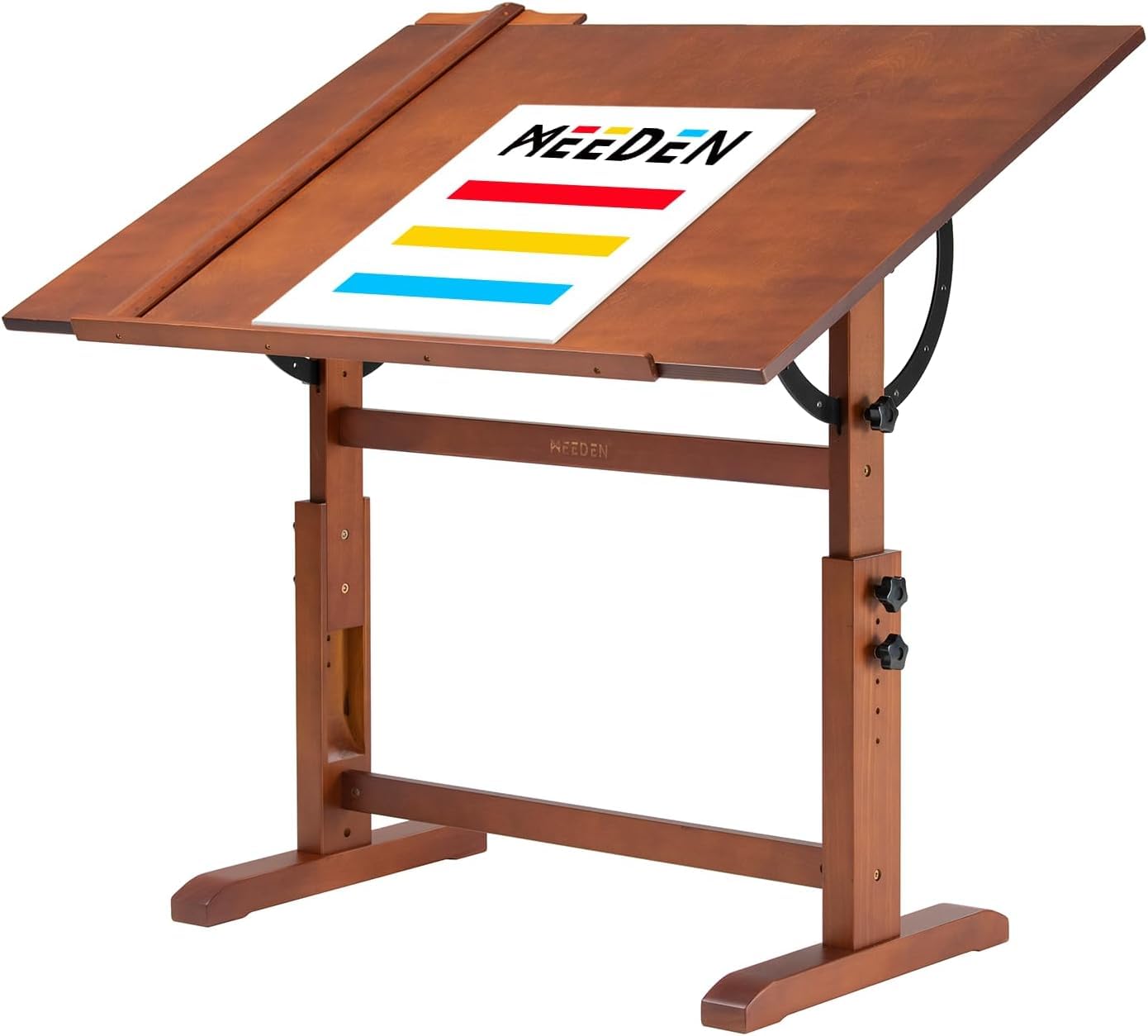
A tilting top lets you work at an angle that reduces neck strain and keeps paper in view. Look for a smooth tilt mechanism that locks firmly, because a top that slips mid session will ruin work.
Flat studio desks
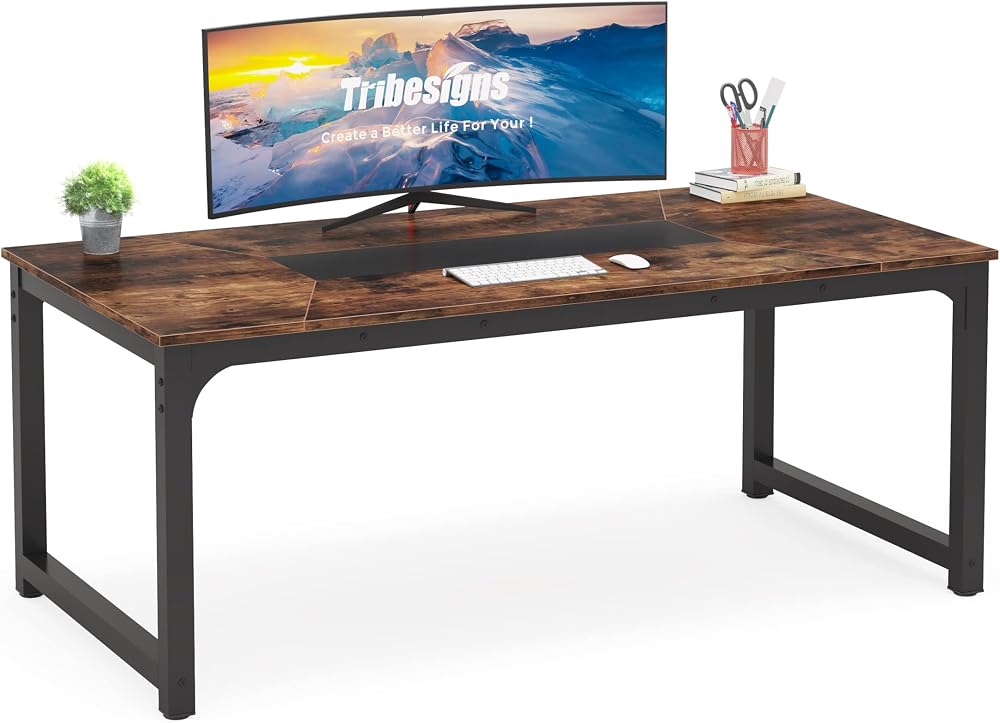
A flat desk suits large paper, cutting mats, and mixed media work that needs a level surface. It needs more floor space, but it doubles as a general work desk when you are not drawing.
Sit stand artist desks
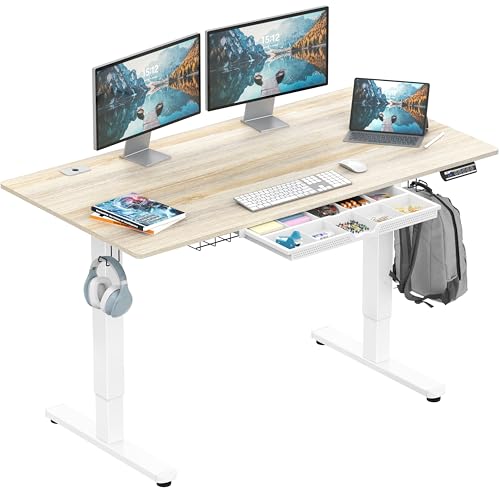
A sit stand desk lets you alternate sitting and standing, which helps during long sessions. Check the height range and stability at full height, because a wobbly desk at standing height is worse than a fixed desk.
Compact artist desks
A compact desk fits a small room or corner and suits tablet drawing and sketching. It limits paper size and tool storage, so measure your largest paper and your tablet before choosing.
Desks with storage
Built in drawers and shelves keep pencils, paints, and paper within reach. Check drawer depth for your longest tools, and avoid a desk where storage blocks leg room or forces an awkward sitting position.
Key Features Explained in Plain Language
Feature lists can hide what matters, so this section explains each key feature in plain language. Use it to shortlist products that meet your needs, then check the remaining details before you order.
Tilt range and lock
A tilt range up to about 45 degrees covers most drawing, while a steeper tilt suits calligraphy and watercolor. The lock must hold the top firmly under the weight of paper, a board, and your resting hand.
Surface size
Choose a surface larger than your biggest paper size, with room for a palette or tablet beside it. A surface that just fits the paper leaves nowhere to rest tools, so work spills onto nearby furniture.
Height and ergonomics
The desk height should let your elbows rest near 90 degrees when seated, with feet flat on the floor. An adjustable height desk helps if several people share the desk, or if you switch between sitting and standing.
Material and durability
A hardwood or metal frame lasts longer than a light particle board desk that wobbles under pressure. Check the surface for water resistance if you use wet media, and choose a surface you can clean without damage.
Lighting and accessories
Good lighting matters as much as the desk itself, so leave room for a lamp that does not cast shadows across your work. A pencil ledge, paper clips, and a side table for water jars keep the main surface clear.
Mistakes to Avoid
Most disappointing purchases come from a few common mistakes, not from a single bad product. Avoiding them saves time, money, and the hassle of a return.
- Buying a desk too small for your largest paper size.
- Choosing a tilt mechanism that slips under the weight of your hand.
- Ignoring leg room, then sitting awkwardly for hours.
- Forgetting lighting, which matters as much as the desk surface.
Setting Up and Getting the Most From Your Choice
Keep the desk surface clean, wipe spills promptly, and tighten tilt locks and legs every few months. Organize tools in drawers or a side caddy so the main surface stays clear, and adjust height and tilt whenever you switch tasks rather than working in discomfort.
Related Guides Worth Reading
If you are still comparing options, these related guides cover nearby choices that readers often consider alongside best artist desks: best desks for digital artists, best desk chairs for artists, best quality desks and best tiny desks. Each guide focuses on a different use or audience, so you can narrow your shortlist without starting your research again.
Frequently Asked Questions
What size artist desk do I need?
Choose a desk larger than your biggest paper size, with extra room for tools and a palette beside the work. A 120 cm wide desk suits A3 paper comfortably, while larger canvas work needs more width. Measure your room and your largest paper before ordering, and leave walkway space around the desk.
Is a tilting desk worth it?
A tilting desk is worth it if you draw, paint, or letter for long sessions, because it reduces neck strain and keeps work in view. It is less useful for flat work such as cutting, collage, or computer work, where a level surface matters more. Choose a desk with a firm lock and check the tilt range before buying.
Should I choose a sit stand artist desk?
A sit stand desk helps if you work for many hours and want to alternate posture, which can ease back and neck fatigue. Check stability at standing height and the height range for your body, because a wobbly desk harms precision work. If you work short sessions, a fixed height desk with a good chair may be enough.
How do I light an artist desk?
Use a daylight lamp positioned to the side of your dominant hand, so your hand does not cast a shadow over your work. Avoid overhead light directly behind you, which creates glare on paper and screens. A lamp with adjustable brightness and color temperature helps for both daytime and evening sessions.
What storage should an artist desk have?
Shallow drawers suit pencils and brushes, deeper drawers suit paint tubes and sketchbooks, and a side shelf suits paper stacks. Avoid storage that blocks leg room or forces you to twist to reach tools. A separate small caddy for daily tools often works better than a desk crowded with built in compartments.
Final Thoughts
The right choice among best artist desks is the one that fits your main use, your space, and your budget, not the one with the longest feature list. Compare the product table, check the features that matter for your routine, and give yourself time to test the product in real use.
If you are still unsure, shortlist two options that meet your core needs and compare them on the factors in this guide. A careful choice now will serve you better than a rushed order.