Best Artificial Grass Soccer Shoes 2026: A Complete Buying Guide
Disclosure: We may earn a commission when you buy through links on this page, at no extra cost to you. As an Amazon Associate I earn from qualifying purchases. Learn more

Find artificial grass soccer shoes with the right outsole, fit, and grip for turf play, plus care tips that help your pair last through the season.
The best artificial grass soccer shoes need a different outsole from firm ground boots, because artificial turf grips, twists, and wears shoes in its own way. The right pair gives you traction for cuts and sprints without locking your foot so firmly that turns strain your knees.
The product table below sets out the main options, so you can compare outsole patterns, fit, and cushioning at a glance. This guide explains what to look for on turf, how to judge fit, and how to care for turf shoes after matches.

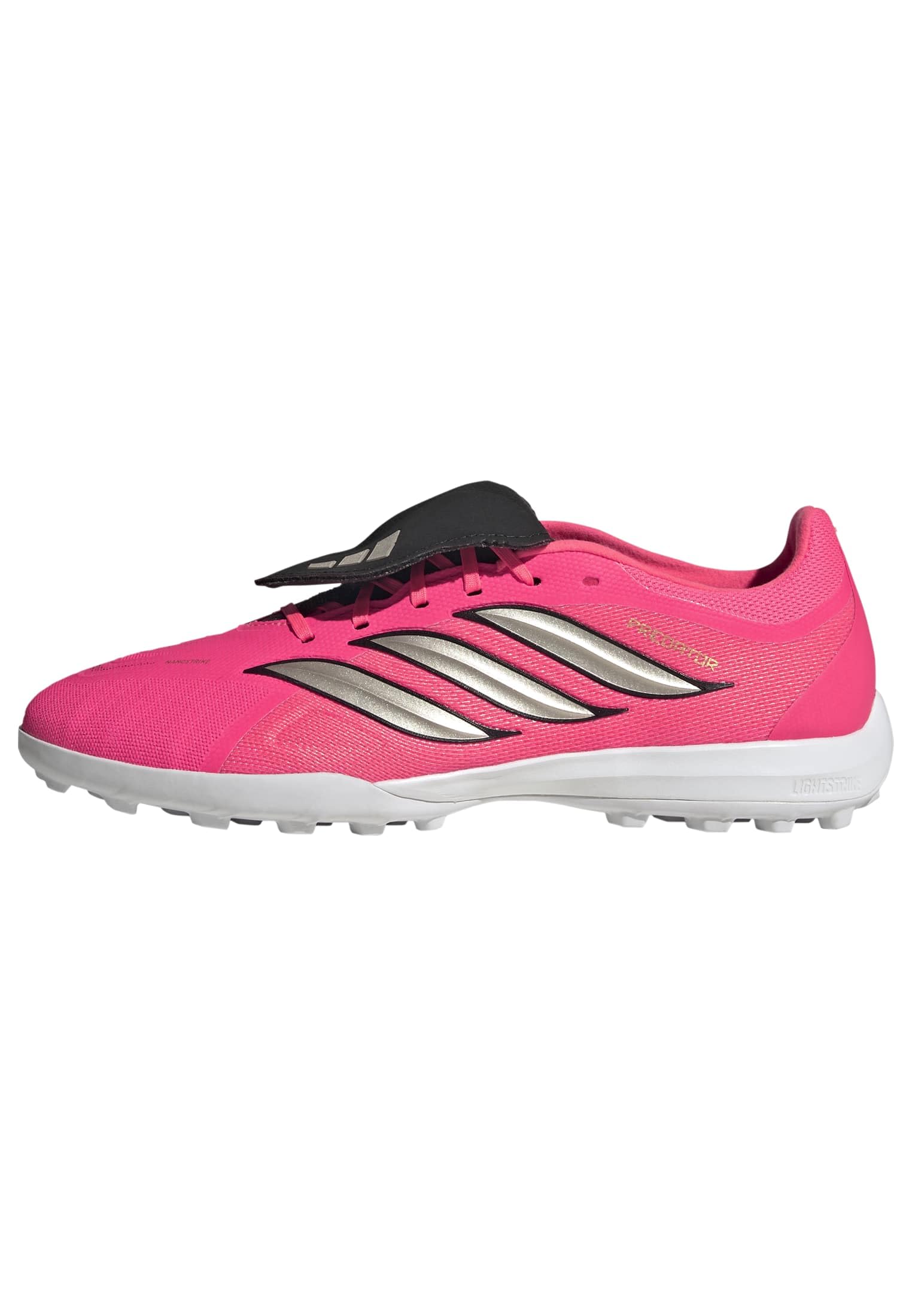


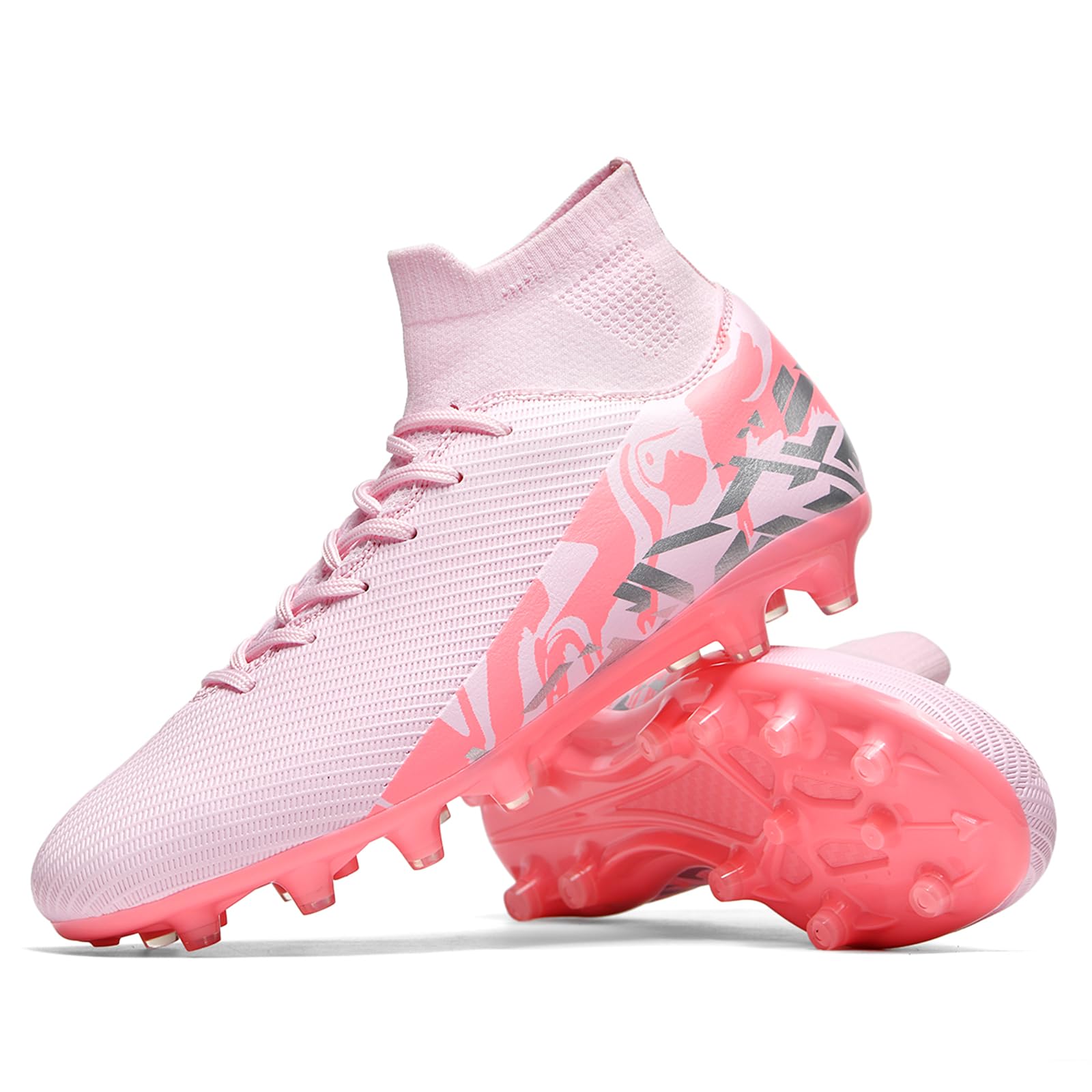
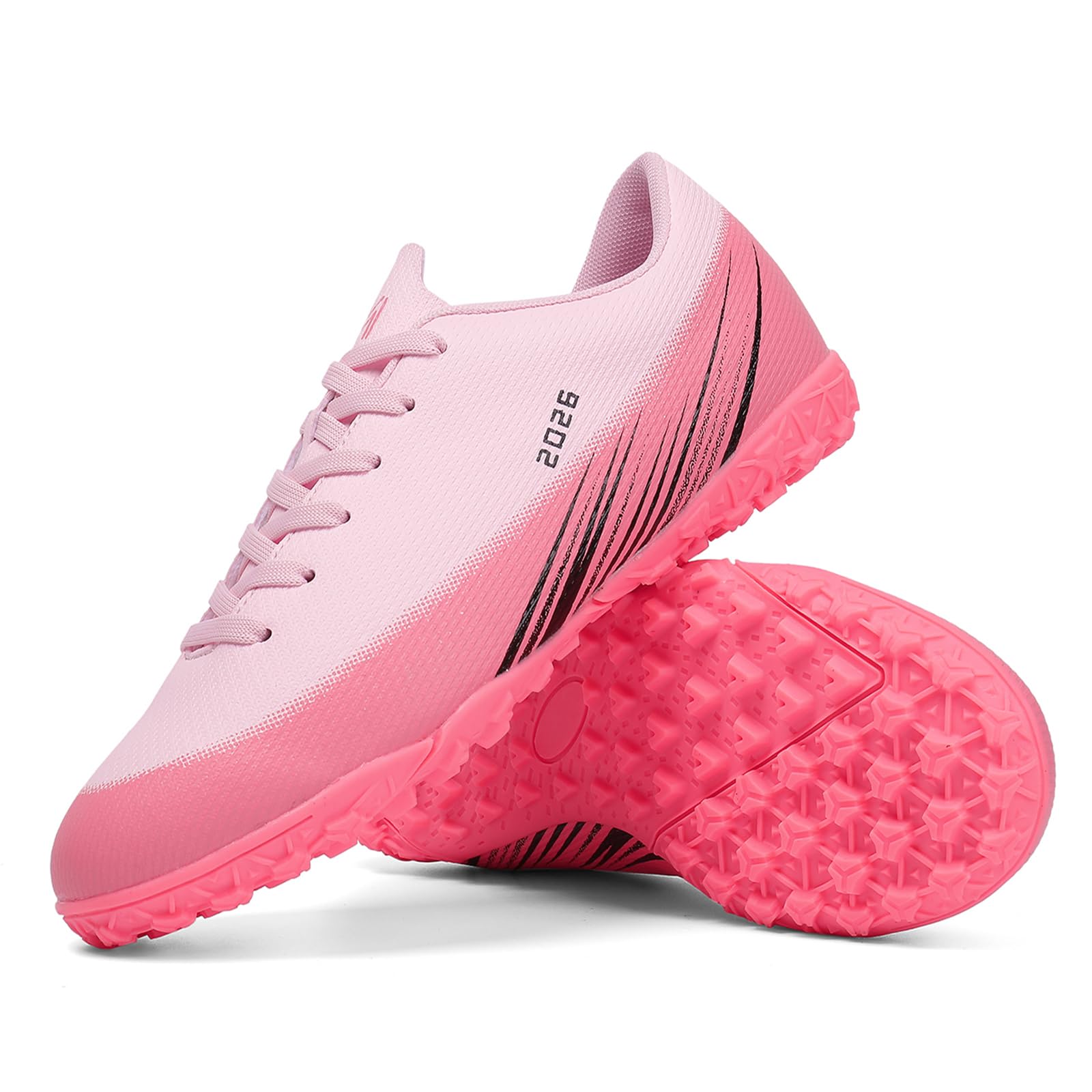

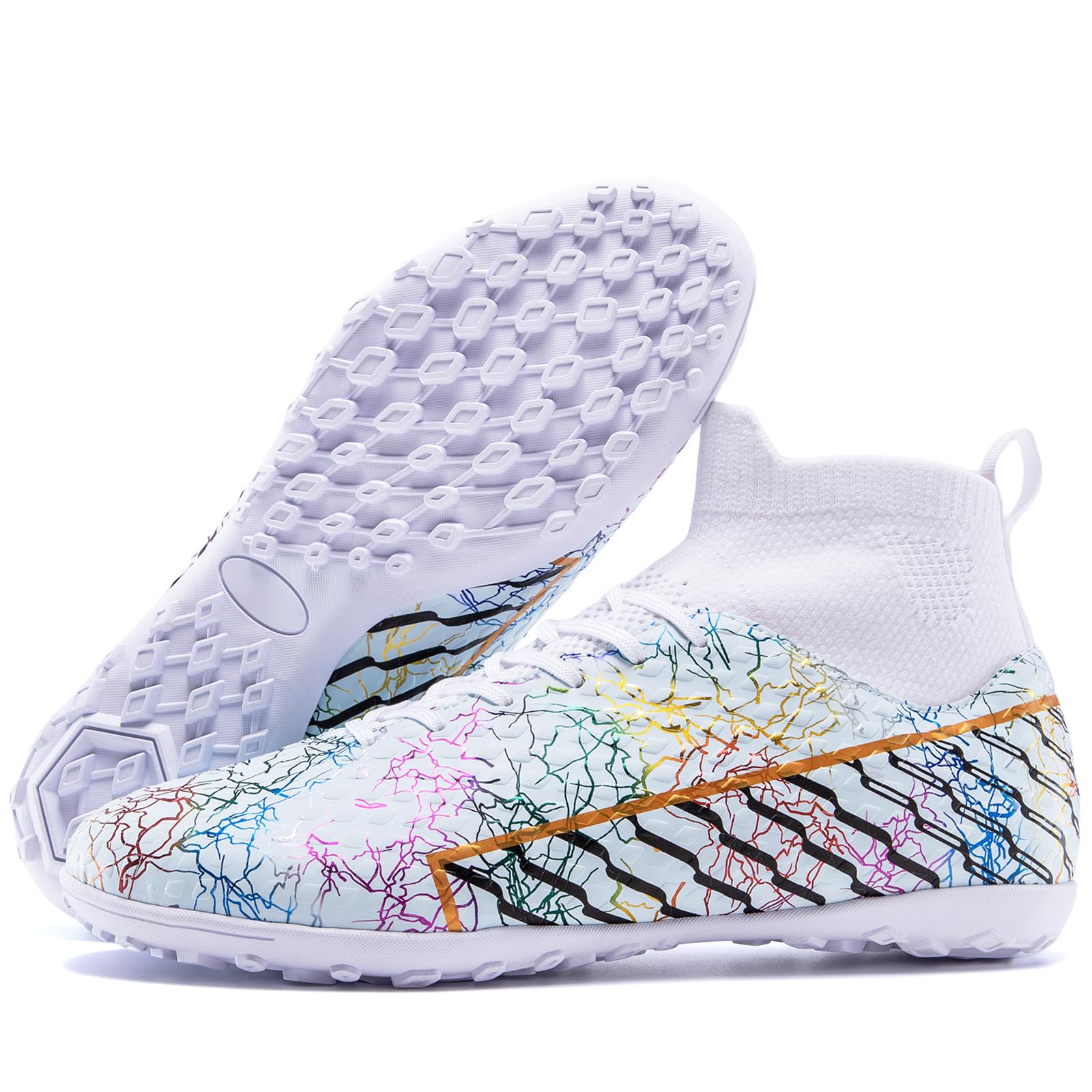
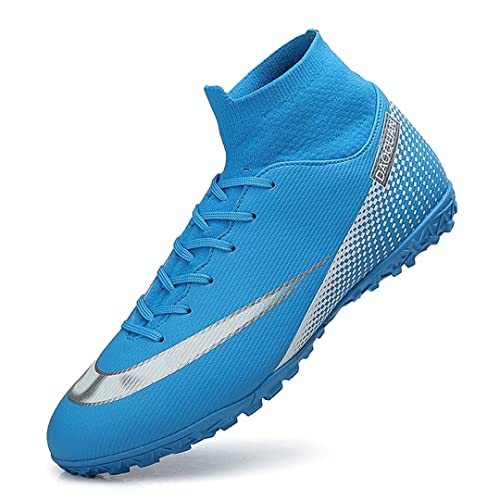
Turf surfaces vary too. Older carpet style turf, modern infill turf, and indoor turf each feel different underfoot, so a shoe that shines on one surface may feel slippery or harsh on another.
Outsoles Built for Artificial Turf
Turf outsoles usually use many small rubber studs or a patterned sole rather than long blades. That design spreads grip across the surface, so you can plant, cut, and sprint without the sudden catch that long studs can cause on synthetic grass.
Check stud shape and spacing before you buy. Short, hollow, or rounded studs tend to release more cleanly during turns, while dense patterns add grip for quick stops. If you play mostly on infill turf, a turf specific pattern is usually the safest choice.
Avoid firm ground boots with long blades on artificial turf unless the maker clearly states they suit that surface. Long blades can catch in the turf, raise injury risk, and wear faster on abrasive synthetic fibers.
Fit, Comfort, and Support
Fit matters more on turf than many players expect, because the surface rewards quick changes of direction. Measure your feet in the afternoon, leave a thumb width of room at the toes, and check that the heel stays locked when you cut sideways.
A related guide to best soccer shoes for artificial turf covers turf specific models in more depth, including how different outsoles behave on infill surfaces. Use it alongside this guide when you narrow your short list.
Cushioning should absorb repeated sprints without feeling mushy. A firm but forgiving midsole helps you stay quick, while a soft heel can feel slow on turf. Try the shoes with your match socks and insoles, not thin shop socks.
Players with wide feet should check toe box width carefully, since narrow turf shoes can pinch during lateral moves. Players with high arches may need extra arch support, and players with flat feet should look for a stable base that resists rolling inward.
Warning Signs and Foot Care
Stop and assess if you feel sharp foot or ankle pain, repeated ankle rolling, numbness, or swelling that does not settle after rest. Turf play loads feet and ankles heavily, and pushing through sharp pain can turn a small problem into a long layoff.
Warm up with light jogging, lateral shuffles, and ankle mobility work before matches. Strong calves and ankles, plus a gradual return after any layoff, protect you more than any single shoe feature.
Talk with your clinician if pain keeps returning, if you have a foot condition such as plantar fasciitis or flat feet, or if swelling and bruising follow a twist. A clinician can advise on support, taping, and whether a different shoe type suits your feet.
Care, Value, and Mistakes to Avoid
After play, brush off infill and dirt, air dry the shoes away from direct heat, and rotate pairs when you train often. Turf rubber and infill can wear soles faster than grass, so check studs regularly and retire shoes when grip fades unevenly.
A general guide to best soccer shoes helps you compare turf shoes with firm ground and indoor models, so you can see where turf shoes fit in a wider collection. Prices for turf shoes commonly range from about $40 to $150.
A common mistake is buying on looks alone and ignoring outsole type. Another is sizing down for a tight feel, which can cause blisters and toe pain during a full match. Fit for the second half, not just the first try on.
A Final Check Before You Order
Compare outsoles side by side with your current pair. Note stud shape, spacing, and wear patterns, since worn areas reveal where you load the shoe most. A new outsole should address those wear points, not repeat them.
Try the fit with a lateral shuffle and a short sprint, not only a walk around the room. Turf shoes reveal heel slip and toe pressure during cuts, so simulate match movement during the return window when possible.
Check league and venue rules for stud types before ordering. Some venues ban certain cleats on artificial turf, and a banned pair wastes money even if it feels comfortable. Turf specific soles usually pass venue checks without trouble.
Frequently Asked Questions
Can I wear firm ground boots on artificial turf?
You can in a pinch, but turf specific shoes are safer and more comfortable for regular turf play. Firm ground blades can catch in synthetic fibers and wear faster, while turf soles spread grip and release more cleanly. If turf is your main surface, choose a turf sole.
How should turf soccer shoes fit?
They should feel snug at the midfoot and heel, with a little room at the toes for sprints and stops. Your heel should not lift when you cut sideways, and your toes should not press the front during a sprint. Try them with match socks and any insoles you use.
Do turf shoes work on natural grass too?
They can work on short, firm natural grass, but they may feel slippery on wet or soft ground. Turf soles lack the penetration of firm ground studs, so they suit dry, short surfaces best. Keep a firm ground pair if you often play on wet grass.
How long do artificial grass soccer shoes last?
Lifespan depends on surface, frequency, and body weight, but regular players often see clear sole wear within one season. Check studs, seams, and heel cushioning each month, and replace shoes when grip fades, the heel collapses, or the upper splits.
What should I do after playing on turf?
Brush off infill, wipe the uppers, and air dry the shoes fully before storing them. Remove insoles to dry if they feel damp, and avoid radiators or tumble dryers, which can warp soles and uppers. Clean shoes last longer and smell better.
Do I need different shoes for training and matches?
Not always, but rotation helps if you train and play several times a week. Training shoes can absorb wear from drills, while match shoes stay fresher for games. If budget allows one pair only, choose a durable turf model and rotate socks and insoles instead.
How do I handle blisters from new turf shoes?
Break in turf shoes gradually with short training sessions, wear moisture wicking match socks, and tape known hot spots before they blister. If blisters recur in the same spot, check fit width and heel hold, since persistent blisters usually signal fit problems rather than normal break in. Rest blistered feet before matches when possible.
Final Thoughts
The best artificial grass soccer shoes succeed when the outsole matches the surface, the fit locks your heel, and the cushioning stays responsive through a full match. Judge shoes on turf behavior first, and looks second.
Use the product table above to compare outsoles and fits, then try a pair with match socks before a big game. The right turf shoe helps you cut, sprint, and stop with confidence all season.
Give a new pair two training sessions before a competitive match. That break in period reveals fit issues early and lets you trust the shoes when the game speeds up.