Best Art Desks in 2026: Tilt, Size and Stability Guide
Disclosure: We may earn a commission when you buy through links on this page, at no extra cost to you. As an Amazon Associate I earn from qualifying purchases. Learn more

Compare the best art desks by tilt angle, surface size, height and storage to find a steady desk with room for your paper, tools and light.
An art desk is built around drawing, painting and drafting, which is why the best art desks differ from ordinary writing desks. A tilting top, a steady frame, room for tools and good light matter more than a sleek look. This guide walks through those choices in plain terms so you can match a desk to your work.
The comparison table below shows the main options at a glance. Read the sections after it with your largest paper size, your chair and your room in mind, because the right desk depends on how you actually work.





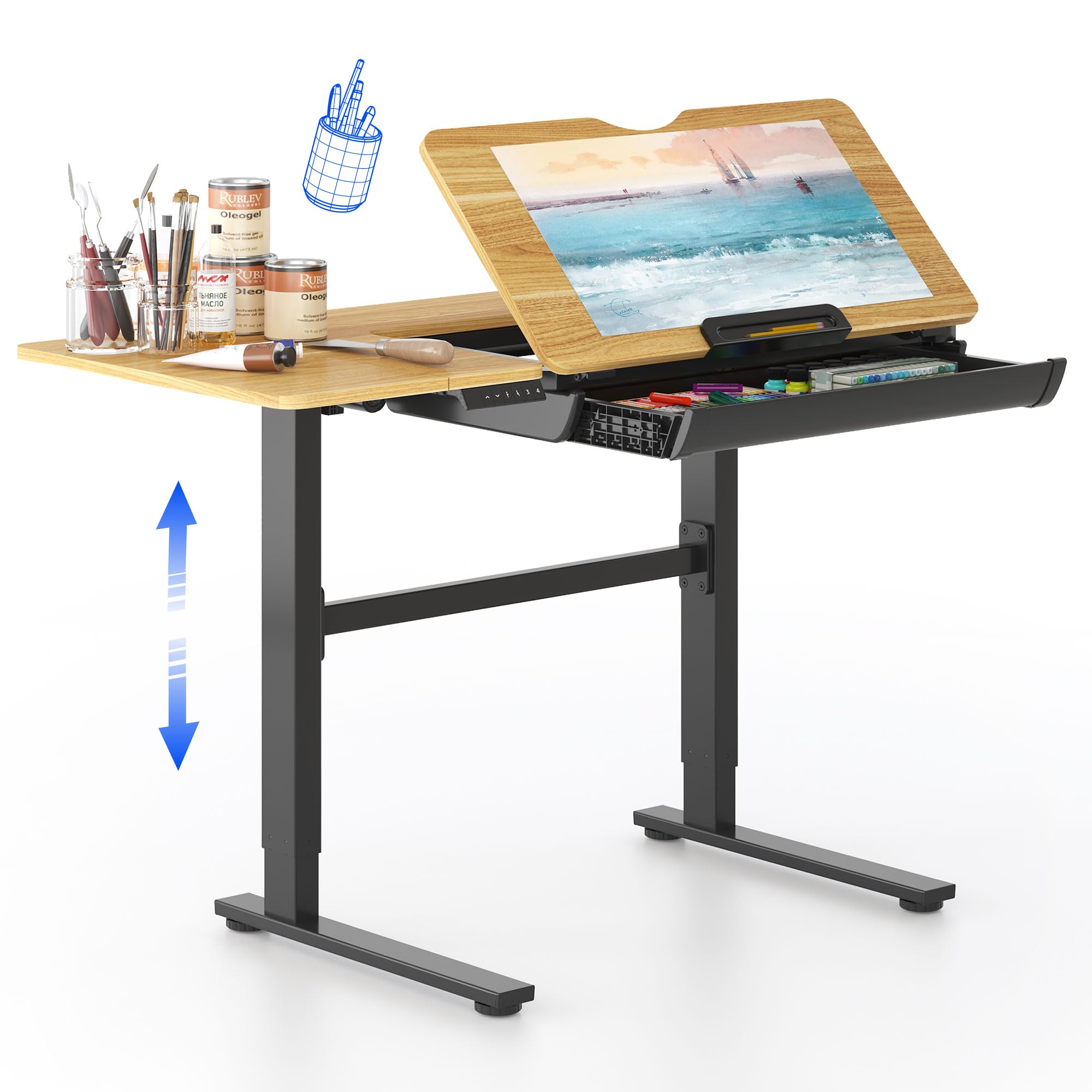
Who Needs an Art Desk
An art desk suits illustrators, students, hobby painters, calligraphers and anyone who drafts or sketches for hours. A flat desk forces you to bend over the page, while a tilted surface brings the paper toward your eyes and eases neck and shoulder strain.
If you only sketch now and then, a regular desk with a tabletop drawing board can do the job. A dedicated art desk earns its space when you work most days or switch between media such as pencil, ink and watercolor.
Types of Art Desks
Drafting and Tilt Top Tables
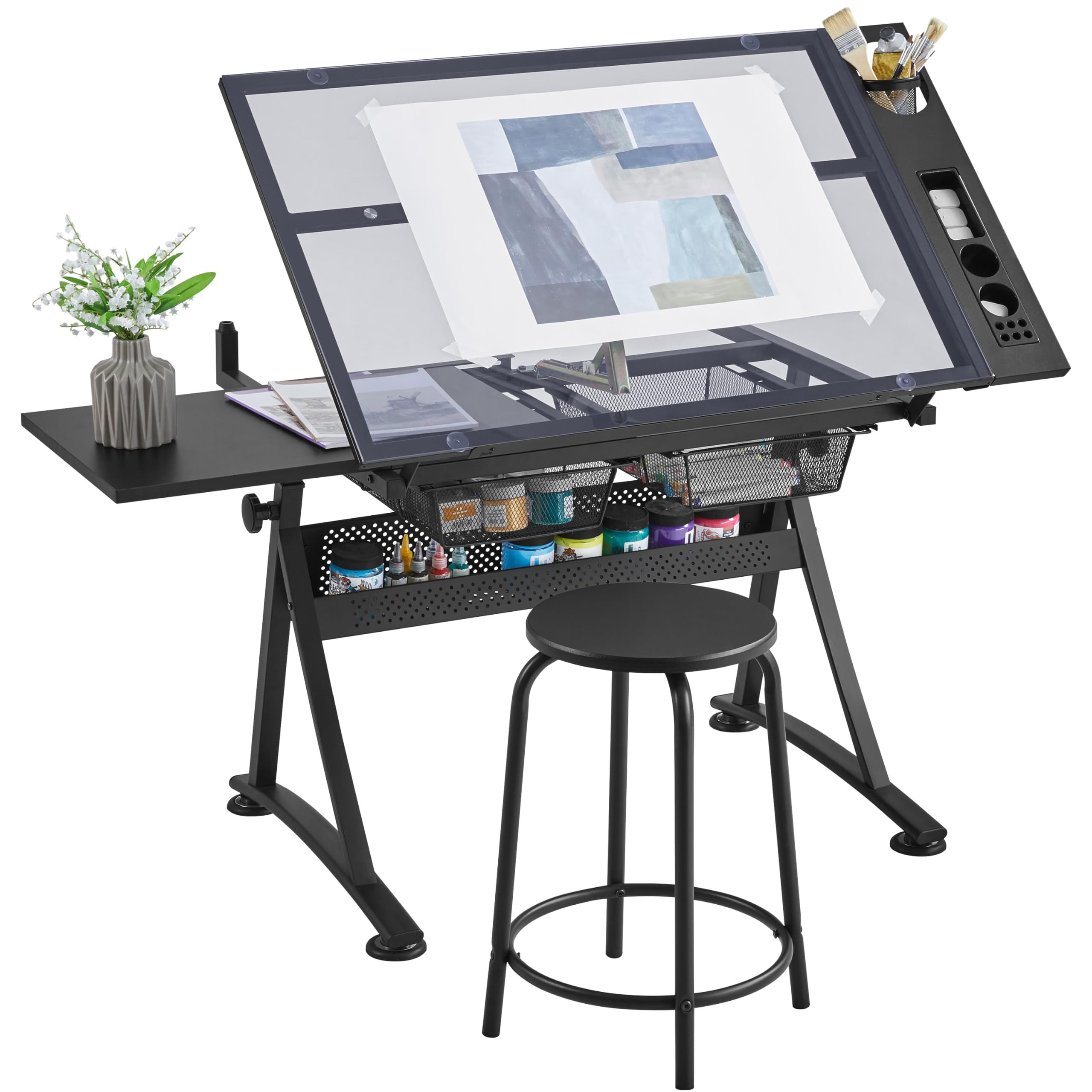
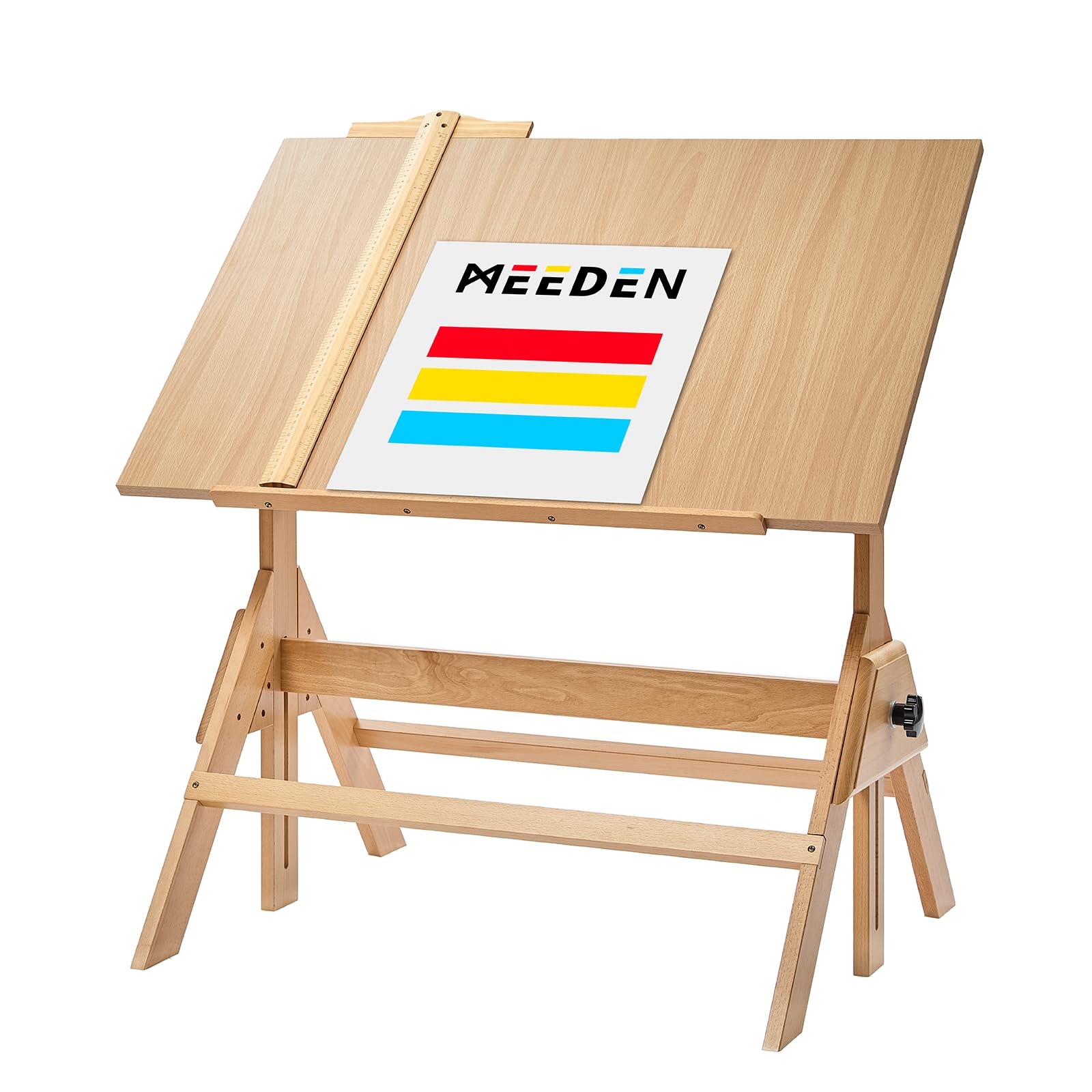
These tables have a surface that tilts and locks at different angles, usually with a height adjustable base. They are the classic choice for drawing and drafting, and a firm lock is the feature to check first, because a surface that creeps while you rule a line is frustrating.
Craft and Hobby Desks
Craft desks usually have a flat top with drawers, shelves or pegboard for supplies. They suit painting, scrapbooking and mixed media, where storage within reach matters more than tilt. Many fold or come apart, which helps in small rooms. For tight spaces, our guide to the best tiny desks covers compact layouts.
Digital Drawing Desks
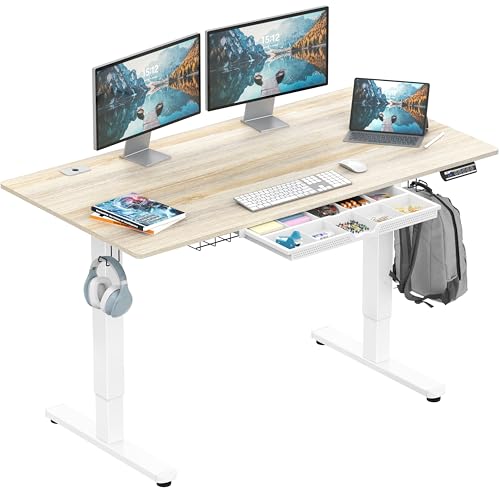
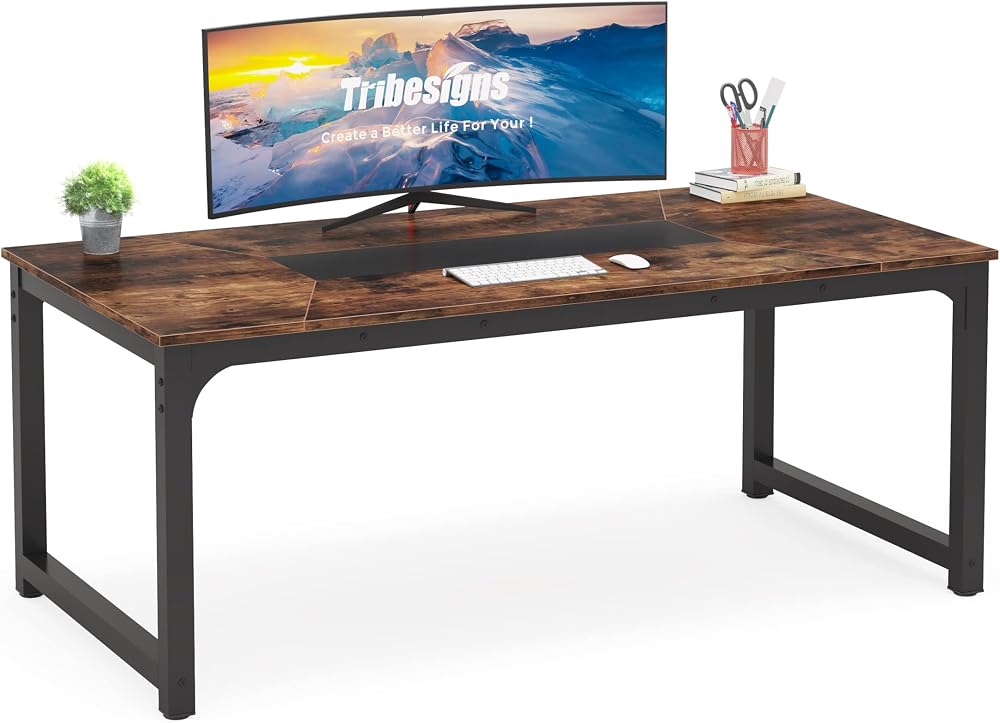
Artists who draw on a pen display or tablet often want a desk with a slight tilt, a clear front edge for the wrists and space for a monitor or keyboard. A sturdy flat desk can work here, so a general guide such as our look at the best pc desks is a useful companion.
Key Features to Compare
Tilt and Working Angle
An adjustable tilt lets you draw, paint or draft without hunching. Many artists work between about 15 and 45 degrees, flatter for wet media so paint does not run and steeper for drafting. Look for a lock that holds firmly under pressure, and a ledge or edge strip that stops pencils rolling off.
Surface Size and Material
A wide surface holds paper, palettes and reference material at once, while a small one forces constant shuffling. Match the top to your largest regular paper size with room to spare for tools. A pale matte surface reflects light evenly and shows color more truly, while glossy dark tops glare and hide pencil marks. Wipe clean laminate or glass tops are easier to keep free of ink and paint.
Height and Seating Fit
The desk height should suit your chair and elbow height so your shoulders stay relaxed. Adjustable legs help when more than one person uses the desk or when you switch between sitting and standing. If you buy a fixed height desk, measure your chair seat height and leg clearance first.
Storage Within Reach
Drawers, trays and side shelves keep pencils, brushes and inks close without crowding the work area. Shallow drawers organize small tools well, while a deeper drawer holds sketchbooks and paper. Make sure drawers clear your knees when they open, and that a tray or ledge does not block your forearm.
Stability for Detailed Work
A rigid frame and solid top stop wobble when you press down or lean on the edge, which matters most for ink work and precise drafting. Check the weight capacity and the leg bracing, and look for levelers that fix a wobble on uneven floors. Heavier desks are steadier, but they are harder to move.
Light and Placement
Place the desk so light falls from the side opposite your drawing hand, which keeps your shadow off the page. A clamp lamp or a lamp with a daylight bulb makes colors read more truly. Avoid strong light from behind you, which casts your own shadow across the paper and tires your eyes.
Mistakes to Avoid
- Choosing a desk that is too small for your largest paper, which leaves no room for tools.
- Skipping the tilt lock check, so the surface moves while you work on fine lines.
- Ignoring chair height, which leaves your shoulders raised and your wrists strained.
- Buying a glossy dark top that glares under lamps and hides pencil marks.
- Forgetting floor space for the tilted top and for your chair to move.
Care and Setup
Assemble the desk on a level floor and tighten the hardware again after the first week, because new joints settle. Protect the surface with a cutting mat or a drawing board when you use knives, inks or strong solvents, and wipe spills quickly. Check the tilt mechanism now and then and keep it free of dust and paint so it keeps locking cleanly.
For a broader look at sturdy desks beyond art use, see our guide to the best quality desks.
FAQ
What size art desk do I need?
Choose a top at least a few inches larger than your biggest regular paper, with extra room on your drawing hand side for tools. Many hobby artists work comfortably on a surface around 36 by 24 inches, while illustrators who work large or use two monitors often prefer wider tops.
Is a tilting top worth it for drawing?
Yes, for long sessions a tilting top keeps your head and neck closer to neutral and reduces the need to lean over the page. It matters less for digital drawing on a tablet or for quick sketches, where a flat desk is fine.
What height should an art desk be?
The height should let your elbows rest near a right angle with your shoulders relaxed. Adjustable height models are easiest to fit, and they let you stand for part of the day if you want to.
Do art desks need built in storage?
Storage helps only if it stays within easy reach and does not crowd your knees or work area. If the desk has no drawers, a rolling cart or wall shelves can hold supplies without taking up the surface.
Can I use a regular desk for art?
Yes, a regular desk works with a tabletop drawing board propped at an angle. It is a low cost way to start, though a dedicated tilting desk gives steadier support for long or detailed work.
Final Thoughts
Pick the desk by tilt, surface size and stability first, then by storage and looks. Compare the product table above against your largest paper, your chair height and your room, and choose the best art desks option that fits the way you really work.