
Best Arnica Tablets for Bruising in 2026: A Practical Buying Guide
Disclosure: We may earn a commission when you buy through links on this page, at no extra cost to you. As an Amazon Associate I earn from qualifying purchases. Learn more

Considering arnica tablets for bruising? Learn what arnica is, how it is used, safety notes, and when a bruise needs medical care instead of self care.
Bruises are common, and many people look for ways to ease discoloration and soreness. This guide to the best arnica tablets for bruising explains what arnica products are, how they are typically used, and what safety notes matter. The comparison table below gives a quick side by side view of product types. This guide offers general information only and is not medical advice for your situation.
Start with the bruise itself. Most minor bruises from everyday bumps improve on their own within one to two weeks. Arnica is one of several options people consider, alongside rest, cold, compression, and elevation in the early phase. Understanding what arnica can and cannot do helps you set realistic expectations.



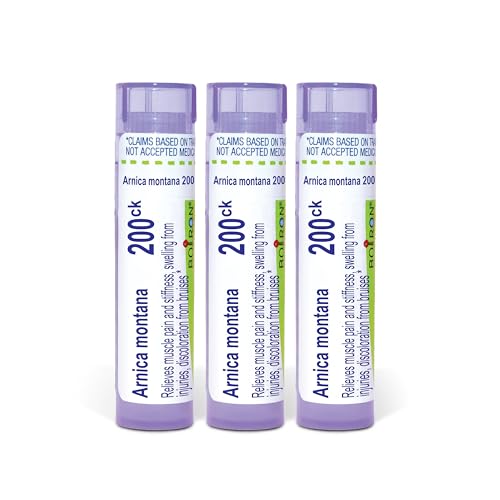
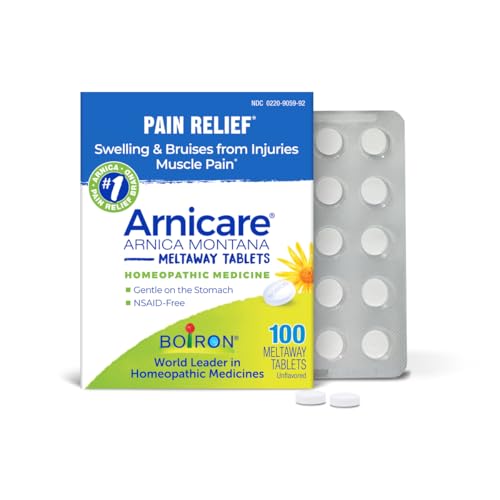
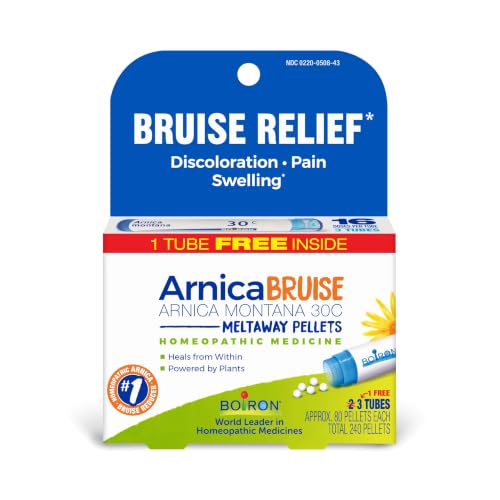
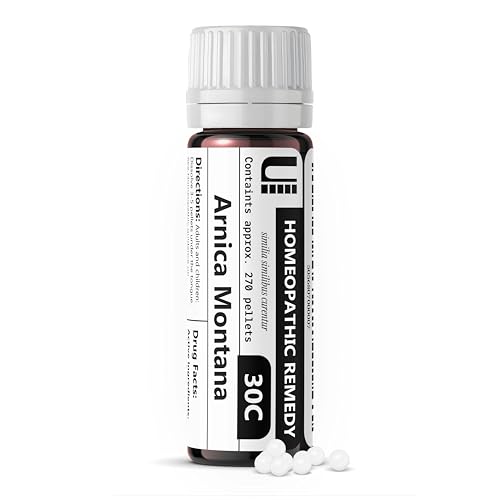
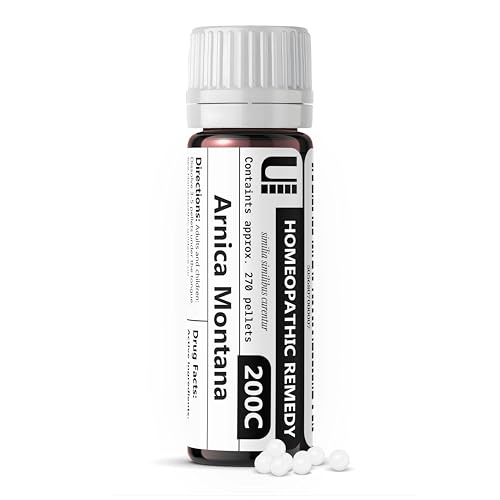
What Arnica Tablets Are
Arnica tablets are usually homeopathic preparations made from the arnica plant, sold in various potencies and formats. They differ from arnica gels and creams, which are applied to the skin. Tablets are taken by mouth according to the product label, and formulations vary widely between brands.
Evidence for arnica tablets is mixed, and results vary between people. Some users report faster fading of bruises, while studies show inconsistent effects. Treat claims with care, and do not expect a tablet to erase a bruise overnight or replace basic bruise care. Our guide to best arnica tablets covers the wider category.
How People Typically Use Them
People who use arnica tablets usually follow the label directions for the specific product, including timing and frequency. Some start soon after a bump, while others use them for several days as a bruise develops. Because products differ, label directions for your exact product matter more than general advice.
Arnica tablets are often used alongside standard bruise care: resting the area, applying cold in the first day or two, gentle compression if appropriate, and elevation. These basic steps support healing regardless of whether you use arnica, and they should not be skipped.
Safety Notes and Who Should Be Careful
Arnica products are not suitable for everyone. People who are pregnant, breastfeeding, taking blood thinning medicines, or managing a bleeding condition should talk with a clinician or pharmacist before use. Arnica can interact with medicines and may not be safe for certain conditions.
Also avoid using arnica on broken skin, and stop use if you notice rash, itching, swelling, or other unusual symptoms. Allergic reactions to plants in the daisy family are possible. If you are unsure whether arnica suits you, professional advice is safer than guessing. For another use people ask about, see our guide to best arnica tablets for lip fillers.
When a Bruise Needs Medical Attention
Most bruises are minor, but some signs need prompt care. Seek care for a bruise that is very large, extremely painful, or accompanied by numbness, weakness, or loss of movement. Bruises near the eye, head, or abdomen after significant trauma also deserve prompt assessment.
Also seek care if bruises appear without known injury, appear frequently, take unusually long to heal, or occur alongside other symptoms such as fever or unusual bleeding. These patterns can signal a condition that needs investigation, and self treating with arnica would delay proper care.
Choosing a Product and Setting Expectations
If you decide to try arnica tablets after considering safety notes, choose a product from a reputable seller with clear labeling. Check potency, ingredients, and directions, and avoid products with vague or exaggerated claims. Price alone does not indicate quality or effectiveness.
Set realistic expectations: a bruise will still change color as it heals, moving through shades before fading. Arnica may or may not speed that process for you. Track how you feel and how the bruise looks, and stop use if you notice adverse effects.
A Closer Look Before You Order
Before trying arnica tablets, review your current medicines and health conditions with a pharmacist, since interactions and suitability depend on your personal situation. Bring a list of medicines, including over the counter products and supplements, since combinations matter. A pharmacist can advise quickly and may suggest safer alternatives if arnica is unsuitable for you.
Consider keeping a simple record of bruises you treat, noting size, pain, and healing time, so you can judge whether arnica helps you personally. Without a record, memory biases make it hard to tell whether a bruise healed faster than usual. A few notes over several bruises give a clearer personal picture than a single experience.
Think about children and vulnerable household members, since arnica products are not automatically safe for everyone in the home. Store tablets out of reach of children, and never give arnica to a child without professional advice. Household safety matters as much as personal use, especially with products that look like ordinary tablets.
More Checks Worth Making
Check the product label for potency and dosage format, since arnica tablets vary widely and labels use different systems. Understanding what the numbers on your product mean helps you compare products fairly. If label terms are unclear, a pharmacist can explain them in plain language before you buy.
Consider whether a topical arnica product might suit your bruise better than tablets, since gels and creams act locally while tablets act systemically. The choice depends on bruise location, skin condition, and personal preference. Discussing both options with a pharmacist helps you choose the format that fits your situation.
Think about timing, since some people use arnica soon after injury while others start later as discoloration develops. Label directions for your product should guide timing, since general advice cannot cover every formulation. Following your product label is safer than following anecdotes from other users.
Plan for follow up if a bruise does not improve, including when to seek care and what information to bring. Noting when the bruise appeared, how it happened, and how it changed helps a clinician assess it quickly. A clear timeline turns a vague concern into useful medical information.
Consider other causes if bruising is frequent or unexplained, since medicines, supplements, and health conditions can all affect bruising. A pattern of easy bruising deserves professional review rather than repeated self treatment. Recognising that pattern early leads to better care than masking it with supplements.
Frequently Asked Questions
How quickly do bruises normally heal?
Most minor bruises improve within one to two weeks, changing color as they heal. Larger or deeper bruises can take longer. If a bruise shows no improvement after two weeks, grows larger, or becomes more painful, seek medical advice rather than continuing self care alone.
Can I use arnica tablets and arnica gel together?
Some people use both, but combining products increases total exposure and the chance of skin or other reactions. Check both product labels and talk with a pharmacist if you plan to combine them. Never apply arnica to broken skin, and stop use if irritation appears.
Are arnica tablets safe with other medicines?
Arnica may interact with blood thinning medicines and other treatments, so safety depends on your medicines and health conditions. Always check with a clinician or pharmacist before starting arnica if you take regular medicines, especially anticoagulants or medicines affecting bleeding.
What basic care helps a bruise most?
Rest, cold in the first day or two, gentle compression if suitable, and elevation help most minor bruises. These steps reduce swelling and discomfort in the early phase. After the first days, gentle warmth and normal movement often help the bruise resolve.
When should I worry about a bruise?
Worry signs include severe pain, numbness, weakness, rapid swelling, bruising without injury, frequent unexplained bruises, and bruises that do not improve. Bruises after head, eye, or abdominal trauma also need prompt care. When in doubt, seek professional assessment promptly.
Final Thoughts
Arnica tablets are one option people consider for bruising, alongside basic care such as rest, cold, and elevation. Use the product table above to compare product types, and weigh safety notes and realistic expectations before deciding.
For most minor bruises, time and basic care are the main healers. If you have safety concerns, take regular medicines, or notice warning signs, talk with a clinician before using arnica. In short, choosing the right best arnica tablets for bruising comes down to matching the guidance above to your own needs and routine.


