
Best Army Desert Boots: How to Choose the Right Pair for 2026
Disclosure: We may earn a commission when you buy through links on this page, at no extra cost to you. As an Amazon Associate I earn from qualifying purchases. Learn more

Compare best army desert boots by fit, breathability, cushioning, and outsole grip, with sizing and care guidance for long, hot, dry duty days.
Heat, sand, and long hours on your feet punish the wrong boots fast. Uppers that breathe poorly rub skin raw, and a poor fit turns a routine shift into a day of blisters. When you shop for best army desert boots, the details that matter most are ventilation, fit around the toes and heel, and an outsole that grips loose ground without packing full of sand.
You will learn who benefits most from a desert specific boot, how to size a pair for feet that swell in heat, and when a waterproof membrane helps or hurts. The comparison table below pulls the leading options into one view, so you can match height, weight, and materials to your duties.


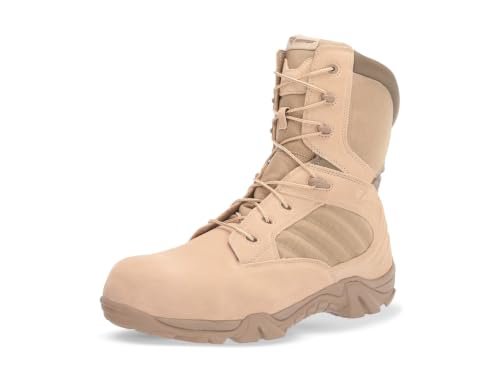

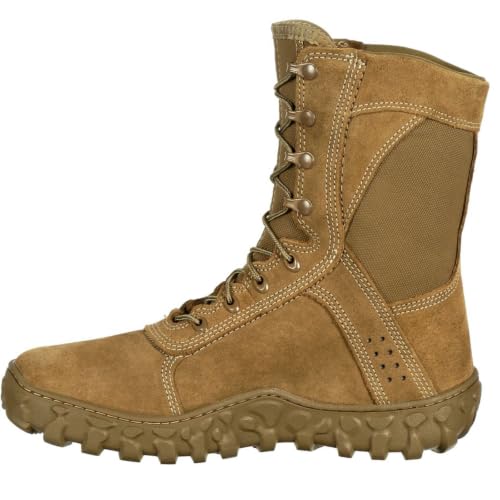
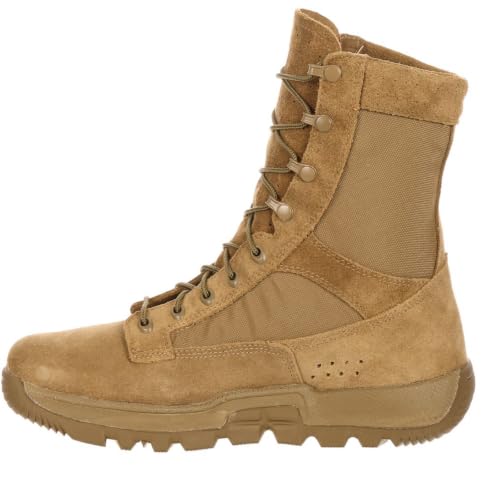
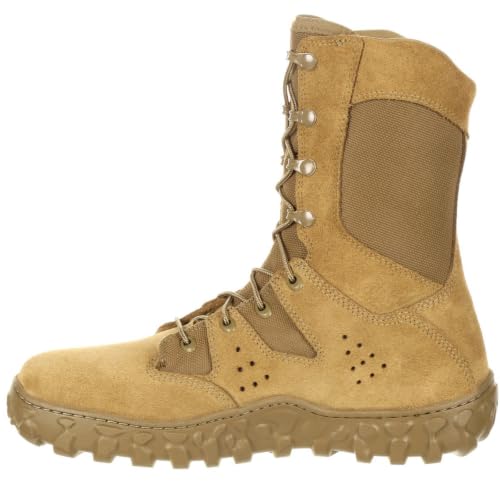
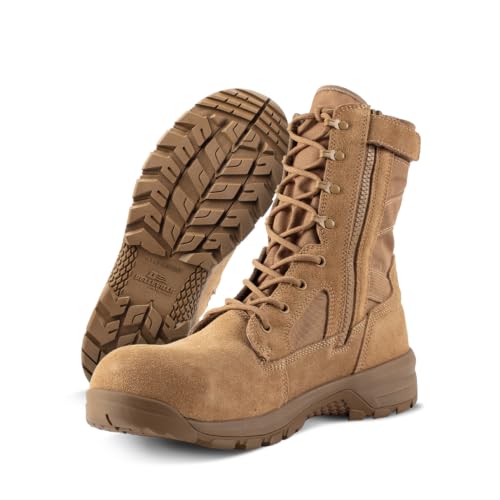
Who Should Buy Army Desert Boots?
Desert boots differ from general duty boots in one core way. They trade insulation and heavy waterproofing for airflow, lighter materials, and soles that shed sand. The product table above is the fastest way to see which styles lean lightest and most breathable for hot, dry work.
Soldiers and Service Members in Hot Climates
If you serve in a desert posting or train in the American Southwest, a desert boot is built for your daily reality. Uninsulated uppers let heat escape during patrols, motor pool work, and long periods standing on sun baked pavement. Check your unit guidance before you order, since authorized shades, toe styles, and vent features vary by branch and command.
Ruckers and Trainees Carrying Heavy Loads
Marching under a loaded pack changes what your feet need. Loose sand shifts under the sole and each step drives more force into the heel, so cushioning and a stable heel counter matter more than raw lightness. Trainees on gravel roads should look for firmer midsoles and deeper lugs than walkers who stay on pavement. If loaded marching is your main test, see our guide to the best boots for rucking army for load specific fitting advice.
Outdoor Workers and Travelers in Dry Heat
Civilian buyers who work outdoors in arid regions get the same airflow benefits without a full military specification boot. Ranch hands, survey crews, and desert hikers value a tall shaft that keeps grit out on loose slopes. If your job requires a safety toe, shop only within styles that carry that rating, since most desert boots ship with a soft toe. For mixed weather and harder general use, compare the styles in our guide to the best army boots.
How to Choose Army Desert Boots: A Buying Guide
The sections below break down the seven factors that separate the best army desert boots from pairs that only look the part.
Fit, Sizing, and Toe Box
Measure both feet late in the day wearing your duty socks, when heat and standing have swollen them to their largest, and leave about a thumb width of space in front of your longest toe. Your heel should feel locked when you lace firmly, with no lift as you step. Toe boxes on desert boots run narrower than many hiking shoes, so if your forefoot feels pinched in a standard width, choose a wide fitting rather than sizing up a full size.
Waterproofing and Gore Tex Membranes
A waterproof membrane sounds useful until you spend a summer afternoon inside one. Membranes such as Gore Tex block outside water, but they also slow the escape of sweat, and in dry heat that trapped moisture softens skin and invites blisters. Choose a membrane boot only if your work includes wet grass at dawn, stream crossings, or cold rainy desert nights. For pure sand and sun, an unlined breathable upper dries faster and keeps feet cooler across a full shift.
Weight and Flexibility
Every ounce on your foot costs energy with each step, so lighter boots feel fresher at mile eight than at mile one. A sole that folds too easily, though, lets sharp stones press into the ball of your foot on rocky ground. Look for a boot that bends at the forefoot, where your foot bends, yet stays firm through the arch.
Upper Materials and Breathability
Most army desert uppers pair rough suede with woven nylon panels. The suede shrugs off brush, rock scrapes, and daily abrasion, while the panels let hot air escape around the ankle and sides. Full leather traps heat, and open mesh vents the most yet wears through faster near the toes. Civilian shoes in our guide to the best desert boots use similar suede, but their soft soles and low cut suit town wear rather than loaded duty miles.
Durability and Expected Lifespan
Sand is abrasive, and it grinds outsoles and uppers down faster than pavement does. Expect the lugs at the heel and ball to show wear first, since those zones strike the ground and push off each step. Double stitching and a rubber toe guard stretch service life. Retire a pair when the midsole feels packed flat, when lugs wear smooth, or when the heel counter folds inward and stops supporting your ankle.
Break In Period and Comfort Out of the Box
Modern suede and nylon desert boots usually feel comfortable within a few short wears. Start with indoor wear and short errands, then a half shift, and only then a full day. Pay attention to warm spots on your heel or toes during these early wears, since a hot spot warns that friction is building where a blister will form. If one area keeps rubbing after several wears, the size or width is wrong, and more time will not fix it.
Cushioning and Support
Cushioning comes from the midsole foam and the insole working together. Softer foams feel plush on concrete but bottom out under a heavy pack, while firmer foams hold their shape and give a more stable base for load carrying. Heel to toe drop, the height difference between heel and forefoot, shifts work between your calves and knees, and most duty boots sit in a middle range that suits heel first marching. If the stock insole feels thin, our guide to the best insoles for army boots covers replacement insoles that add arch support.
Types of Army Desert Boots
Army desert boots fall into three broad builds, matched to your ground and pace. Each build suits a different mix of distance, terrain and load, so choose by where you spend most of your day.
Lightweight Boots for Fast Movement
Lightweight builds use thinner suede, generous nylon panels, and flexible soles that feel close to a sturdy trainer. They suit garrison duty, hot weather training, and anyone who walks mostly on packed dirt, gravel roads, and pavement. The trade off is protection, since thin soles and soft uppers offer less defense against sharp rock and heavy dropped gear.
Standard Suede Boots for Daily Duty
The standard build is the classic desert boot, with a tall suede shaft, mixed nylon panels, and a midsole firm enough for daily loads. It balances airflow, ankle coverage, and outsole grip for the widest range of duties. Most service members and outdoor workers end up here, because the design makes no extreme trade offs.
Rugged Boots for Rocky Desert Terrain
Rugged builds add thicker lugs, stiffer soles, and more leather across the toe and heel for ground that bites back. They shine in mountain desert, rubble, and broken terrain where a soft sole would bruise your feet and wear out early. The cost is weight and heat, since heavier materials breathe less and tire legs faster on flat miles.
Tips to Get the Most From Your Army Desert Boots
Small habits decide whether a pair stays comfortable for a full season of heat or breaks down early. The tips below cover lacing, drying, and daily care for the boots themselves.
- Lace with a heel lock using the top eyelets to hold your heel down, because a sliding heel is the most common cause of heel blisters.
- Brush dried sand and dust from the suede after each wear, since grit left in the nap works like sandpaper against seams and stitching.
- Pull the insoles out and loosen the laces fully when you dry a pair, and keep boots away from direct heat, which cracks leather and warps soles.
- Rotate two pairs on back to back duty days so each pair dries fully, which limits odor and slows the breakdown of cushioning foam.
- Swap worn laces and tired insoles before they fail, since both cost little and restore the fit you felt when the boots were new.
For suede care, a stiff brush and an eraser block handle most scuffs and dust marks. Spot clean stains with a little water and let the boots air dry fully. Skip oils and polishes made for smooth leather, because they mat the suede nap flat and cut the airflow that makes a desert boot worth wearing.
Army Desert Boots: Your Questions Answered
These answers cover the fit and care questions buyers ask most, with extra details beyond the main guide above.
How long is the break in period for army desert boots?
Most suede and nylon army desert boots break in within about a week of short daily wears. During the first wears, place tape or a blister patch over any spot that rubbed the day before, even if the skin looks fine. That small step lets you finish the break in without a raw heel.
How should army desert boots fit?
Army desert boots should feel snug at the heel and midfoot, with clear open space in front of your toes. Test the fit on stairs or a slope before a long day, because your toes should never bang the front of the boot when you walk downhill with a pack shifting your weight forward. If they do, try a half size up or a wider fitting.
Can you wear army desert boots all day?
Yes, you can wear army desert boots all day once they are broken in and sized for swollen feet. The tall shaft and firm sole are built for long shifts on hard ground. To stay comfortable past the ten hour mark, change into dry socks at midday, because fresh socks cut friction for the rest of the shift.
How often should you replace army desert boots?
Replace army desert boots based on wear rather than a fixed calendar date. Write the month you started wearing a pair on the inside of the tongue, then check the outsole and midsole against that date every few months. Cracks in the upper where the boot flexes at the toes are another clear end sign, since split suede lets sand pour in.
Do you need waterproof army desert boots in the desert?
No, most desert wearers do not need waterproof army desert boots, and an unlined breathable pair will serve them better. The main exception is seasonal storm weather, when monsoon style rains can flood washes and soak low ground for days at a time. If your posting includes that season, a membrane pair earns its place as a second boot for wet weeks.
Are expensive army desert boots worth the extra cost?
Expensive army desert boots are worth the cost only when the higher price buys construction you will actually use. Judge value by cost per month of comfortable service rather than by the sticker alone, because a pair that stays supportive twice as long is the cheaper boot over time. Paying more often brings denser suede, stronger stitching, and soles that resist sand abrasion longer. It does not guarantee a better fit, so never trade correct sizing for a premium label.
Final Thoughts
Start with fit, because no feature can rescue a boot that rubs or squeezes. Next, favor breathability over waterproofing for true desert heat, and match your sole to the ground you cross most, light for packed routes or rugged for rocky terrain. Use the product table above to compare weight, height, and materials side by side. When fit, airflow, and grip line up with your duties, the best army desert boots stop feeling like gear and start feeling like part of the uniform.


