
Best Army Boots for Running in 2026: Matching the Right Model to Your Routine
Disclosure: We may earn a commission when you buy through links on this page, at no extra cost to you. As an Amazon Associate I earn from qualifying purchases. Learn more
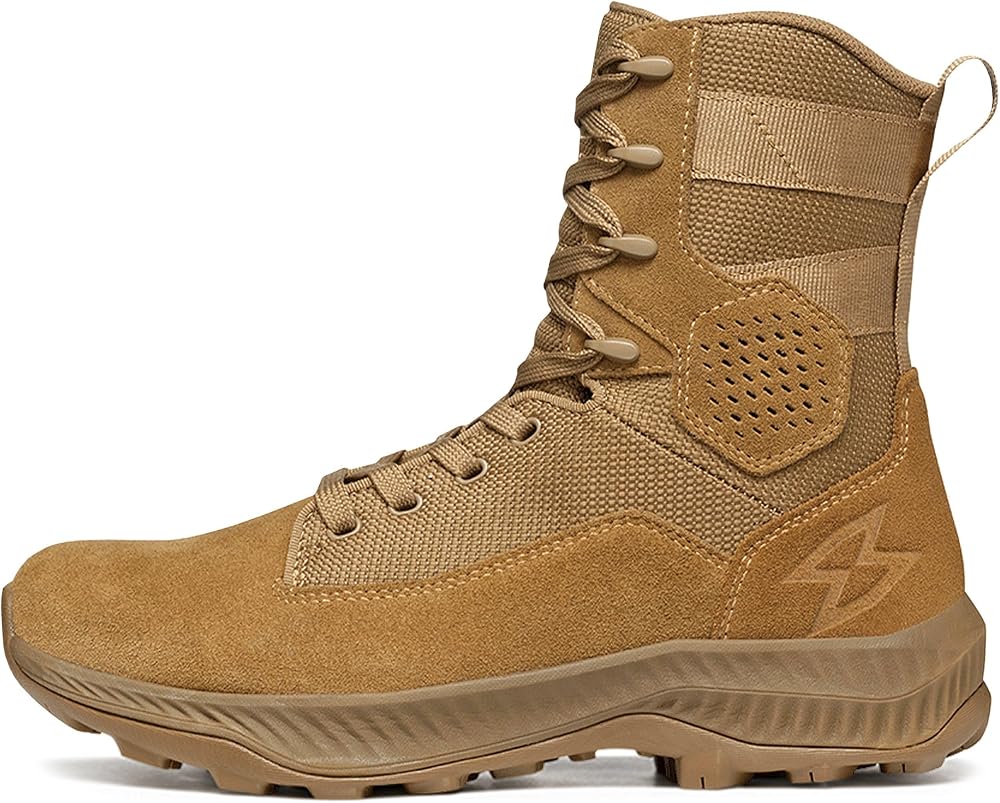
Runners who must wear boots: how to pick the best army boots for running by fit, weight, cushioning, grip and waterproofing.
Running in army boots is a compromise by nature: you gain ankle coverage and tough outsoles, but you give up the lightness of a dedicated running shoe. The best army boots for running are therefore the lightest, best fitting boots that still meet your uniform and terrain needs, not the toughest boots on the shelf. Fit comes first, because a heavy boot that rubs will hurt long before its durability ever pays off.
This guide compares boots by use case, waterproofing, fit, running features and arch support, so you can judge each pair against the runs you actually do. The product table gives a quick side by side view of the picks, and the sections that follow explain each choice in plain terms. If pain, numbness or swelling persists, or you have a foot condition, talk with a clinician before choosing a boot for regular running.


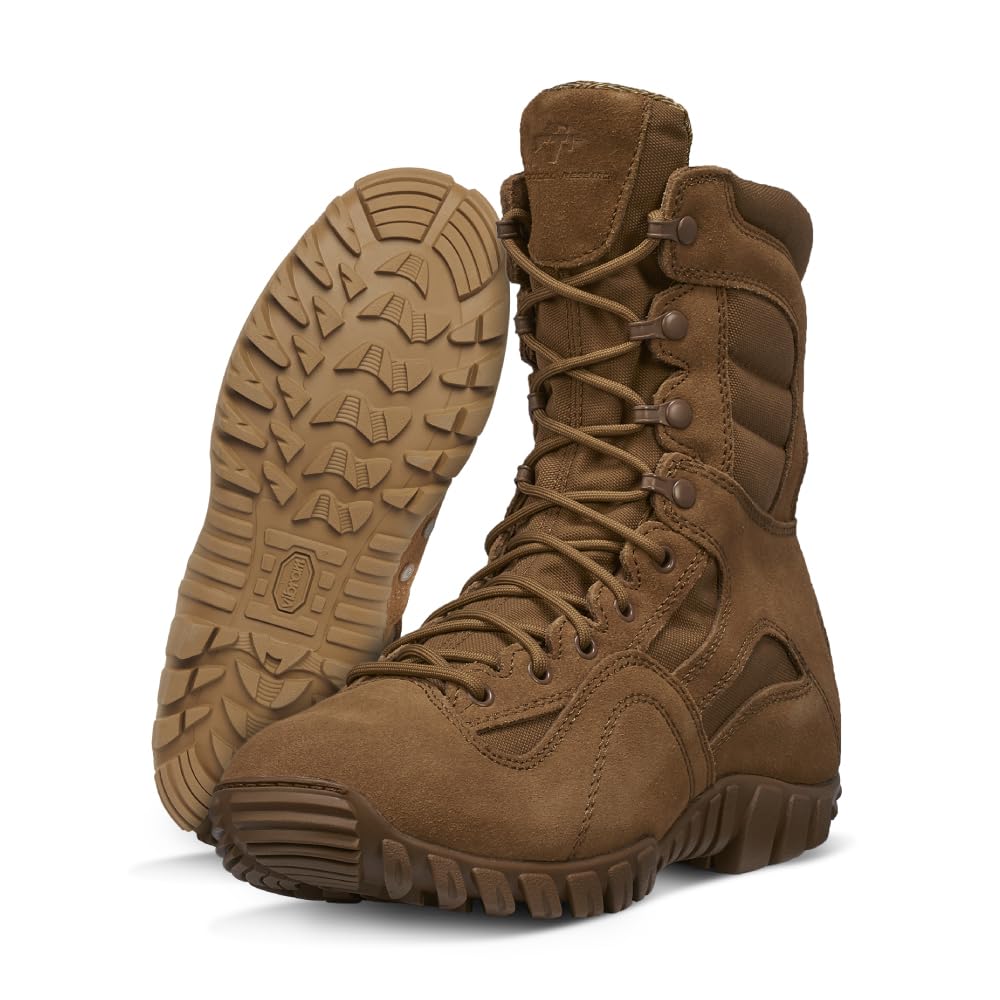
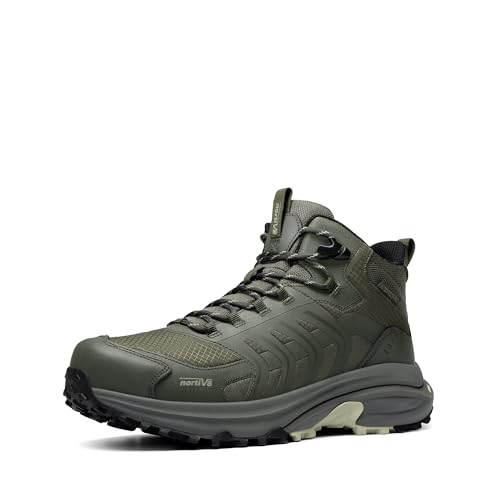


Who Should Buy Which Army Boots?
Your running surface and distance decide more than any single feature. A short run on roads needs different cushioning from a longer run over uneven ground, and a boot worn all day needs different comfort from one worn only for training. Match the boot to the run first, then narrow by price.
For Road Runs and Pavement Training
Road running rewards lighter boots with flexible soles, steady cushioning and a smooth heel to toe roll. Look for a boot that bends where your foot bends and does not slap the pavement with every step, since stiffness shows up quickly on hard surfaces. A breathable upper helps on warm days, and a secure lacing system keeps the foot from sliding forward on downhill stretches. For general running shoe context, see our guide to the best running shoes, which explains cushioning and drop in plain terms.
For Trails, Fields and Uneven Ground
Uneven ground rewards deeper grip, a stable platform and ankle coverage that resists twisting on ruts and loose soil. A lugged outsole grips mud and gravel better than a smooth sole, while a firm heel counter keeps the foot centered when the ground tilts. Weight matters even more here, because every extra ounce is lifted thousands of times over a long run, so favor the lightest boot that still gives the support your terrain demands.
For Daily Wear Plus Short Runs
If one pair must serve both daily wear and occasional short runs, comfort out of the box matters most. Choose a boot with a roomy toe box, moderate cushioning and an upper that softens without a long break in, and keep the running distance modest until you know how the boot behaves. A boot that feels fine standing all day can still rub at mile three, so try it on a short run before relying on it for training.
Key Features to Compare
Compare features in the order they affect a run: waterproofing, fit, running specific design, arch support and break in. A feature only earns its price if it changes how the boot feels after several miles, not just how it looks on the shelf.
Waterproofing (Gore Tex and Membranes)
Waterproof membranes keep rain and puddles out, but they also trap heat, so they suit wet climates and muddy ground more than hot, dry runs. A membrane boot needs time to dry inside after a sweaty run, and a wet sock will cause blisters faster than a damp upper. If most of your runs are on dry roads, a breathable non waterproof boot often feels cooler and dries faster, while a waterproof pair earns its place when you regularly cross wet grass, streams or mud.
Fit, Sizing and Toe Box
Measure your feet in the afternoon, when they are slightly larger, and try boots with the socks you will actually run in. Your toes should have room to spread without hitting the front on downhills, and the heel should stay put without the laces cutting into the ankle. A wide toe box suits runners whose toes splay under load, while a narrow fit suits a slim foot that slides inside a roomy boot.
If you sit between sizes, the larger size with adjusted lacing usually beats a tight boot that cannot stretch. For the broader boot range, see our guide to the best army boots before settling on a size system.
Features That Matter for Running
Running asks a boot to do three things well: absorb impact, roll forward smoothly and grip without grabbing. Look for cushioning under the heel and forefoot, a sole that flexes at the ball of the foot, and an outsole pattern that grips without collecting stones. Heel to toe drop, the height difference between heel and forefoot, changes how your stride feels, so a lower drop suits a midfoot stride while a higher drop suits a heel striker. Keep the total weight in mind too, since a boot that feels fine in the store can feel heavy by the end of a long run.
Arch Support and Foot Type
Flat feet tend to roll inward, high arches tend to stay rigid, and each pattern needs different support. A boot with a stable midsole and a shaped insole helps an overpronating foot stay aligned, while a neutral, cushioned boot suits a foot that already tracks straight. Removable insoles are a plus, because they let you swap in an insole that matches your arch without changing boots. If you notice persistent arch pain, numbness or swelling, stop and get advice from a clinician rather than pushing through in a stiffer boot.
Break In Period and Comfort Out of the Box
Some boots soften within a few short wears, while stiffer leather pairs need weeks of gradual use. Break a new pair in with short walks and short runs before any long training session, and watch for hot spots on the heel, the sides of the toes and the ankle bones. A boot that still pinches after several short runs is unlikely to improve with more miles, so exchange the size or try a different last rather than enduring blisters. Comfort out of the box is a good sign, but it is not a promise, so build distance slowly in any new pair.
Common Mistakes to Avoid When Buying Army Boots
- Choosing the toughest boot available, then finding it too heavy and stiff for running.
- Buying a waterproof boot for hot, dry runs, where trapped heat causes blisters faster than rain would.
- Ignoring toe box room, so toes hit the front on every downhill stretch.
- Skipping the afternoon fit check and buying a size that feels fine in the morning but tight later.
- Skipping the warranty and return terms, then being stuck with a pair that never breaks in well.
Setup and Care Tips
Care keeps running boots consistent from week to week. Air dry wet boots away from direct heat, since a radiator or open flame can stiffen leather and warp soles, and stuff them loosely with paper to hold their shape while they dry. Replace a pair when the cushioning feels flat, the outsole is worn smooth in the strike zone, or the upper no longer holds the foot steady, rather than waiting for a fixed mileage number.
Rotating two pairs for daily wear spreads the load and gives each pair time to dry fully between runs. If you train for basic training specifically, see our guide to the best running shoes for army basic training for the shoe side of that routine.
Frequently Asked Questions
What features matter most in army boots for running?
Fit, weight and cushioning matter most, followed by grip that suits your surface. A boot that fits well with room for your toes, weighs as little as your duties allow and cushions each landing will serve a runner better than a heavier boot with extra armor. Waterproofing matters only if you regularly run in wet conditions, and arch support matters most if your foot rolls inward or stays rigid. Try a short run before committing, since comfort at mile one does not always hold at mile four.
How often should I replace my army boots?
Replace army boots when the cushioning feels dead, the outsole is worn smooth where you strike, or the upper no longer holds your foot steady. Mileage gives a rough guide, with many runners noticing wear after several hundred miles of mixed use, but terrain, weight and rotation change that number a lot. A boot used only for short road runs lasts longer than one pounded over rocky trails every week. Inspect the soles and insoles monthly, and retire a pair that causes new blisters or aches it did not cause before.
How long is the break in period for army boots?
The break in period ranges from a few short wears for soft, flexible boots to several weeks for stiff leather pairs. Start with short walks, then short runs, and add distance only when no new hot spots appear. Lacing adjustments can fix minor heel slip or forefoot pressure, but they cannot fix a boot that is a full size too small or shaped wrong for your foot. If pinching persists after a couple of weeks of gradual wear, consider a different size or last instead of pushing through pain.
How should army boots fit for running?
Army boots for running should fit snugly around the heel and midfoot, with room for your toes to spread and wiggle. Try them in the afternoon with your running socks, and walk and jog in place to check for heel lift and toe contact. The laces should hold the foot without cutting into the ankle, and the boot should bend at the ball of the foot rather than in the middle. A fit that feels perfect standing still can still fail on a run, so a short trial run is the best check.
Are expensive army boots worth it for running?
Expensive army boots are worth it only when the extra cost buys a better fit, lighter weight or a feature your runs actually need, such as reliable waterproofing for wet terrain. A mid priced boot that fits well will beat a costly boot that pinches, no matter how durable the materials. Spend more when you run often, cover rough ground or need a specific width, and spend less when your runs are short and on smooth surfaces. Judge value by comfort over distance, not by the price tag alone.
Final Thoughts
Start with fit, then weight, then the features your surface demands. A lighter, well fitting boot with sensible cushioning and grip will carry you further than the toughest boot that rubs from mile one. The best army boots for running are the pair you can break in without blisters, dry properly between runs and trust on your usual ground. Check the product table once more, confirm the size with an afternoon fitting, and build distance gradually in any new pair.


