Best Armband Heart Rate Monitor: A Buyer Checklist for 2026
Disclosure: We may earn a commission when you buy through links on this page, at no extra cost to you. As an Amazon Associate I earn from qualifying purchases. Learn more
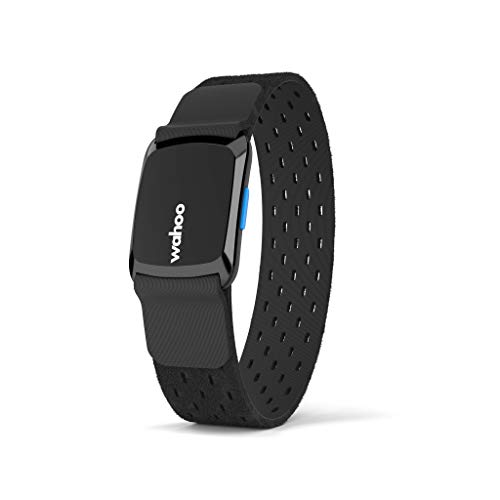
A checklist for choosing the best armband heart rate monitor: sensor fit, comfort, battery life, app pairing, and water resistance.
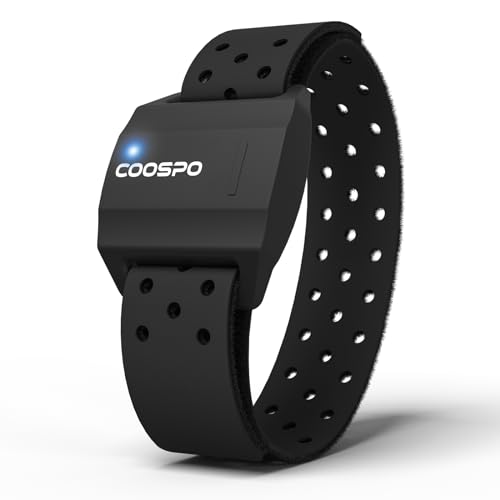
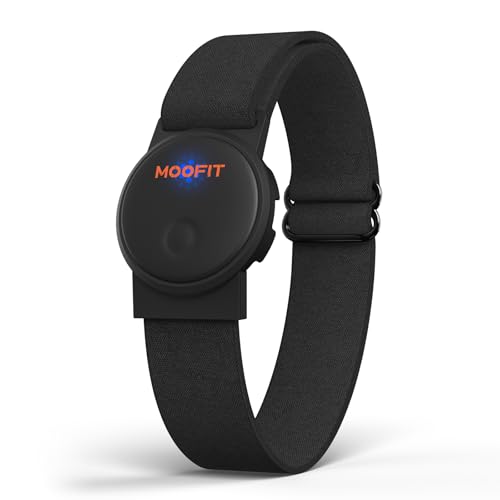
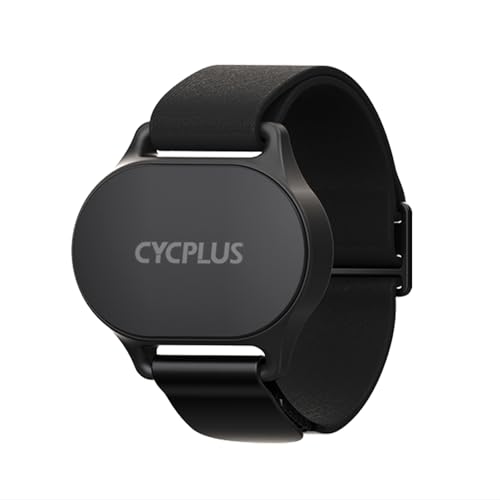
An armband monitor sits on the upper arm or forearm and reads your pulse through the skin, which can feel more stable than a wrist device during fast movement. The best armband heart rate monitor for you depends less on headline features and more on fit, comfort, battery life, and whether it talks to the apps you already use. Use the product table to compare the main options before you work through the checklist in this guide.
Work through sensor fit first, then comfort, battery, connectivity, and water resistance, and you will spot weak models quickly. Remember that readings from a consumer monitor are estimates, not medical measurements, and they never replace a medical device or a clinician's advice.






How to Choose the Best Armband Heart Rate Monitor
Use these five factors as a scorecard. A model that passes all five is a safer buy than one that shines in a single area and fails on fit or battery life.
Sensor and Fit
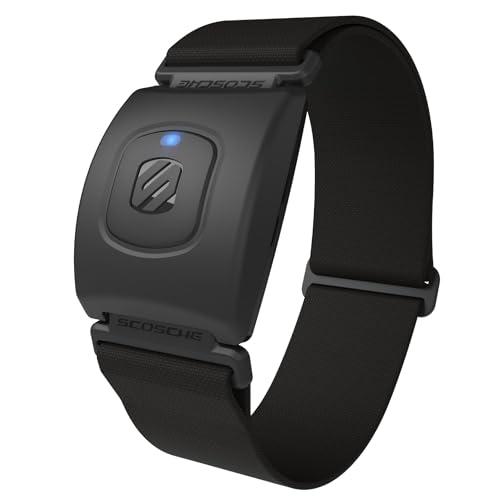
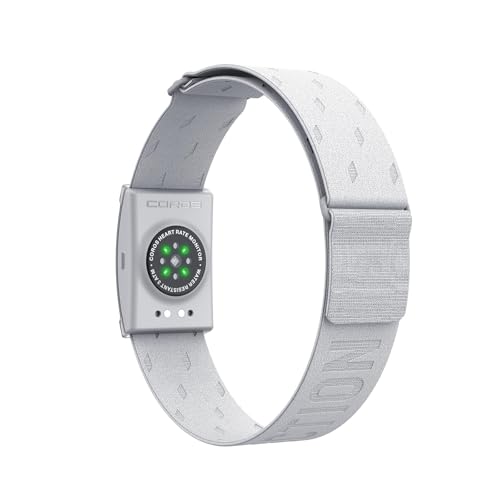
The sensor must sit flat against the skin with steady contact, since gaps and sliding cause jumpy readings. Most armbands use an optical sensor, so placement matters: the upper arm usually gives steadier results than the wrist during running or rowing, but arm size and muscle shape still affect contact. Check the strap size range, whether the pod can sit on either arm, and whether the strap stays put when you sweat. For a broader view of monitor types, read our guide to best heart monitors alongside this checklist.
Comfort and Skin Feel
Comfort decides whether you will wear the band for a full workout. A soft, breathable strap with a smooth underside reduces chafing, while a stiff or narrow strap can dig in during longer sessions. People with sensitive skin should check the strap material, wash it as the maker directs, and rotate the band slightly between sessions. A wrist style device feels different from an armband, so our guide to best strapless heart rate monitor watch is a useful contrast when you are unsure which placement suits you.
Battery and Charging
Battery life should cover your training week without constant charging. Check the stated hours for active tracking, not just standby time, and note whether the band charges with a standard cable or a special dock. A dock that is easy to lose can become a real hassle, while a common connector is simpler to replace. Turn off features you do not use, such as continuous alerts, when you want the charge to last through several sessions.
Connectivity and App Fit
Connectivity decides whether your data lands where you want it. Most armbands send live heart rate over Bluetooth, and some also use ANT plus to pair with watches, bike computers, and gym equipment. Check that the band works with your phone, watch, or training app before you buy, and confirm whether it stores data when your phone is out of range. Runners should also check live pairing, and our guide to best heart monitors for running explains how that use case changes the priority list.
Water Resistance and Durability
Water resistance ratings describe different levels of protection, so read the maker wording rather than assuming a band is swim proof. Sweat resistance covers most gym sessions, while swimming needs a higher rating and a strap that stays secure in water. Check whether buttons, charging contacts, and the strap clasp are built to handle repeated washing and drying. A replaceable strap extends the life of the whole device, since straps wear out faster than sensors.
Spending Levels
Think in levels rather than single models, since the right level depends on how often you train and which features you will actually use.
Start with your training frequency, then check the checklist factors at that level before you pay for more. A casual user who trains twice a week rarely needs multi device pairing or onboard storage, while a daily athlete may find those features worth the step up. Moving up a level should solve a real problem, such as a battery that dies mid week or a strap that slips during intervals, rather than adding features you never open.
Value Level for Casual Training
A value level band covers the basics: steady live heart rate, a comfortable strap, and pairing with a phone app. This level suits walkers, casual gym users, and anyone trying an armband for the first time. Expect shorter battery life and fewer extras, but do not accept a strap that slips or an app that drops the connection often.
Everyday Level for Regular Workouts
An everyday level band adds longer battery life, better water resistance, and more reliable pairing with watches and training apps. This level suits people who train several times a week and want data they can review after each session. Look for a replaceable strap, clear low battery warnings, and a charging method that fits your routine.
Advanced Level for Serious Training
An advanced level band adds multi device pairing, onboard storage for phone free sessions, and finer control over alerts and zones. This level suits athletes who train with several devices or who need live data on a watch and a bike computer at once. The extra cost only pays off when you will use those connections regularly, so skip this level when a simpler band already covers your sessions.
Quick Buyer Checklist
- Does the strap fit your arm size and stay in place when you sweat?
- Does the sensor sit flat on the skin without gaps during movement?
- Does battery life cover your training week on one charge?
- Does the band pair with your phone, watch, or training app?
- Is the water resistance rating right for gym use, running in rain, or swimming?
- Can you replace the strap and charge the band without a special dock you might lose?
- Does the app show live heart rate clearly during a workout, not only after it ends?
- Are the readings described as estimates, with no claim to replace medical care?
Red Flags to Watch For
- Vague sensor claims with no detail about placement, strap sizes, or pairing standards.
- No clear water resistance rating, or a rating that sounds stronger than the maker wording supports.
- An app that requires a paid plan just to see basic live heart rate during a workout.
- Very short warranty coverage combined with a strap or charger that cannot be replaced.
- Marketing that promises medical accuracy or suggests the band can diagnose a heart condition.
Setup and Care Tips
Put the band on snugly but not tightly, with the sensor flat against clean skin, and wear it for a few minutes before you start so readings settle. Pair it with your phone or watch before your first hard session, and check live data during an easy warm up rather than discovering a pairing problem mid workout. After training, rinse or wipe the strap as the maker directs and let it dry fully before storage, since trapped moisture can irritate skin and wear the strap faster.
Charge the band before it runs flat, keep the charging contacts clean, and follow the maker guidance on electrical safety. If you notice chest pain, dizziness, fainting, or a very irregular pulse, stop training and seek medical care promptly, and talk with a clinician about any heart concerns rather than relying on a consumer monitor.
Frequently Asked Questions
How accurate is an armband heart rate monitor?
An armband heart rate monitor gives a useful estimate for training, but it is not a medical measurement. Accuracy depends on fit, placement, skin tone, tattoos, movement, and how steady the sensor contact stays during exercise. A snug band on the upper arm often reads more steadily than a loose wrist device during running or rowing. Use the numbers to track trends and effort over time, not to judge a single reading in isolation.
Where should I wear an armband heart rate monitor?
Wear an armband heart rate monitor on the upper arm or forearm, following the maker placement guide for that model. The upper arm usually gives steadier readings during fast arm movement, while the forearm can feel more comfortable for some users. Keep the sensor flat against the skin, tighten the strap enough to stop sliding, and avoid placing it over a tattoo or scar if readings look unstable. Try both arms during an easy session to find the steadier spot.
Can an armband heart rate monitor replace a medical device?
No, an armband heart rate monitor cannot replace a medical device or a clinician's assessment. Consumer bands estimate heart rate for fitness use, and they are not designed to diagnose, monitor, or treat heart conditions. If you have a known heart condition, take heart medicine, or notice worrying symptoms, talk with a clinician before relying on band data. Seek urgent care for chest pain, fainting, severe shortness of breath, or a very irregular pulse.
Does an armband heart rate monitor work for swimming?
An armband heart rate monitor works for swimming only when the maker rates it for swimming and the strap stays secure in water. Sweat resistance alone does not mean a band will track reliably underwater, and chlorine or salt water can wear straps faster. Check the exact rating wording, rinse the band after pool or open water use, and dry it fully before storage. Some bands store data during a swim and sync later, which is worth confirming before you buy.
How long does an armband heart rate monitor battery last?
An armband heart rate monitor battery usually lasts through several workouts, but the exact time depends on tracking hours, screen use, and live pairing. Active tracking drains power faster than standby, so compare the maker figure for workout hours rather than total standby time. Turn off unused alerts, charge before a long session, and carry the charger on trips when you train daily. A band that dies mid workout loses the session data you wanted most.
Final Thoughts
Fit, comfort, battery life, and app compatibility matter more than any single headline feature. Run through the checklist above, check the water rating against your real training, and confirm pairing with the devices you already own. Review the product table one last time, and choose the best armband heart rate monitor that passes the checklist for the workouts you actually do, while treating its readings as estimates for training, not as medical guidance.